India is one of the best countries in which to source custom jewelry because it combines specialized manufacturing clusters, experienced artisans, modern production technology and a mature export network. Global brands can find Indian factories for sterling silver, 9K–22K gold, platinum, colored gemstones, natural diamonds, lab-grown diamonds and fashion jewelry.
There is no single “best” manufacturer for every buyer. A startup ordering 20 silver pendants needs a different partner from a department-store supplier purchasing thousands of diamond rings. The right manufacturer is the one whose materials, capacity, development process, quality system, commercial terms and communication match the project.
This guide presents a research-based shortlist rather than an arbitrary ranking. It also explains how experienced buyers qualify a factory before trusting it with an original collection.
Why global jewelry brands manufacture in India
India is not only a source of traditional jewelry. It is a diversified manufacturing base serving the United States, Europe, the Middle East, Australia and other international markets. According to Invest India, gems and jewelry contribute roughly 10–12% of India’s merchandise exports. The Gem & Jewellery Export Promotion Council reported US$27.72 billion in exports for FY 2025–26.
India’s advantage comes from specialization:
- Jaipur: Colored gemstones, gemstone cutting, sterling silver, handcrafted jewelry and custom development
- Mumbai and SEEPZ: Export-oriented fine jewelry, diamond jewelry and larger organized factories
- Surat: Natural and lab-grown diamond cutting, polishing and diamond supply
- Coimbatore and Chennai: Gold jewelry, chains, machine-made products and production at scale
- Rajkot: Lightweight and machine-made gold jewelry
- Kolkata: Handcrafted gold jewelry and detailed traditional work
From a manufacturer’s perspective, the depth of this ecosystem matters. A brand can often obtain CAD design, model making, casting, gemstone cutting, stone setting, plating, hallmarking, certification, packaging and export support within the same cluster. That can reduce coordination problems, but buyers must still ask which operations are truly in-house and which are subcontracted.
Quick comparison: selected Indian jewelry manufacturers
Manufacturer | Location or manufacturing base | Published specialization | Best suited to explore for |
|---|---|---|---|
Jaipur | Custom gold, sterling silver, diamonds and gemstones | Startups, designers, private label and flexible custom projects | |
Jaipur | Gold, silver and fashion jewelry; OEM and ODM | Established brands needing broad manufacturing capability | |
Mumbai and other facilities | Vertically integrated diamond and jewelry production | Large diamond-jewelry programs and structured production | |
Mumbai, Hosur and Surat | Diamond jewelry, design development and controlled QC | International fine-jewelry and diamond programs | |
Mumbai | Natural and lab-grown diamond jewelry exports | US and European diamond-jewelry buyers | |
Coimbatore | Gold, silver and platinum jewelry at scale | Large precious-metal and multi-category programs | |
Mumbai | Gold and branded jewelry manufacturing | Larger branded and licensed jewelry programs |
This table summarizes publicly presented capabilities; it is not a guarantee of availability, MOQ or acceptance of a particular project. Ask each company for a current written quotation and capability confirmation.
1. Maroth Jewels — custom development for brands and designers
Maroth Jewels is a Jaipur-based manufacturer established in 2010. The company works with 925 sterling silver and solid gold, including 9K, 14K, 18K and 22K, as well as precious and semi-precious gemstones, natural diamonds, lab-grown diamonds, moissanite and CZ.
Its published custom jewelry inquiry service covers CAD development, custom manufacturing, NDA requests and brand-logo engraving. The page states that MOQ commonly starts around 5–10 pieces depending on the design, while development and production timing varies by project.
Maroth Jewels is particularly relevant to brands that want:
- Custom rings, earrings, pendants, bracelets or charms
- Sterling silver, vermeil or solid-gold collections
- Gemstone cutting and unusual colored-stone combinations
- Small-batch testing before a repeat order
- CAD-to-production development
- Natural or lab-grown diamond options
- Private-label engraving and export support
The main advantage of a flexible factory is access to development support. However, a buyer should still provide a proper technical brief. A reference image alone is not enough to establish dimensions, weight, stone grade, construction, plating thickness and quality tolerance.
Editorial disclosure: Manufacturing experience from Maroth Jewels contributed to the practical buying guidance in this article. Buyers should assess Maroth and every other company independently.
2. Derewala — OEM and ODM manufacturing in Jaipur
Derewala describes itself as a global jewelry manufacturer operating since 1987. Its published services include OEM, where it manufactures against a client’s design, and ODM, where it develops designs for a brand. The company presents capabilities in gold, silver and fashion jewelry, along with gemstone cutting, polishing and electroplating.
This breadth may suit an established company that needs a manufacturer capable of supporting multiple materials or product categories. Derewala is also listed by the Responsible Jewellery Council with a current certification period shown from May 2026 to May 2029.
Brands should ask which facility will produce their order, whether the quoted product falls inside any certification scope, and whether design, plating or stone work will be completed internally.
3. Jewelex — vertically integrated diamond and jewelry production
Jewelex states that it was established in 1966 and operates as a vertically integrated diamond and jewelry company. Its published manufacturing information describes casting, CNC machining, 3D printing, stone setting, polishing and multi-stage quality control.
The company’s products and services page describes six manufacturing units and a structured process from waxing and casting through final inspection. This type of infrastructure is better aligned with buyers requiring consistent diamond jewelry, documented processes and larger repeat programs than with a founder seeking only a few experimental pieces.
When approaching a large manufacturer, prepare an annual volume forecast, target price architecture, delivery calendar, compliance requirements and expected replenishment quantities. Without those details, the factory cannot accurately assess commercial fit.
4. Asian Star — diamond jewelry and product development
Asian Star is a vertically integrated diamond company with jewelry manufacturing operations for international markets. Its diamond-jewelry division reports manufacturing space across Mumbai, Hosur and Surat, supported by designers, product developers and quality-control systems.
The company states that its processes follow ISO 9001:2015 quality-management requirements. Its diamond jewelry page emphasizes design development, diamond selection and inspection throughout production.
Asian Star is a logical company to evaluate for natural-diamond fine jewelry and organized production. Buyers should confirm diamond origin and disclosure language, grading documentation, tolerance standards, replenishment capability and whether their projected order volume fits the company’s onboarding requirements.
5. Goldiam International — natural and lab-grown diamond jewelry
Goldiam International presents itself as a three-decade-old exporter and a manufacturing partner to branded retailers, department stores and wholesalers in the United States and Europe. Its positioning is focused on diamond-studded jewelry, responsible sourcing, technology and export production.
Goldiam may be relevant to businesses building natural- or lab-grown-diamond collections for mature retail markets. A global buyer should clearly separate the two supply chains in its specification and insist that purchase orders, invoices, product labels and certificates identify the diamond type correctly.
Never use vague wording such as “diamond” if the collection uses laboratory-grown stones. Disclosure must remain consistent from factory paperwork through the consumer-facing product page.
6. Emerald Jewel Industry — precious-metal manufacturing at scale
Emerald Jewel Industry is based in Coimbatore and describes itself as one of the world’s largest jewelry manufacturers. Its published categories include gold, silver and platinum jewelry. Trade-show information also references casting, hollow, tubing, electroforming, machine-made and handcrafted methods.
This range makes Emerald worth exploring for high-volume precious-metal programs and buyers that need manufacturing technologies beyond conventional lost-wax casting. Large-scale capability does not automatically mean low MOQ, so a brand should discuss program value, assortment size, per-SKU quantity and repeat-order plan before sending development files.
7. Renaissance Global — larger branded jewelry programs
Renaissance Global is an India-headquartered jewelry group serving branded and licensed jewelry programs. Its group company Verigold describes Renaissance as a large gold-jewelry manufacturing group with quality and purity controls.
The company is more likely to be relevant to established retailers, license holders and multi-market brands than very small startups. Buyers evaluating any large group should identify the exact contracting entity, manufacturing location, product-development process and intellectual-property terms.
Emerging manufacturers and suppliers on Jewelslly
Jewelslly is a jewelry-focused B2B discovery marketplace connecting global buyers with manufacturers and wholesale suppliers. It allows buyers to compare catalogs, materials, quantities and capabilities before contacting a supplier directly.
Selected Indian listings include:
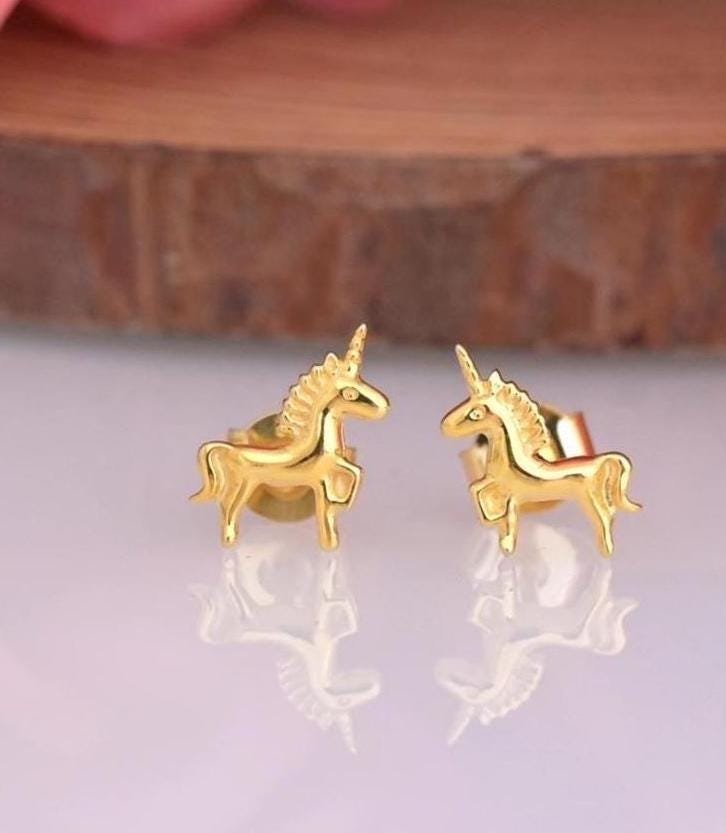
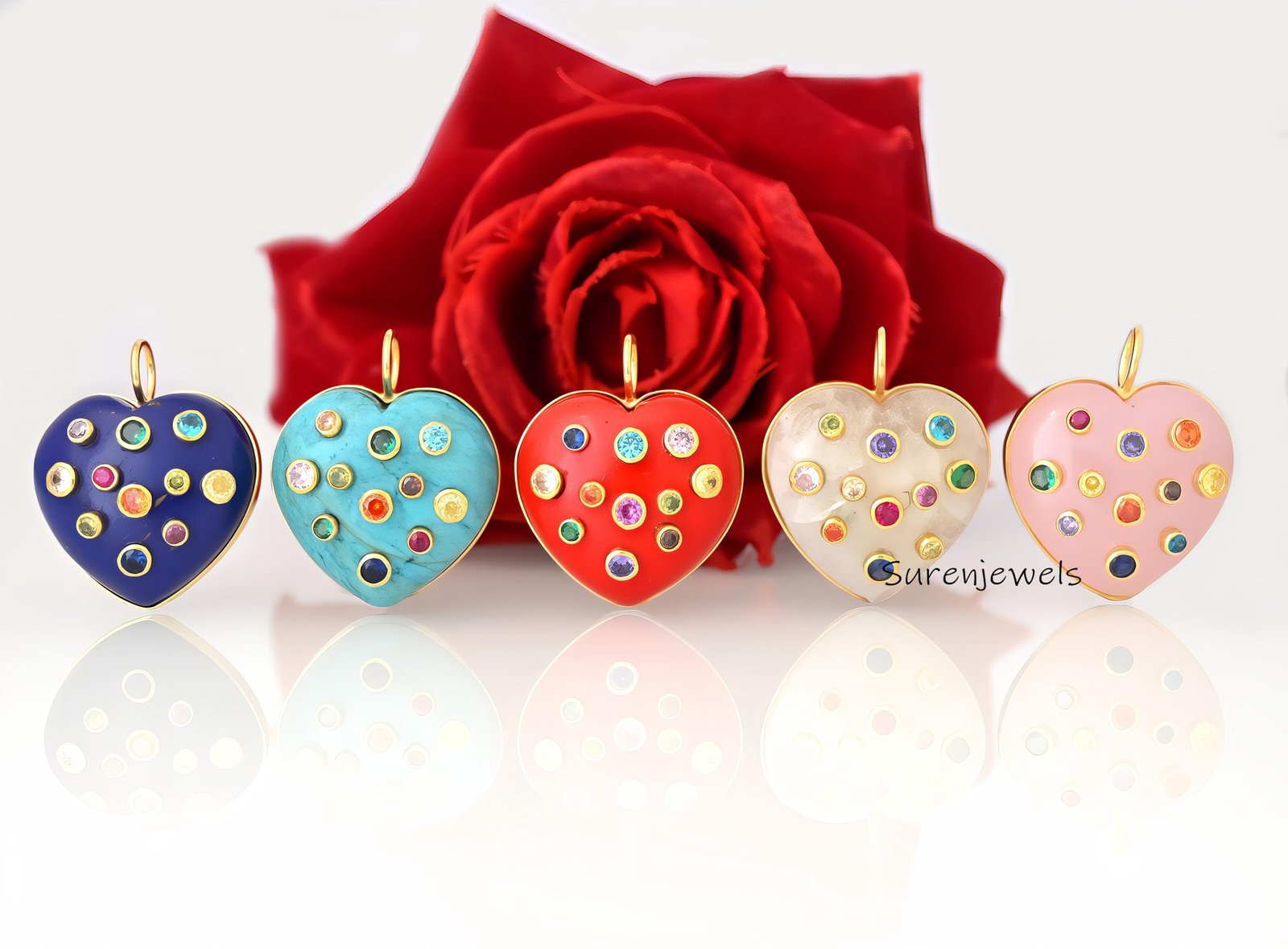
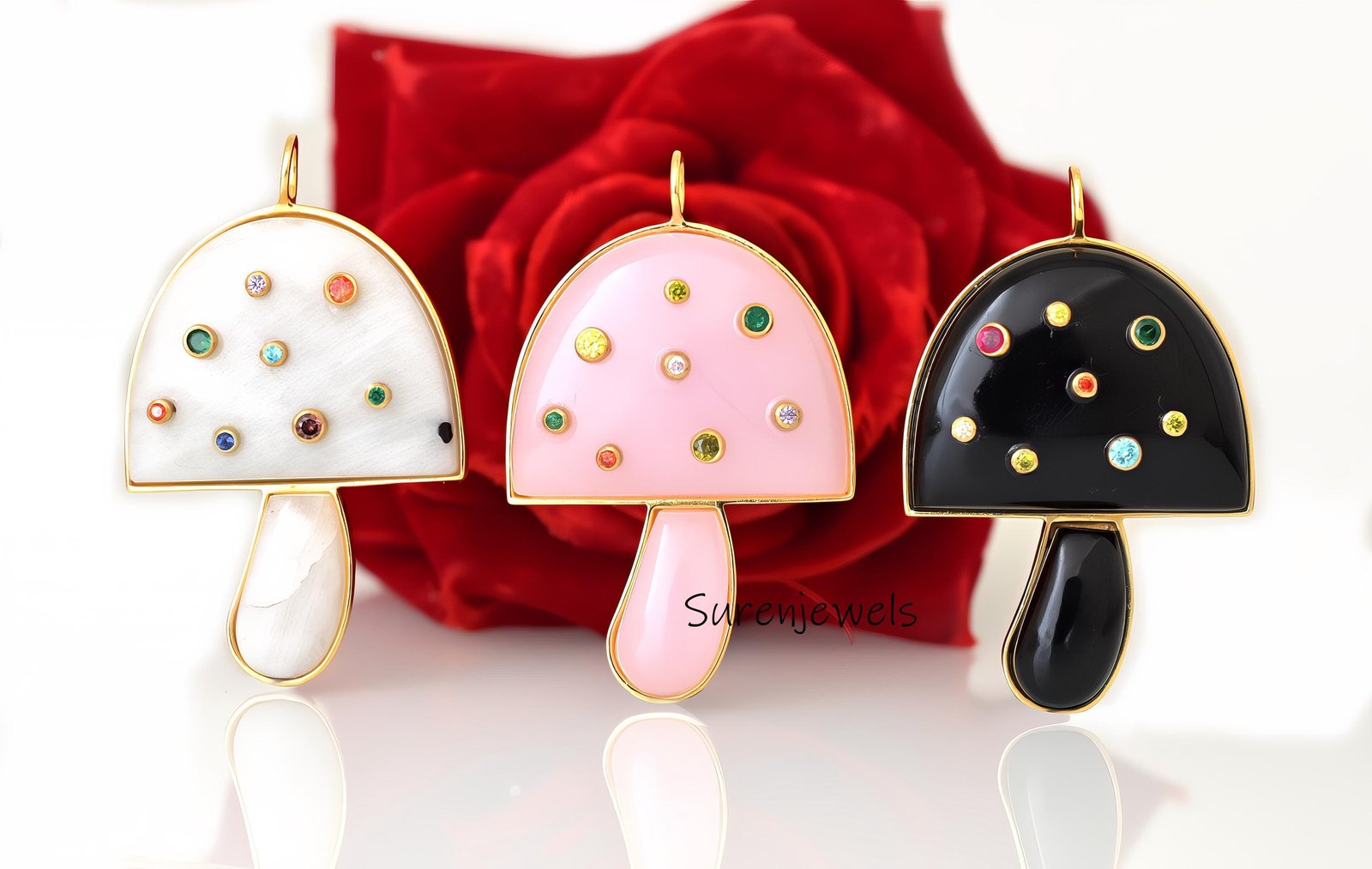
- Suren Jewels: Listed as a verified manufacturer specializing in carved gemstone jewelry, custom orders, private label and OEM/ODM. Numerous catalog products show an MOQ range of 1–10 pieces.
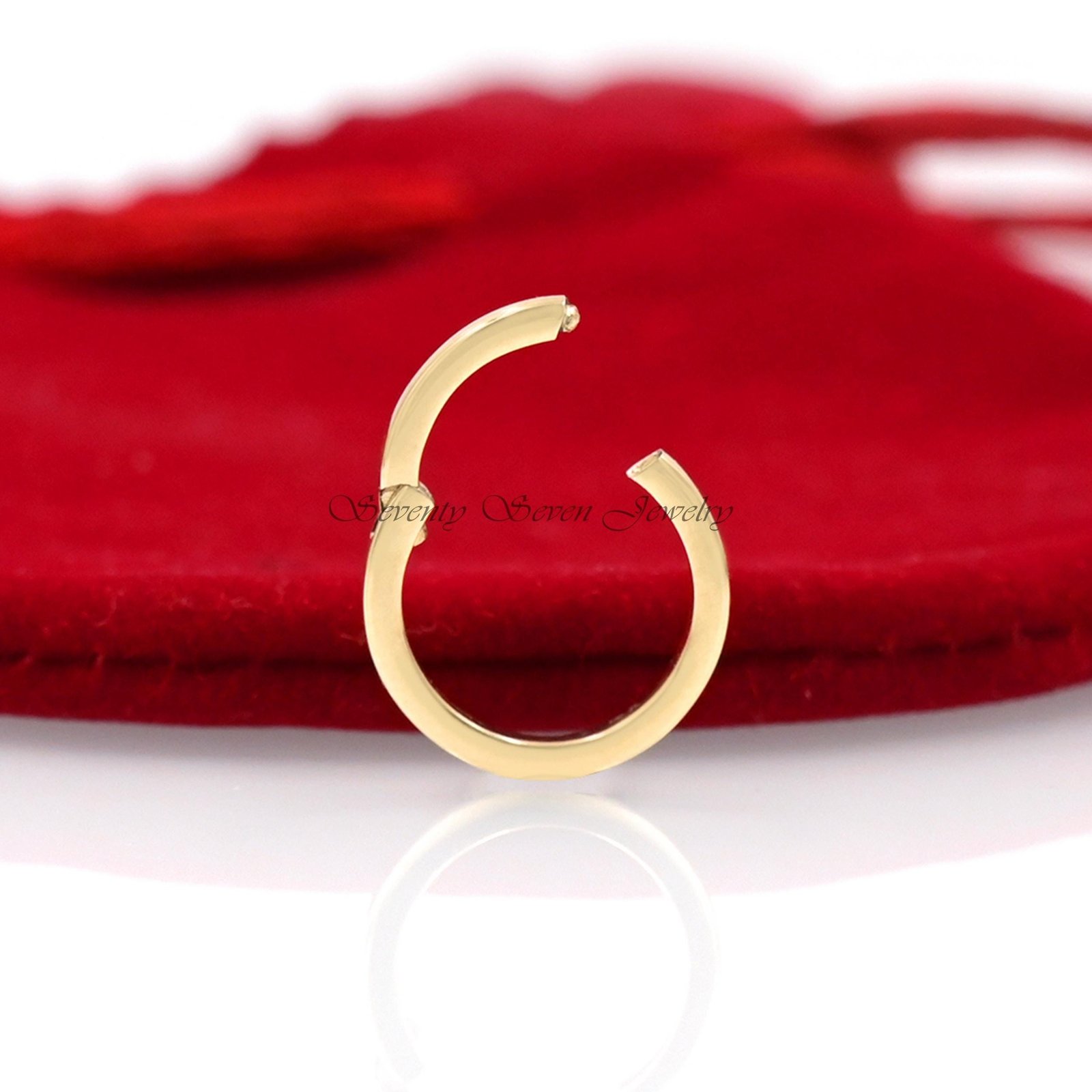
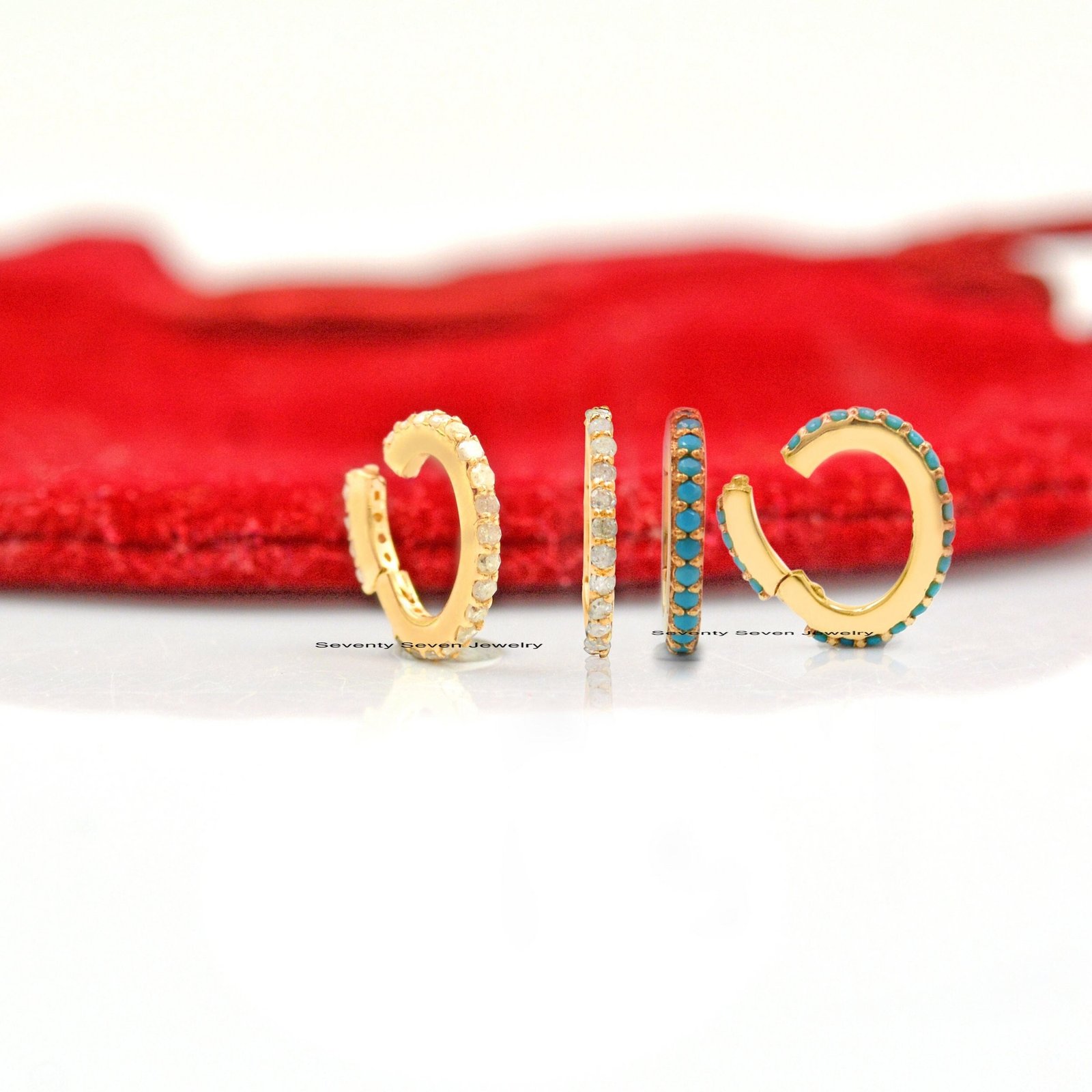
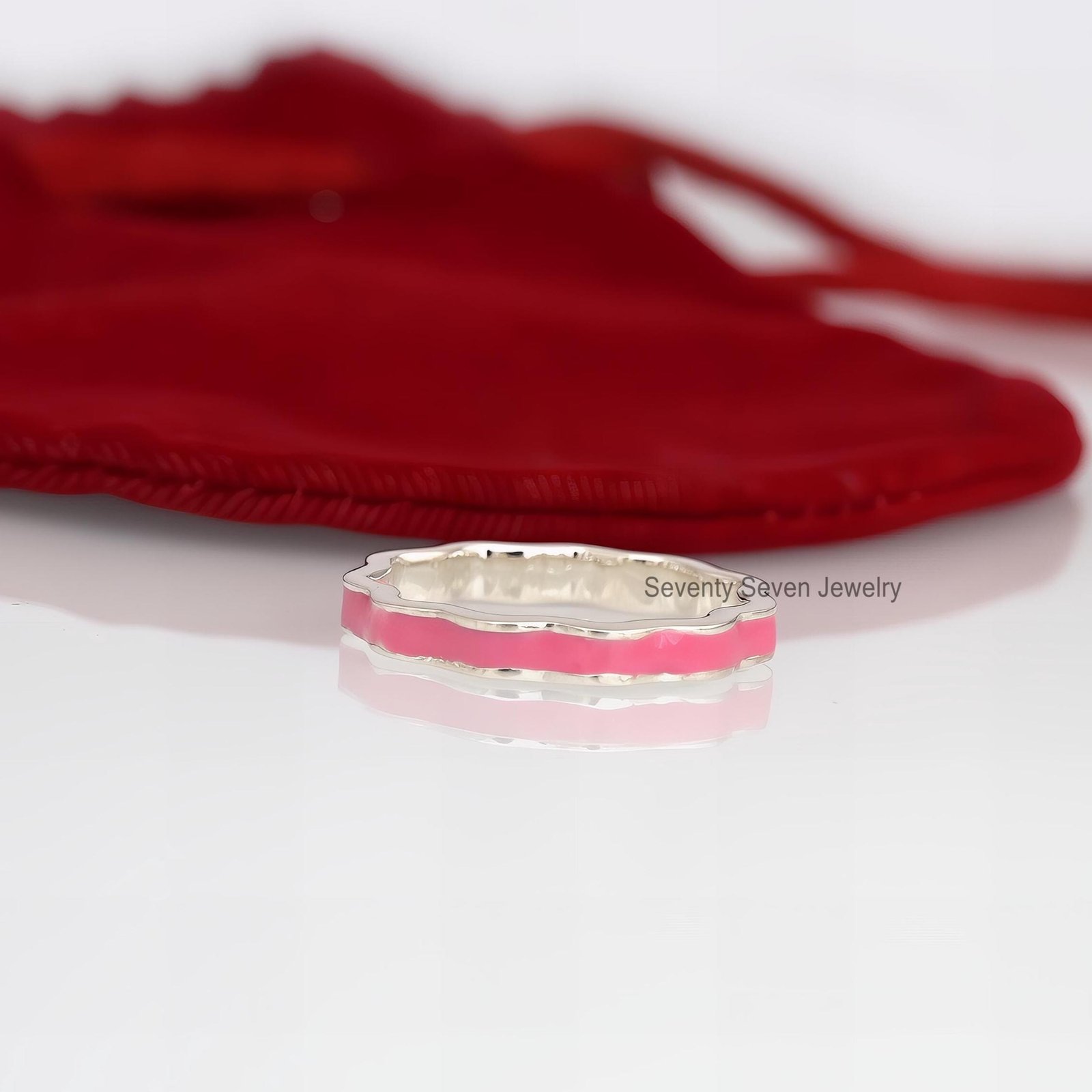
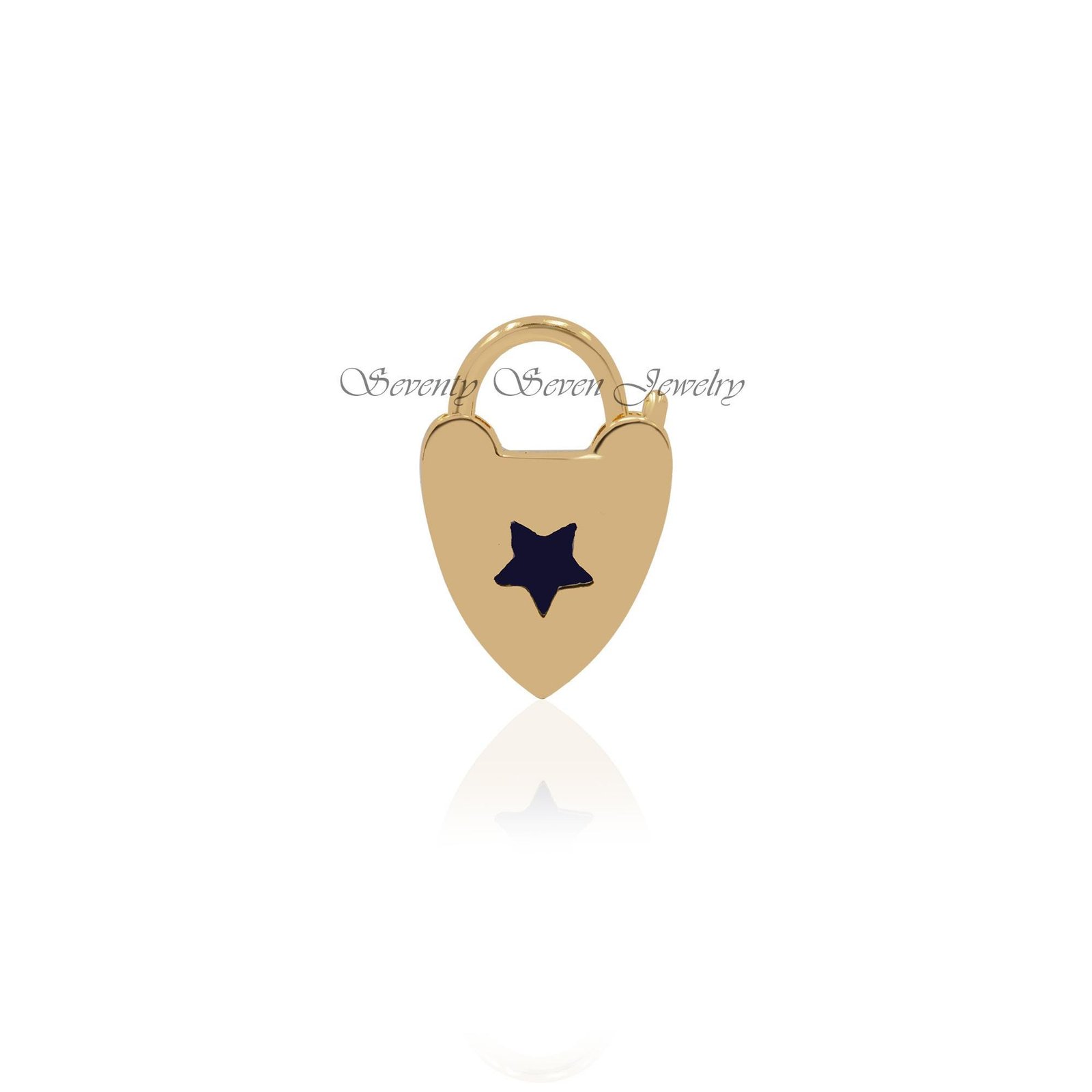
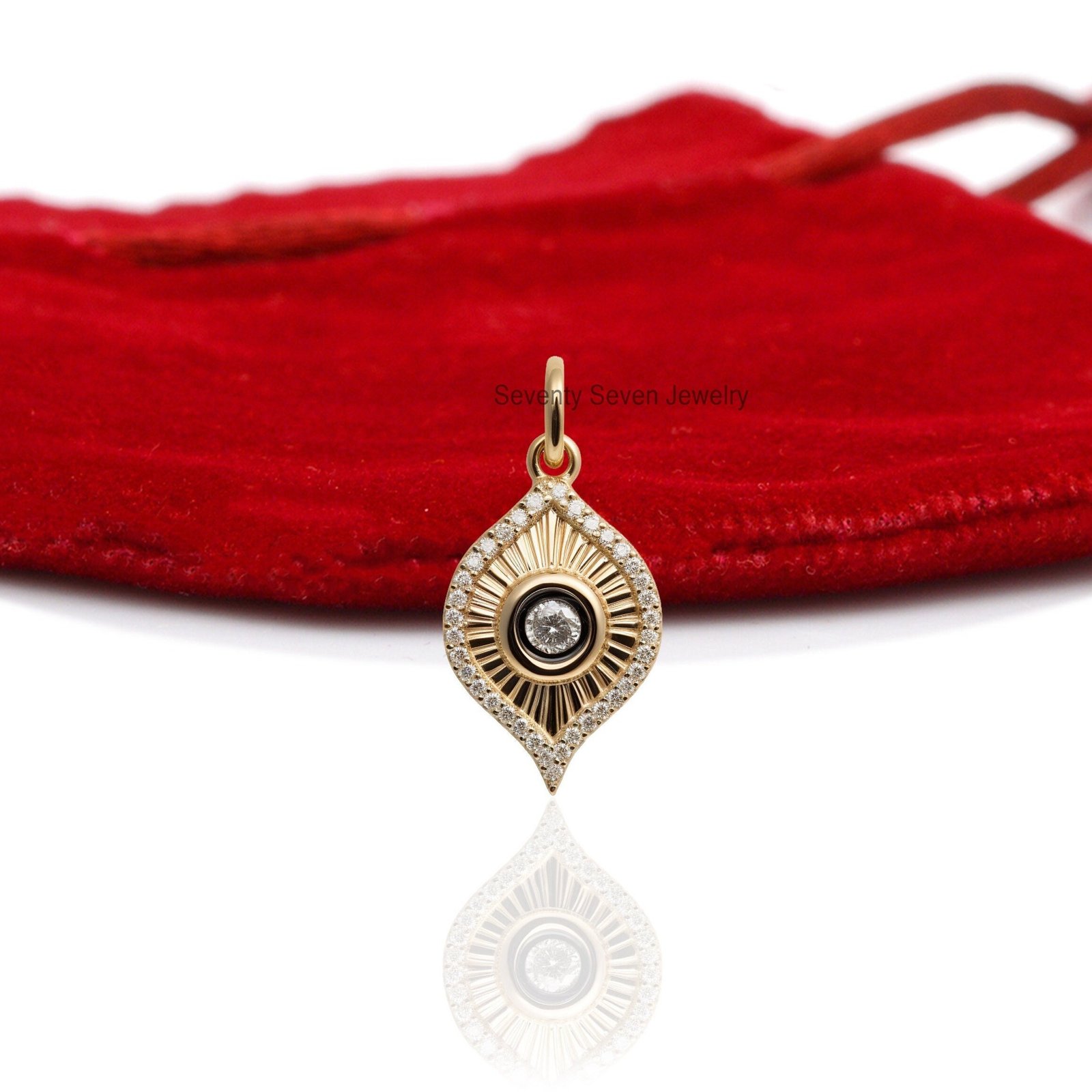
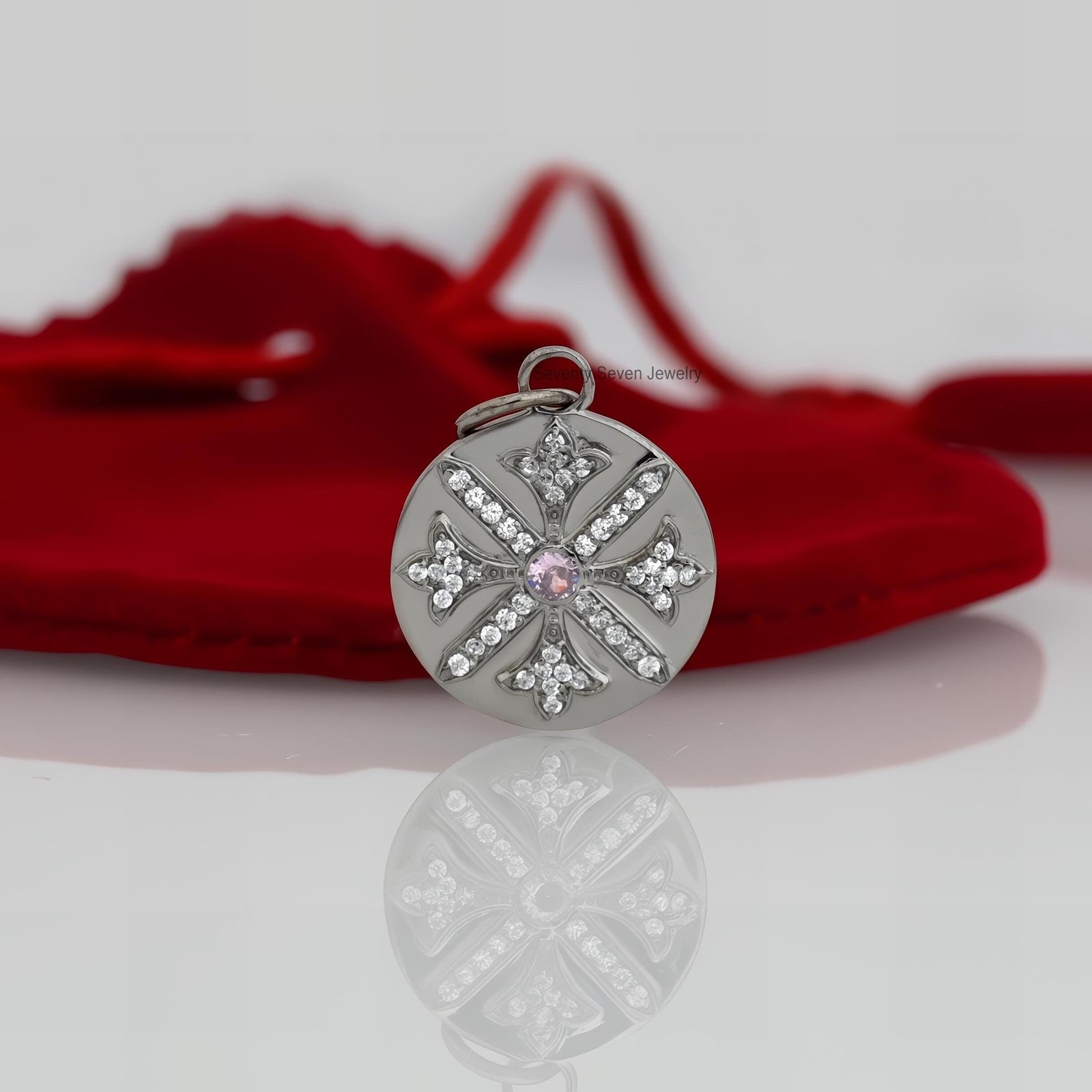
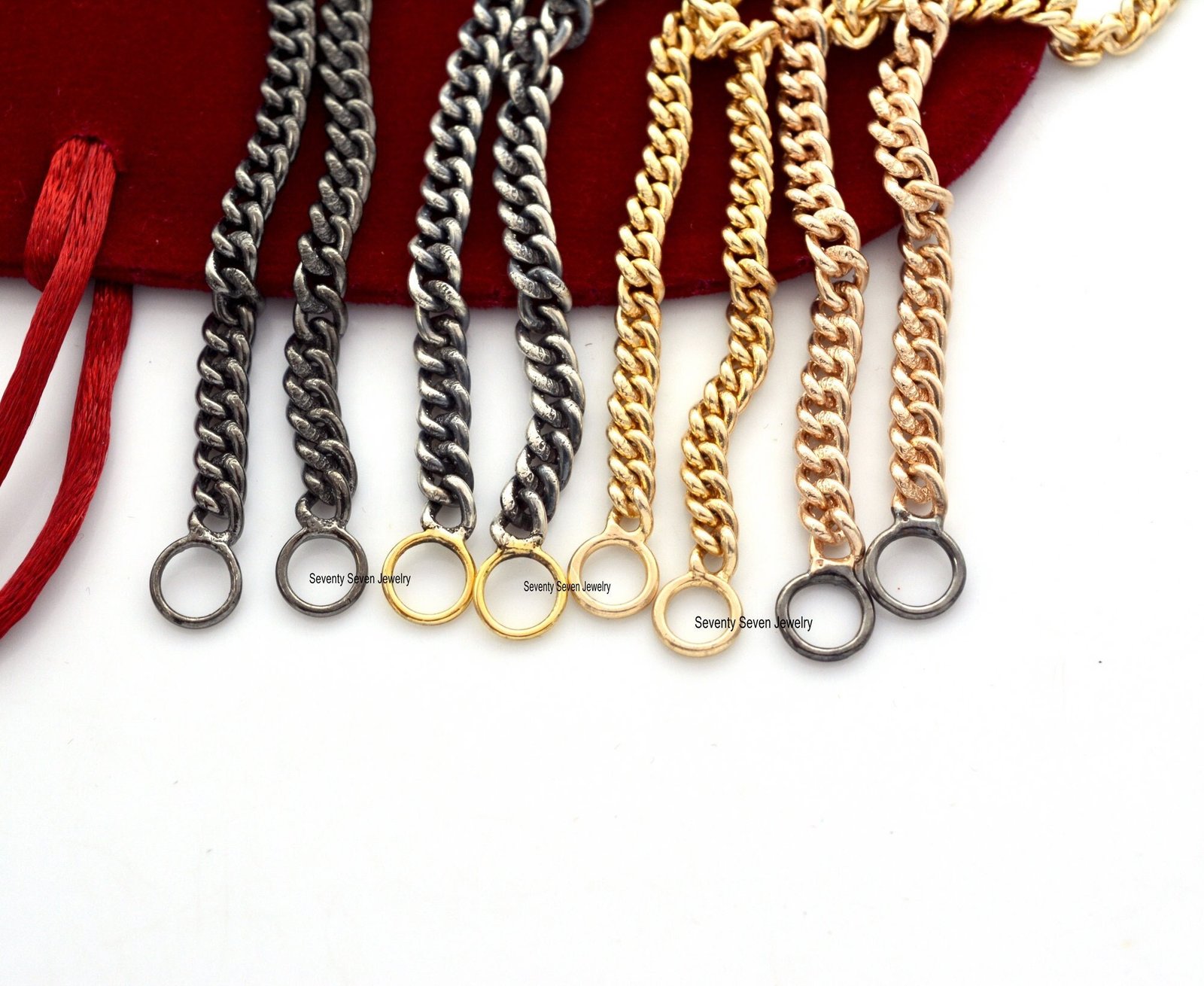
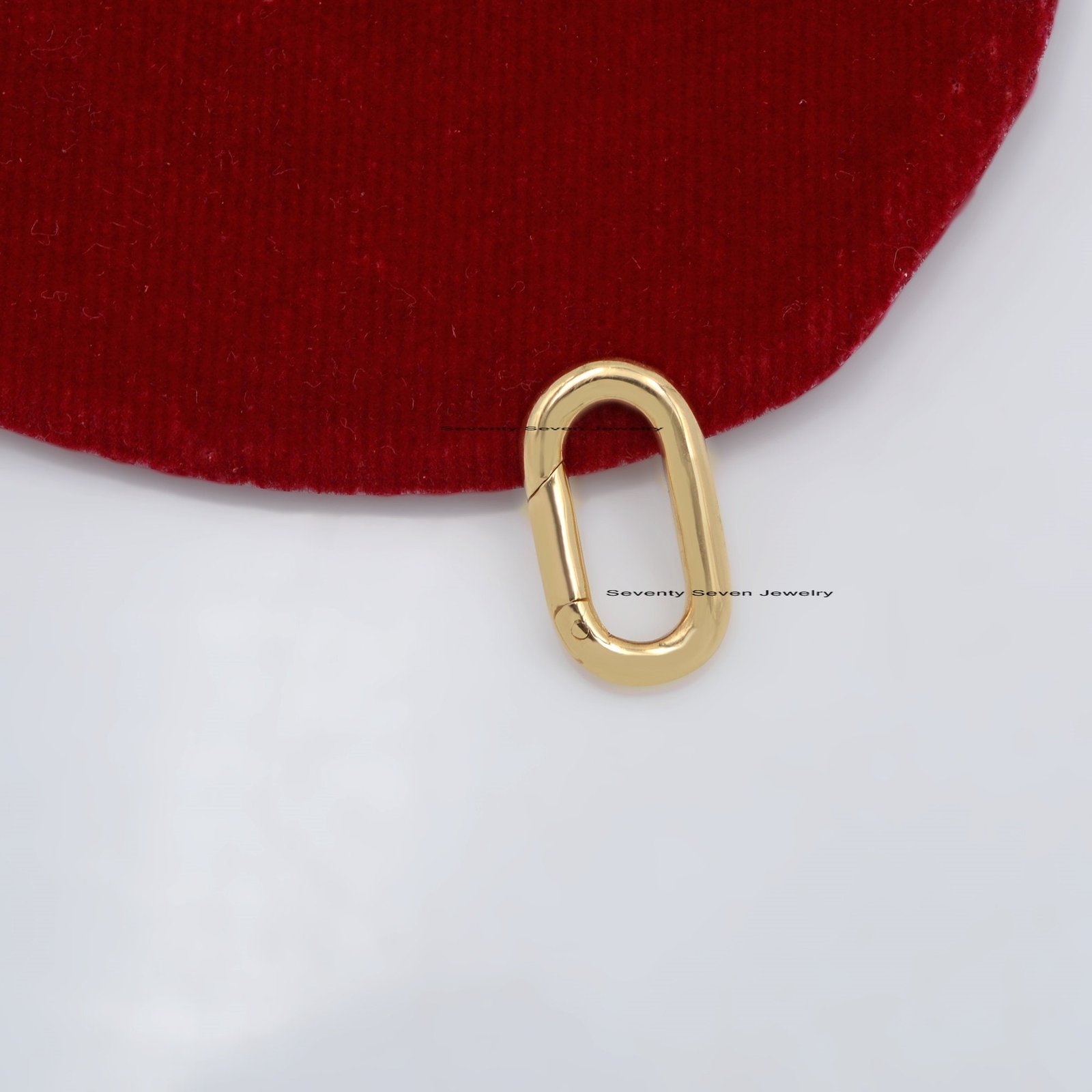
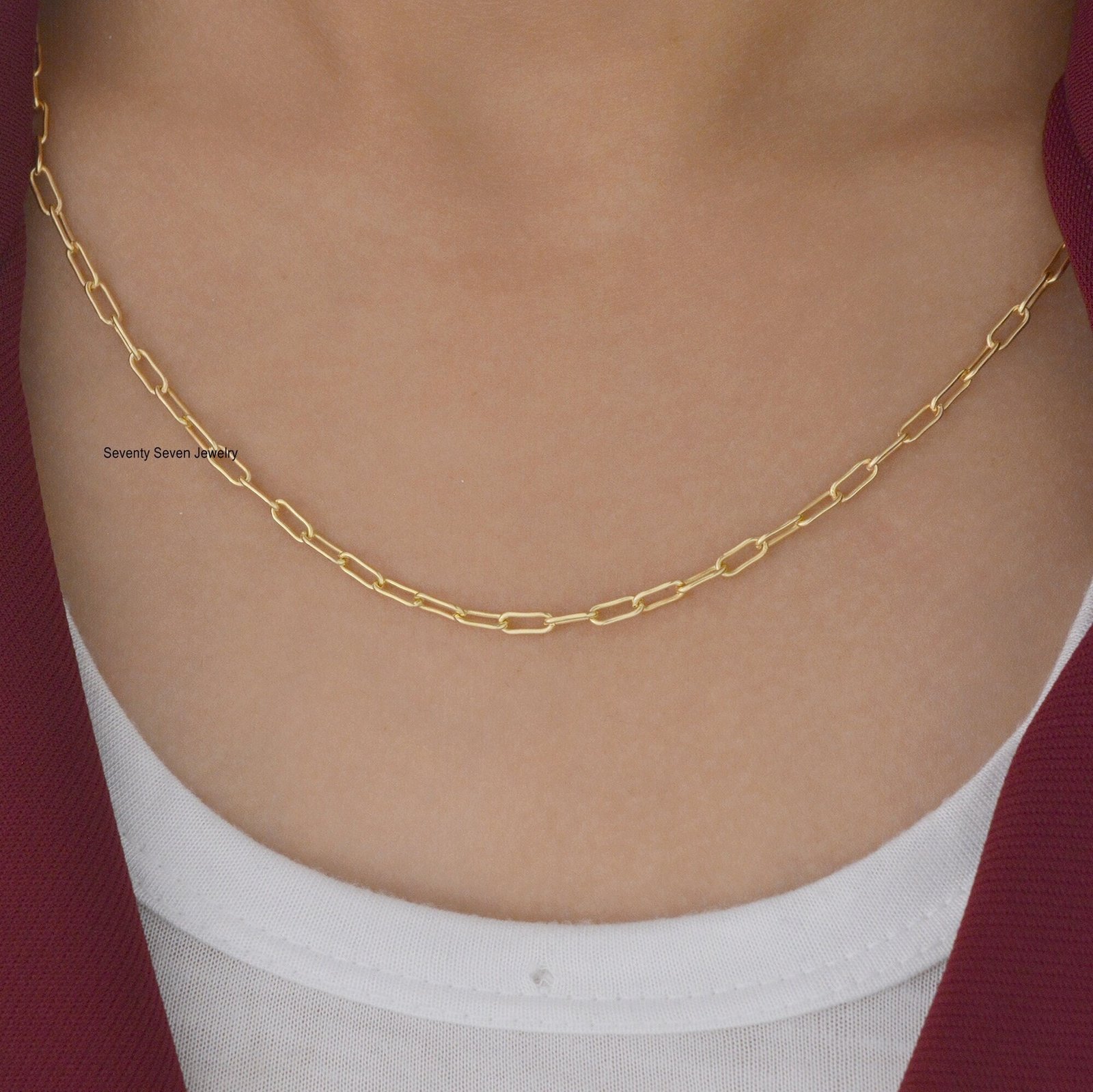
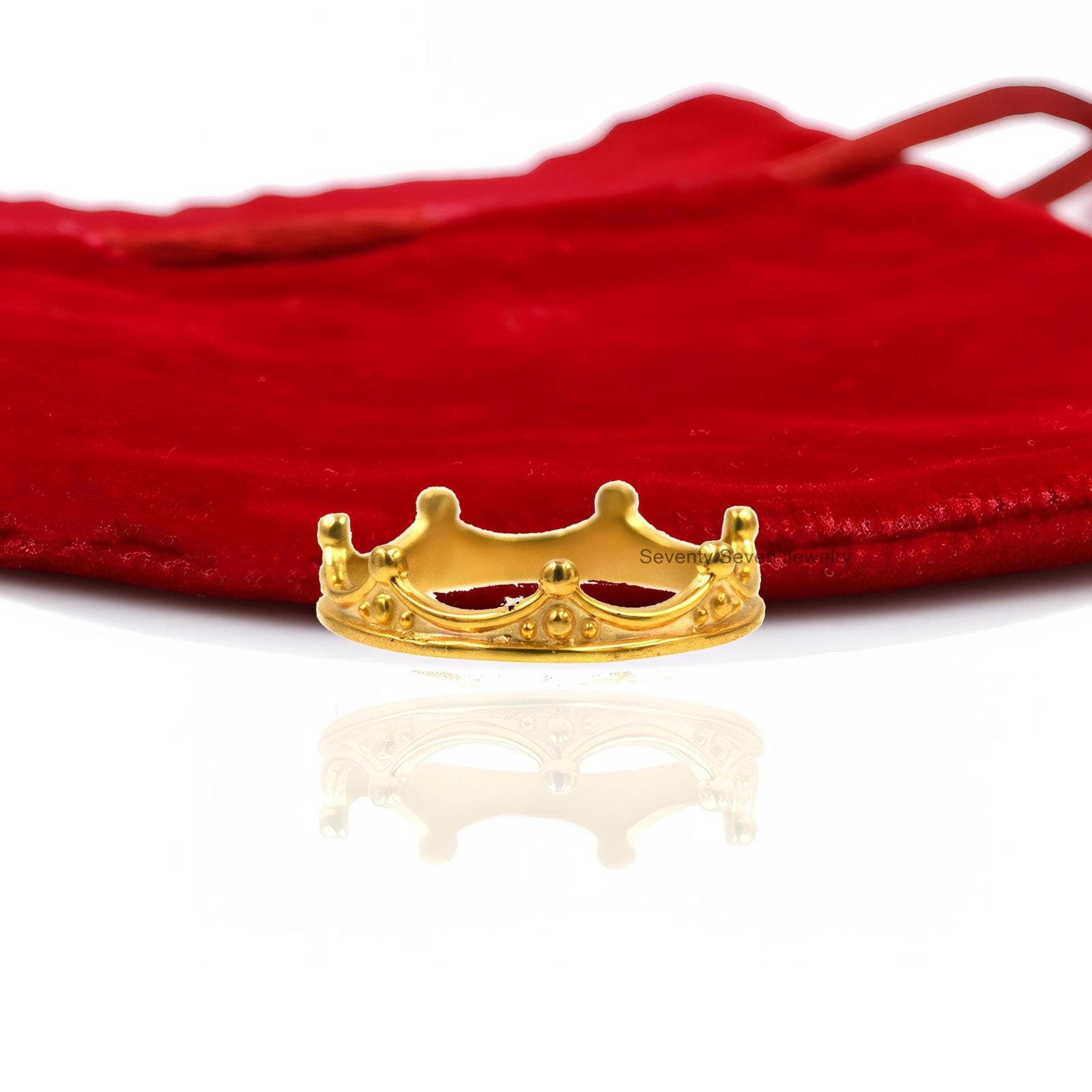
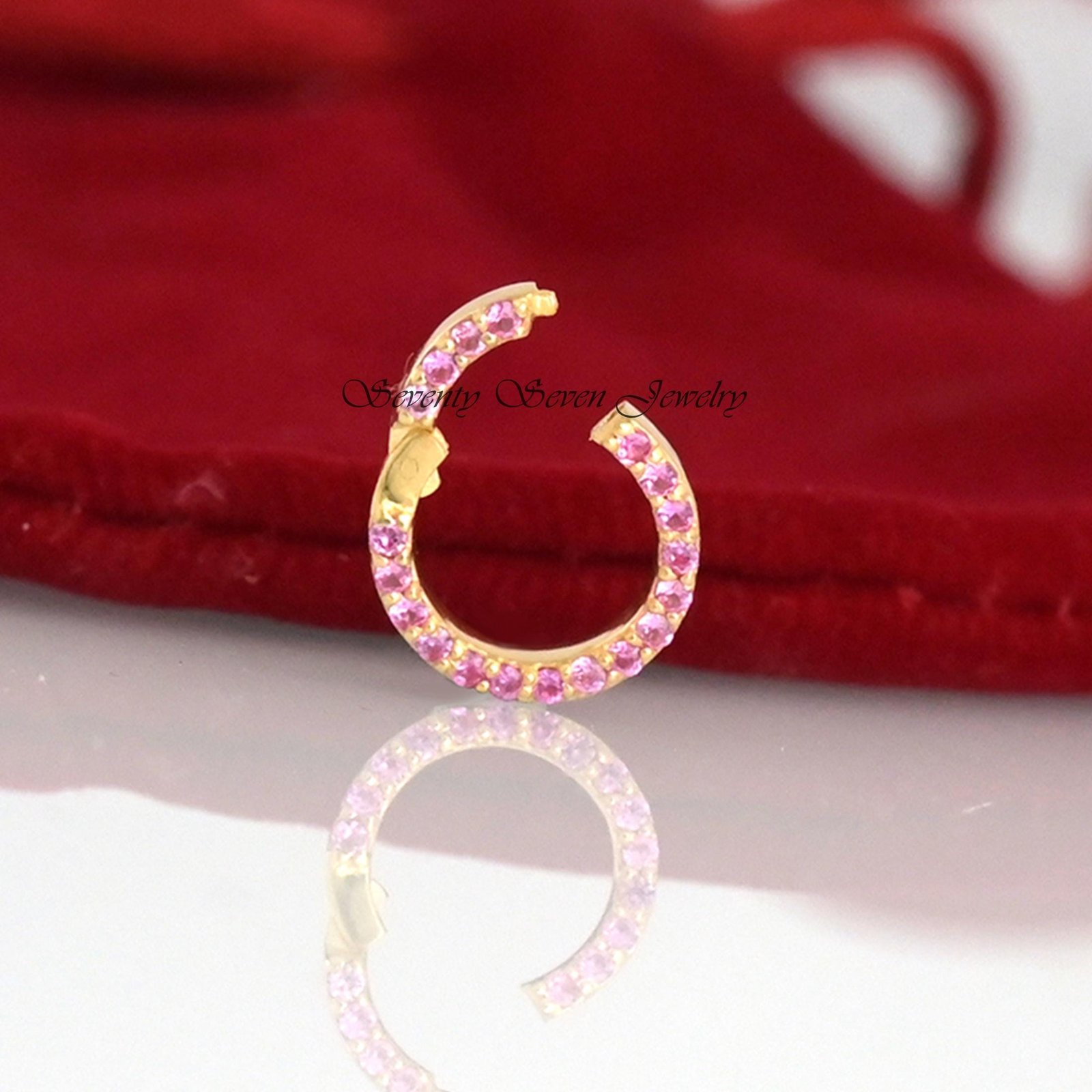
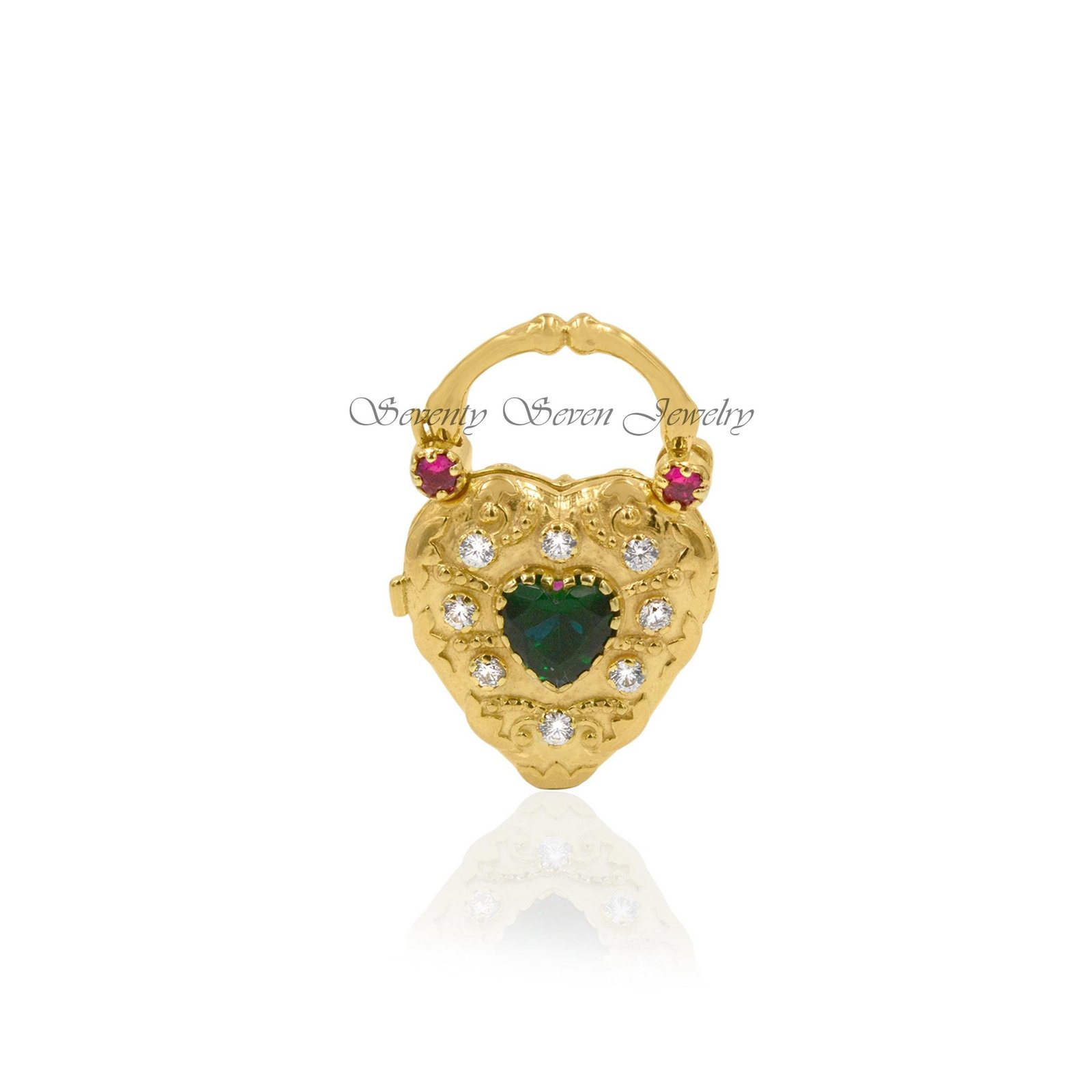
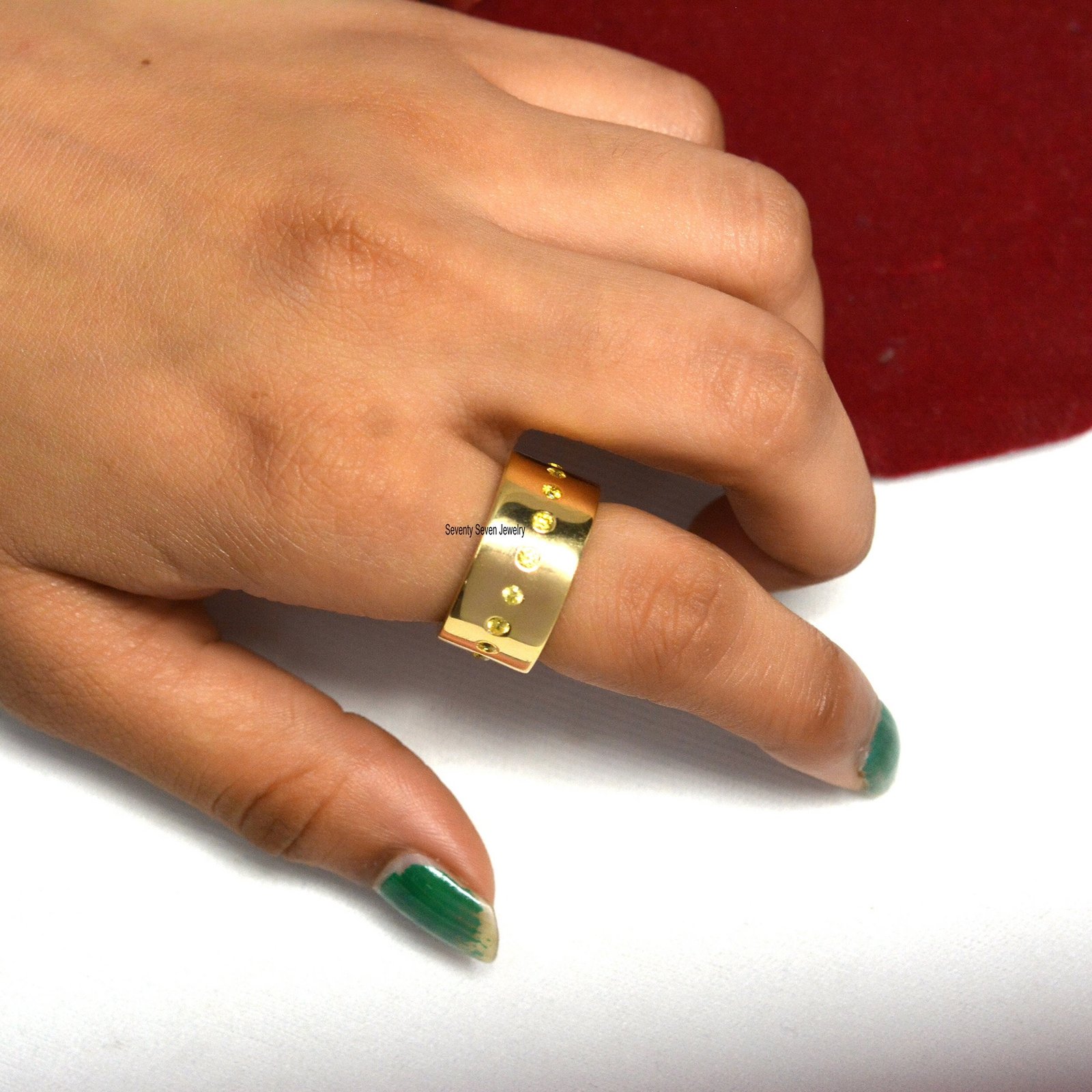
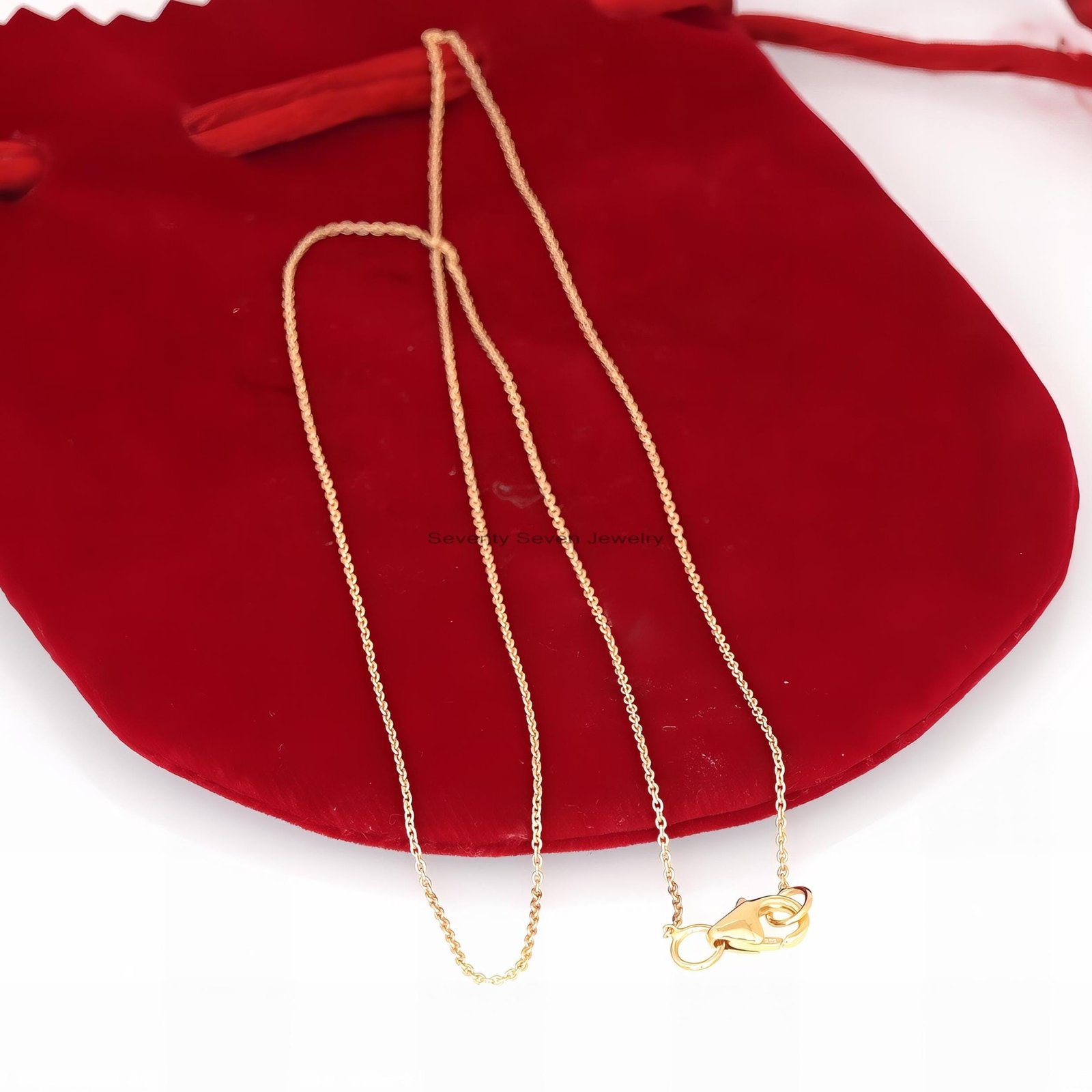
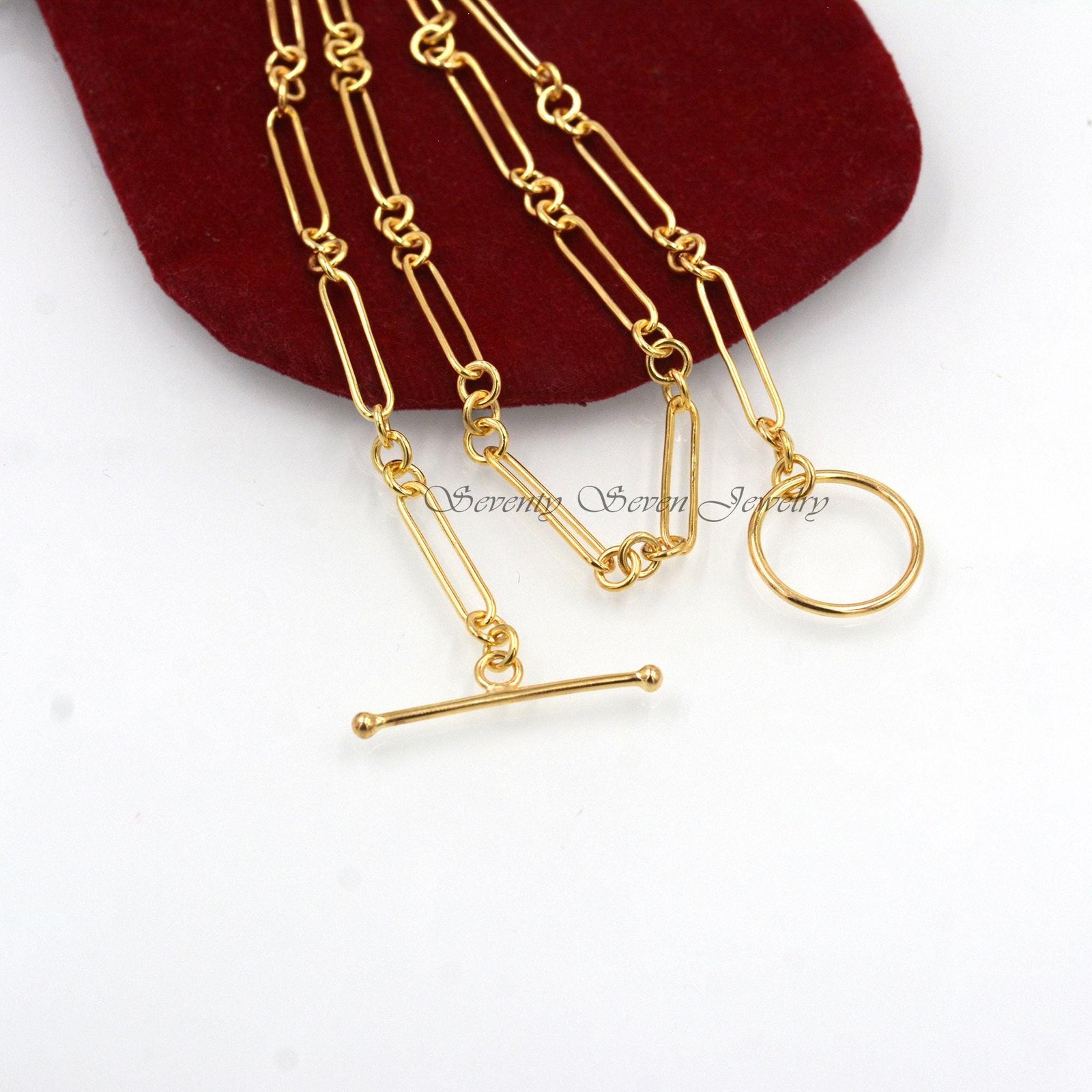
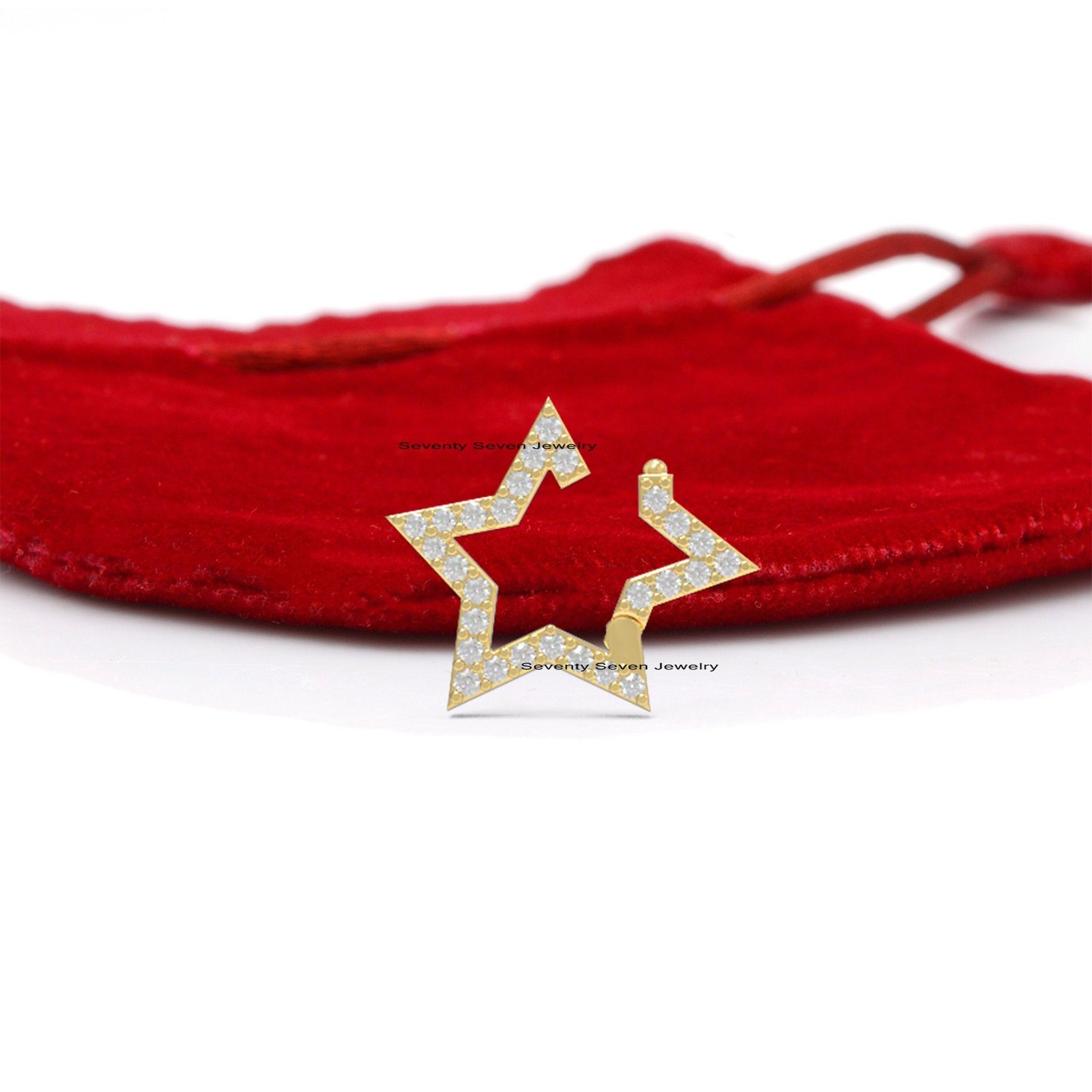
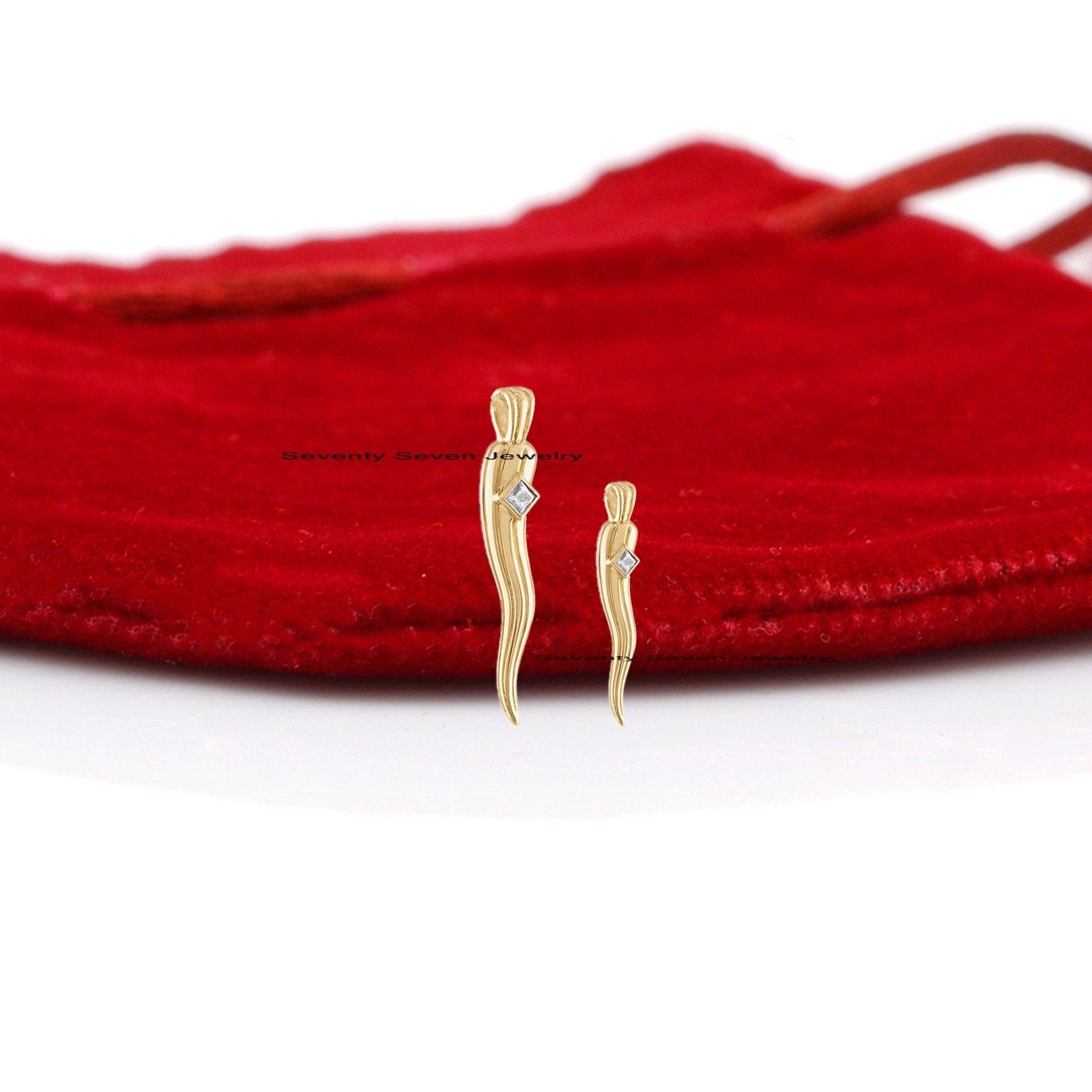
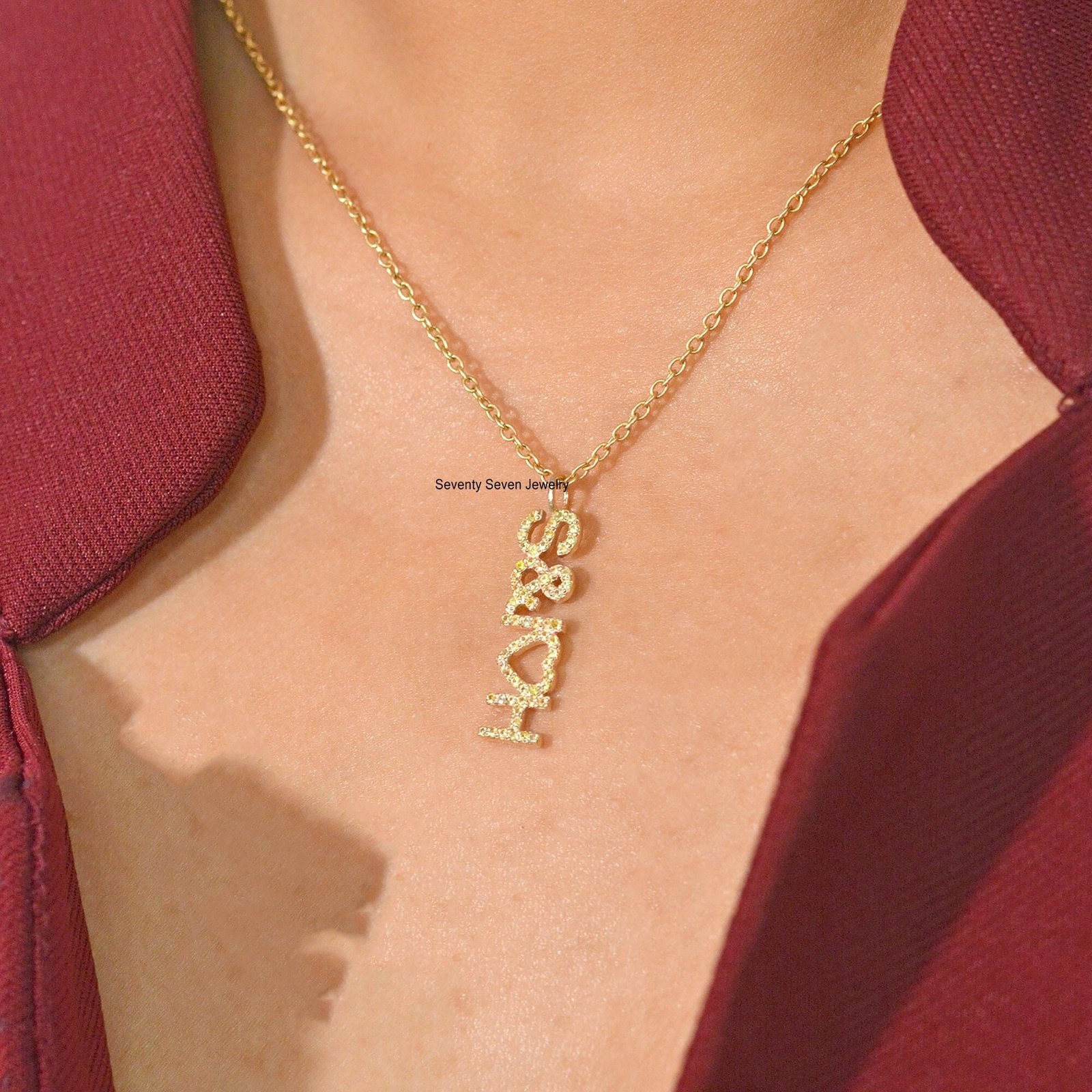
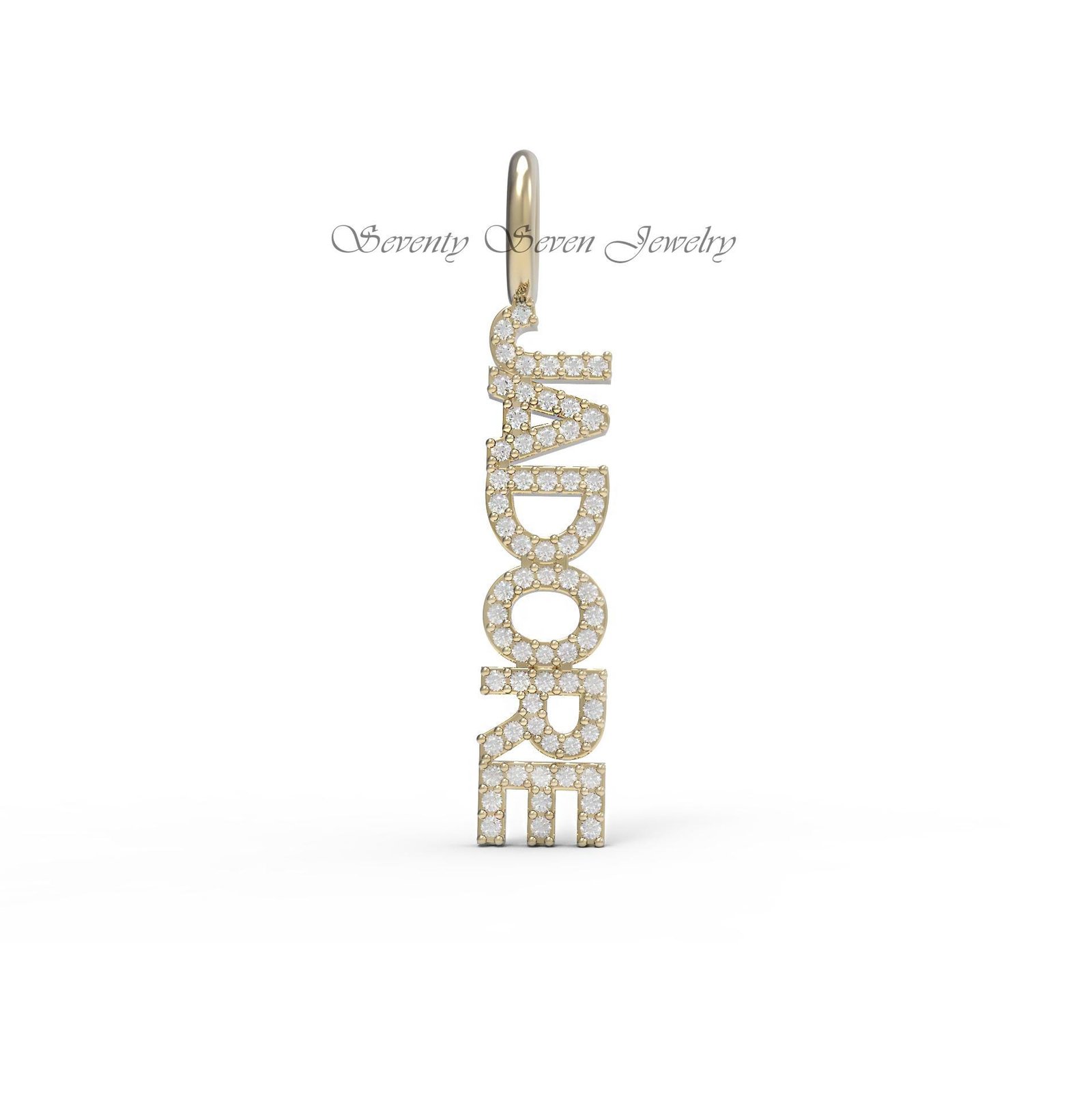
- Seventy Seven Jewelry: Listed as a verified manufacturer accepting custom orders and worldwide inquiries. Its catalog includes sterling silver, gold, diamond, moissanite, enamel and charm-related jewelry, with selected products showing 1–10-piece MOQs.
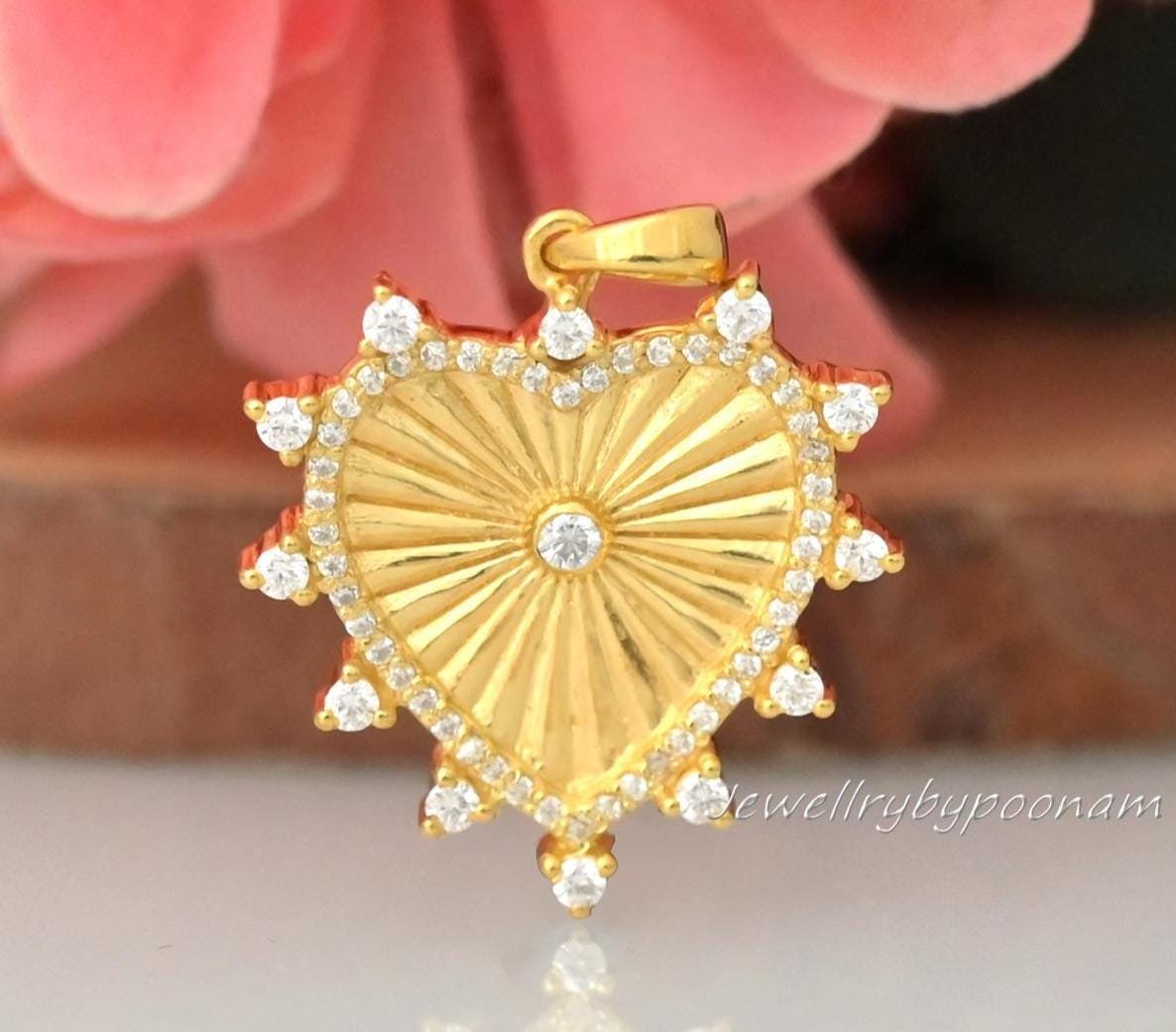
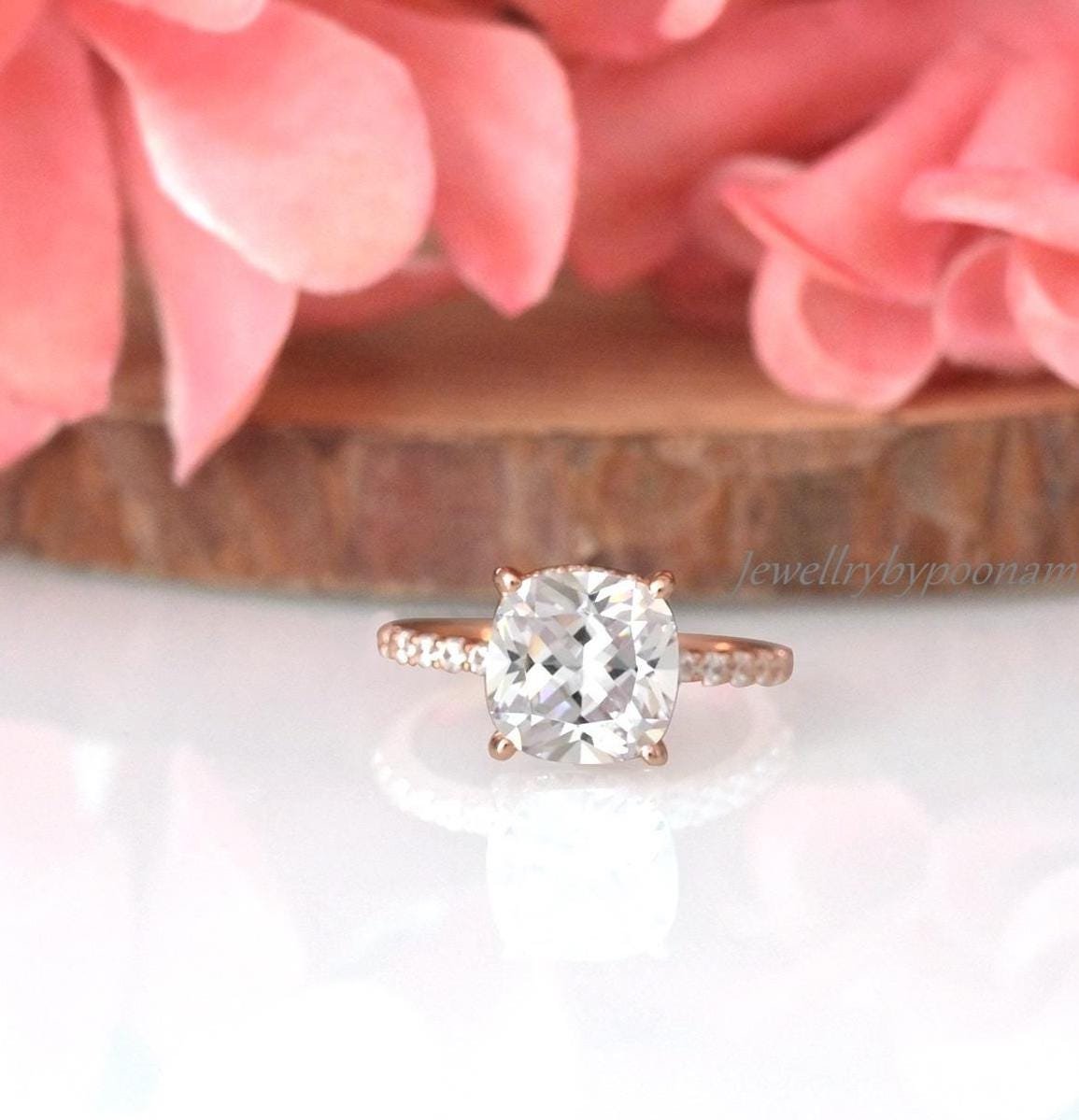
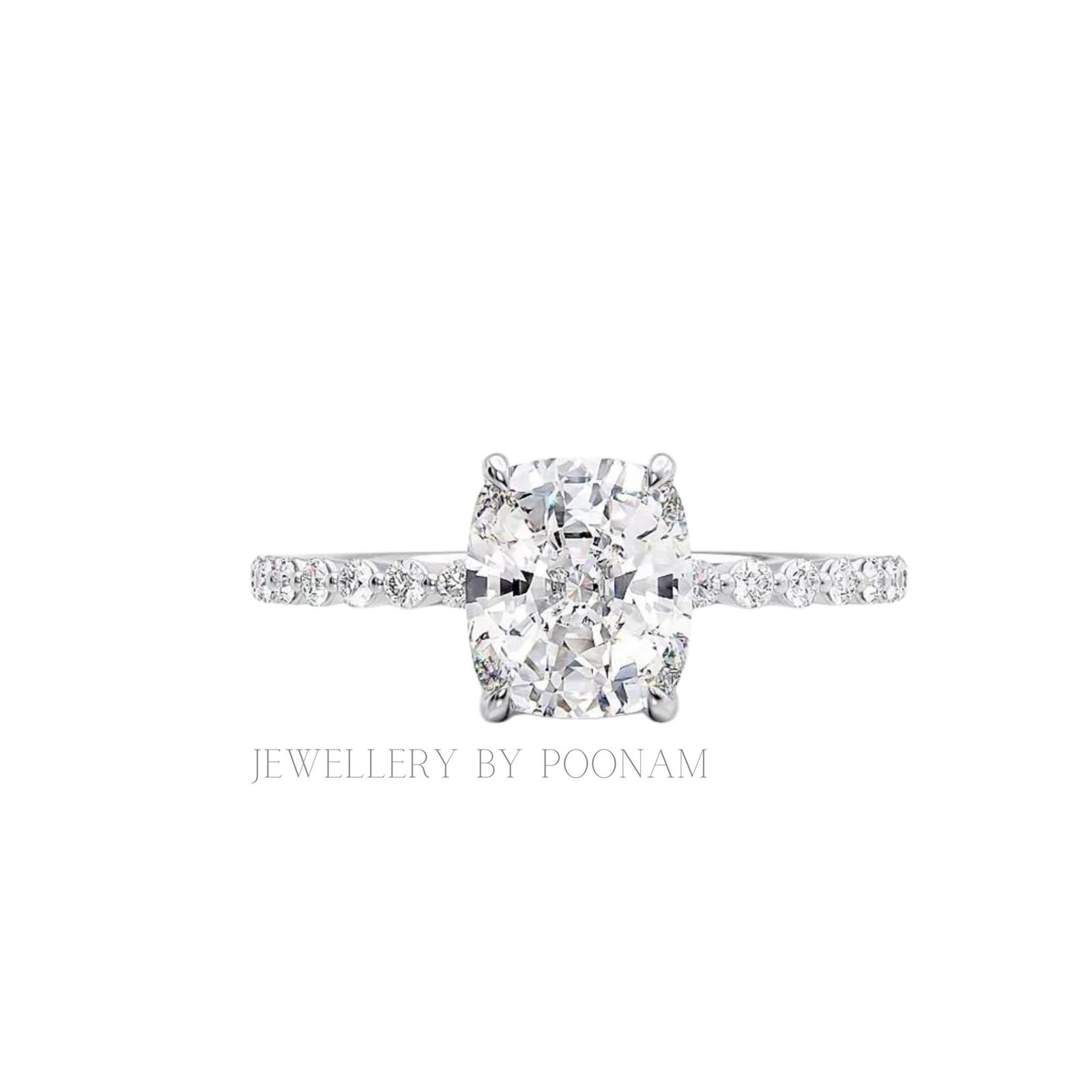
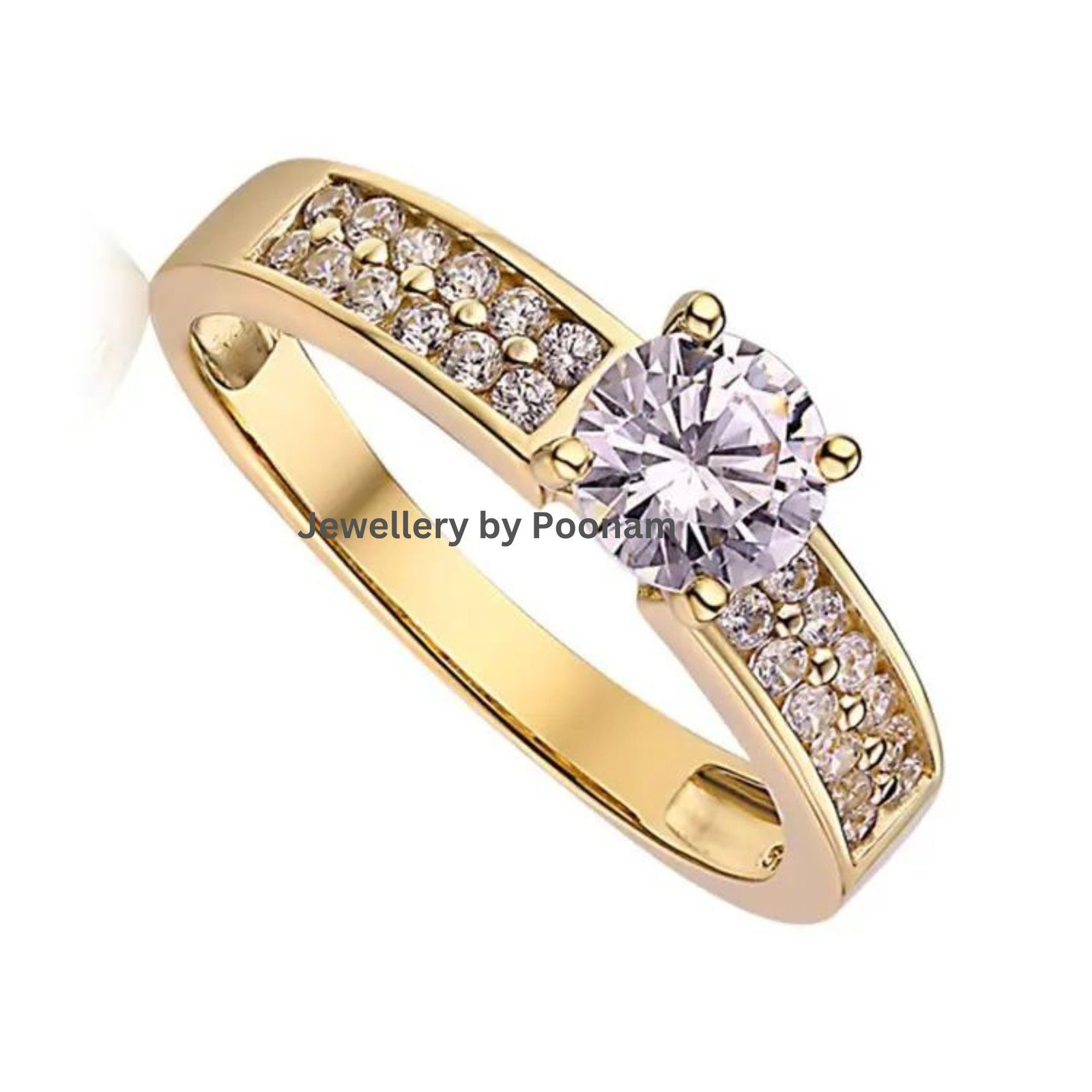
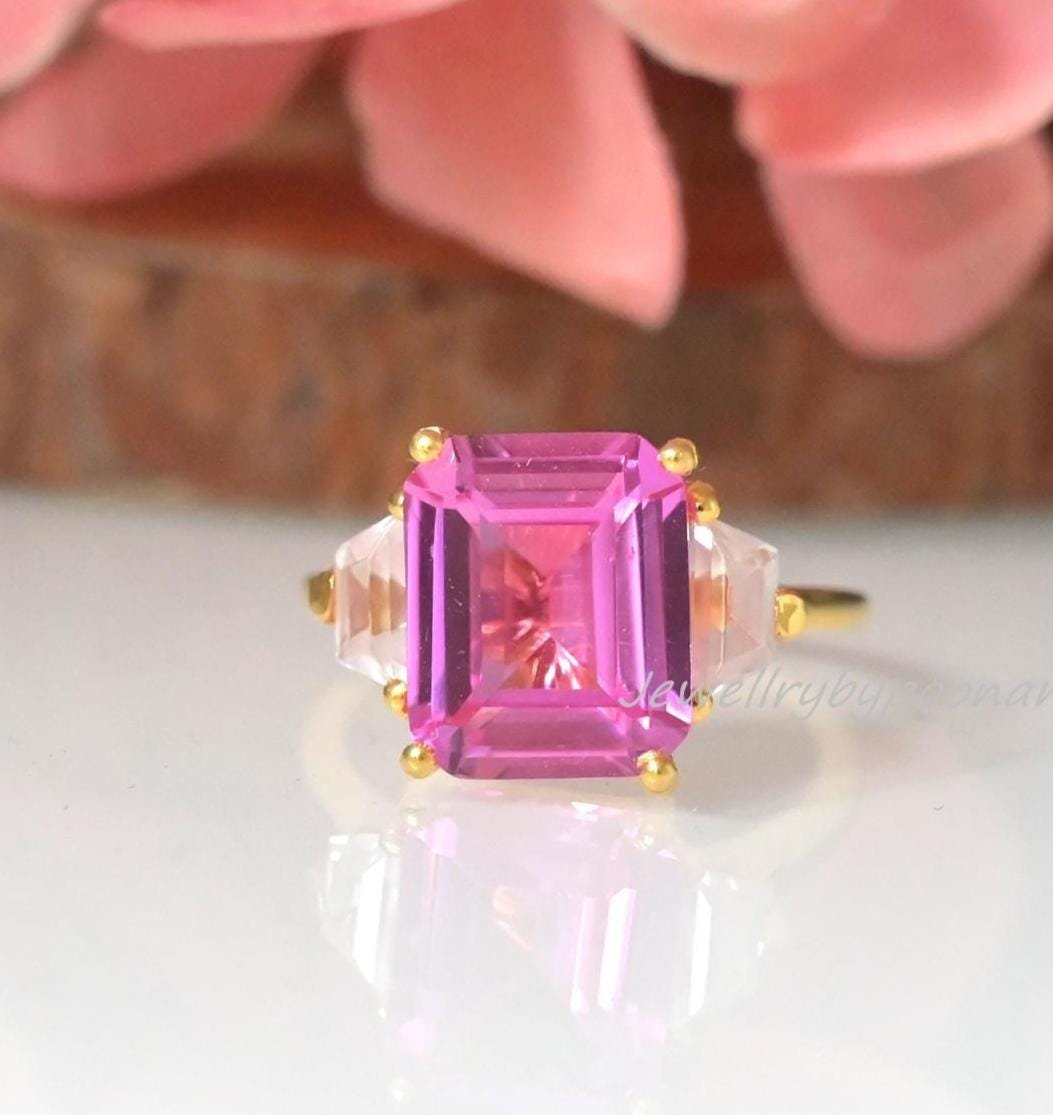
- Jewelry By Poonam: A listing to explore for wedding, gemstone, moissanite and precious-metal jewelry. Buyers should request a current MOQ and written manufacturing scope.
- Charchill and Anitta Jewels: Additional supplier profiles to evaluate based on the required product, material, quantity and destination.
A marketplace profile is a discovery tool, not a replacement for due diligence. “Verified” should be understood according to the marketplace’s published verification policy, and buyers should independently check business identity, manufacturing location, samples and current compliance documents.
How an experienced manufacturer evaluates a custom project
After more than a decade in jewelry manufacturing, one lesson is consistent: most production problems begin before production. A vague brief creates an inaccurate quotation, uncontrolled revisions and disagreement about the finished result.
A professional RFQ should include:
- Product category and reference images
- Original sketch, CAD or STL file, if available
- Metal and fineness—for example, 925 silver or 14K gold
- Target finished weight or acceptable weight range
- Stone type, shape, size, grade and treatment disclosure
- Product dimensions and ring-size range
- Surface finish and plating color
- Required plating thickness and protective coating
- Logo, hallmark and country-of-origin requirements
- Sample quantity and bulk quantity per design
- Target market and applicable testing requirements
- Packaging, labeling and barcode requirements
- Delivery destination and required date
If your target cost is fixed, disclose it early. A manufacturer may be able to adjust weight, stone size, construction or finishing while protecting the design intent. Hiding the price target often wastes development time.
Ten checks before selecting an Indian jewelry manufacturer
1. Confirm manufacturer, wholesaler or trader status
Ask for a live factory video call and request footage showing CAD, model making, casting, setting, polishing and QC. A supplier may legitimately outsource specialist processes, but it should disclose that clearly.
2. Verify the legal and export identity
Obtain the company name, registered address, GST details and Importer-Exporter Code. India’s Directorate General of Foreign Trade describes the IEC as a key identification number required for importing or exporting from India.
3. Establish the true MOQ
Ask whether MOQ applies per design, metal, color, stone, size or total order value. Catalog jewelry and fully custom jewelry rarely have identical minimums.
4. Approve CAD and technical specifications
A beautiful rendering is not a production specification. Confirm wall thickness, prong dimensions, stone seats, clasp construction, chain gauge, finished measurements and expected weight.
5. Use an NDA and manufacturing agreement
An NDA protects confidential information, but the manufacturing agreement should separately cover ownership of sketches, CAD files, molds, samples, rejected pieces and product photography. It should also prohibit unauthorized production or display of the design.
6. Verify metal purity and product marking
Ask how metal is tested and what documentation will accompany the order. The Bureau of Indian Standards defines hallmarking as the official determination and recording of precious-metal content. However, hallmark and labeling requirements for an export order must be agreed according to both Indian rules and the destination market.
7. Define gemstone and diamond disclosure
State whether stones are natural, treated, synthetic, laboratory-grown or simulated. For diamonds, identify grading expectations and the laboratories acceptable to your market. Do not assume every small stone will carry an individual certificate.
8. Inspect a production-representative sample
The sample should use the same metal, stones, plating and construction intended for bulk production. Test wear, clasp function, stone security, sharp edges, solder joints, plating color and dimensional accuracy.
9. Document quality tolerances
Define acceptable ranges for weight, size, stone color, plating, alignment and finish. “Good quality” is subjective; a tolerance sheet is measurable.
10. Agree shipping and after-sales responsibility
Record the Incoterm, courier, insurance, declared value, customs paperwork and responsibility for duties. Also agree how shortages, transit damage, failed QC and repairs will be handled.
Understanding custom jewelry cost
A factory cannot responsibly quote a final custom price from a picture alone. The main cost drivers are:
- Precious-metal rate and finished metal weight
- Metal loss and recovery method
- Stone price and setting count
- CAD, master, mold and tooling charges
- Hand labor and design complexity
- Plating, e-coating and special finishing
- Testing, hallmarking and laboratory certification
- Packaging and labeling
- Quantity per SKU
- Export freight, insurance and duties
The lowest unit quote may exclude CAD, molds, certificates, packaging or shipping. Compare landed cost and the complete commercial scope, not only the factory price.
Typical custom manufacturing workflow
- Brief and feasibility review: The factory checks materials, construction, quantity and target price.
- NDA and quotation: Confidentiality and commercial terms are agreed.
- CAD development: A technical 3D model is created and revised.
- Prototype or master: The approved model is printed or otherwise prepared for molding and casting.
- Sample production: Metal, stones, setting, finishing and branding are tested.
- Sample approval: The buyer signs off measurements, weight, appearance and function.
- Bulk production: Material procurement and production begin against the approved standard.
- Quality control: Pieces are checked during and after production.
- Packing and export: Documents, labels, insurance and dispatch are finalized.
- Reorder review: Actual results are used to improve tolerances and lead time for the next batch.
Timelines vary significantly. A catalog reorder may move quickly, while a complex custom collection can require several rounds of CAD and sampling. Ask for separate schedules for development, sample approval, bulk production and shipping.