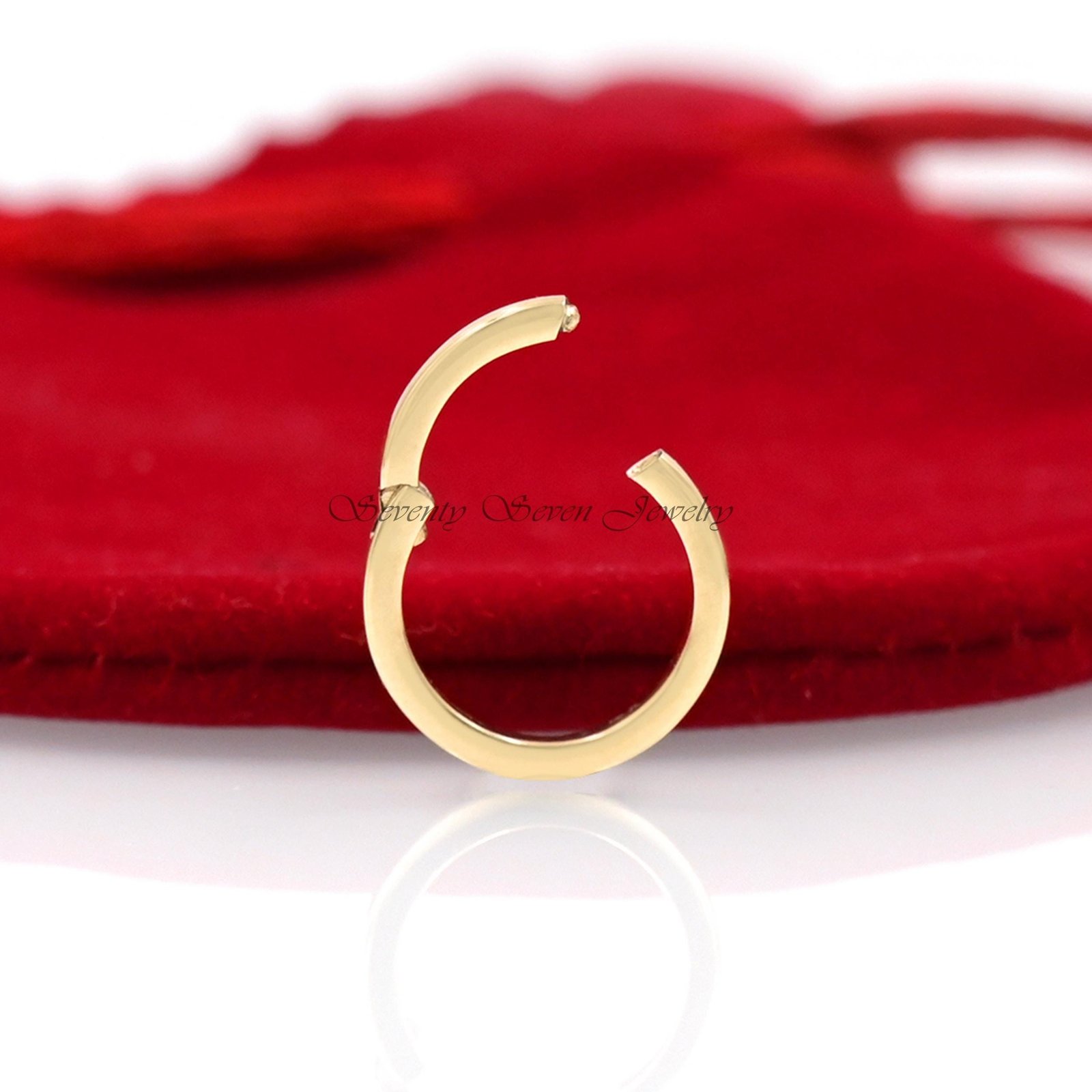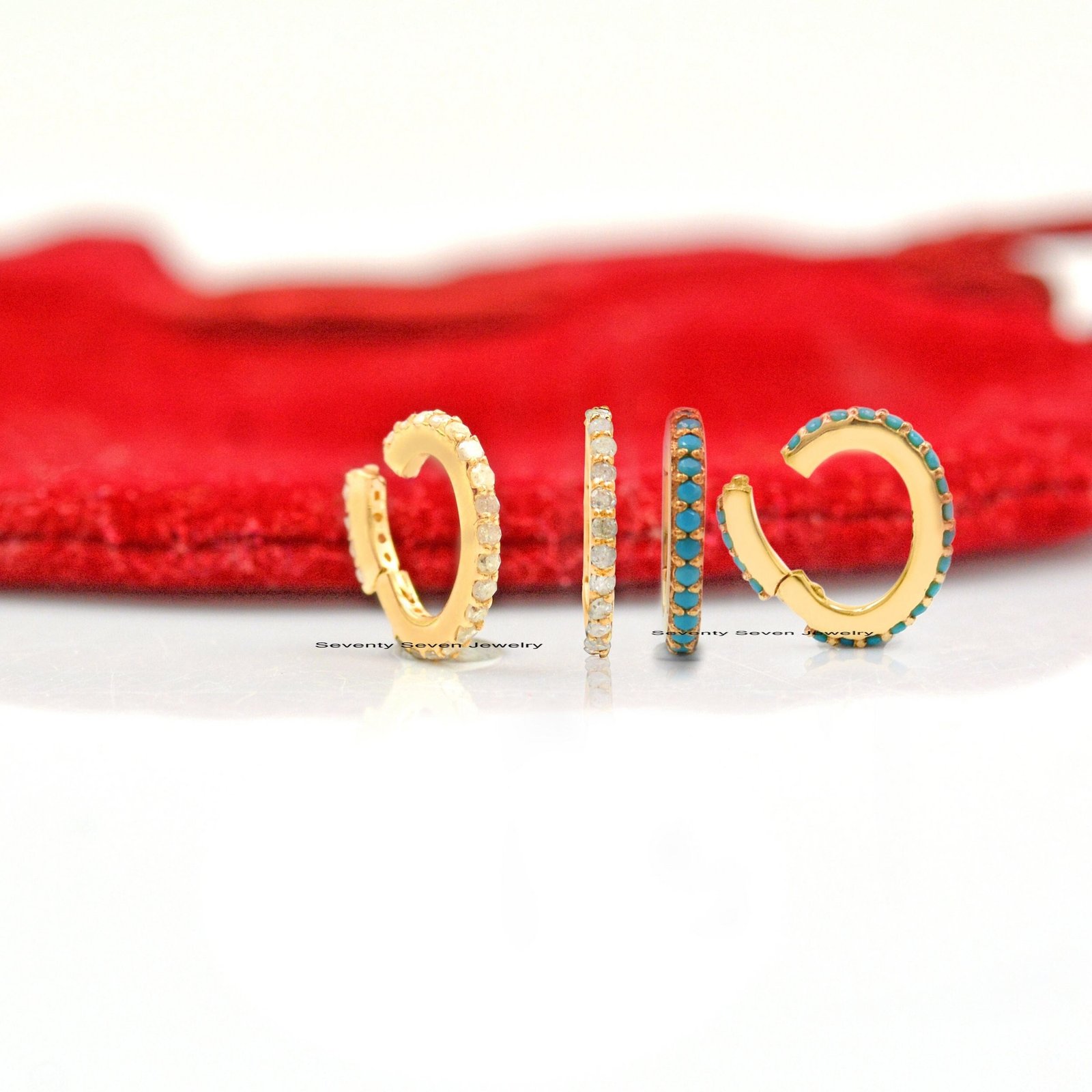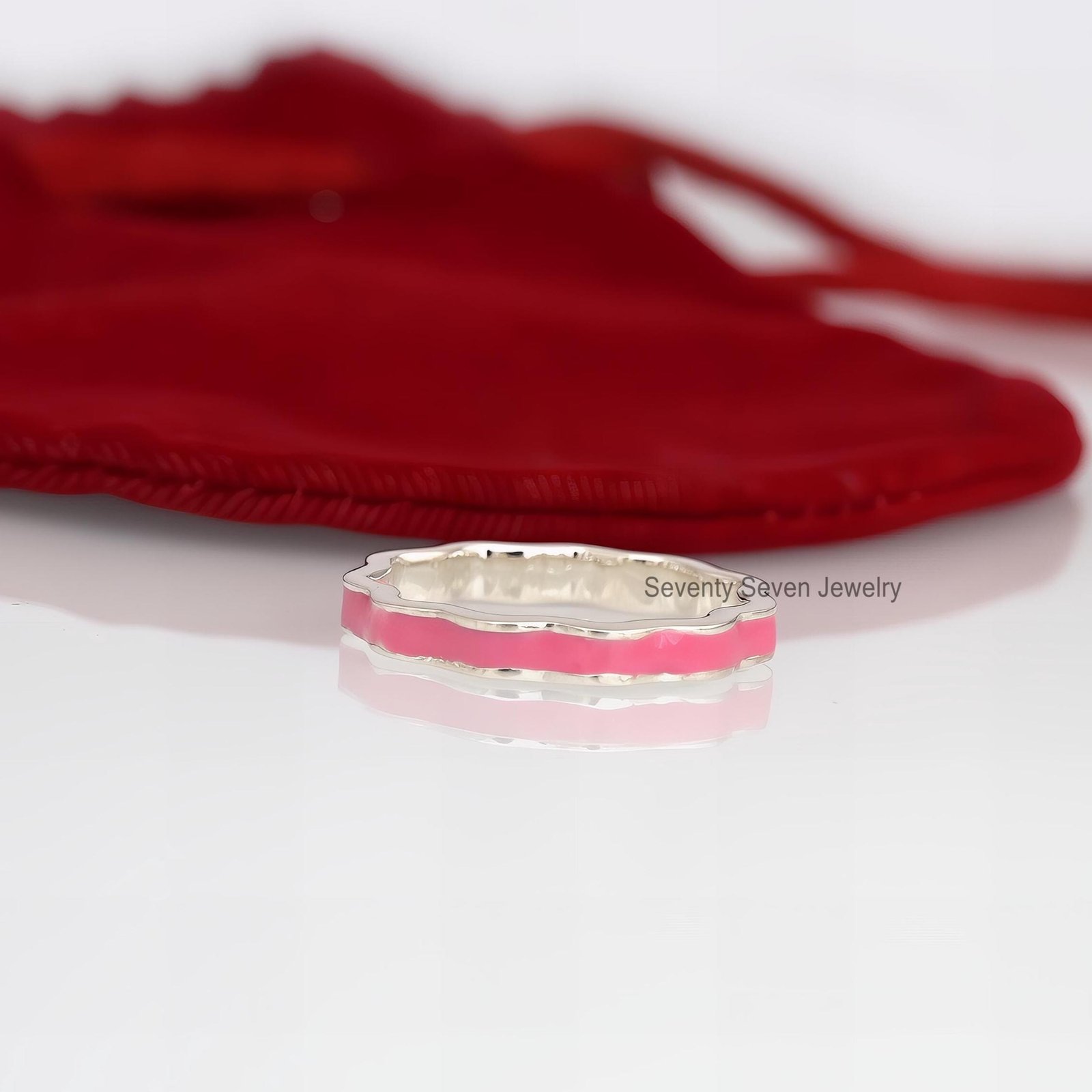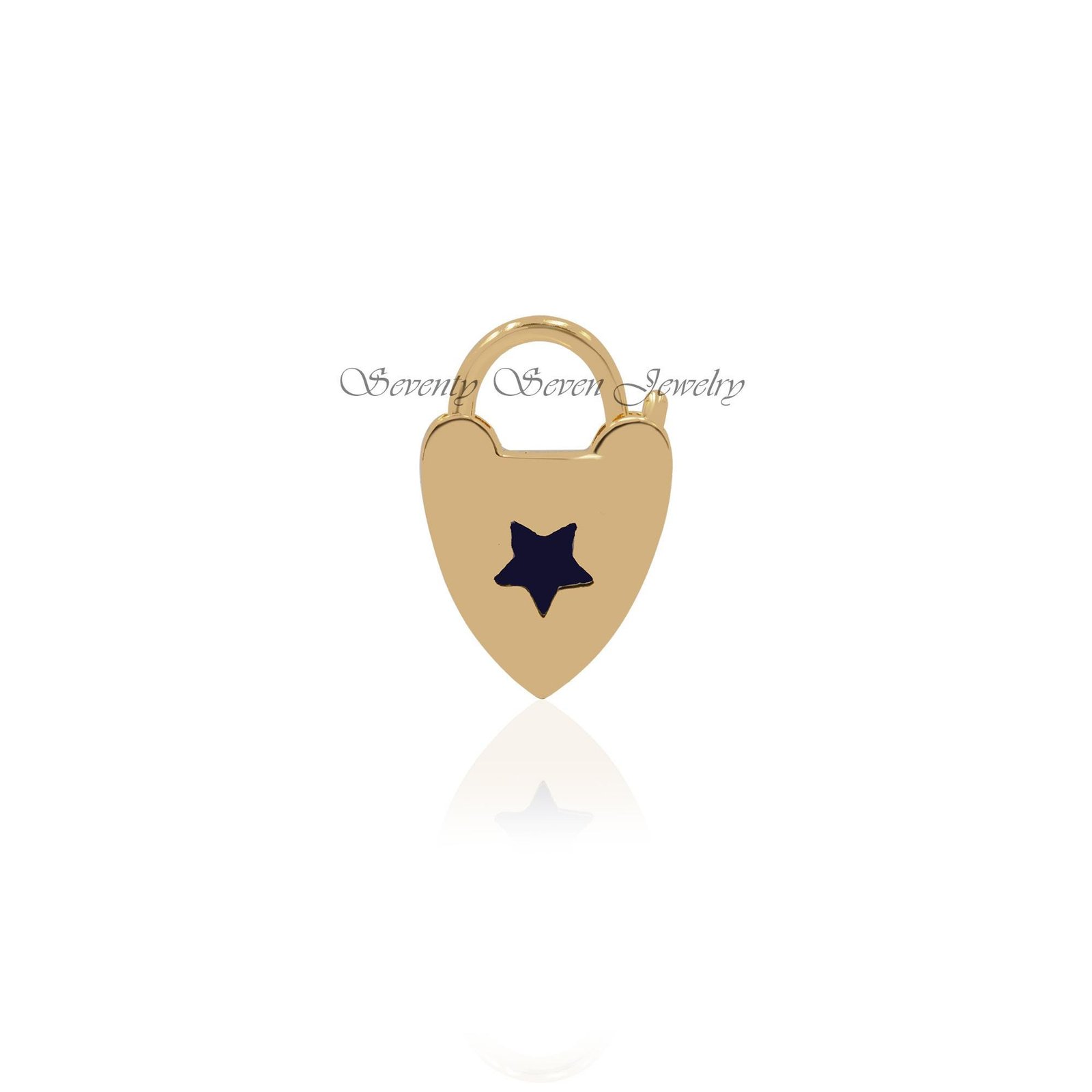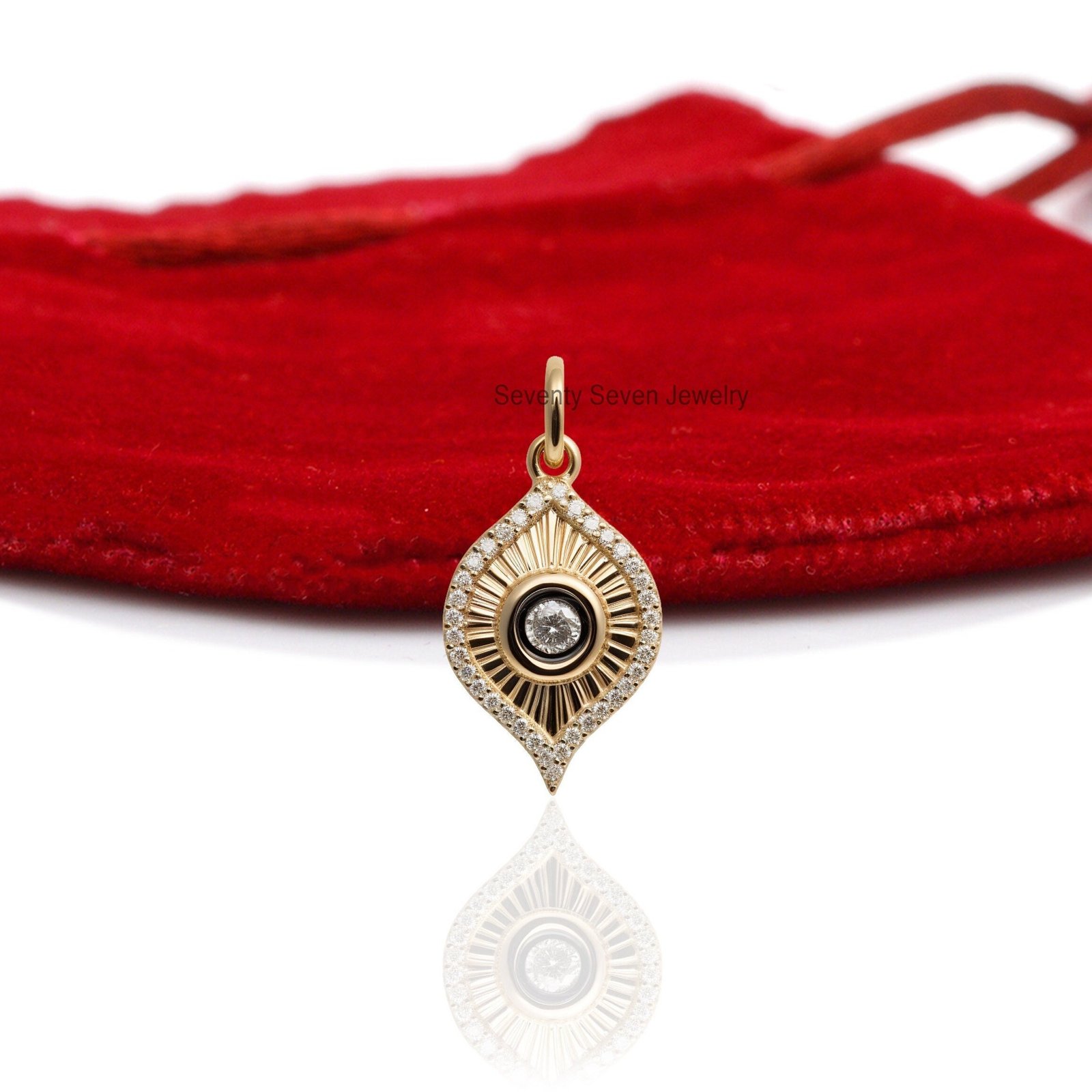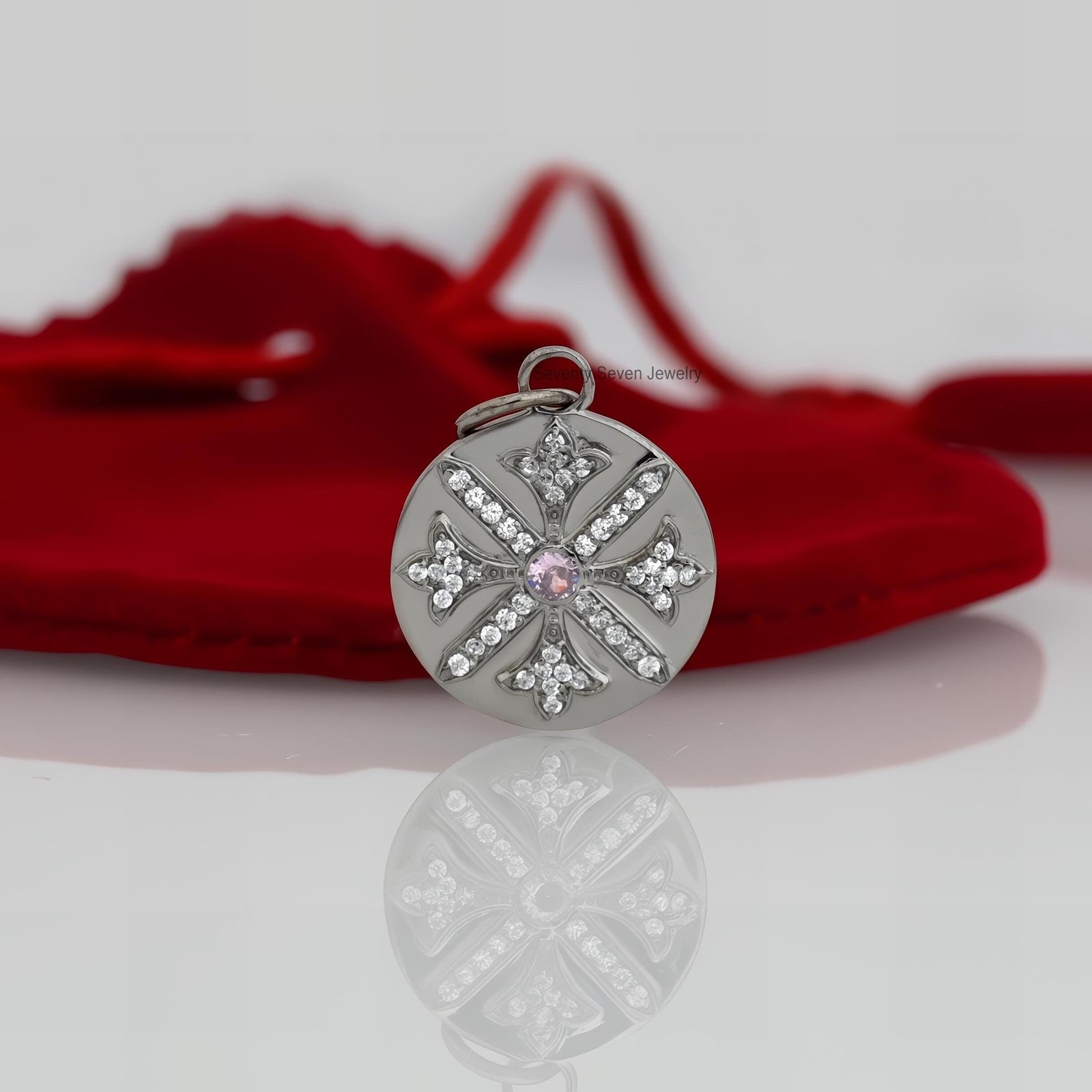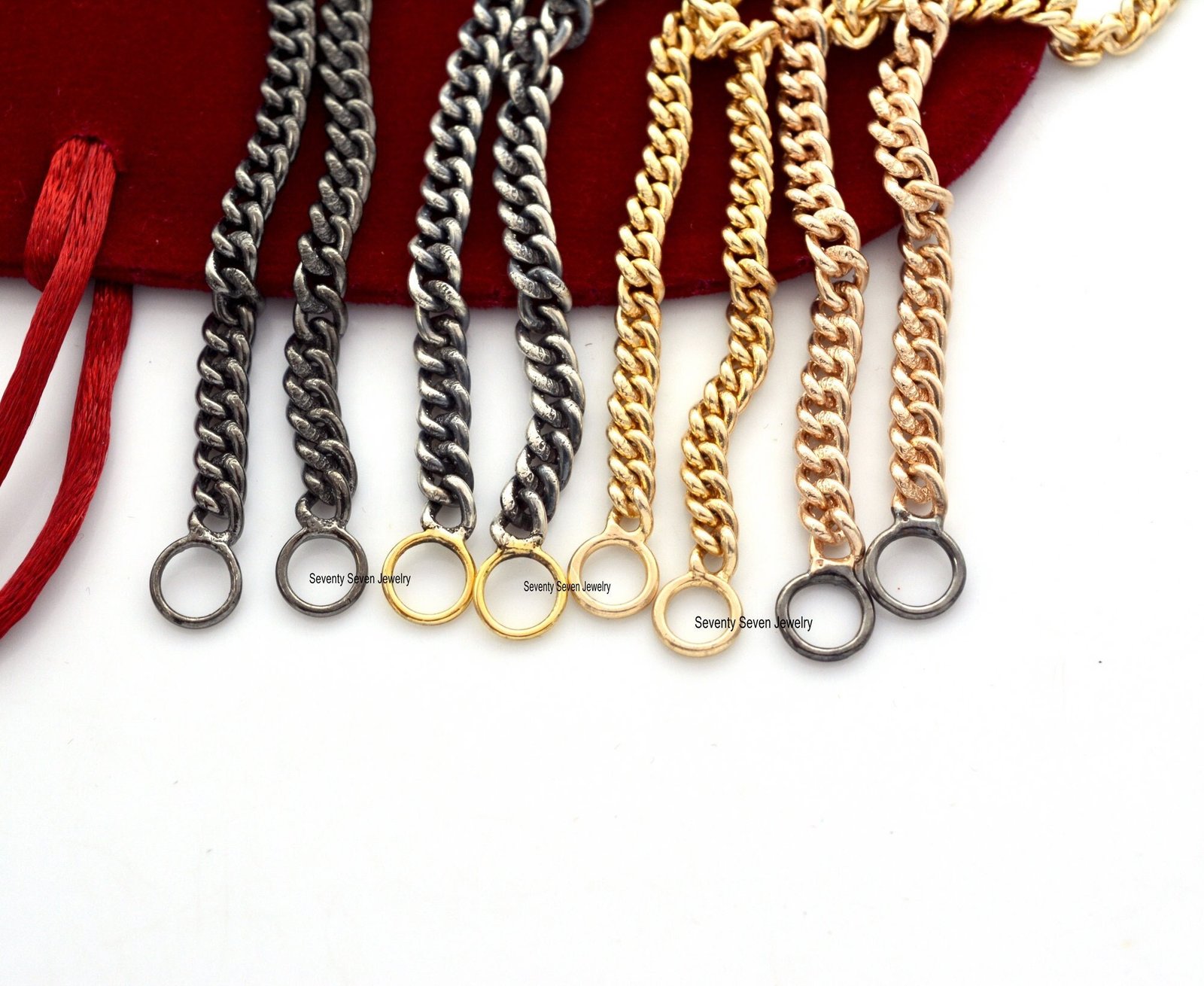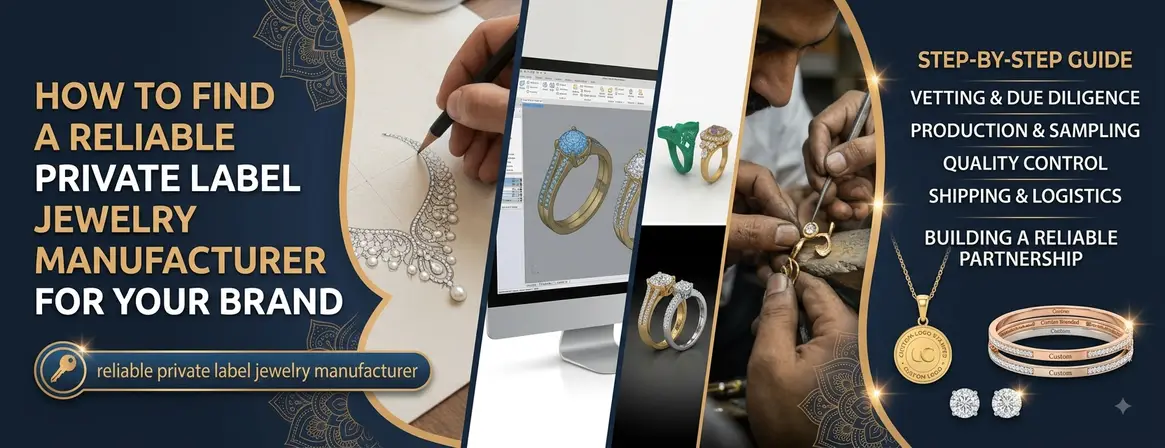
Launching a jewelry brand is not mainly a search for the lowest unit price. It is a search for a factory that can reproduce your design, quality and delivery standard across repeat orders. In more than a decade of manufacturing custom gold and silver jewelry, I have seen promising projects fail because the buyer approved a beautiful first sample but never fixed the production specification, acceptable tolerances or responsibility for rejected pieces.
A dependable private label partner should be evaluated as a production system—not as a collection of product photographs. The essential questions are: Who owns the design? Which work is completed in-house? What exactly does the MOQ cover? How are metal purity, gemstone identity, dimensions, plating and finishing checked? What happens when a piece fails inspection? How quickly can the factory repeat the approved sample six months later?
This guide does not present an unsupported “number one to number ten” ranking. Manufacturers are better shortlisted by buyer fit: small-batch custom development, OEM/ODM capability, diamond or lab-grown expertise, carved gemstone work, or export-scale production. Every brand should verify current terms directly before paying a deposit.
What private label jewelry manufacturing actually means
Private label manufacturing means a factory produces jewelry that is sold under the buyer's brand. The service may include CAD development, molds, casting, stone setting, polishing, plating, hallmark coordination, logo engraving, packaging and export documentation. The label alone does not prove that all these stages are controlled by one company.
OEM and ODM are related but different. In an OEM project, the buyer normally supplies the design or technical brief and the manufacturer develops it for production. In an ODM arrangement, the supplier may offer an existing design base that the buyer adapts with metal, stones, finish, logo or packaging. Ask which route applies, who owns the CAD and molds, and whether the same design can be sold to another customer.
Start with a written manufacturing brief
Before contacting suppliers, prepare one controlled specification for every design. It should include front, side and back views; finished dimensions; target weight or permitted range; metal and fineness; stone type, shape, size, quantity and grade; plating color and thickness; surface finish; clasp, post or chain specifications; logo position; packaging; order quantity; target market; and required compliance documents.
If three factories quote three different briefs, their prices are not comparable. A lower quote may be based on less metal, lighter stones, thinner plating, outsourced setting or packaging that is not included. Ask each supplier to return a line-item quotation showing CAD, mold, sample, unit production, stone, plating, hallmark or laboratory report, packaging, freight, duties responsibility and payment fees separately.
Use Jewelslly to build a buyer-fit shortlist
Jewelslly is a B2B discovery marketplace that lets buyers filter supplier profiles by location, material, capability and MOQ, then contact suppliers directly. The platform currently describes manually reviewed supplier profiles, zero buyer commission and one-click inquiry options. A profile is a useful starting point, but commercial and technical terms must still be confirmed in writing for the exact design.
The following examples show how to read published data without turning it into an artificial ranking.
Supplier and location | Published status and specialization | Published commercial data | What the buyer must confirm |
|---|---|---|---|
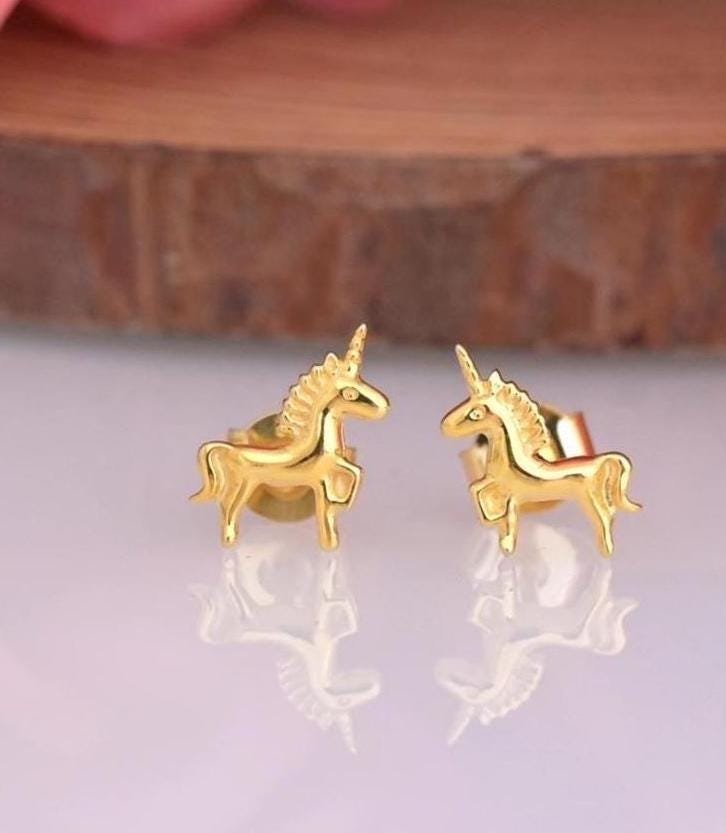
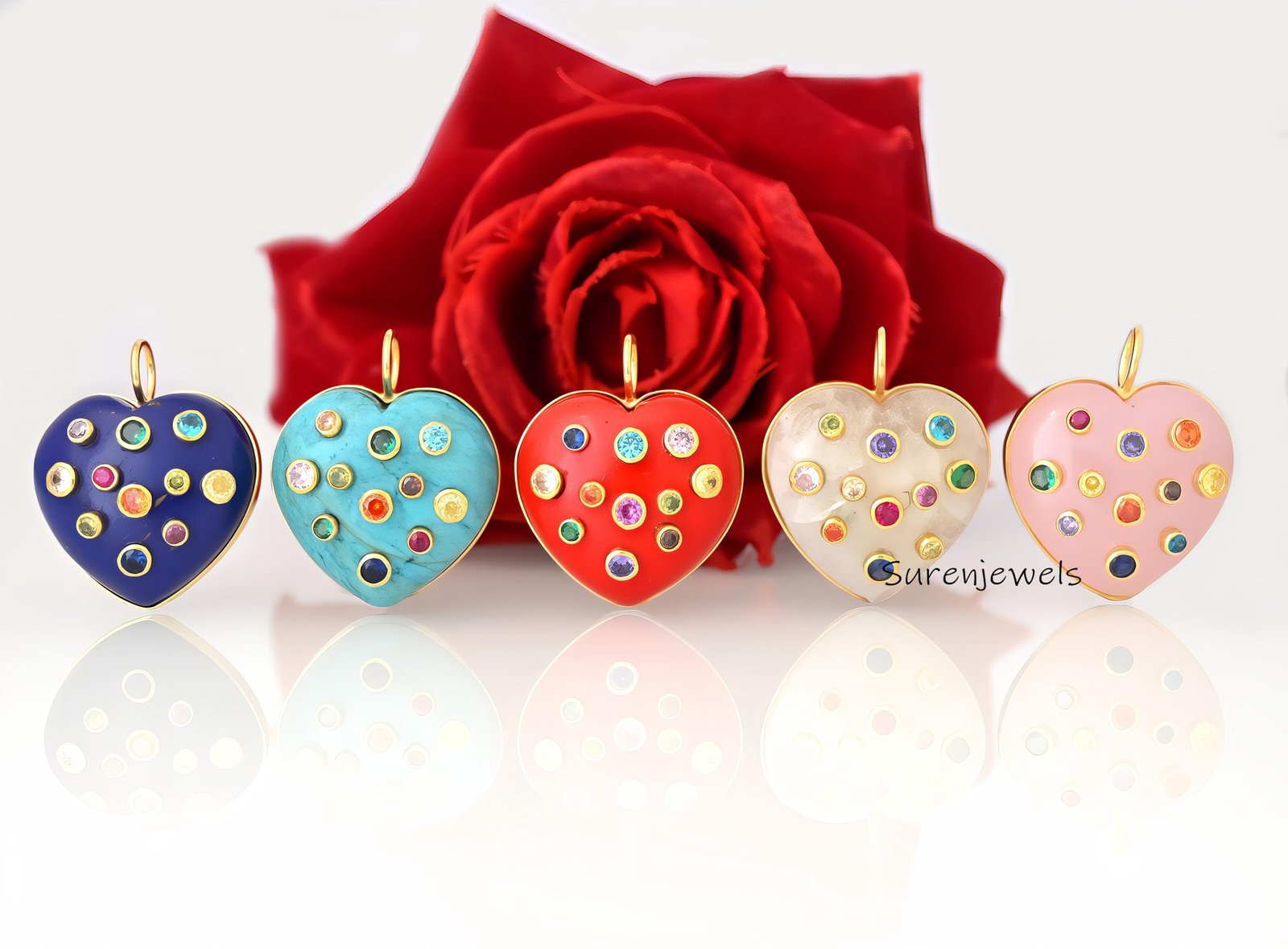
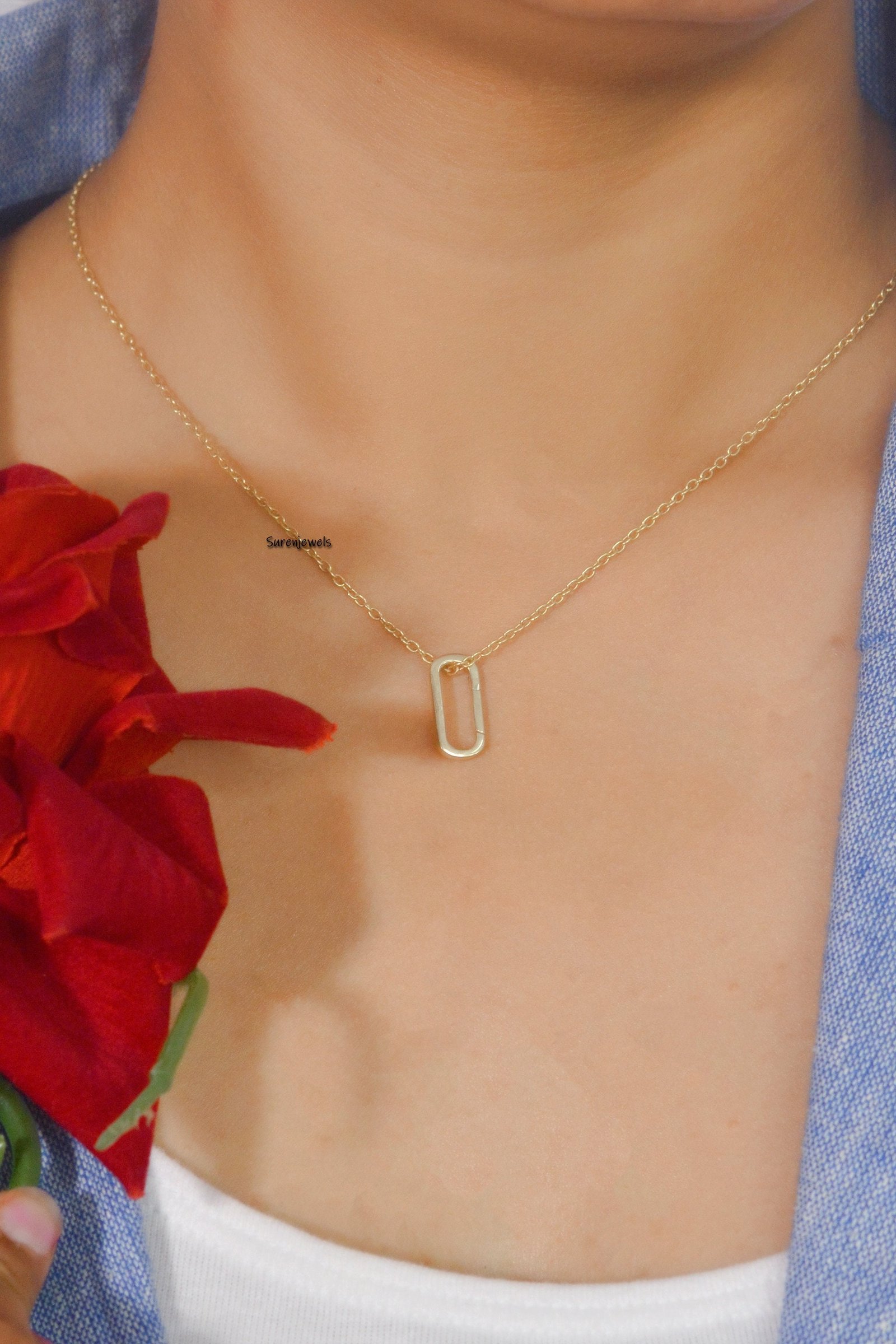
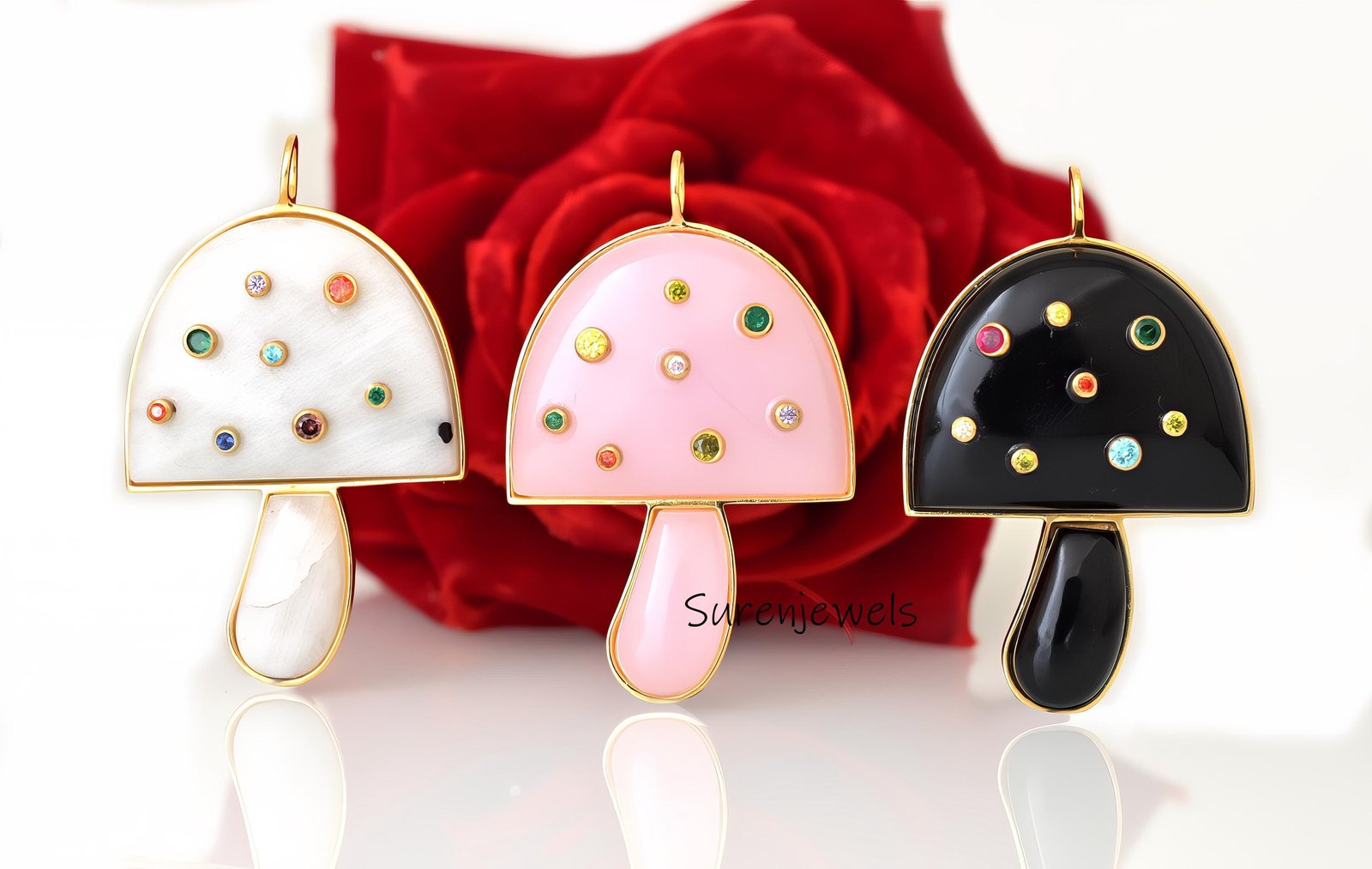
Suren Jewels, Jaipur listing | Verified manufacturer; carved gemstone jewelry; custom, private label, white label and OEM/ODM; ships worldwide | Selected catalog products show MOQ bands of 1–10 pieces; PayPal, Payoneer and Wise; DHL, FedEx and UPS | Exact MOQ per design, metal options, NDA scope, in-house stages, sample timeline, packaging and export documents |
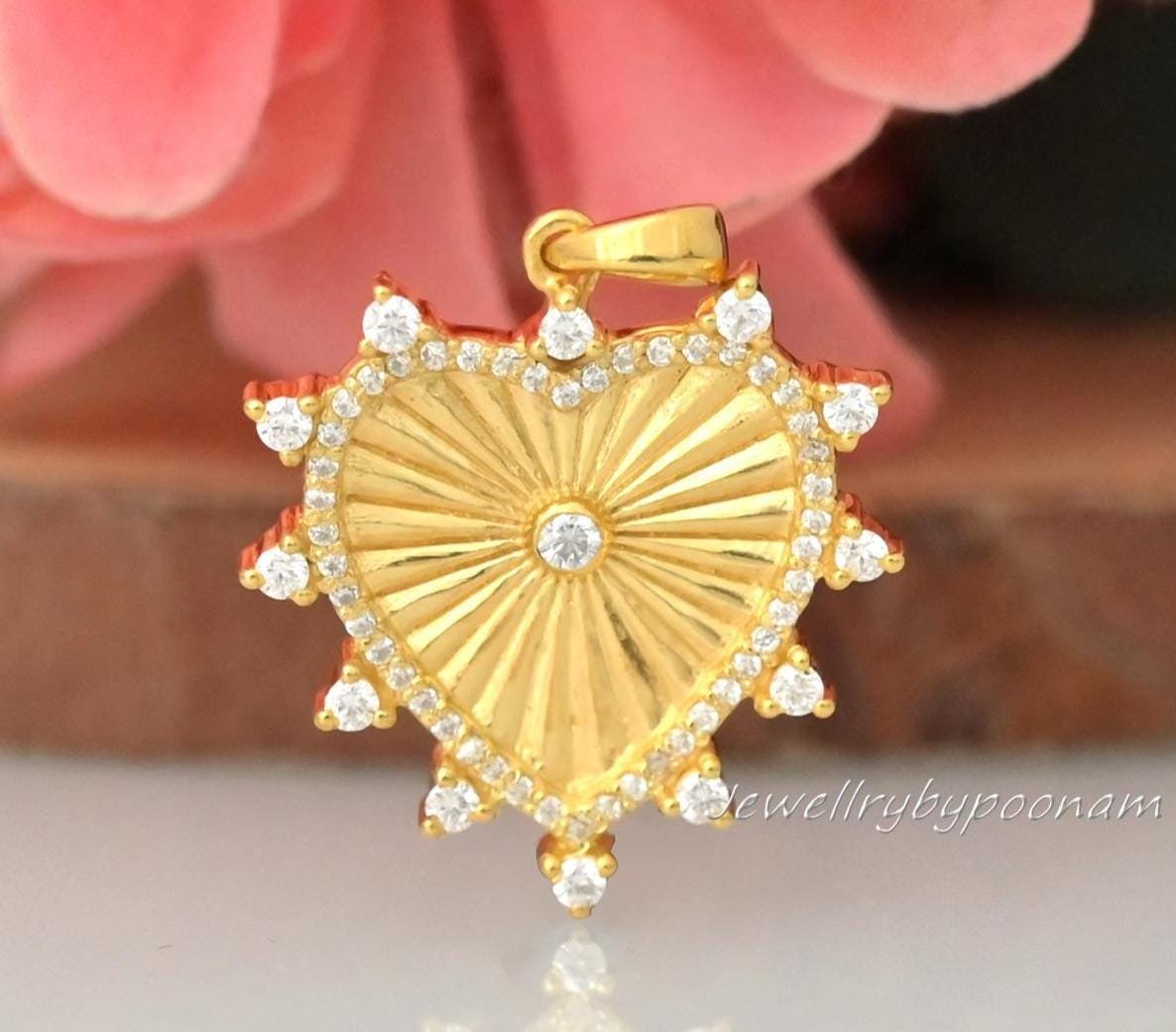
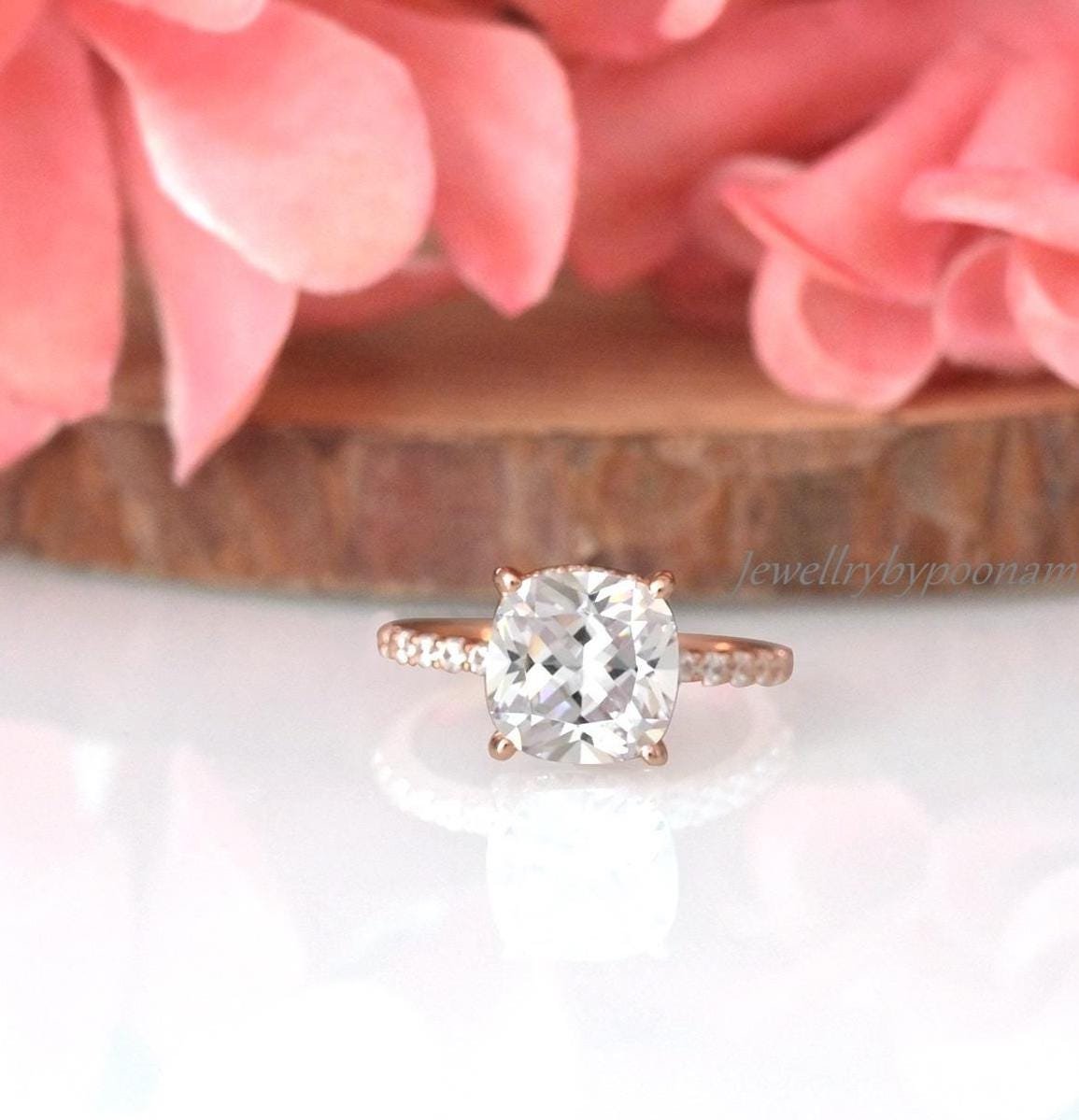
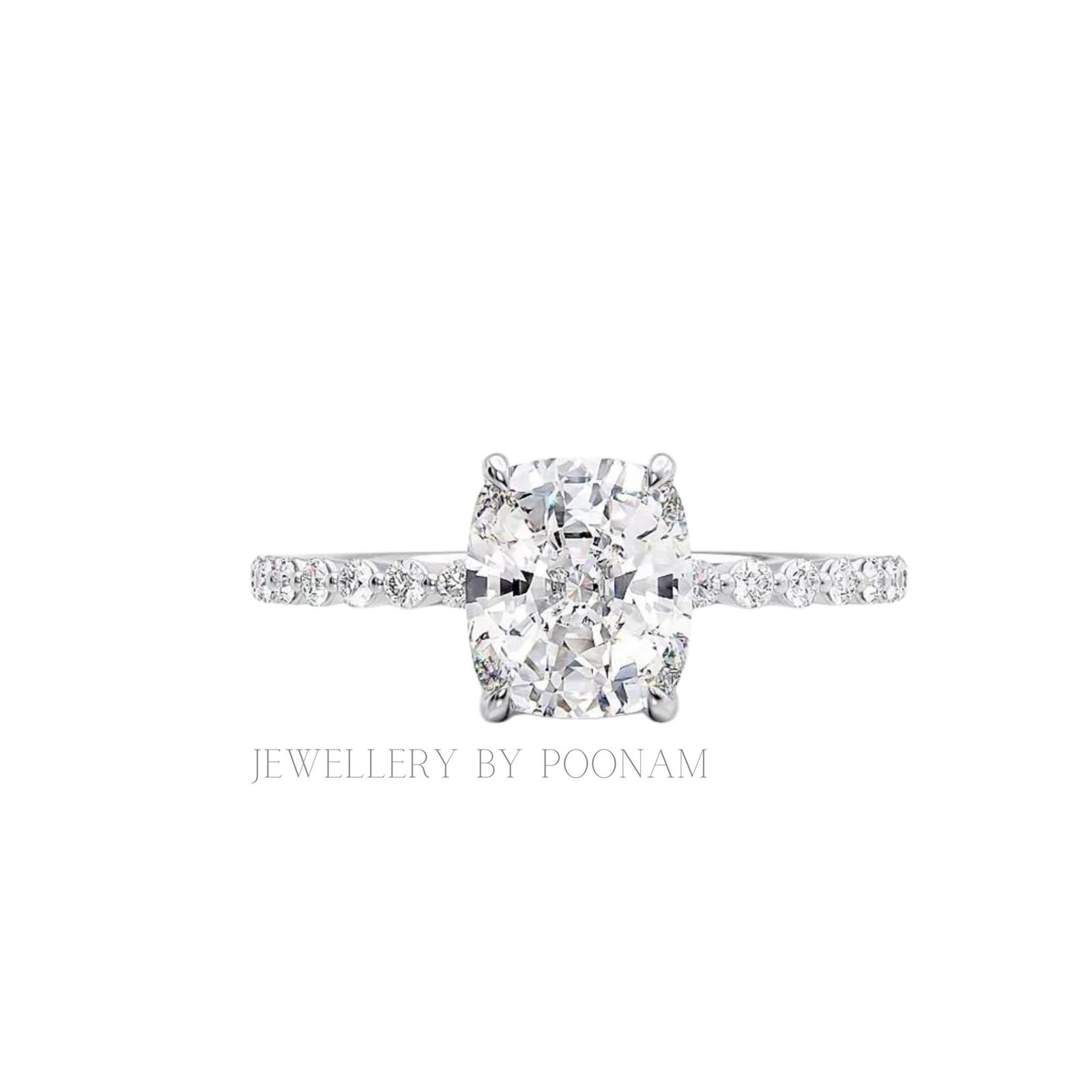
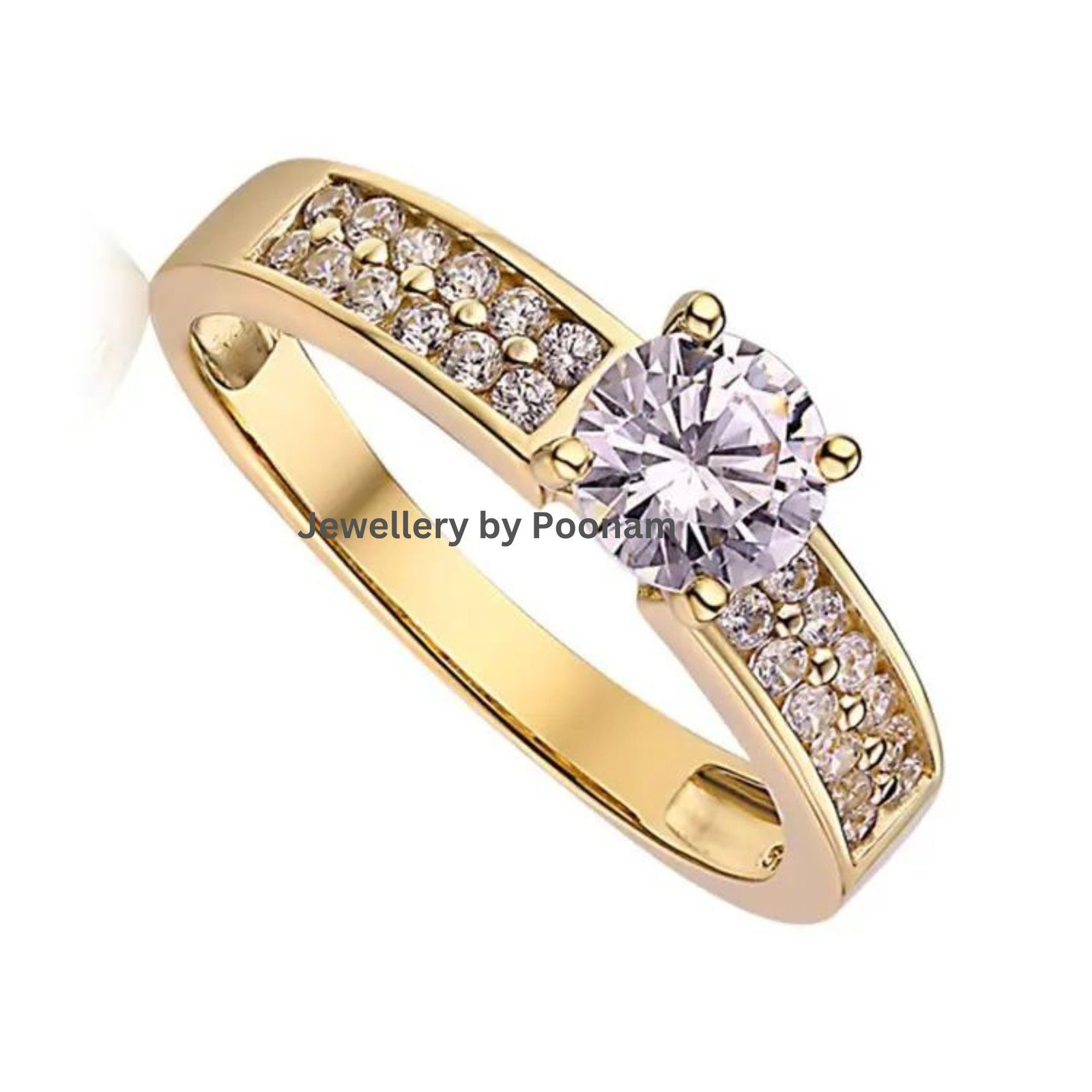
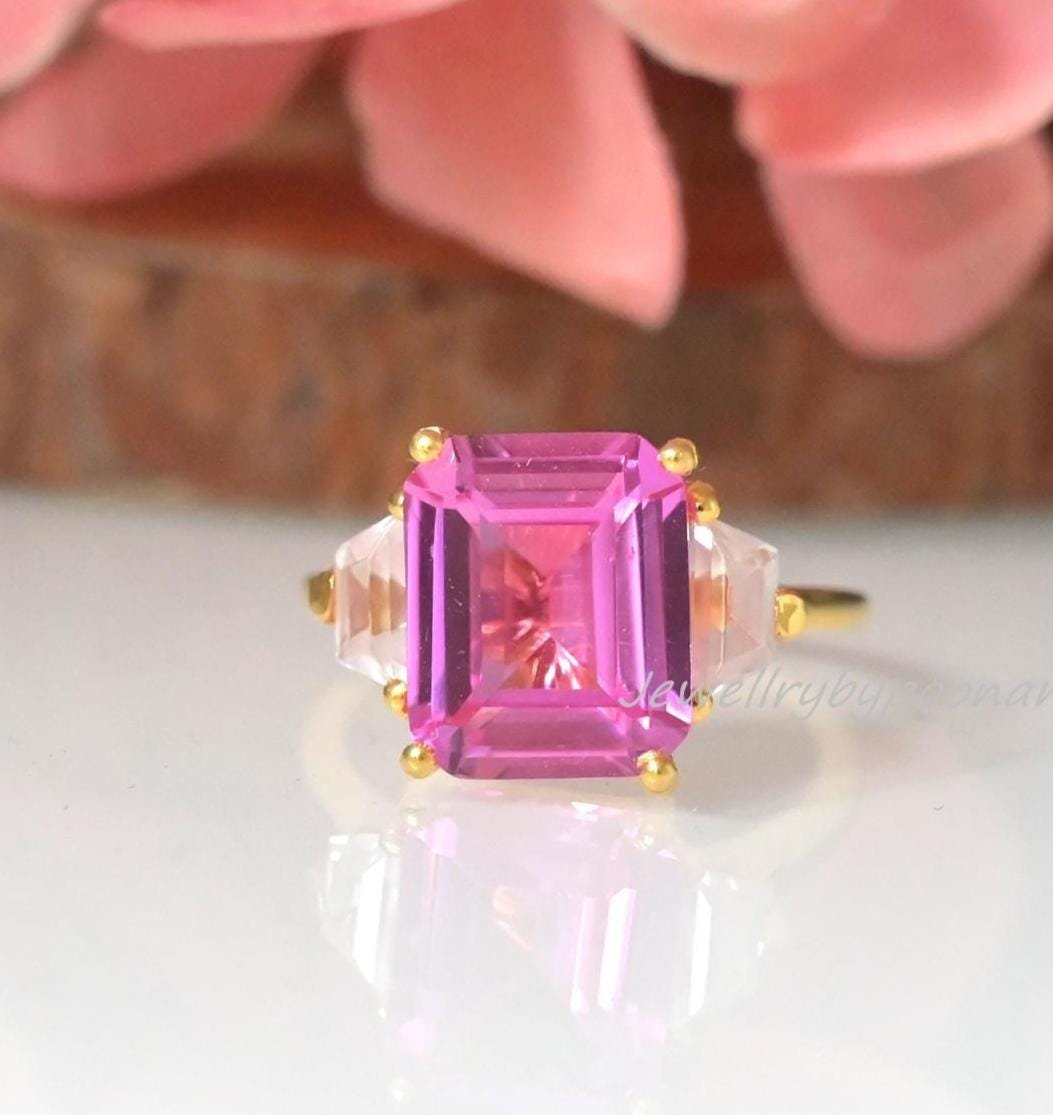
Jewelry By Poonam, Suratgarh, India | Verified manufacturer; gold and diamond wedding jewelry; custom orders; ships worldwide | Catalog includes 925 silver, 9K/14K gold, moissanite, CZ and gemstone styles; PayPal/Payoneer; DHL/FedEx | MOQ, private-label packaging, NDA, CAD ownership, production stages, stone grading and lead time are not publicly stated on the reviewed profile |
Maroth Jewels, Jaipur, India | Manufacturer, supplier and exporter focused on custom/private-label gold and silver jewelry | Official request page publishes CAD at 3–4 working days, sample production at 25–30 days, bulk production at 30–40 days and worldwide shipping at 4–7 days; NDA and logo engraving available on request | Confirm design-specific MOQ, current metal/stone price, QC plan, packaging, certification and shipment terms in the quotation |
For a direct Jewelslly inquiry, open the relevant supplier profile and select Send Inquiry; the marketplace promotes direct WhatsApp contact where the supplier has enabled it. For Maroth Jewels, buyers may use the custom quotation form or WhatsApp inquiry. Never treat a profile badge as a substitute for sample approval, contract review and payment due diligence.
A seven-step supplier verification process
- Verify the legal business. Request the registered company name, full factory and billing address, tax or company-registration details, export registration where applicable, bank-beneficiary name and the name of the person authorized to sign the manufacturing agreement. A mismatch is a reason to pause.
- Ask for live production evidence. Request a scheduled video walkthrough or dated photographs showing CAD, wax/resin, casting, filing, setting, polishing, plating and QC. Clarify which stages are subcontracted and who is responsible for defects from those vendors.
- Run a paid development sample. A serious sample should use the intended metal, stones, finish, logo and packaging. Prototype materials can prove shape, but they cannot prove production plating, stone setting or final wear performance.
- Create a golden sample. Sign or photograph the final approved sample, give it a revision number and attach the approved CAD, dimensions, weight tolerance, stone map, finish and packaging specification. Both parties should retain the same reference.
- Place a controlled pilot order. Start with enough pieces to test consistency across casting, setting and finishing. Inspect the pilot statistically or piece by piece before increasing volume.
- Test communication under change. Introduce one documented revision and observe whether the factory confirms its effect on price, mold, sample and lead time. Reliable change control predicts repeat-order performance.
- Use milestone payments. Link payments to agreed deliverables such as CAD approval, sample approval, production completion and pre-dispatch inspection. Payment structure should be written into the purchase order.
What is the minimum order quantity?
MOQ is not one universal number. Ask for sample quantity, MOQ per design, MOQ per metal or color, total order value and repeat-order MOQ separately. A supplier may advertise 1–10 pieces for catalog products but require a different quantity for a new mold, calibrated stones or branded packaging.
From a manufacturing perspective, MOQ absorbs setup work: CAD, mold or tooling, casting tree preparation, alloying, stone sorting, plating-bath setup, QC and packing. Small brands should negotiate a paid sample plus a small pilot instead of forcing an uneconomic production price. Confirm whether mixed sizes or plating colors count toward the MOQ and whether unused branded packaging must be purchased upfront.
Does the manufacturer accept custom designs?
Ask what inputs are accepted: sketch, reference image, STL, CAD, technical drawing or physical sample. Then establish who owns the resulting CAD, resin master and mold. A custom-order claim is meaningful only when the supplier can explain revision limits, design-for-manufacture changes, sample approval and repeat-order control.
Do not send your entire unreleased collection during initial qualification. Begin with one representative design and share additional files after the NDA and commercial fit are clear.
Is CAD, mold making and sampling completed in-house?
In-house work can improve speed and accountability, but outsourcing is not automatically poor practice. The risk is undisclosed handoffs. Ask for a stage-by-stage matrix naming where CAD, printing, mold cutting, casting, stone cutting, setting, polishing, plating, hallmarking, laboratory certification, QC and packing occur.
For CAD approval, examine dimensions, stone seats, wall thickness, prongs, hinge movement, logo clearance and estimated weight—not only the rendered beauty image. Record the CAD version. Any revision after approval should create a new version and updated price or schedule if required.
Which metals and gemstones are available?
Require exact terminology: 925 sterling silver; 9K, 10K, 14K, 18K or 22K gold; platinum alloy; natural diamond; laboratory-grown diamond; moissanite; cubic zirconia; natural, treated, synthetic or composite colored gemstone. Market-facing claims must match the destination country's rules.
For the United States, the FTC Jewelry Guides address claims for precious metals, diamonds, laboratory-created and imitation stones, pearls and other jewelry products. For Indian hallmarking, the Bureau of Indian Standards publishes jeweller-registration and hallmark information. Ask the manufacturer which assay, hallmark, gemstone report or chain-of-custody documents can be supplied for your target market.
Does the manufacturer sign an NDA?
A useful NDA defines confidential information, permitted recipients, purpose, duration, ownership, return or deletion of files, remedies and governing law. It should cover CAD, drawings, molds, samples, pricing, customer information and launch dates. Also include a manufacturing agreement clause stating whether the factory may display or resell the design.
An NDA does not replace access control. Watermark early files, limit distribution, use revision numbers and maintain a disclosure log. Confirm whether subcontractors are bound by equivalent confidentiality terms.
What is the sample and production lead time?
Request a timeline by milestone: quotation, CAD, revisions, resin or wax, metal sample, approval, production, external certification, final inspection and dispatch. Lead time should begin only after a defined event such as deposit receipt, final CAD approval and material confirmation.
Published timelines are evidence of a supplier's stated process, not a guarantee for every design. Complex mechanisms, custom-cut stones, new molds, large assortments, hallmarking, laboratory reports and peak-season capacity can extend the schedule. Add an approval-response deadline for the buyer as well.
Does the company offer private-label packaging?
Packaging may be supplied by the factory or a specialist vendor. Confirm box dimensions, insert material, pouch, care card, barcode, SKU label, country-of-origin marking, outer-carton protection, minimum print quantity, unit cost, tooling cost and ownership of unused inventory.
Approve a packed shipping sample, not only a box photograph. Earrings can bend, chains can tangle and plated surfaces can rub during transit when inserts are poorly designed. Also confirm whether packaging is included in the quotation and whether its weight changes freight charges.
How is jewelry quality inspected?
A professional QC plan converts “good quality” into measurable acceptance criteria. At minimum, define metal and finished weight tolerance, principal dimensions, stone count and alignment, prong security, solder cleanliness, clasp function, chain length, logo position, surface finish, plating color or thickness where specified, hallmark or assay evidence, and packaging accuracy.
Inspection should occur during production as well as at the end: first-piece approval after casting, setting checks before polishing, finish checks before plating and final piece-by-piece or agreed sampling inspection. Ask for a pre-dispatch report with photos, quantity, rejected units and corrective action. The purchase order should say whether defective pieces are repaired, remade, credited or replaced and who pays the associated freight.
Can the manufacturer export worldwide?
“Ships worldwide” should be tested with operational questions. Ask which countries the supplier has shipped to, which courier or insured logistics provider it uses, whether it can prepare a commercial invoice and packing list, how HS codes and origin are handled, and whether the quotation is EXW, FOB, CIF, DAP or DDP.
Confirm who is importer of record and who pays duty, tax, customs brokerage, insurance and return freight. For Indian sourcing, GJEPC is the trade body supported by India's Ministry of Commerce and publishes export guidance and statistics. A brand should still obtain destination-specific customs and legal advice before launch.
How can buyers request a quotation?
Send one structured request containing:
- Company, website and destination country
- Design files or reference link with revision number
- Metal, fineness, color and target weight
- Stone specification and certification requirement
- Quantity per design, size and color
- Finish, plating thickness and anti-tarnish requirement
- Logo, hallmark and country-of-origin marking
- Packaging and barcode requirements
- Target sample date and bulk delivery date
- NDA, CAD ownership and mold-ownership requirements
- Required Incoterm, courier and insurance
Ask the supplier to reply with setup charges, sample cost, unit-price tiers, MOQ, payment schedule, lead time, validity period, included QC, rejection remedy and freight terms. Buyers can browse Jewelslly supplier profiles and use the profile inquiry option to contact shortlisted manufacturers directly.
Red flags that should stop or slow the order
- The company refuses to provide its legal name or factory address.
- The beneficiary bank account belongs to an unrelated person or company.
- The quotation omits metal fineness, stone specification, weight or finish.
- The supplier promises every metal, technique and delivery date without technical questions.
- Production begins before CAD or sample approval.
- The factory will not define defect responsibility or remake terms.
- Only edited catalog images are offered; no live production evidence is available.
- A large advance is demanded before the legal entity, sample and purchase order are verified.
- NDA, mold ownership or design exclusivity is promised verbally but excluded from the contract.
- Shipping is called “duty free” without a clear Incoterm and importer-of-record explanation.
Final manufacturer scorecard
Score each shortlisted factory from 0 to 5 on technical fit, sample accuracy, documentation, confidentiality, in-house control, communication, capacity, QC, export readiness and total landed cost. Weight technical fit and sample performance more heavily than catalog size or the lowest quotation.
The best manufacturer for a startup may be the one that accepts a paid low-volume pilot and communicates clearly. The best partner for a mature brand may be a factory with deeper compliance systems and scalable capacity. Buyer fit is the decision; a generic ranking is not.
Conclusion
A reliable private label jewelry manufacturer proves capability through documents, samples and repeatable process. Start with a complete brief, shortlist by specialization, verify the legal business and production stages, sign appropriate confidentiality and manufacturing terms, approve a golden sample, run a pilot and inspect before shipment.
Jewelslly can shorten discovery by organizing supplier profiles, materials, catalog products and direct inquiries in one place. Use that visibility to ask better questions—not to skip due diligence. The strongest long-term relationship is one in which the brand and manufacturer share the same specifications, approval history and definition of acceptable quality.