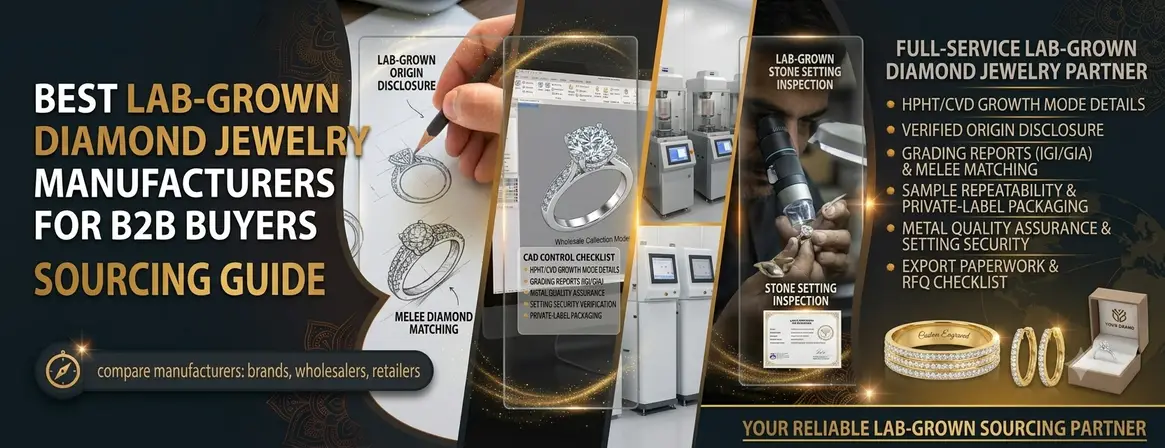
Lab-grown diamond jewelry has become one of the most active B2B categories because it lets brands offer larger looks, better price points and more repeatable supply than many natural diamond programs. But the sourcing risk is also higher. A buyer must confirm that the stones are disclosed correctly, identified by a credible laboratory where needed, matched consistently in production and set securely in the final jewelry.
After more than ten years around jewelry manufacturing, my advice is to treat lab-grown diamond jewelry as a technical sourcing category, not just a cheaper diamond option. The right manufacturer should understand CAD, casting, stone calibration, CVD and HPHT disclosure, melee sorting, setting, polishing, certification, packing and export documents. This article does not create an unsupported "1 to 10" ranking. It shortlists suppliers by buyer fit and explains what global buyers should verify before paying a deposit.
What B2B buyers mean by lab-grown diamond jewelry
A lab-grown diamond is a diamond created in a controlled laboratory environment, commonly by CVD or HPHT growth. It is different from cubic zirconia, glass, crystal or other diamond simulants. For B2B orders, this distinction must be clear in the quotation, invoice, product title, packaging card and online listing copy.
The Federal Trade Commission's Jewelry Guides apply to jewelry products including gemstones and their laboratory-created or imitation substitutes. FTC business guidance also warns that laboratory-created diamonds should be disclosed clearly so consumers do not think they are buying mined diamonds. Accepted wording normally includes terms such as "laboratory-grown" or "laboratory-created." For export buyers, this disclosure is not only a legal issue; it is a trust issue between the brand, the manufacturer and the final customer.
Why lab-grown diamond sourcing is different from natural diamond sourcing
Lab-grown diamond jewelry often has faster stone availability and lower stone cost, but that does not remove the need for quality control. In some ways, it increases the need for documentation because buyers may use the same design across many SKUs, metals and price points. A small mismatch in melee color, pavilion depth, stone size, inscription, treatment disclosure or setting tolerance can create returns at scale.
Buyers should separate four decisions:
- Stone origin: laboratory-grown diamond, natural diamond, moissanite, CZ or another simulant.
- Growth method: CVD, HPHT or not specified.
- Certification need: no report, supplier QC report, IGI/GIA/SGL/IGL style report, or batch verification for melee.
- Jewelry construction: 925 silver, 9K, 14K, 18K, 22K, platinum, vermeil or plated sterling silver.
Do not let a supplier quote "diamond jewelry" without a clear origin statement. If the design uses both lab-grown diamonds and natural colored stones, the quotation should disclose both correctly.
Buyer-fit shortlist from published supplier data
Jewelslly is a B2B jewelry sourcing marketplace where buyers can browse supplier profiles, product categories and inquiry options. The following shortlist uses supplier information visible on reviewed Jewelslly and manufacturer pages. It is not a quality ranking. Buyers should confirm every term directly against their design, quantity, metal, stone and destination market.
Supplier and location | Published status and lab-diamond fit | Published services visible in reviewed data | Buyer-fit interpretation |
|---|---|---|---|
Maroth Jewels, Jaipur, India | Custom jewelry manufacturer for global brands; page states sterling silver and solid gold work with lab diamond and genuine diamond jewelry. | Published custom request page lists worldwide shipping, CAD, sample/bulk timing, PayPal/Payoneer/Wise/bank transfer, NDA and logo engraving on request. | Strong fit for private-label custom lab-diamond jewelry where buyers need CAD, sampling, NDA and export-ready communication. Confirm current MOQ, certification option and production timing by RFQ. |
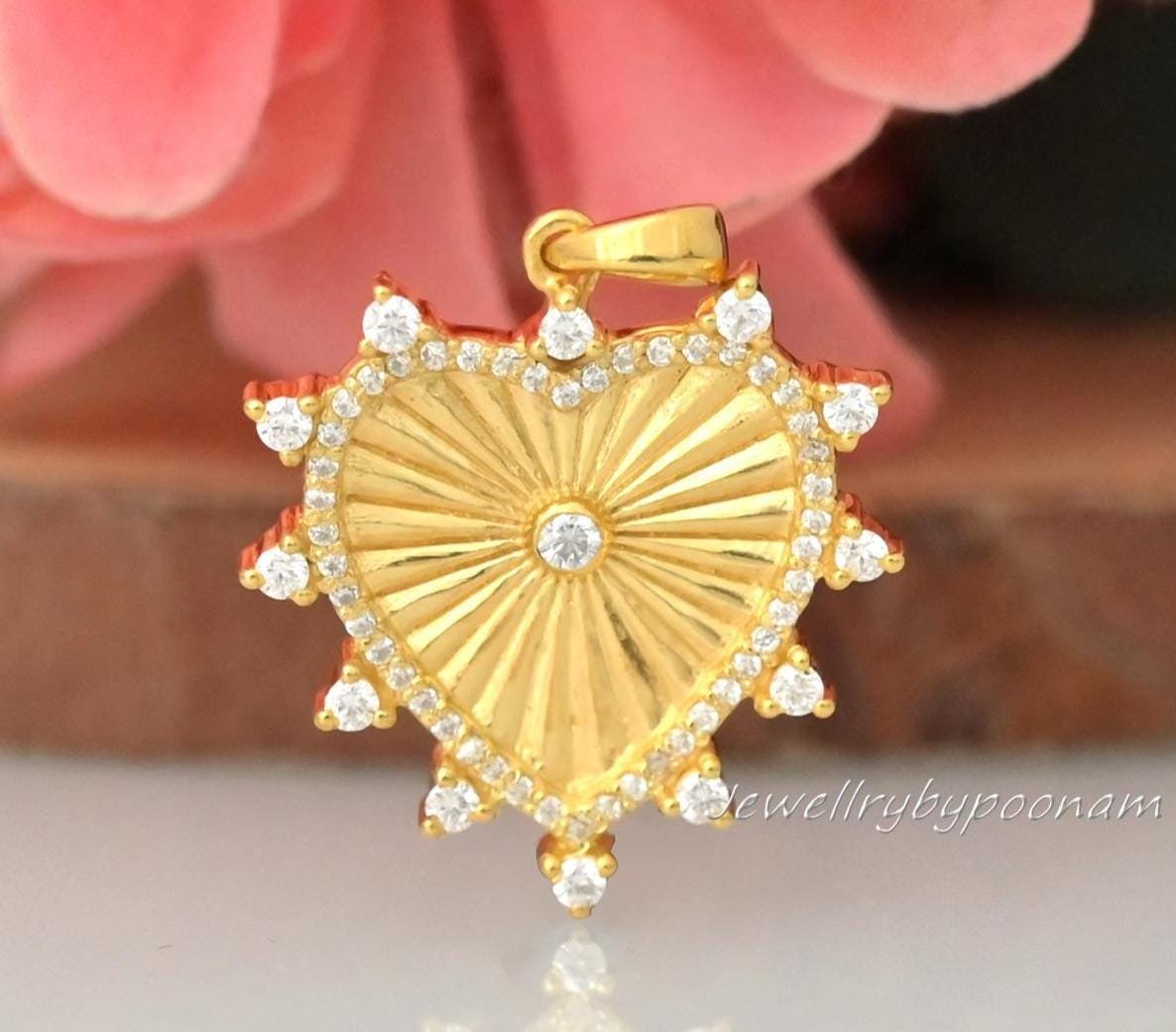
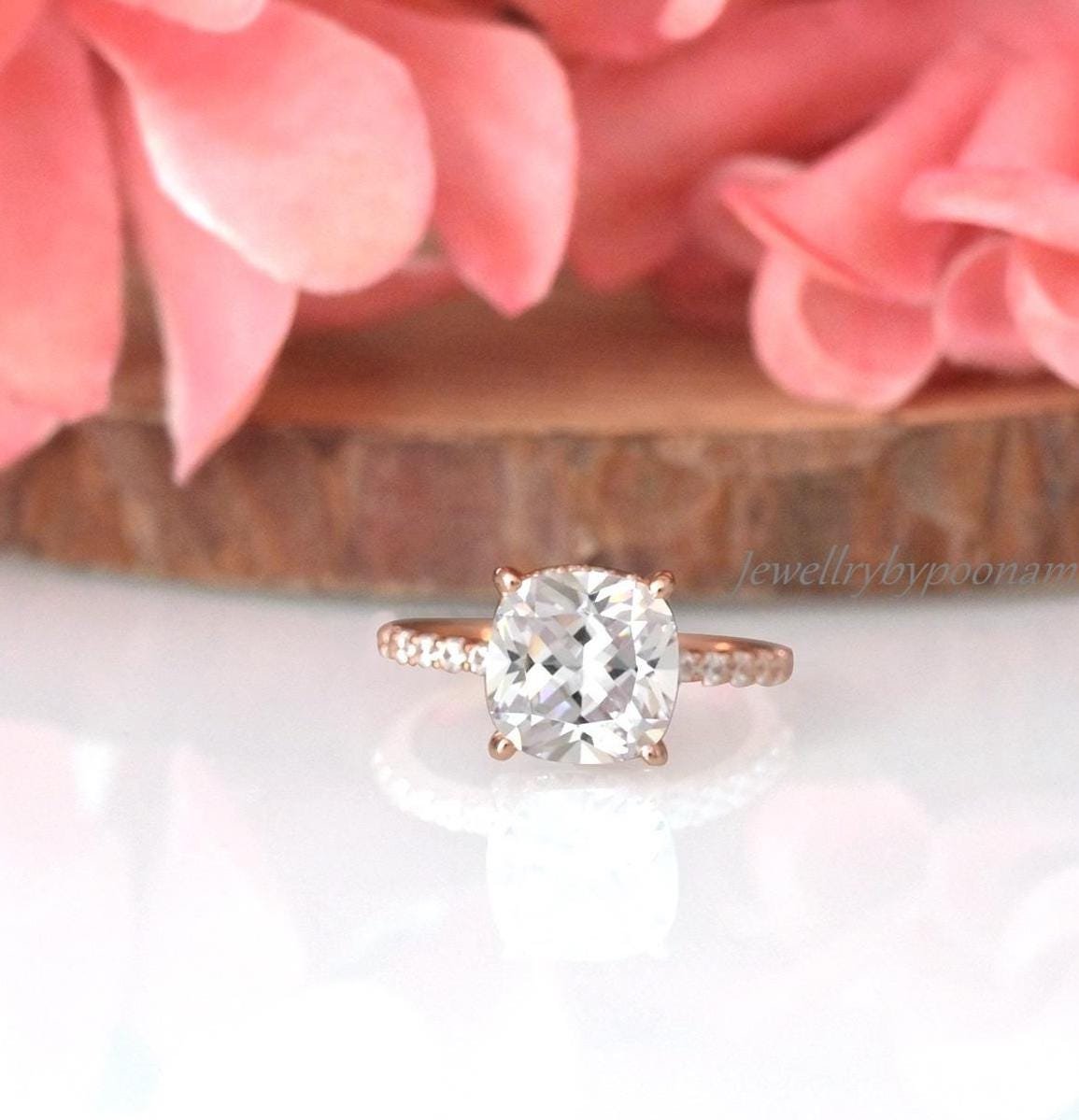
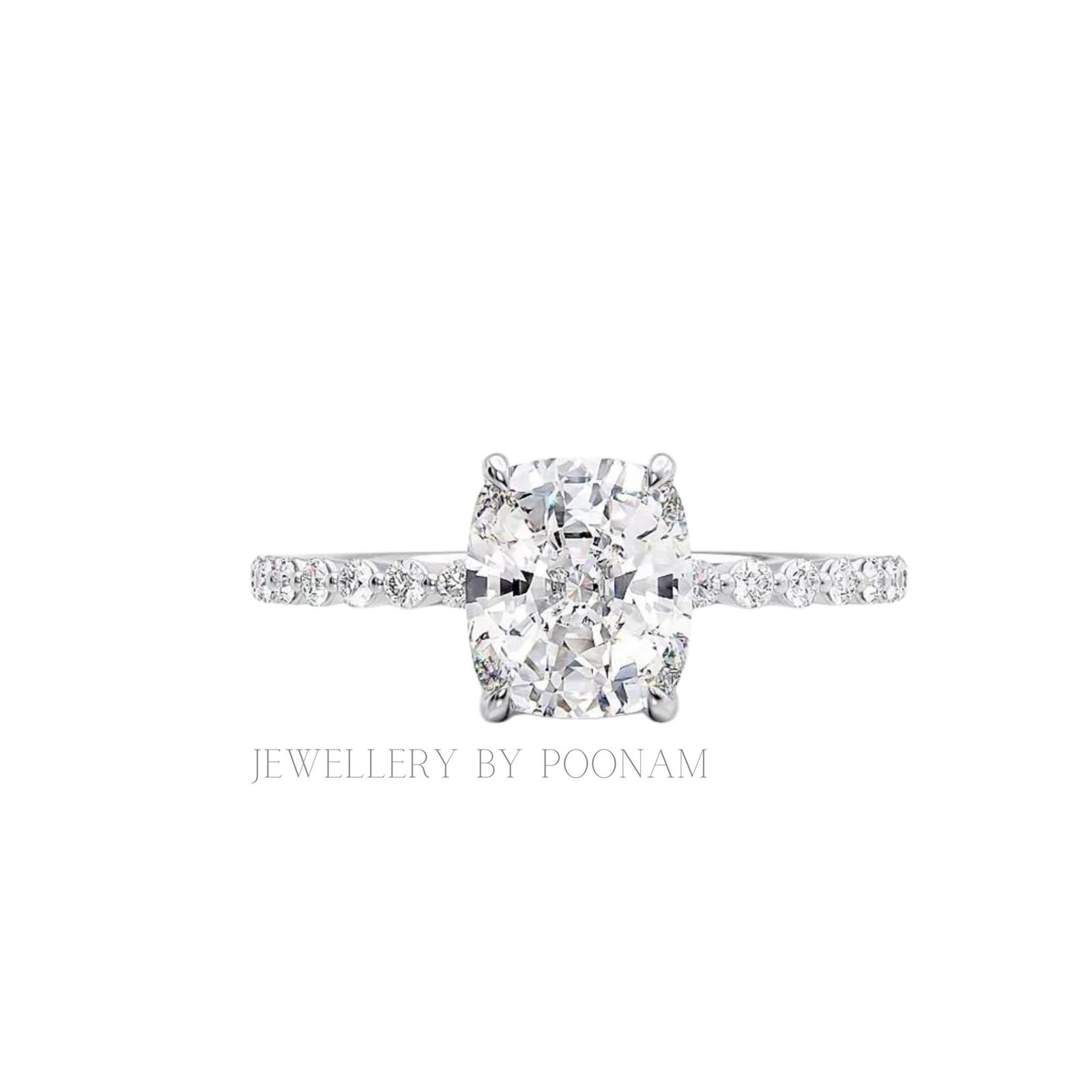
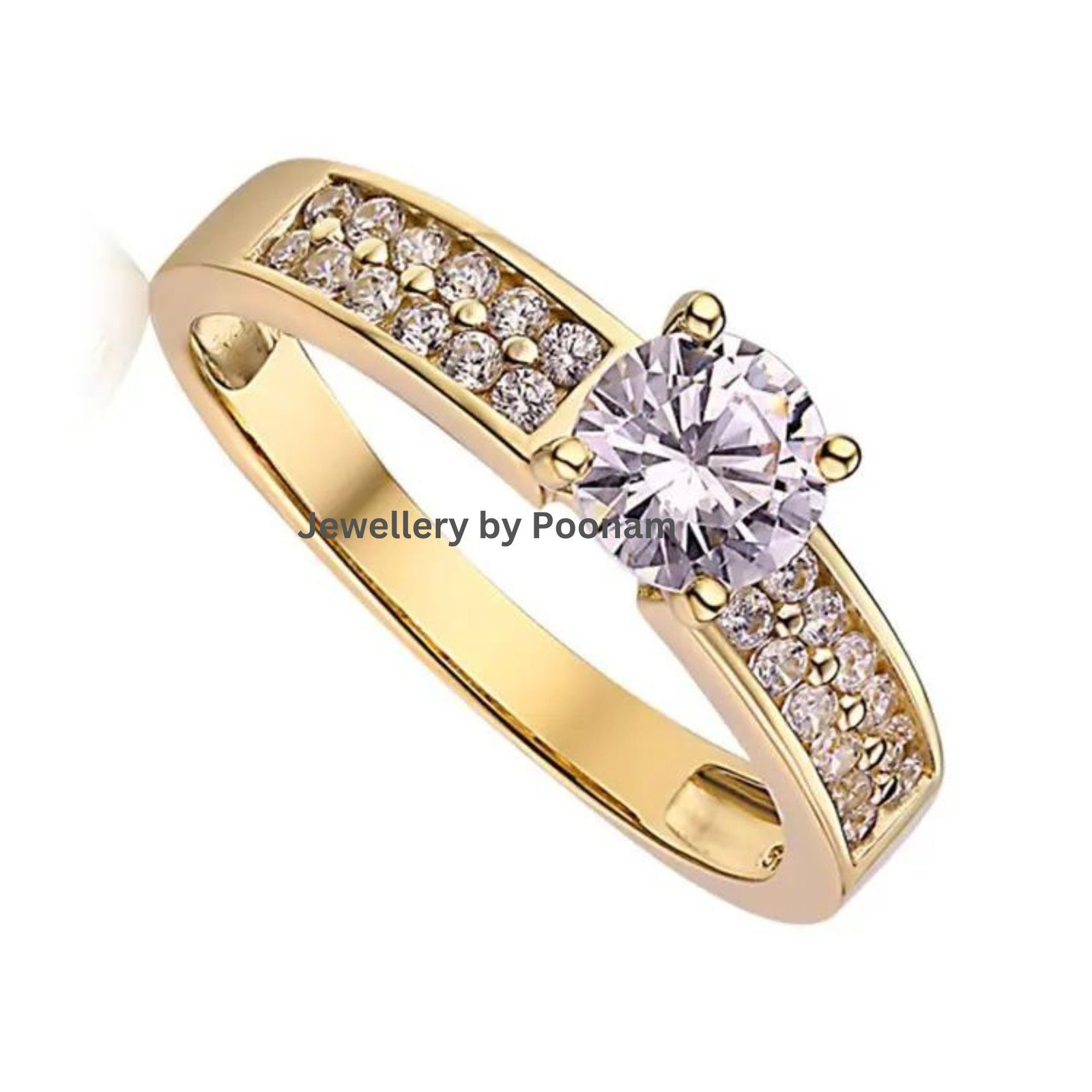
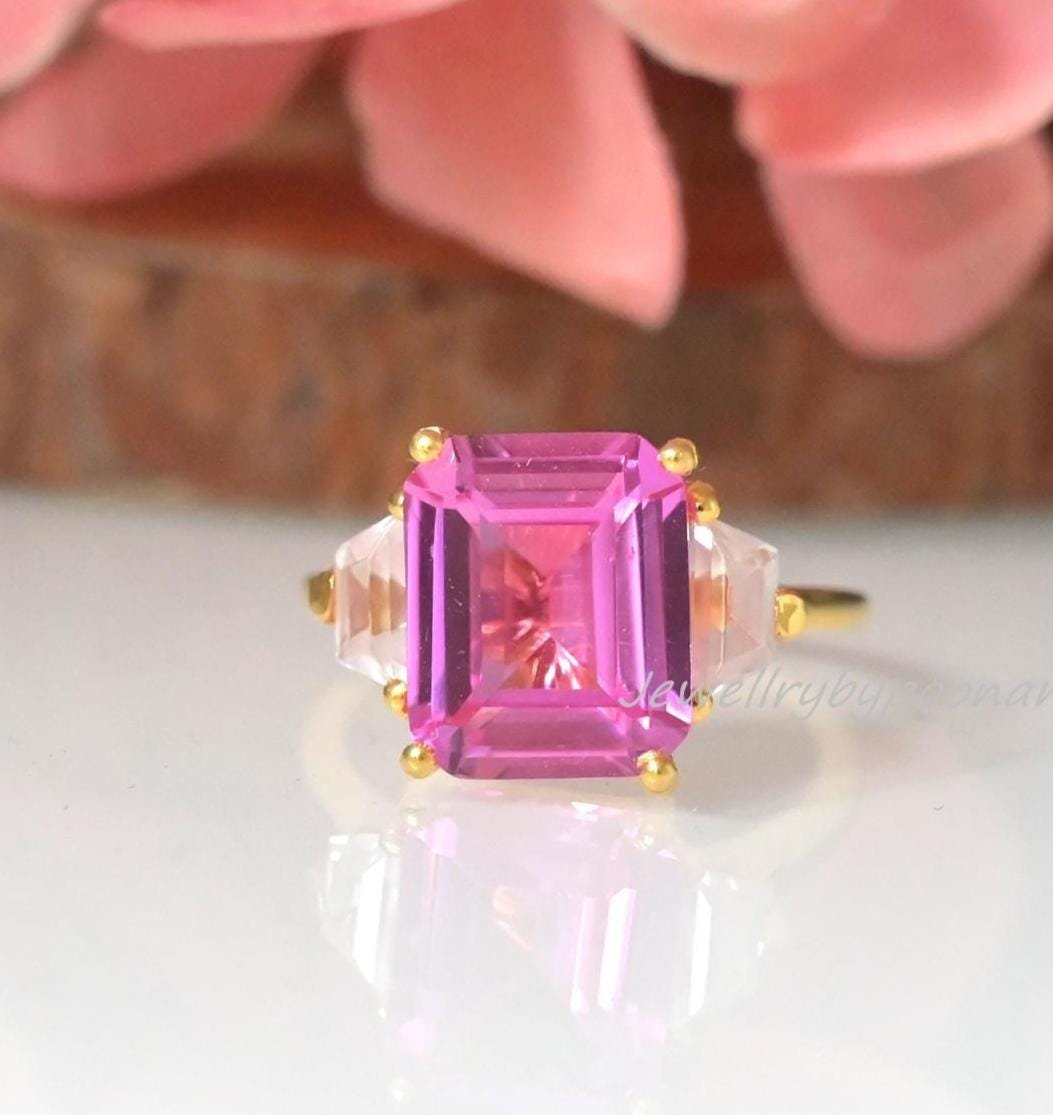
Jewelry By Poonam, Suratgarh, India | Verified manufacturer; gold and diamond wedding jewelry; catalog includes diamond, moissanite, 14K and sterling silver styles. | Profile publishes custom orders, worldwide shipping, DHL/FedEx and PayPal/Payoneer. Universal MOQ was not visible in reviewed data. | Relevant for engagement, wedding, moissanite and diamond-style jewelry. Ask directly for lab-grown diamond availability, report options, melee matching and design-specific MOQ. |
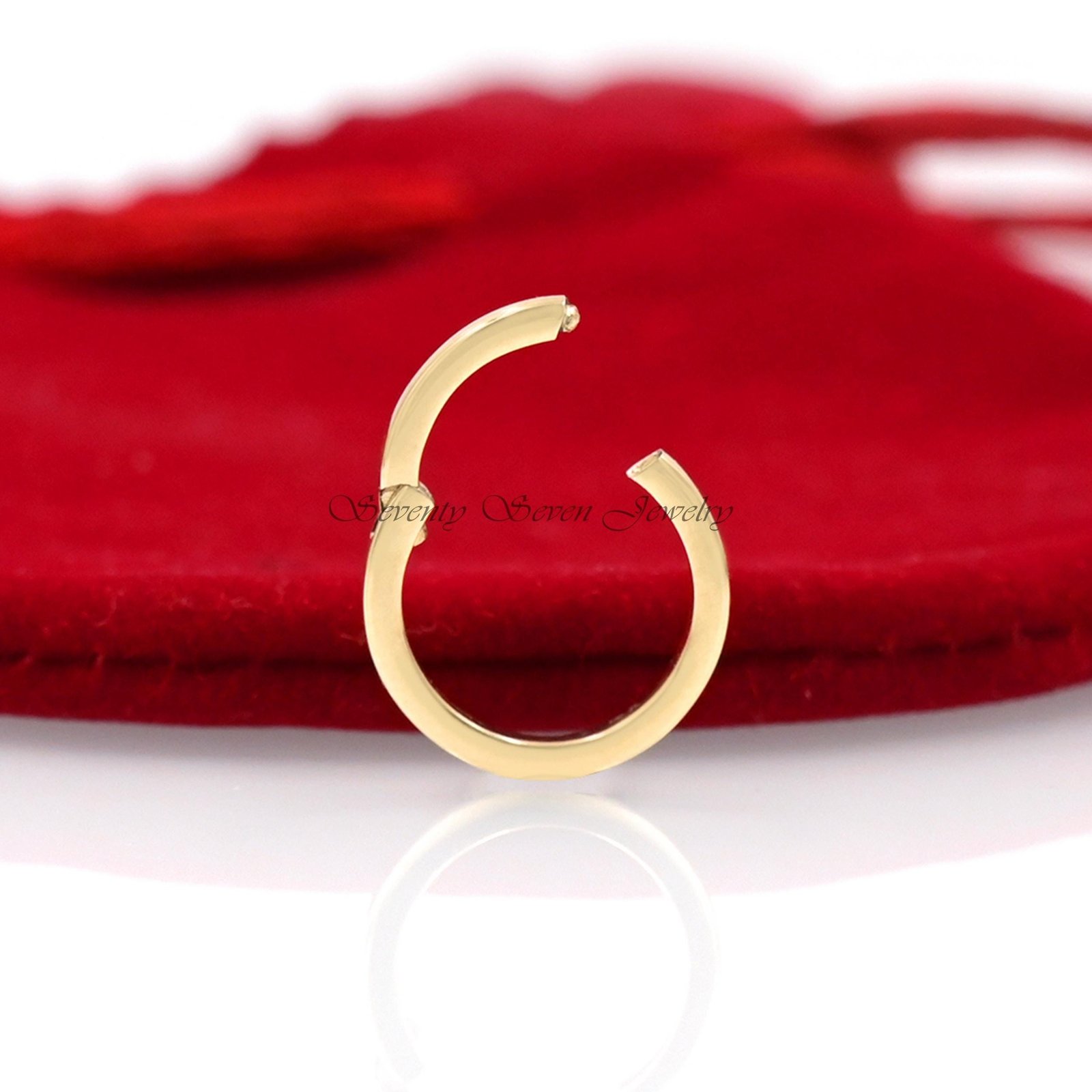
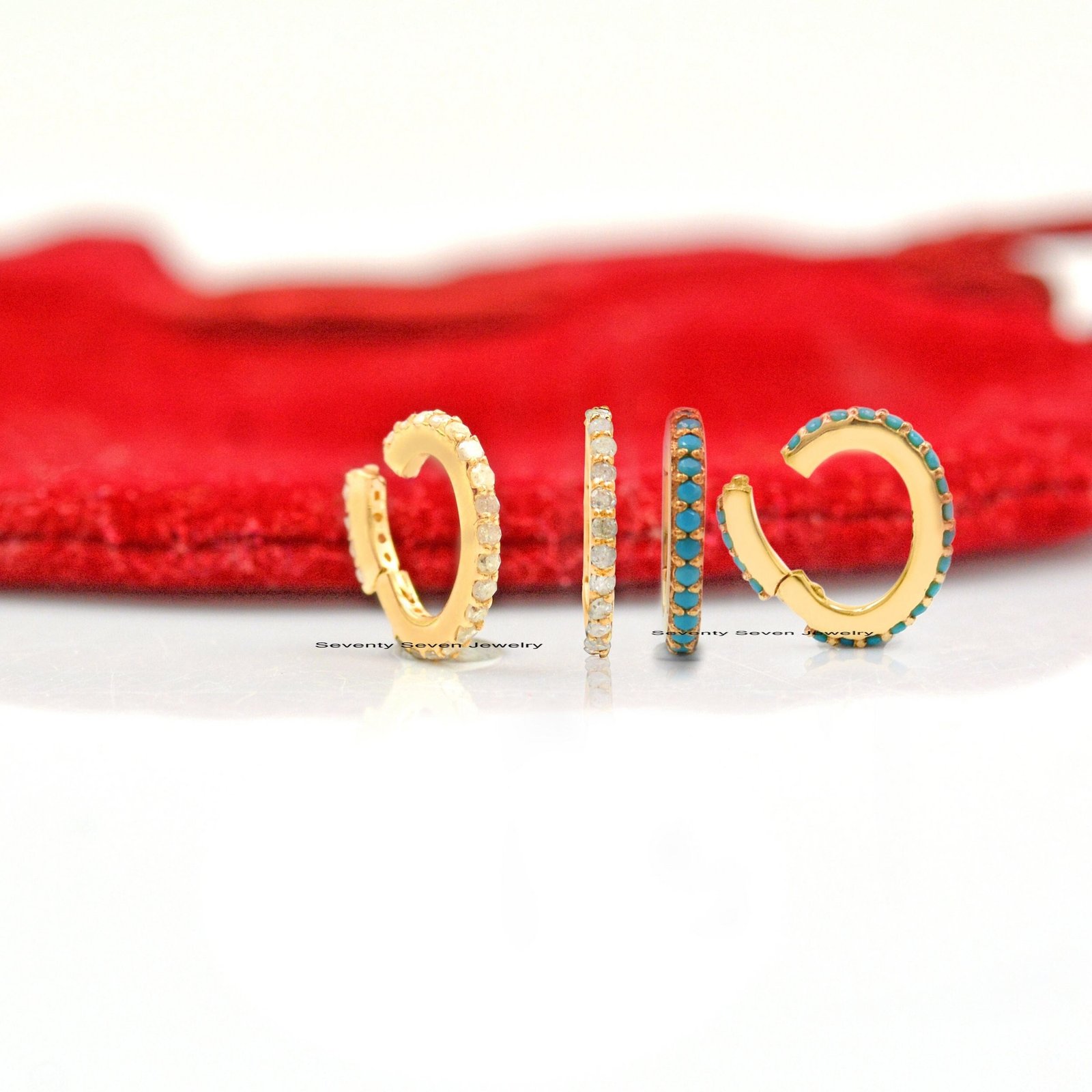
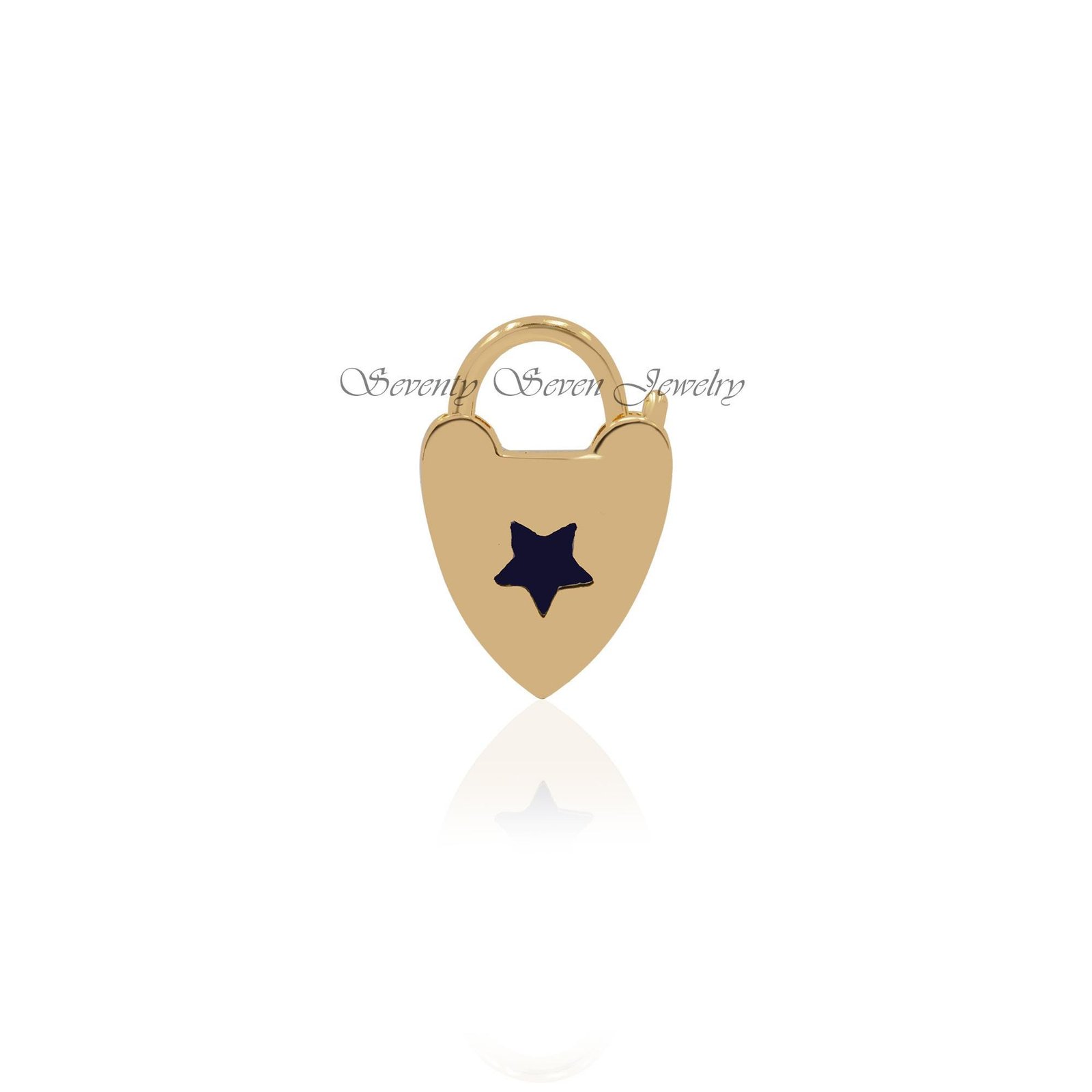
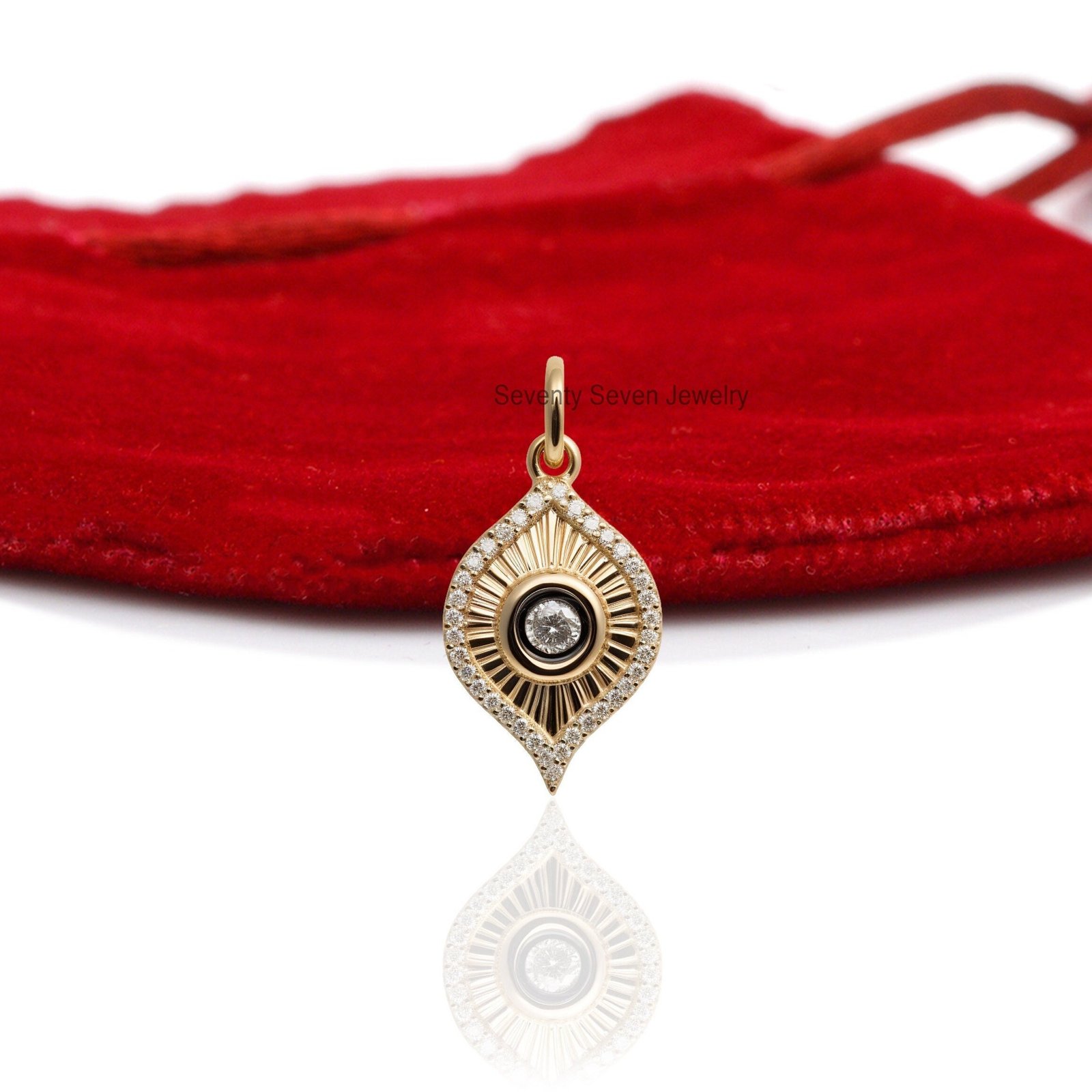
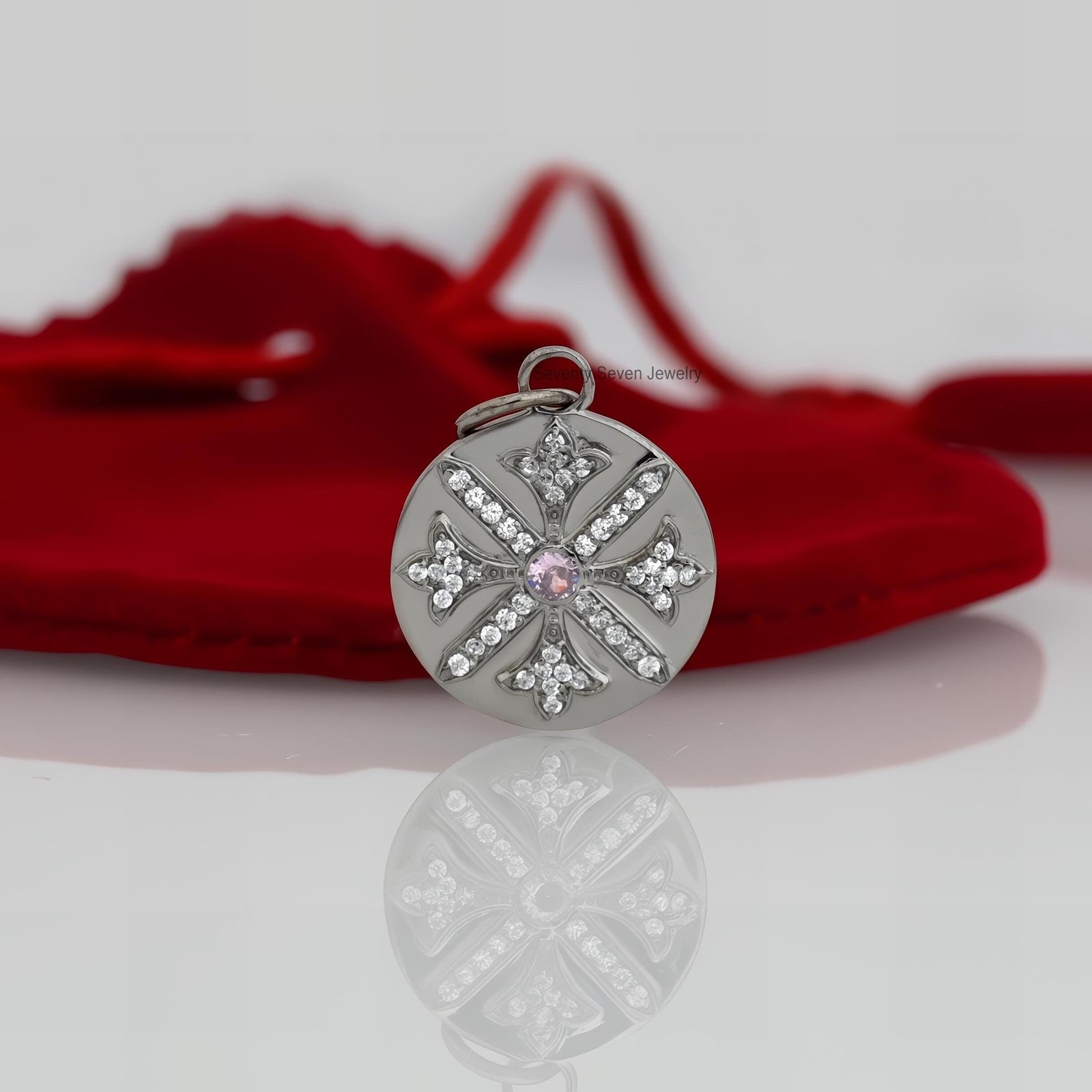
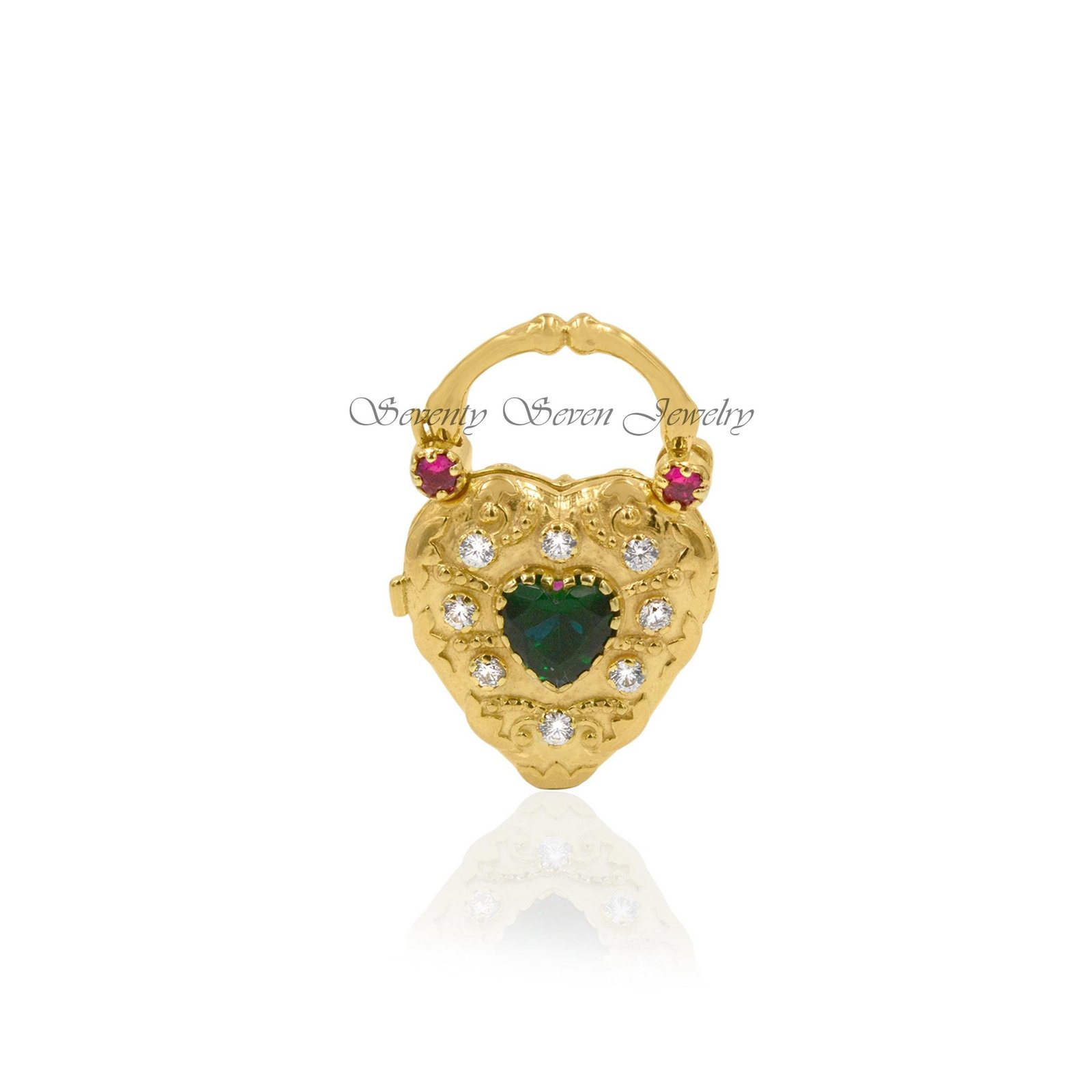
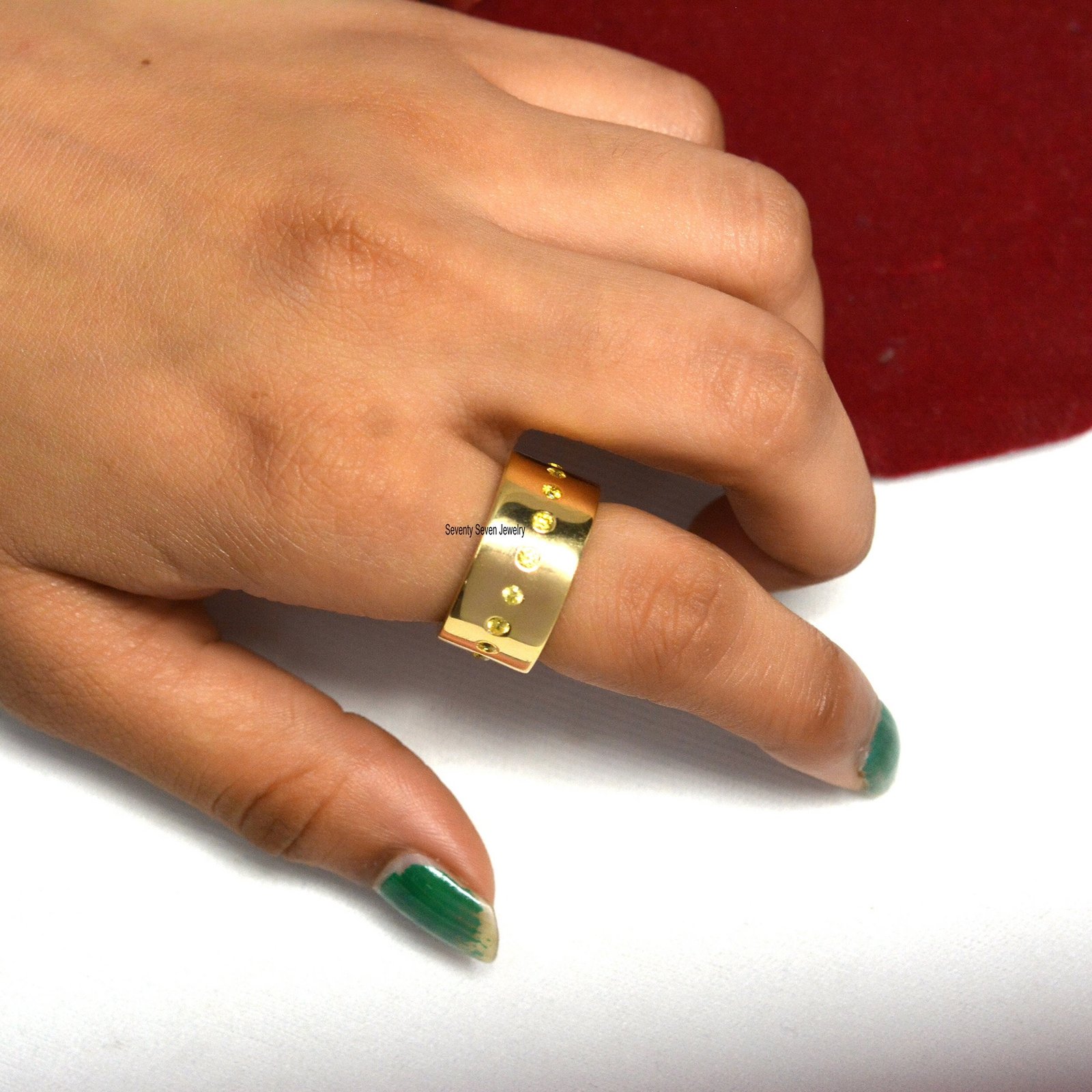
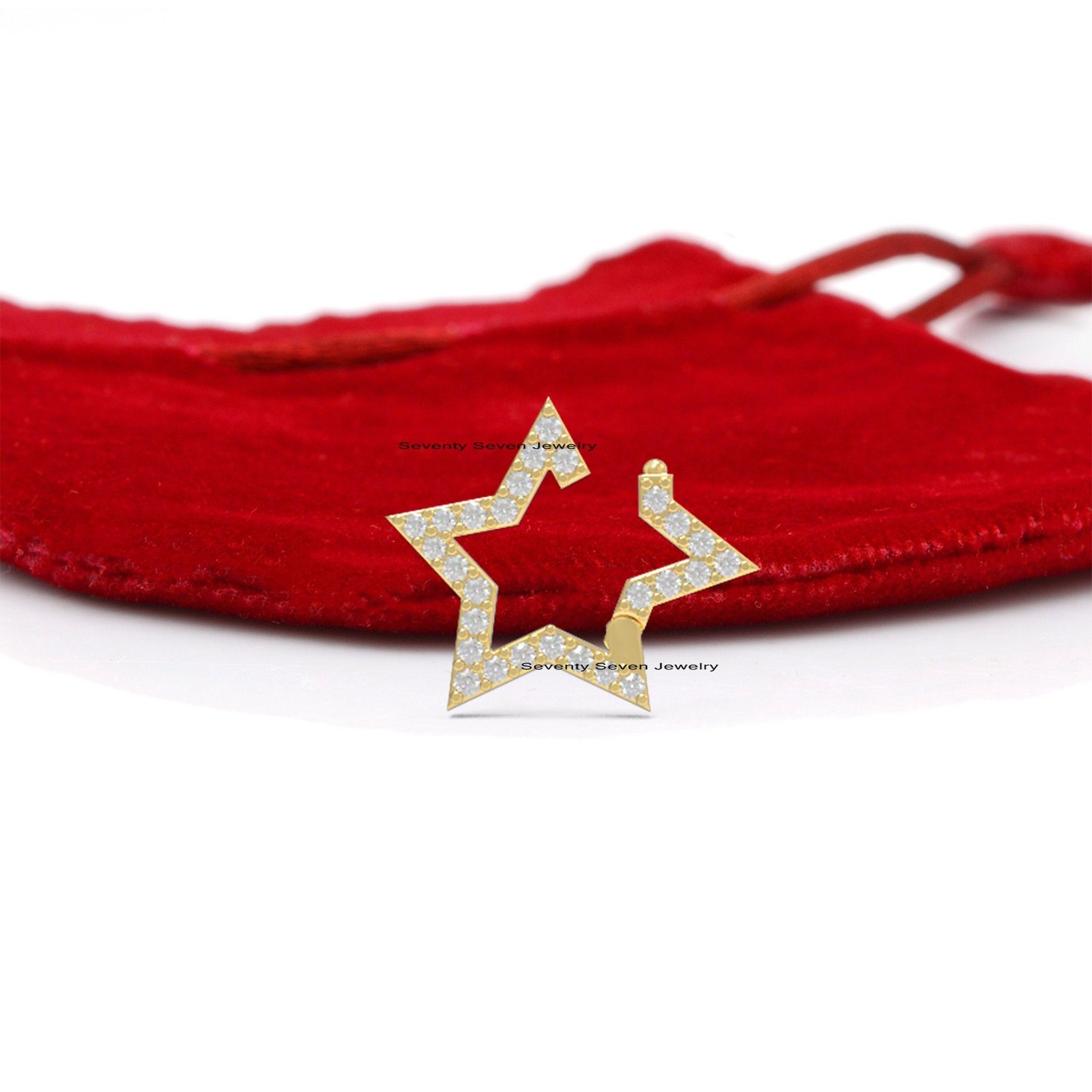
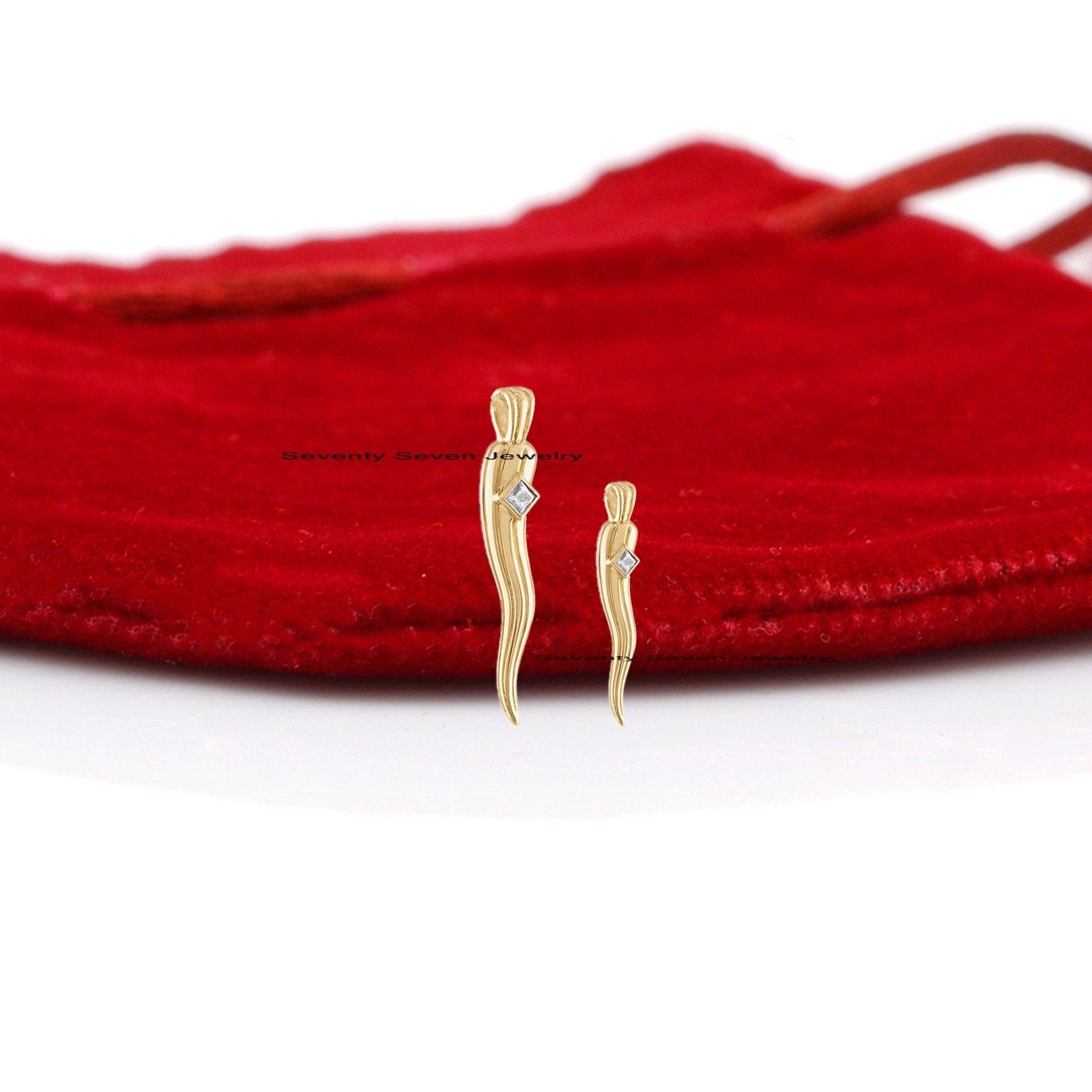
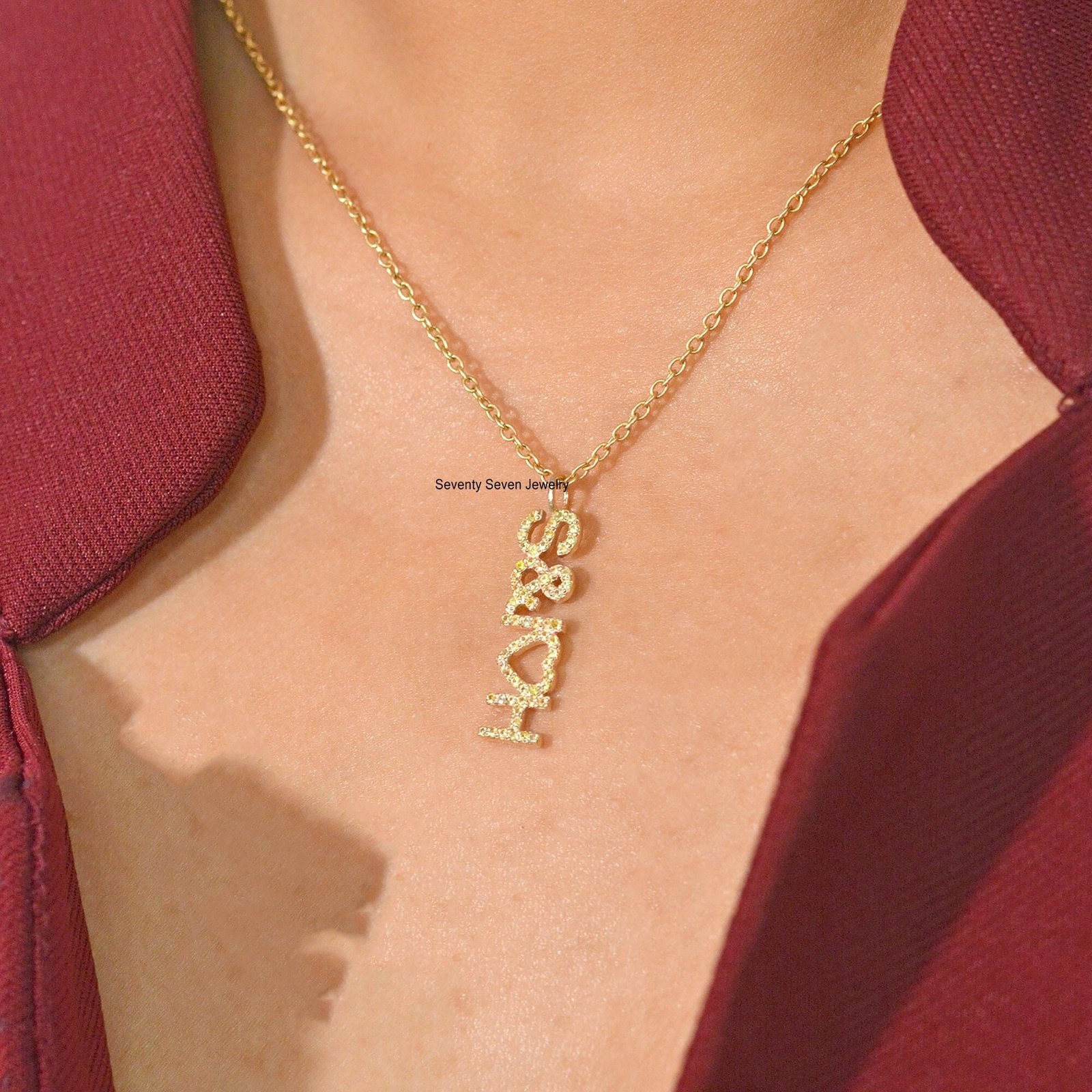
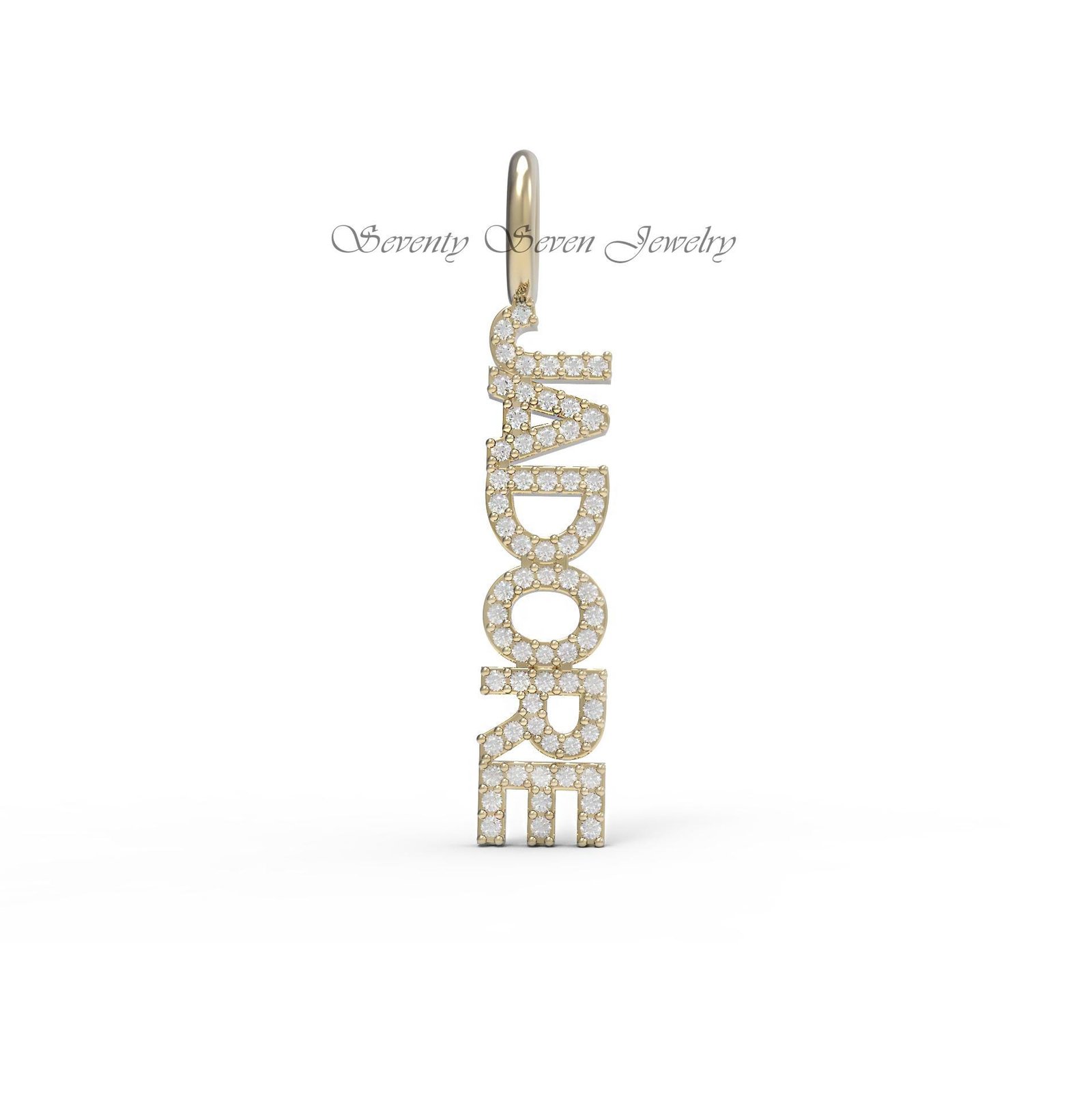
Seventy Seven Jewelry, India listing | Verified manufacturer; catalog includes diamond charm holders, 14K diamond rings, 9K diamond initials and pavé styles. | Many reviewed catalog items show MOQ 1-10 pcs; profile publishes custom orders, worldwide shipping and DHL. | Useful for small-batch diamond-look charms, rings and pendants. Confirm whether stones are lab-grown, natural, moissanite or CZ before ordering. |
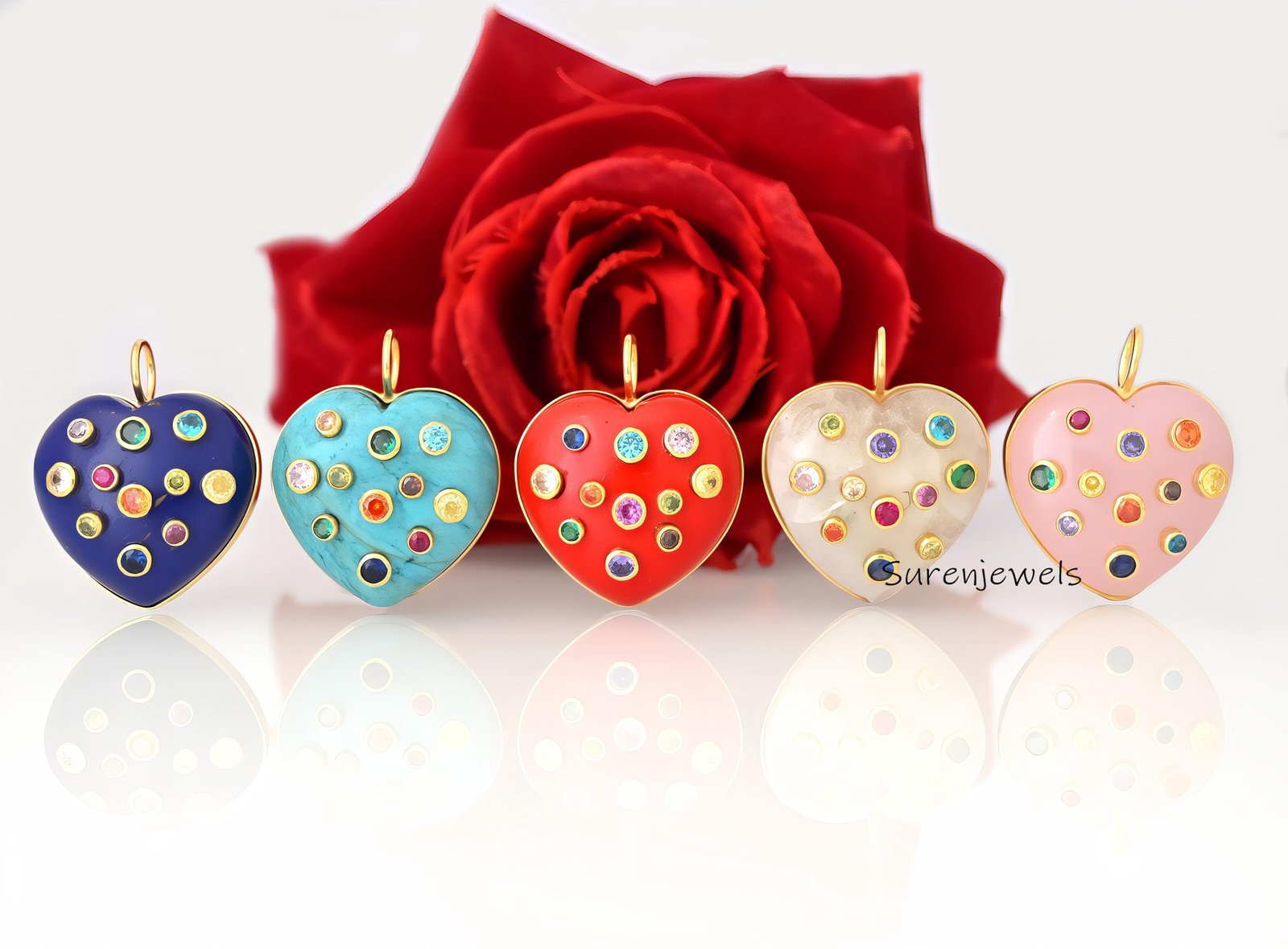
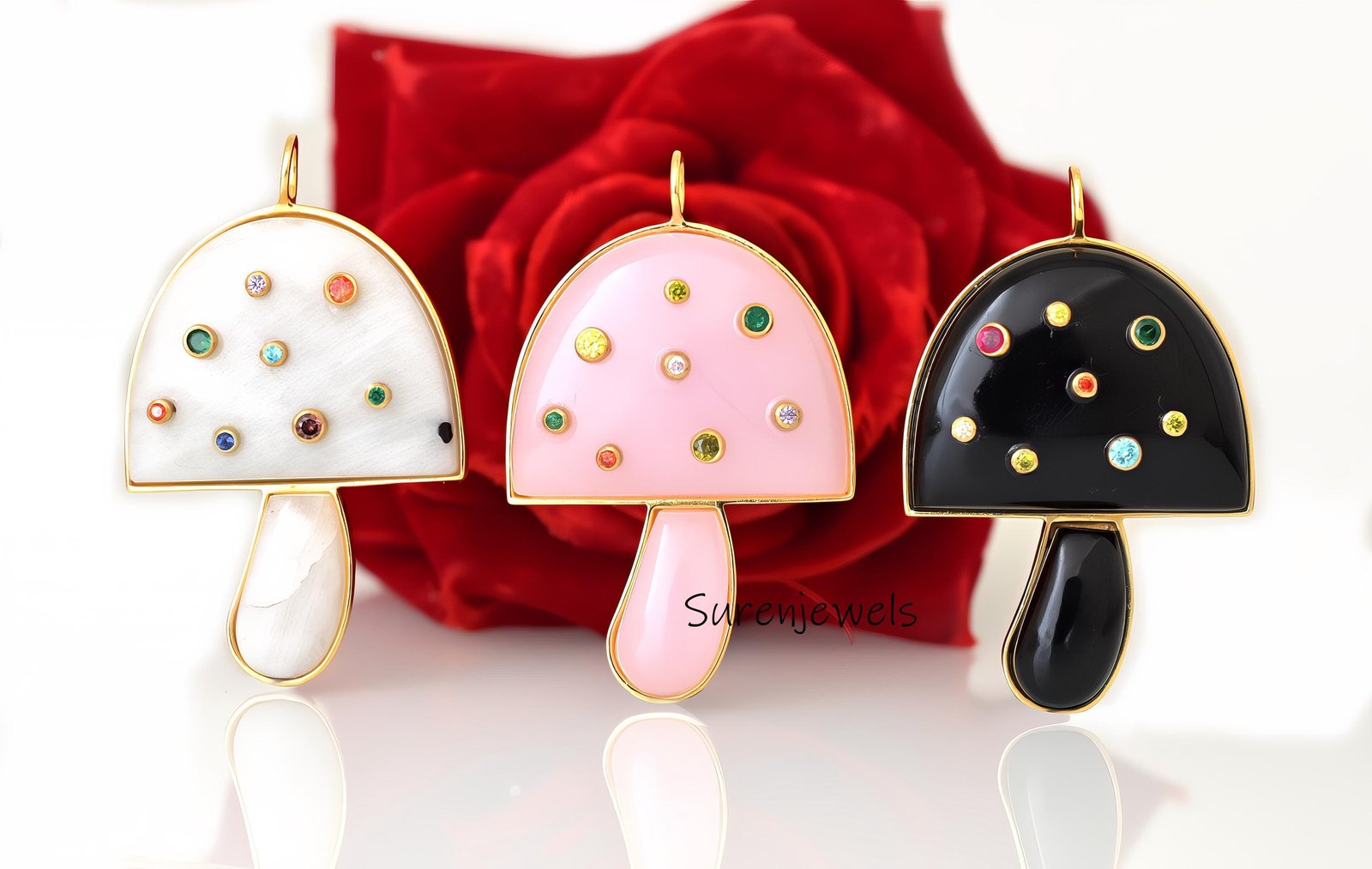
Suren Jewels, Jaipur listing | Verified manufacturer; 16 years in business; carved gemstone jewelry, custom orders, private label, white label and OEM/ODM. | Selected catalog products show MOQ 1-10 pcs; profile publishes worldwide shipping and DHL/FedEx/UPS. | Strong for custom gemstone and charm-holder work where lab-grown diamond accent stones may be required. Confirm lab-grown diamond sourcing, calibration and certification directly. |
Charchill, Surat, India | Verified manufacturer in published Jewelslly search data; Surat listing with diamond stud and gold stud catalog examples. | Published search data shows custom orders, worldwide shipping, PayPal/Payoneer and DHL. | Relevant as a Surat diamond-jewelry profile to evaluate for studs and lightweight diamond jewelry. Confirm lab-grown diamond origin, certification and MOQ directly. |
To contact a supplier, open the supplier profile and use Send Inquiry. Where WhatsApp inquiry is enabled, send a structured RFQ with metal, stone origin, carat weight, quantity, certification need and delivery country.
How to choose the right manufacturer by product type
For lab-grown diamond rings, prioritize CAD accuracy, stone-seat tolerance, prong security and ring-size consistency. Rings create the highest return risk because finger size, comfort, prongs, stone height and finishing are all customer-visible.
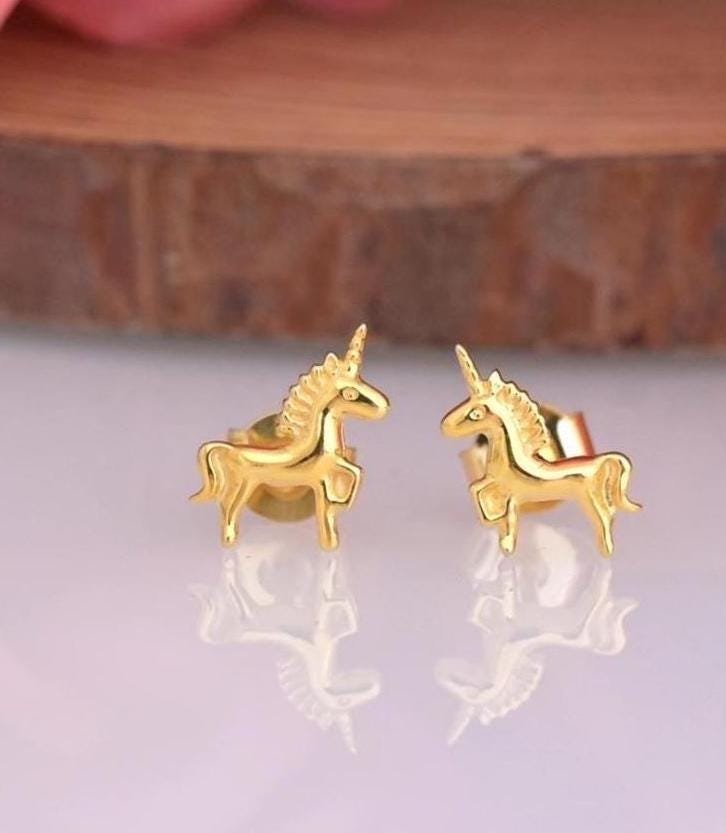
For lab-grown diamond earrings and studs, prioritize pair matching, post thickness, butterfly quality, stone diameter and total carat weight disclosure. Stud buyers often compare millimeter size, not only carat weight.
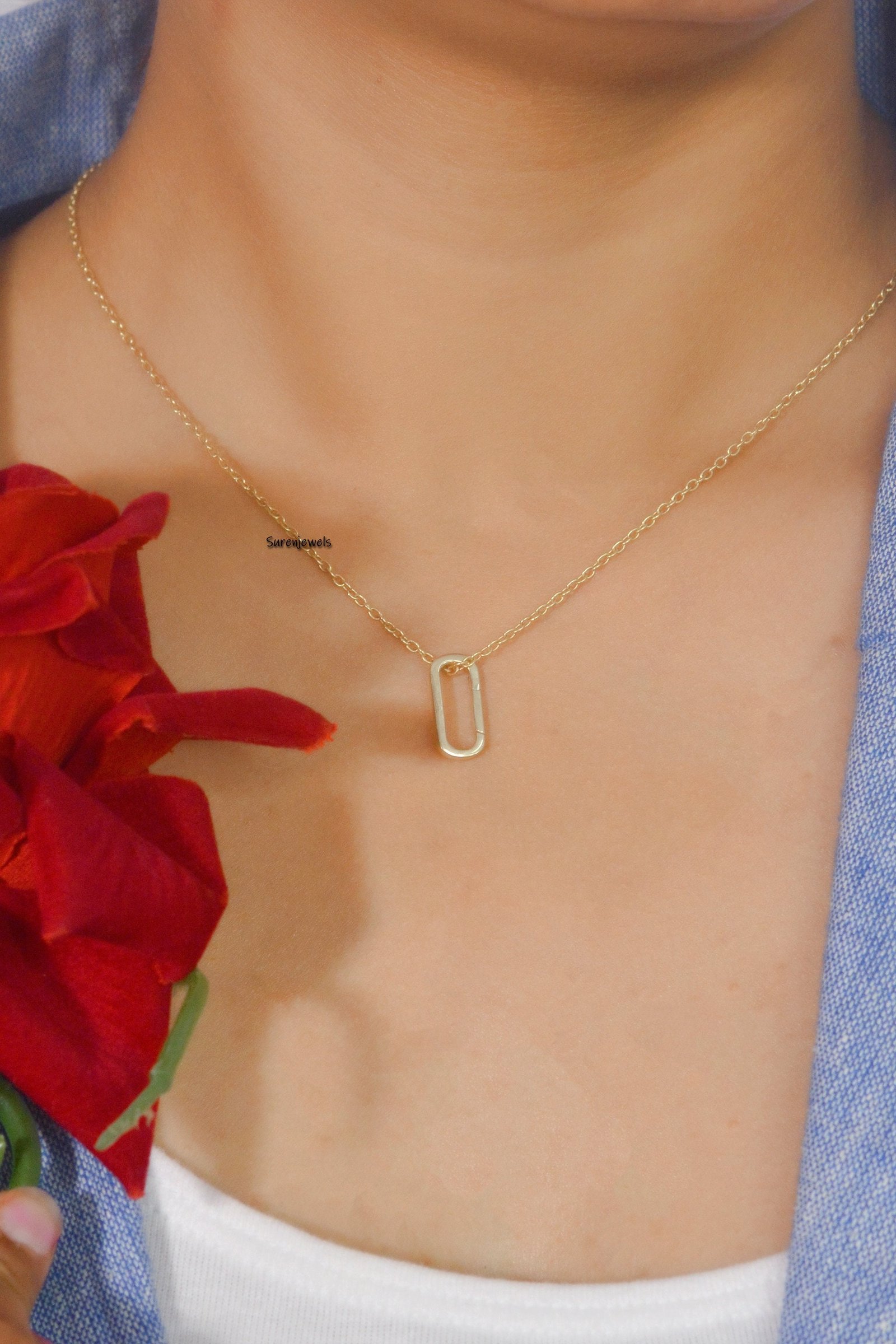
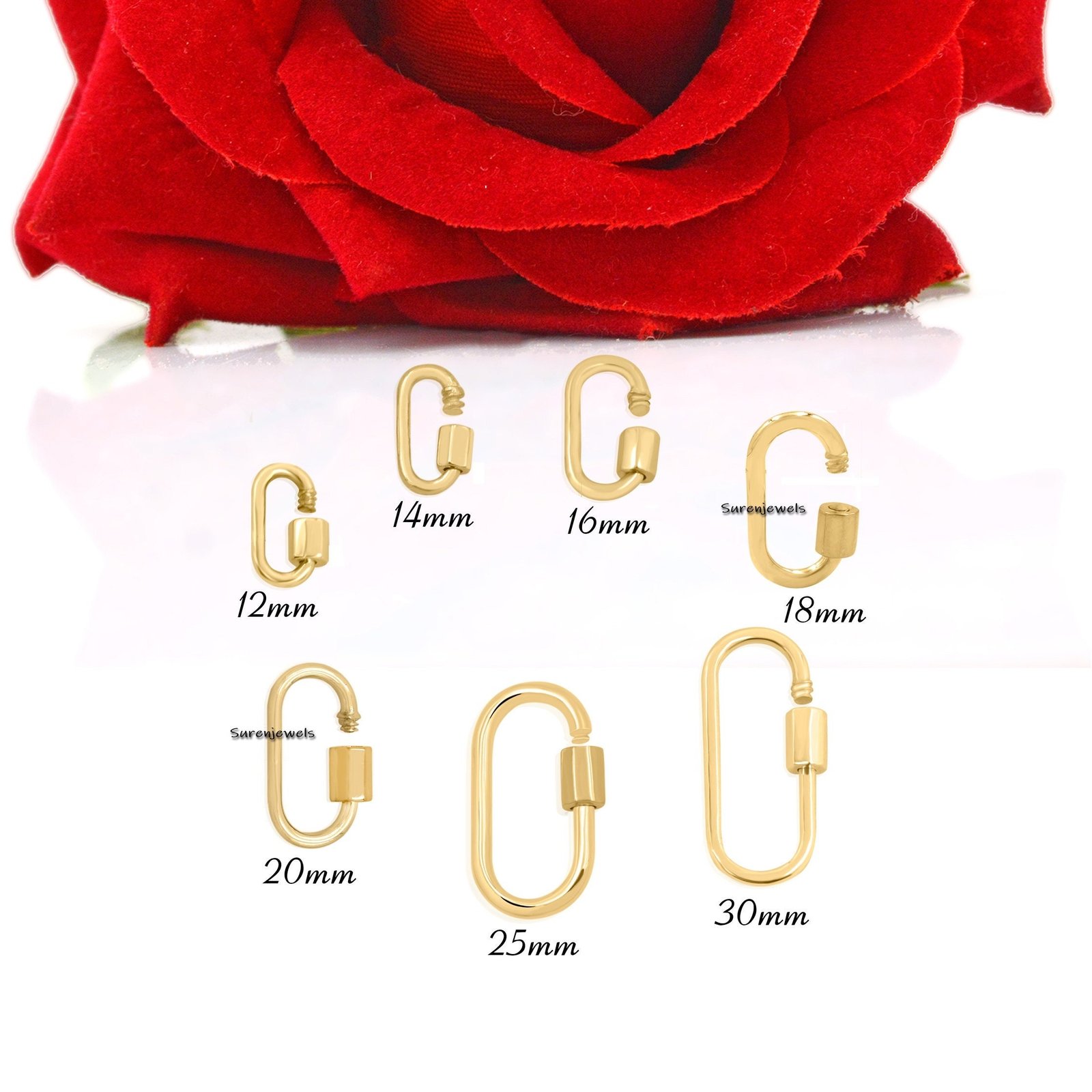
For lab-grown diamond pendants and charms, prioritize bail strength, chain compatibility, stone security and polish around small pavé areas. Charm holders and connectors should also be pull-tested.
For lab-grown diamond bracelets and tennis styles, prioritize stone calibration, flexible movement, clasp security, link strength and replacement policy. Even one loose stone can create a high-value service issue.
What is the minimum order quantity?
MOQ depends on whether the order is a catalog style, a modified existing design or a completely custom design. A catalog lab-grown diamond ring or pendant may be available in small quantity, while a new private-label design may need CAD, resin, mold, stone sourcing, sample approval and a higher commercial minimum.
Ask the manufacturer to define MOQ separately for sample, pilot order, repeat order, per design, per metal, per stone size, per plating color and per ring size. Also ask whether the MOQ changes when the buyer requests certified center stones, calibrated melee, custom packaging or logo engraving.
Does the manufacturer accept custom designs?
A reliable lab-grown diamond jewelry manufacturer should accept sketches, reference photos, technical drawings, CAD files, STL files or physical samples. More importantly, the manufacturer should give technical feedback before quoting: stone size, setting depth, prong thickness, minimum wall thickness, shrinkage, polishing access, weight range and stone breakage risk.
For B2B buyers, custom design acceptance should also include production documentation. Ask for CAD revision numbers, a stone map, a metal specification, a finish specification, a sample approval record and a final production spec sheet. Without these documents, repeat orders can drift.
Is CAD, mold making and sampling completed in-house?
In-house CAD, model making, casting, setting and polishing make communication easier and reduce handoff risk. However, many manufacturers use trusted outside labs for certification, hallmarking, plating, laser inscription verification or special stone testing. Outsourcing is acceptable if it is disclosed and controlled.
Ask for a stage matrix covering CAD, resin or wax, master, mold, casting, filing, stone sorting, stone setting, polishing, rhodium/plating, laser marking, certification, final QC and packing. Approve a physical golden sample before bulk production. For lab-grown diamond jewelry, the golden sample should include metal, finished weight, stone origin, stone count, total carat weight, stone sizes, setting style, finish, logo, packaging and inspection tolerances.
Which metals and gemstones are available?
Most B2B lab-grown diamond jewelry is made in 925 sterling silver, 9K gold, 14K gold, 18K gold, platinum or vermeil. For price-sensitive collections, sterling silver with rhodium or gold vermeil can work. For fine jewelry brands, 14K and 18K gold are common choices.
For stones, ask whether the manufacturer supplies CVD lab-grown diamonds, HPHT lab-grown diamonds, natural diamonds, moissanite, CZ, natural colored stones, lab-created colored stones or treated gemstones. The quotation should not mix "lab diamond," "moissanite" and "CZ" casually. These are different products, with different value and disclosure requirements.
Does the manufacturer sign an NDA?
An NDA is recommended when a buyer shares unreleased designs, CAD files, customer lists, launch dates, private-label packaging, supplier price targets or marketplace strategy. The NDA should cover employees, subcontractors, production photos, CAD files, molds and samples.
Also confirm design ownership in the purchase order. Ask who owns the CAD, master and mold after payment. If the design is exclusive, state whether the manufacturer can resell it, display it in a catalog, post it on social media or show it at trade fairs.
What is the sample and production lead time?
Sample and production timing depends on design complexity, stone availability, certification, metal, plating, hallmarking and packaging. A simple silver pendant with stock lab-grown diamond melee can be faster than a 14K engagement ring with a certified center stone and custom packaging.
Ask for separate timelines for quotation, CAD, CAD revision, resin, casting, stone sourcing, stone approval, setting, polishing, certification, packing, final QC and dispatch. The timeline should state what starts the clock: deposit, CAD approval, stone approval or final sample approval. If certification is required, ask whether the lab report is for the center stone only, every stone, batch testing or finished jewelry.
Does the company offer private-label packaging?
Private-label packaging matters because lab-grown diamond buyers expect transparency and premium presentation. Ask whether the manufacturer can supply branded boxes, pouches, polishing cloths, care cards, warranty cards, authenticity cards, barcode labels, SKU stickers and product inserts that correctly disclose "laboratory-grown diamond."
Packaging MOQ can be different from jewelry MOQ. A supplier may accept 10 jewelry pieces but the box vendor may require 100 printed boxes. Confirm packaging setup cost, storage of unused packaging, re-order timing and responsibility if a label has the wrong stone origin or carat weight.
How is jewelry quality inspected?
Lab-grown diamond jewelry quality inspection should cover both stone and finished jewelry. The buyer should ask for measurable checks, not only final photos.
At minimum, require:
- Stone origin disclosure: laboratory-grown, natural, moissanite, CZ or other
- CVD/HPHT information where available or required
- Center-stone report number and lab name when certified
- Melee size, color range, clarity range and total carat weight
- Metal purity, finished weight and permitted tolerance
- Ring size, chain length, post thickness, clasp and hinge function
- Prong, bezel, channel and pavé security under magnification
- Stone alignment, table direction, symmetry and pair matching
- Porosity, pits, fire stain, solder marks and sharp edges
- Rhodium, plating, polish and surface finish consistency
- Logo, hallmark, purity mark, barcode and country-of-origin accuracy
- Packaging accuracy, certificate matching and SKU count
Inspection should happen after casting, after pre-polish, after stone setting, after final finish and before packing. For high-value orders, ask for a pre-dispatch report with photos, inspected quantity, rejected quantity and corrective action.
Can the manufacturer export worldwide?
Worldwide shipping should be verified with actual export capability. Ask the manufacturer which countries it has shipped to recently, which courier or insured logistics provider it uses, whether jewelry insurance is available, and whether the quotation is EXW, FOB, CIF, DAP or DDP.
GJEPC's export guidance explains that exporters generally need business registration, PAN, bank account, GST, IEC, AD code, customs registration, RCMC for gems and jewelry, export documents, quality control, certificate of origin where needed and insurance. For B2B buyers, the supplier should also prepare a commercial invoice, packing list, HS code, country-of-origin details, stone disclosure and certificate copies when applicable.
How can buyers request a quotation?
Send every shortlisted manufacturer the same RFQ. A good lab-grown diamond jewelry RFQ should include:
- Company name, website, target market and delivery country
- Product type: ring, earring, pendant, charm, bracelet, necklace or set
- Design file, sketch, CAD, STL, sample photo or reference link
- Metal: 925 silver, 9K, 14K, 18K, platinum or vermeil
- Stone origin: laboratory-grown diamond, natural diamond, moissanite or CZ
- Growth method requirement: CVD, HPHT or open to supplier recommendation
- Center stone shape, size, color, clarity, cut and certificate need
- Melee size, quantity, color range, clarity range and setting type
- Total carat weight and acceptable tolerance
- Finish, rhodium, plating, e-coat or special surface requirement
- Logo, hallmark, laser inscription, barcode and packaging requirement
- Sample deadline, pilot quantity and bulk quantity
- NDA, CAD ownership, mold ownership and exclusivity requirement
- Shipping term, courier, insurance and import documentation requirement
Ask the supplier to reply with sample cost, CAD/mold charges, MOQ by design and variation, stone price basis, certification cost, metal price, production price tiers, lead time, QC process, defect remedy, packaging cost, freight, insurance and quotation validity.
How to compare lab-grown diamond jewelry quotations correctly
Two quotations can look similar while representing very different products. One supplier may quote uncertified lab-grown diamond melee in silver; another may quote a certified center stone in 14K gold with private-label packaging and insured shipping. Compare line by line.
Use this comparison sequence:
- Stone origin and disclosure wording
- CVD/HPHT and any post-growth treatment disclosure
- Center-stone certificate or verification method
- Melee color, clarity, size and total carat weight
- Metal purity and finished weight
- CAD, mold, sample and revision charges
- Setting quality and remake policy
- Packaging and authenticity-card cost
- Freight, insurance, duty and tax responsibility
- Quote validity and gold/diamond price change policy
The lowest quote is not always the best buying decision. For lab-grown diamond jewelry, the safer supplier is the one that can repeat the approved sample and document exactly what the buyer is selling.
Red flags when choosing lab-grown diamond jewelry manufacturers
- The supplier uses "diamond" without saying laboratory-grown, natural, moissanite or CZ.
- The quotation does not state total carat weight or stone size.
- The supplier refuses to identify certification options or report matching.
- The product title says lab-grown diamond but the invoice says CZ or synthetic stone.
- The manufacturer cannot provide a stone map for pavé or multi-stone designs.
- CAD approval, sample approval and production tolerance are missing.
- The supplier claims "eco-friendly" or "ethical" without evidence.
- Packaging cards do not disclose laboratory-grown origin clearly.
- The bank beneficiary and supplier business name do not match.
- Shipping is quoted without insurance for high-value jewelry.
Recommended pilot-order strategy
Start with one product family and one stone program. For example, test one 14K lab-grown diamond pendant line or one sterling silver lab-grown diamond stud line. Avoid testing rings, bracelets, earrings and pendants together in the first order unless the supplier is already proven.
Recommended sequence:
- Shortlist suppliers by product type and metal.
- Send the same RFQ to each supplier.
- Confirm stone origin, certification level and disclosure wording.
- Sign NDA if designs are proprietary.
- Approve CAD by revision number.
- Approve stone map and stone grade range.
- Approve one physical golden sample.
- Place a small pilot order with clear tolerances.
- Inspect defects by category: stones, setting, finish, sizing, packaging and paperwork.
- Scale only after corrective actions are documented.
Final buyer recommendation
The best lab-grown diamond jewelry manufacturer is the one that fits your product type, metal, stone program, certification requirement, MOQ and export market. For private-label custom development, Maroth Jewels is a useful Jaipur manufacturing profile to evaluate because its published custom request page lists lab diamond jewelry, CAD, sampling, NDA, logo engraving and worldwide shipping. For Jewelslly sourcing, Jewelry By Poonam, Seventy Seven Jewelry, Suren Jewels and Charchill are relevant supplier profiles to shortlist, with each claim verified in a dated RFQ before ordering.
Use Jewelslly to discover suppliers, then convert every important claim into a written quotation, approved sample and purchase order. In lab-grown diamond jewelry, clarity is everything: clarify origin, growth method where required, certification, carat weight, metal, QC, packaging and export paperwork before production starts.
Editorial note: Supplier profiles, MOQ, pricing, shipping methods and commercial terms can change. A catalog product may not reflect custom-order MOQ. Buyers should request a dated quotation and verify all production, disclosure and export terms directly before paying a deposit.