Lab-Grown vs. Natural Diamonds: Everything You Need to Know Before You Buy
The same chemistry, a very different price tag — and a decision that now shapes more than half of all engagement ring purchases. Here's what actually matters before you decide.
A decade ago, this was a niche question. In 2026, it's the first thing most diamond buyers have to decide — often before they've even picked a shape or a setting. Lab-grown diamonds have gone from a curiosity to a mainstream default: multiple industry trackers now put lab-grown stones at half or more of new engagement ring center stones sold in the US, up from single digits just a few years ago.
That shift didn't happen because lab-grown diamonds became "good enough." It happened because they're chemically, physically, and optically identical to natural diamonds — full stop — while costing a fraction of the price. But identical composition doesn't mean identical everything. Resale value, long-term price stability, certification nuances, and the emotional weight buyers place on rarity all still separate the two in real ways. This guide covers all of it.
The Short Answer
Lab-grown and natural diamonds are the same material — pure crystallized carbon, arranged in an identical cubic lattice structure. Both score 10 on the Mohs hardness scale, both have the same refractive index, and neither can be told apart from the other with the naked eye or a jeweler's loupe. The difference is entirely about origin, and that difference in origin is what drives everything else: price, rarity, resale value, and the story behind the stone.
What's Actually the Same
- Chemical composition: both are pure carbon, arranged in the identical crystal structure
- Hardness: both score 10 on the Mohs scale — the hardest natural material known
- Optical properties: identical refractive index (2.42), identical brilliance and fire
- Durability: both are effectively permanent with normal care; neither clouds, yellows, or degrades with age
- Grading: both are evaluated on the same 4Cs — Cut, Color, Clarity, and Carat — by the same major labs
- Diamond tester results: both pass standard handheld diamond testers, since those devices measure thermal/electrical conductivity, which is identical in both
What's Actually Different
Formation
Natural diamonds form roughly 100 miles below the Earth's surface, under extreme heat and pressure, over one to three billion years, before being carried toward the surface through volcanic kimberlite pipes — geological formations so rare that only a few thousand have ever been found worldwide. Lab-grown diamonds are created in weeks using one of two methods:
- CVD (Chemical Vapor Deposition): a thin diamond seed is placed in a sealed chamber filled with carbon-rich gas; the gas breaks down and deposits carbon onto the seed, building the crystal layer by layer. This is the dominant method used today.
- HPHT (High Pressure, High Temperature): recreates the natural underground conditions directly, using massive hydraulic presses to subject a carbon source and diamond seed to extreme pressure and heat.
How to Tell Them Apart
You can't — not with a loupe, not with a standard diamond tester, and in most cases, not even with a trained gemologist's naked-eye examination. Distinguishing the two requires specialized spectroscopic equipment that detects subtle growth-pattern and trace-element differences invisible to the eye. This is exactly why every reputable lab-grown diamond is laser-inscribed on the girdle with its certification number, and why an independent grading report is the only reliable way to know what you're actually buying.
Price: The Gap That Changed the Market
This is where the two diverge most dramatically. Depending on the source, carat weight, and quality grade, lab-grown diamonds in 2026 run roughly 60% to 90% cheaper than a natural diamond of equivalent specification — and that gap has widened significantly since 2020, when it sat closer to 30–40%.
Carat Weight | Natural (US retail, F–H color, VS clarity) | Lab-Grown (equivalent grade) |
0.50 ct | $1,000 – $1,800 | $150 – $300 |
1.00 ct | $4,500 – $6,500 | $700 – $1,400 |
1.50 ct | $9,000 – $14,000 | $1,500 – $2,500 |
2.00 ct | $13,000 – $20,000 | $1,500 – $5,000 |
Figures above are illustrative US retail ranges compiled from multiple 2026 industry pricing sources and will vary by retailer, certification lab, and exact quality grade. Always verify current pricing with your own supplier or jeweler.
Why the gap exists: mining a natural diamond involves capital-intensive extraction, land rights, international logistics, and a long cutting-and-distribution chain — costs that get priced into the final stone. Lab-grown production, by contrast, has scaled rapidly since 2020, pushing wholesale costs down close to the actual cost of production. Multiple industry analysts now describe lab-grown pricing as having reached a "floor" in late 2025 — meaning further steep drops are unlikely, though natural diamond prices have stayed comparatively stable over the same period.
Resale Value: The Honest Trade-Off
This is the area where natural diamonds still hold a clear, structural advantage — and it's worth understanding before you buy, even if resale isn't your primary concern.
- Natural diamonds typically retain roughly 25–60% of their original purchase price on resale, depending on quality and market conditions
- Lab-grown diamonds typically retain roughly 10–30%, and in some cases less, since ongoing production keeps pushing the price of equivalent new stones downward
- A lab-grown diamond bought today may be worth meaningfully less in five years — not because of any flaw in the stone, but because newer production continues to lower the price of a comparable new one
The practical takeaway most jewelers give buyers: if your diamond is going on a ring you intend to wear and keep, not resell, this difference is largely academic. If you're weighing diamonds as a store of value, neither natural nor lab-grown performs like a true financial investment — a natural diamond simply depreciates less badly than a lab-grown one does.
Certification: What to Actually Ask For
Never buy a diamond of meaningful value — natural or lab-grown — without an independent grading report. The major labs to look for:
- GIA (Gemological Institute of America): widely regarded as the strictest, most globally trusted standard for both natural and lab-grown stones
- IGI (International Gemological Institute): very widely used, and has historically been a leading certifier specifically for lab-grown diamonds
- AGS (American Gem Society): known for a particularly rigorous cut-grading methodology
A proper certificate for a lab-grown diamond will explicitly state "Laboratory Grown" on the report — this is a legal labeling requirement in most major markets, not an optional disclosure. It should also confirm the growth method (CVD or HPHT) and any post-growth treatment, such as HPHT treatment applied after CVD growth specifically to improve color.
Ethics and Environmental Considerations
Both sides of this debate get oversimplified in marketing, so it's worth being precise:
- Natural diamonds: the industry has made real strides on traceability since the Kimberley Process was introduced to curb "conflict diamonds," though critics note the scheme has real gaps. Ask for a Kimberley Process certificate or a signed conflict-free warranty from any natural diamond supplier.
- Lab-grown diamonds: produced without mining, and generally marketed as having a smaller land-disruption footprint. However, both CVD and HPHT production are energy-intensive processes, and the actual environmental footprint depends heavily on the energy source powering the specific facility — this is a genuinely contested point between advocates on both sides, not a settled one.
Neither option is unambiguously "the ethical choice" in every case — origin, supplier transparency, and specific sourcing practices matter more than the natural-vs-lab category alone.
Which One Should You Buy?
If your priority is… | Consider | Why |
Maximum size/quality for your budget | Lab-grown | Same budget buys 2–3x the carat weight at the same color/clarity |
Rarity, heritage, and geological origin story | Natural | Formed over billions of years; genuinely finite supply |
Best possible resale/trade-in value | Natural | Retains meaningfully more value on the secondary market |
Redirecting savings elsewhere (honeymoon, house, setting upgrade) | Lab-grown | 60–90% lower cost frees up significant budget |
Avoiding mining supply chains specifically | Lab-grown | No extraction involved, though production is energy-intensive |
A Buying Checklist Before You Purchase
- Always request an independent certificate (GIA, IGI, or AGS) — never rely on a seller's own in-house grading
- For lab-grown stones, confirm the report explicitly states "Laboratory Grown" and names the growth method
- For natural stones, ask for Kimberley Process documentation or a signed conflict-free warranty
- Compare the same 4C specification across both categories before deciding — the price gap is easiest to evaluate apples-to-apples
- If resale value matters to you, factor natural diamonds' stronger retention into your decision, not just the upfront price
- Remember that metal and setting now represent a meaningful share of total ring cost — gold and platinum prices have risen substantially since 2022, so don't evaluate the diamond in isolation from the full piece
Frequently Asked Questions
Q: Are lab-grown diamonds real diamonds?
A: Yes. Lab-grown diamonds have the exact same chemical composition, crystal structure, and physical properties as natural diamonds. The only difference is where and how they formed. Regulatory bodies like the FTC do not permit calling them "synthetic" or "fake" for this reason — they are diamonds, just grown rather than mined.
Q: Can a jeweler tell a lab-grown diamond from a natural one just by looking?
A: No — not with a loupe, not with a standard diamond tester, and typically not even with a trained gemologist's naked-eye inspection. Telling them apart requires specialized spectroscopic equipment. This is why certification and laser inscription matter so much when buying either type.
Q: How much cheaper are lab-grown diamonds than natural diamonds?
A: Estimates vary by source and carat weight, but lab-grown diamonds typically run 60% to 90% cheaper than an equivalent natural diamond in 2026, with the gap widening at larger carat sizes. A budget that buys a 1-carat natural diamond could often buy a 2 to 3-carat lab-grown stone of similar quality.
Q: Will lab-grown diamond prices keep falling?
A: Most industry analysts believe the steepest declines are behind us. Premium lab-grown diamonds reached what several sources describe as a price floor in late 2025, as wholesale prices approached actual production cost. Some further softening is possible as production keeps scaling, but the dramatic year-over-year drops seen between 2020 and 2024 are not expected to continue at the same pace.
Q: Do lab-grown diamonds hold their value?
A: Not as well as natural diamonds. Lab-grown stones typically retain roughly 10–30% of their purchase price on resale, compared to roughly 25–60% for natural diamonds. This is mainly because ongoing production continues to lower the price of new lab-grown stones, depressing resale value for existing ones.
Q: Are lab-grown diamonds graded the same way as natural diamonds?
A: Yes — both are evaluated on the same 4Cs (Cut, Color, Clarity, Carat) by the same major labs, including GIA and IGI. The certificate for a lab-grown stone will explicitly state "Laboratory Grown" to distinguish it from a natural diamond report.
Q: What's the difference between CVD and HPHT lab-grown diamonds?
A: CVD (Chemical Vapor Deposition) grows a diamond by depositing carbon from a gas onto a seed crystal, layer by layer, and is the more common method today. HPHT (High Pressure, High Temperature) recreates natural underground conditions using extreme pressure and heat. HPHT is also sometimes used as a treatment after CVD growth specifically to improve a stone's color.
Q: Do lab-grown diamonds pass a diamond tester?
A: Yes. Standard handheld diamond testers measure thermal or electrical conductivity to distinguish diamond from simulants like cubic zirconia or moissanite. Lab-grown diamonds test positive as genuine diamonds, because they are genuine diamonds.
Q: Is a lab-grown diamond less durable than a natural one?
A: No. Both score 10 on the Mohs hardness scale — the maximum possible rating — and have identical physical durability. A lab-grown diamond will not cloud, yellow, or degrade with age any more than a natural one; both are designed to last indefinitely with normal care.
Q: Which is the more ethical choice — lab-grown or natural?
A: It depends on your specific concerns and the specific supplier. Lab-grown diamonds avoid mining entirely but require energy-intensive production, with the environmental footprint depending on the facility's power source. Natural diamonds have made real traceability progress through mechanisms like the Kimberley Process, though critics note real gaps remain. Neither category is automatically the more ethical option in every case — supplier transparency matters as much as the category itself.
Q: What percentage of engagement rings now use lab-grown diamonds?
A: Estimates vary across industry trackers, but multiple 2026 sources put lab-grown diamonds at roughly half or more of engagement ring center stones sold in the US — a dramatic shift from single-digit percentages less than a decade ago.
Q: Should I buy a bigger lab-grown diamond or a smaller natural one for the same budget?
A: This comes down to personal priorities rather than a universally correct answer. If size, sparkle, and getting the most stone for your money matter most, lab-grown lets you go significantly larger at the same budget. If rarity, geological origin, and long-term resale value matter more, a smaller natural diamond may be the better fit even at reduced carat weight.
Q: Do I need a certificate if I'm buying a lab-grown diamond, since it's already cheaper?
A: Yes, always. Independent certification confirms the actual 4C grading and origin regardless of price point, and matters for insurance and any future resale, even though lab-grown diamonds cost significantly less upfront.
Q: Can lab-grown diamonds be used for melee or pavé settings?
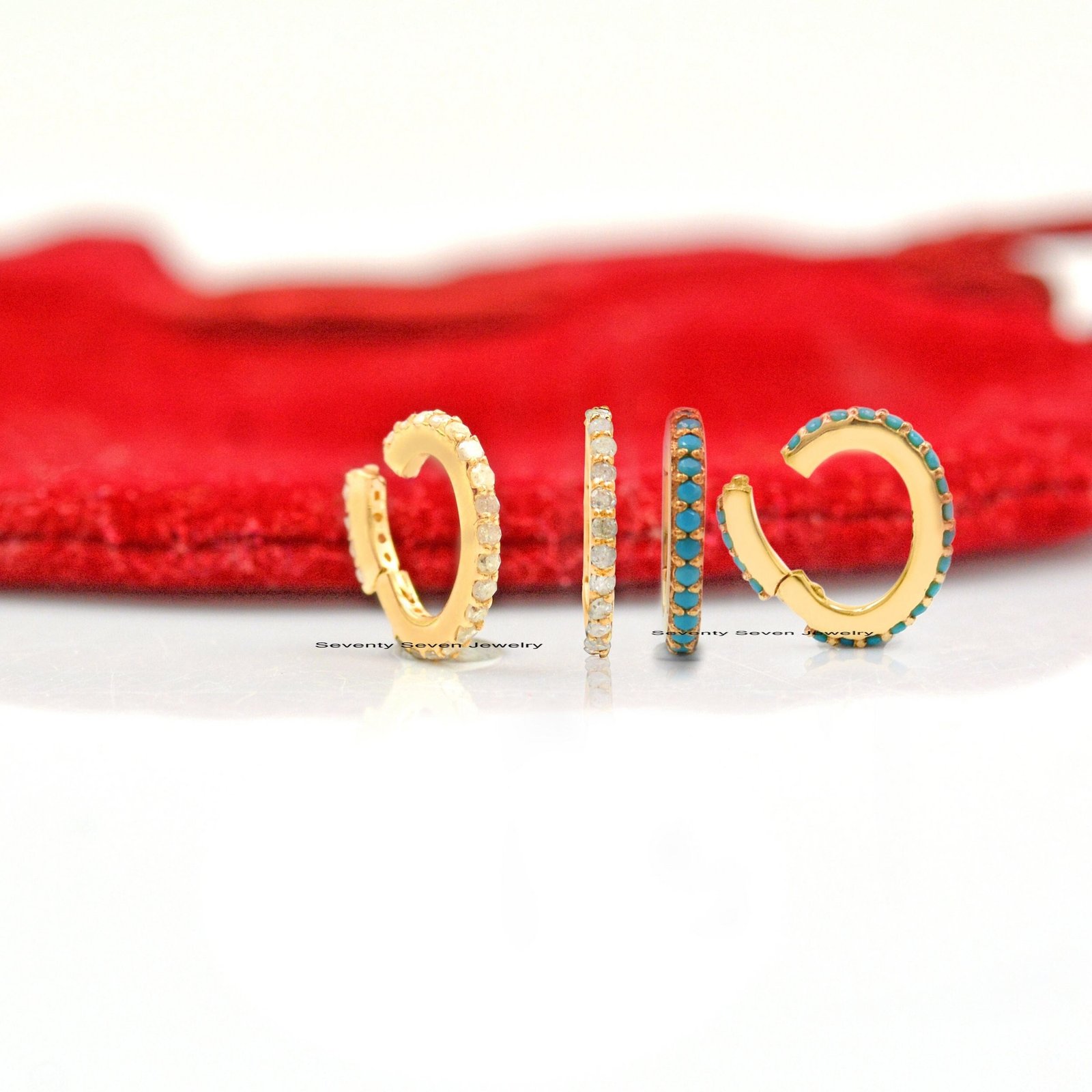
A: Yes — small lab-grown melee stones (generally under 0.18 carats) are commonly sold in bulk parcels by total carat weight, making them a cost-effective option for pavé and accent work in rings, pendants, and earrings.
Q: Is it true that natural diamond prices have stayed flat while lab-grown prices dropped?
A: Broadly, yes. Multiple 2026 industry sources describe natural diamond prices as relatively stable over the past 18–24 months, with only modest fluctuations tied to mining output and luxury demand, while lab-grown wholesale prices fell sharply through 2020–2025 before stabilizing near production cost in late 2025.
Q: What should I focus on if diamond prices aren't the main cost driver anymore?
A: With diamond pricing relatively stabilized on both sides, metal choice and setting design have become a larger share of total ring cost, since gold and platinum prices have risen substantially since 2022. Budgeting time for your setting decision is now as important as the stone decision itself.