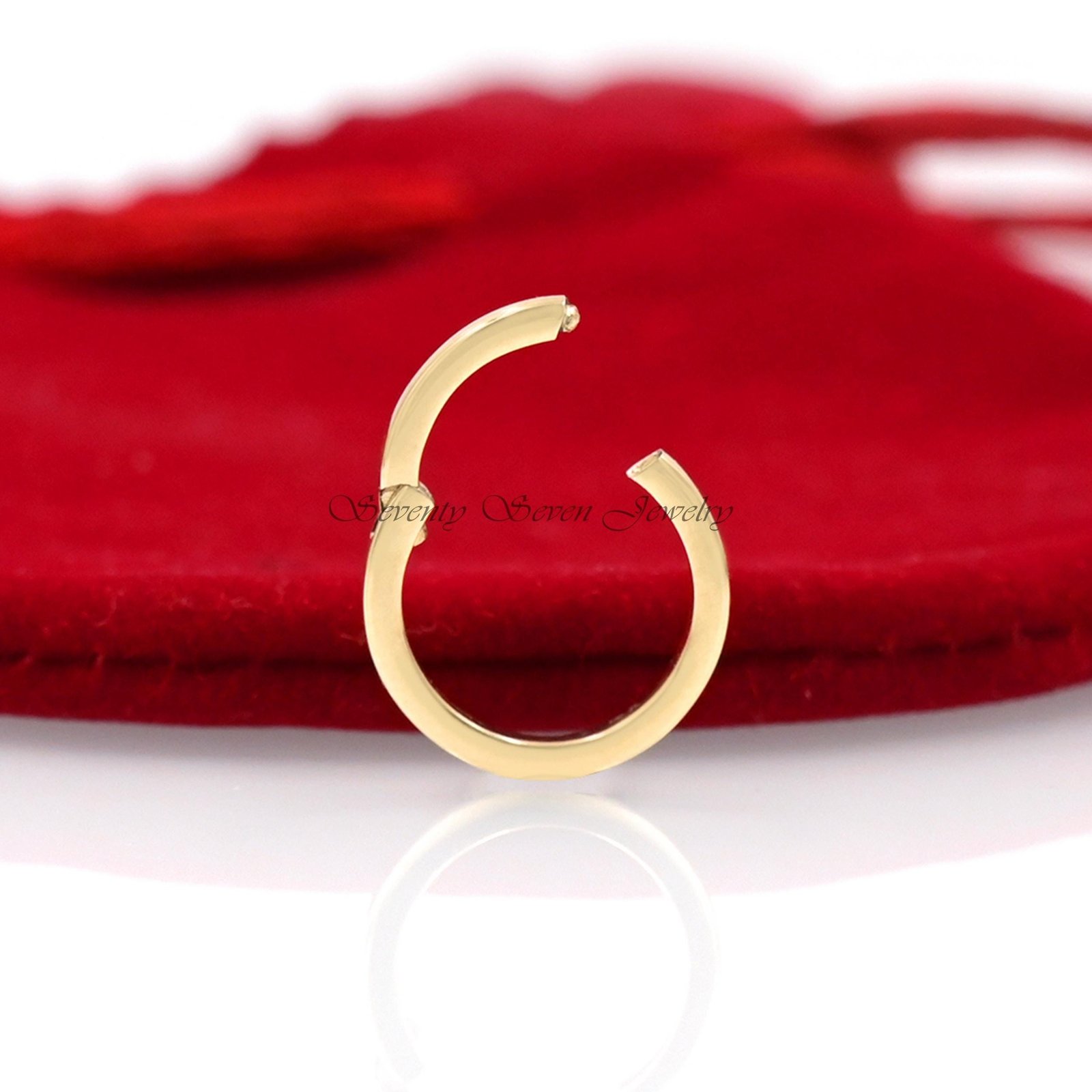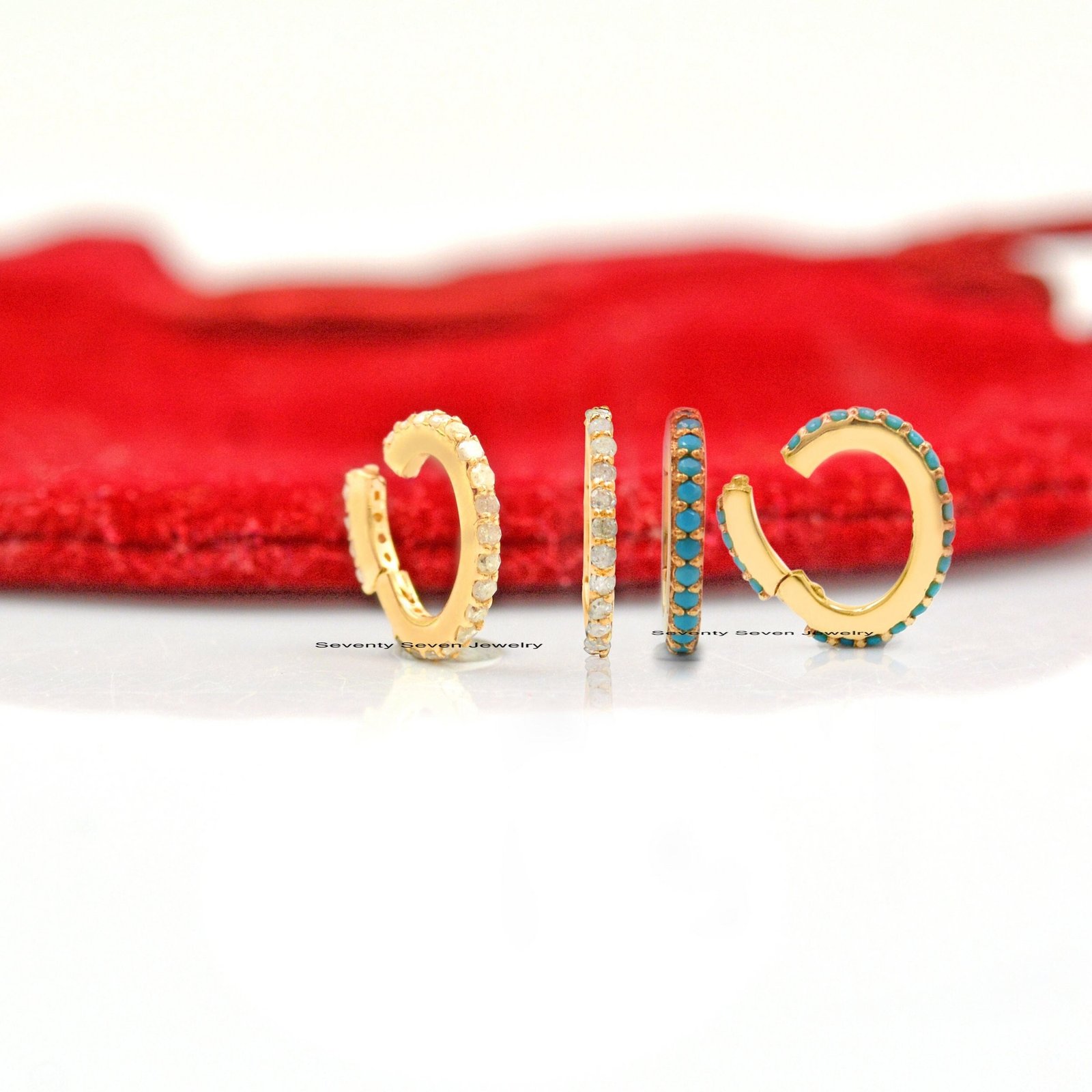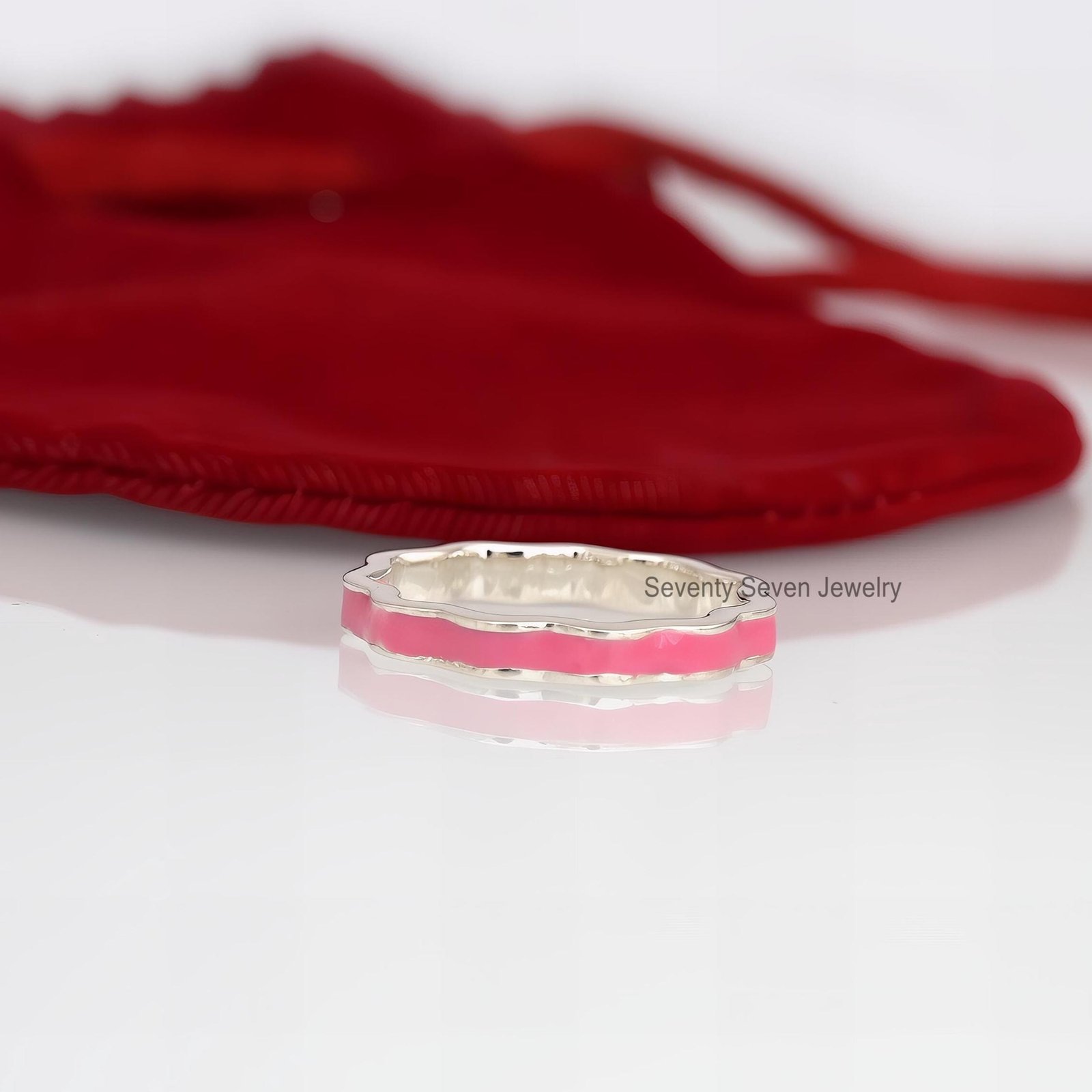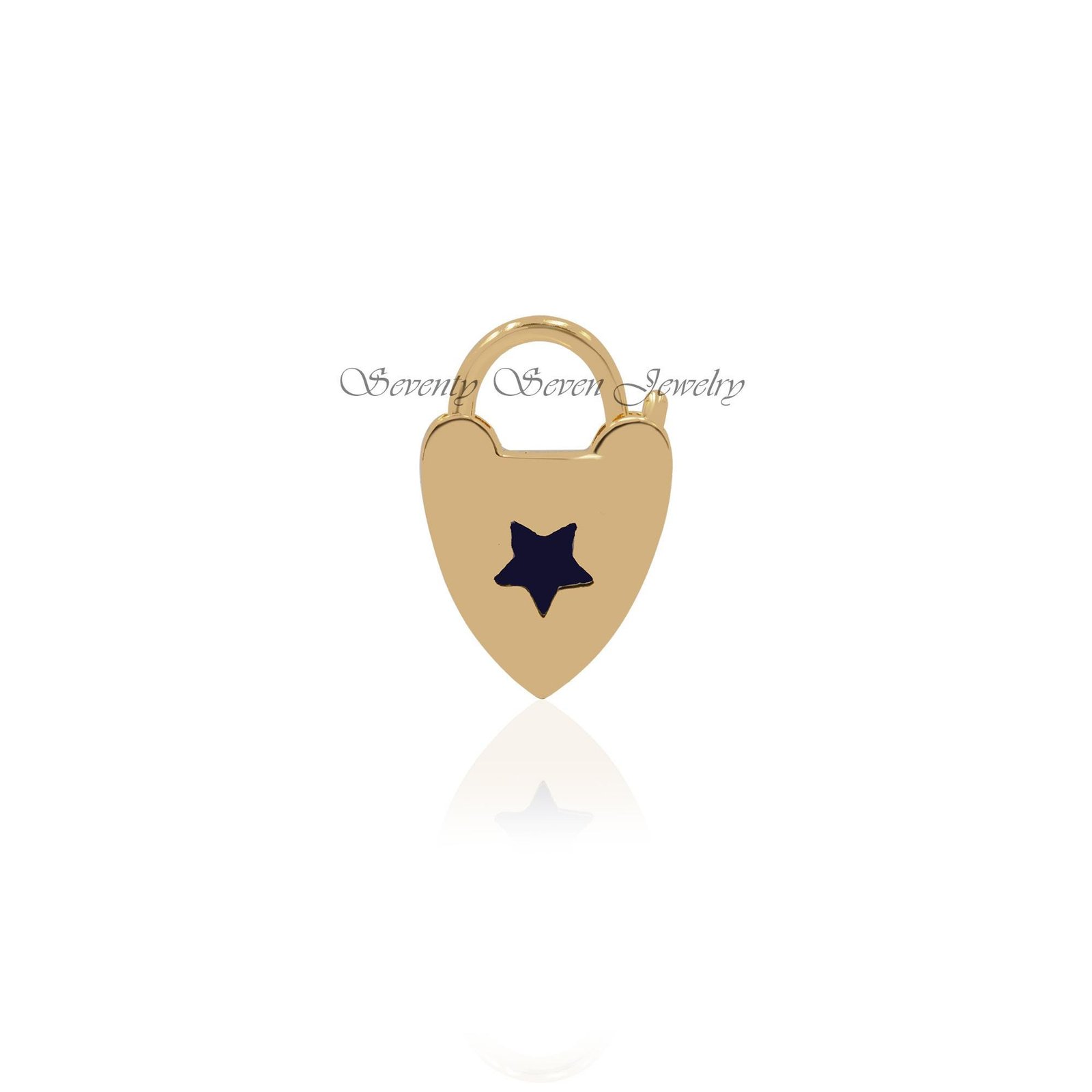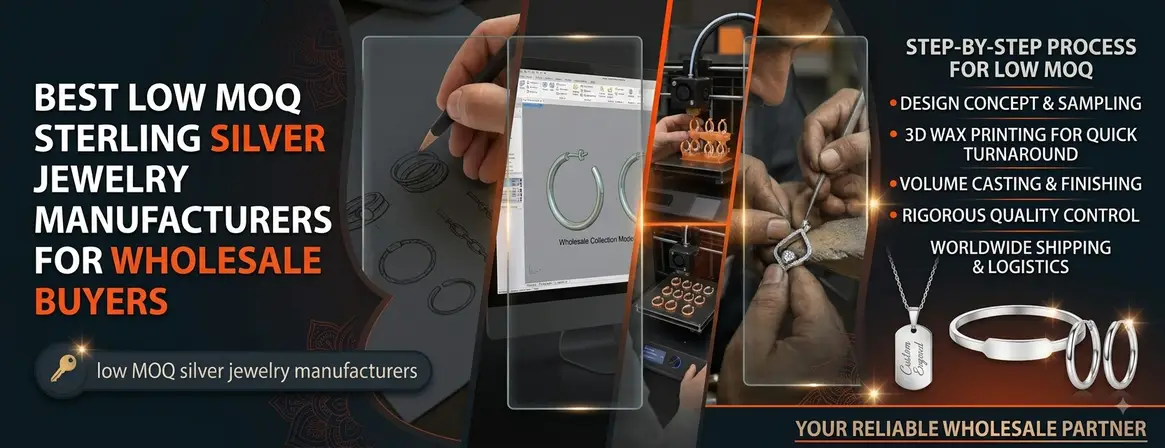
For a startup, boutique, online retailer or test-market buyer, a low minimum order quantity can protect cash flow and reduce unsold inventory. But the smallest MOQ is not automatically the best purchasing decision. A five-piece order produced with unclear metal purity, weak plating, loose stones or inconsistent sizing can cost more than a larger order from a controlled factory.
After more than ten years working with custom gold and silver jewelry production, my advice is to evaluate MOQ together with repeatability. The right low-MOQ manufacturer should be able to make an approved sample, document the specification, reproduce it in a pilot batch and quote a realistic scale-up price. This article therefore does not force suppliers into an unsupported number-one-to-number-ten ranking. It shortlists them by buyer fit and separates published facts from information that must be confirmed directly.
What “low MOQ” means in sterling silver manufacturing
MOQ may mean minimum pieces per SKU, per design, per size, per plating color, per stone option, per purchase order or per production run. These definitions are not interchangeable. A catalog product may be available in 1–10 pieces, while a completely new custom design may require CAD, a master, mold, calibrated stones and a higher commercial minimum.
Ask every supplier for five separate numbers: sample quantity, MOQ per design, MOQ per variation, total order value and repeat-order MOQ. Also ask whether mixed sizes count together and whether the factory charges CAD, mold, tooling, assay, plating and packaging separately.
Buyer-fit shortlist from Jewelslly supplier data
Jewelslly is a B2B jewelry sourcing marketplace where buyers can browse supplier profiles, products, materials and published MOQ information, then send a direct inquiry. The following shortlist is based on information visible on reviewed supplier pages. It is not a quality ranking, and buyers should obtain a dated quotation for their exact design.
Supplier and location | Published status and silver specialization | Published MOQ and services | Buyer-fit interpretation |
|---|---|---|---|
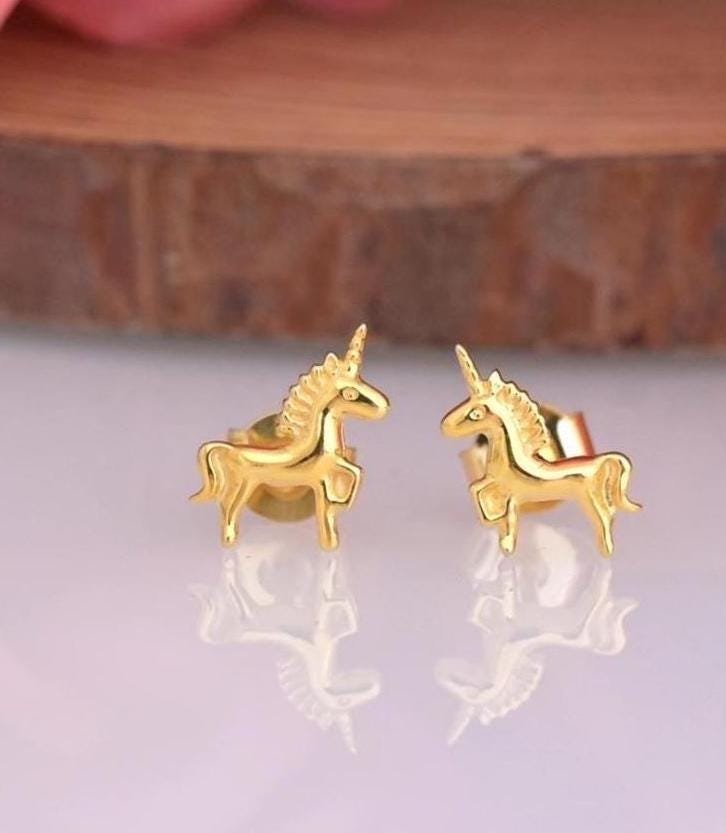
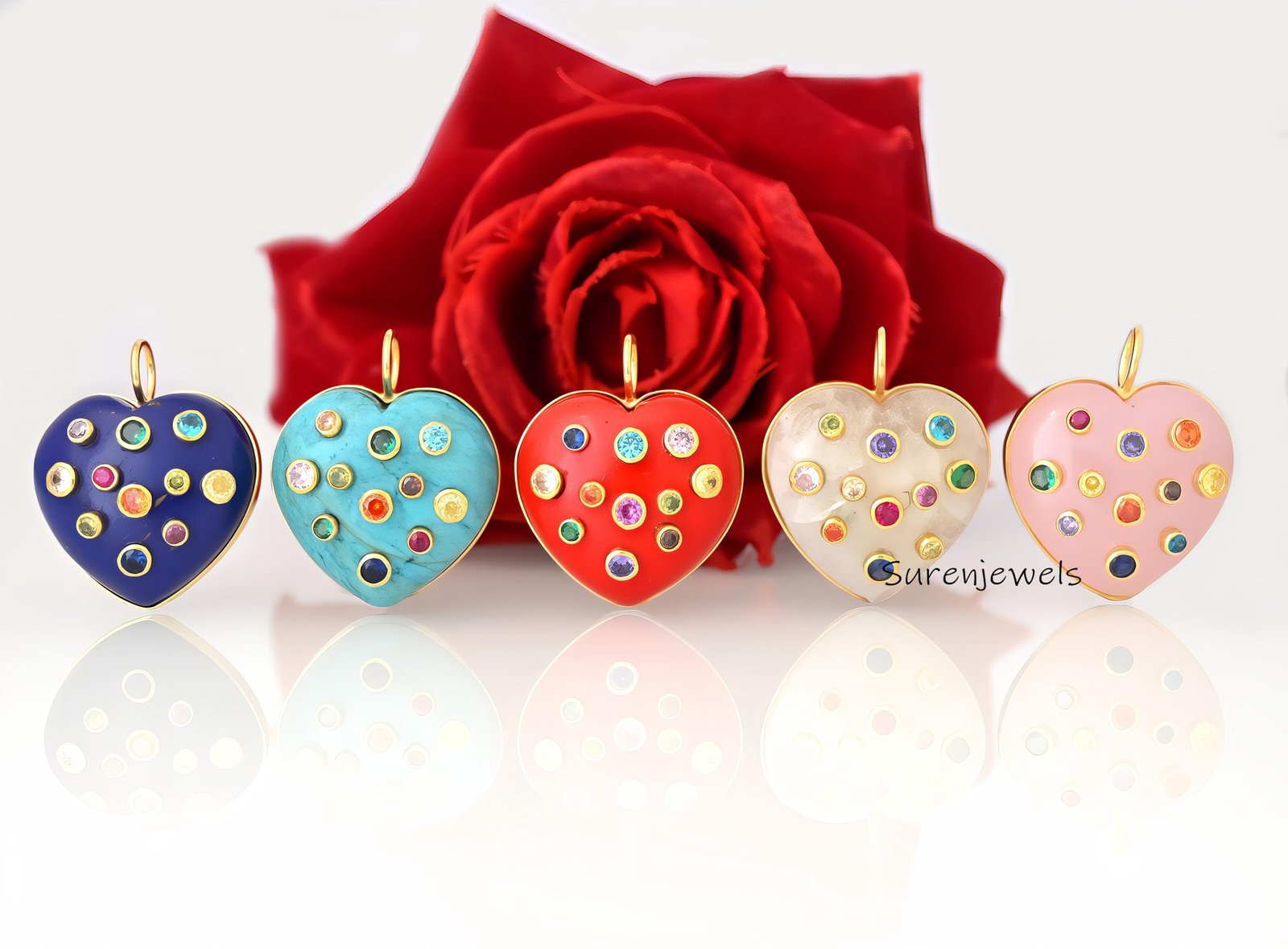
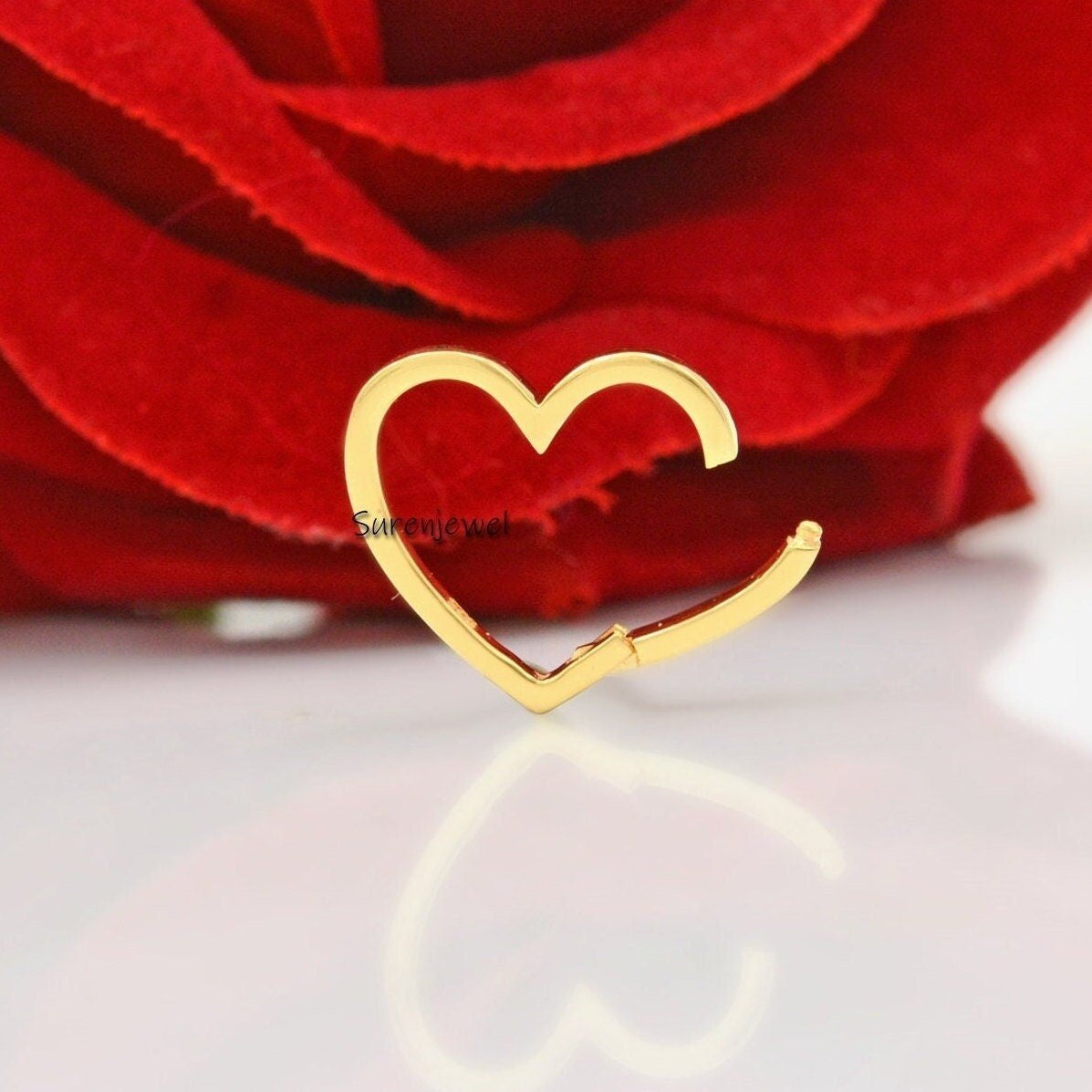
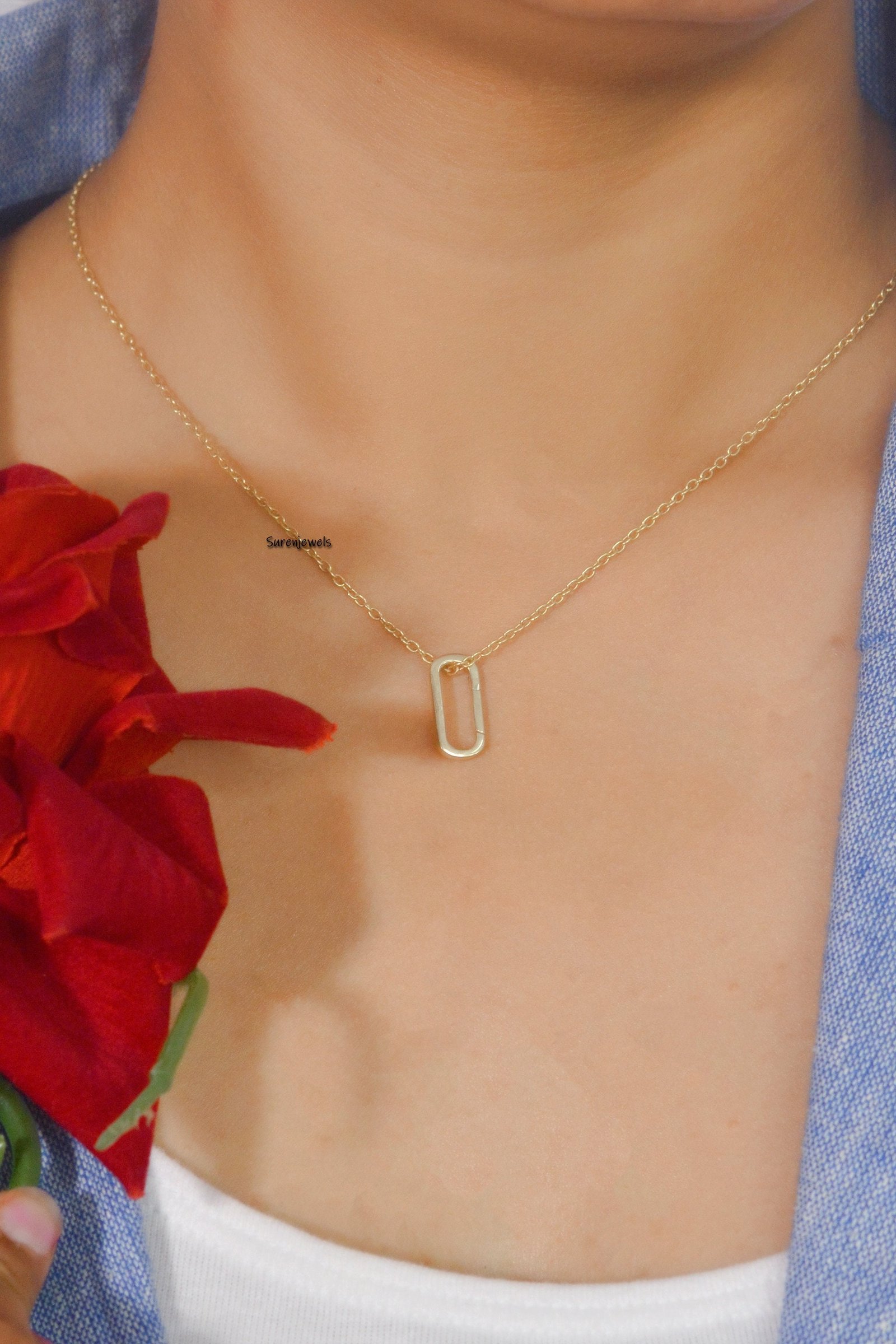
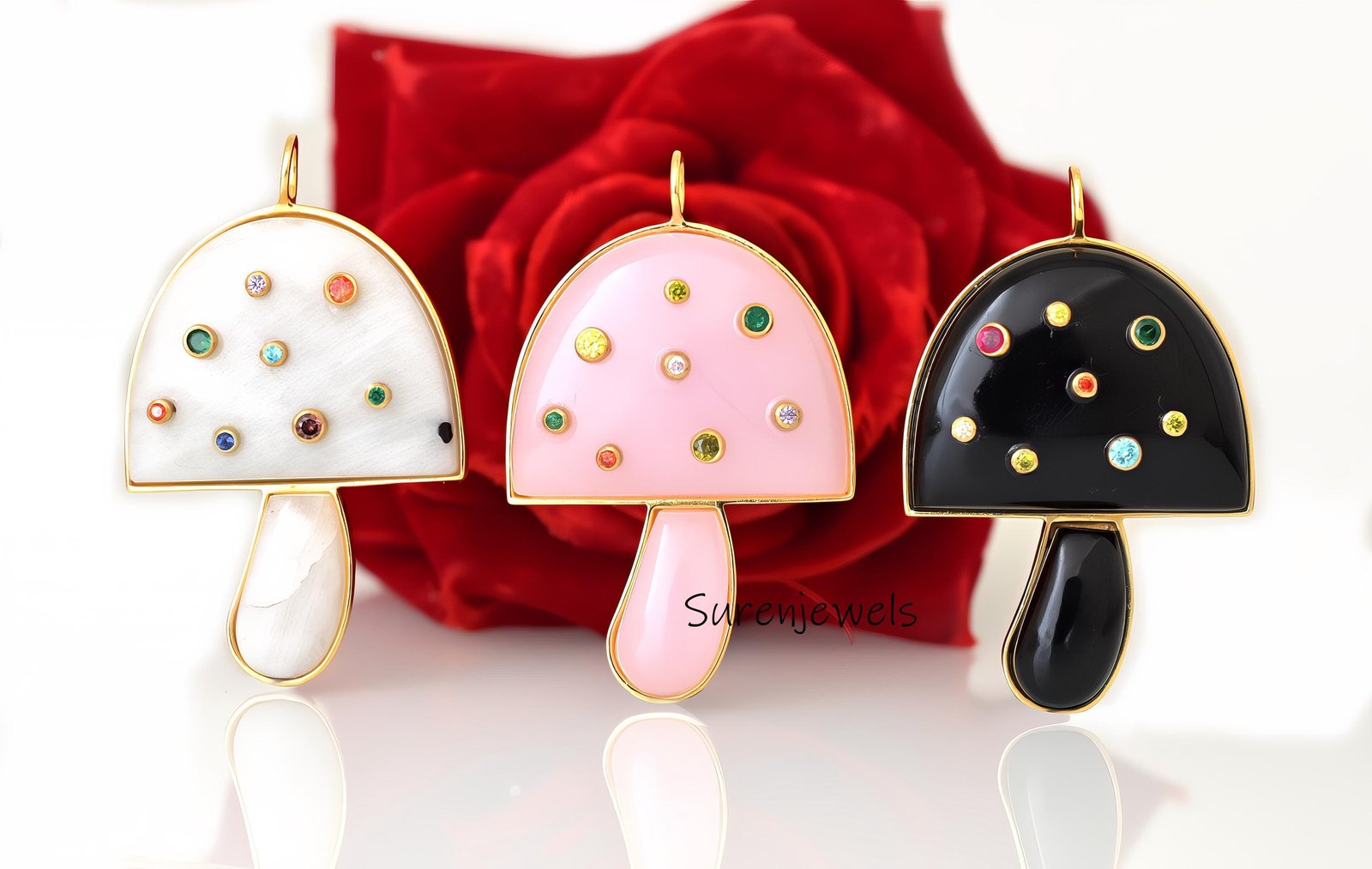
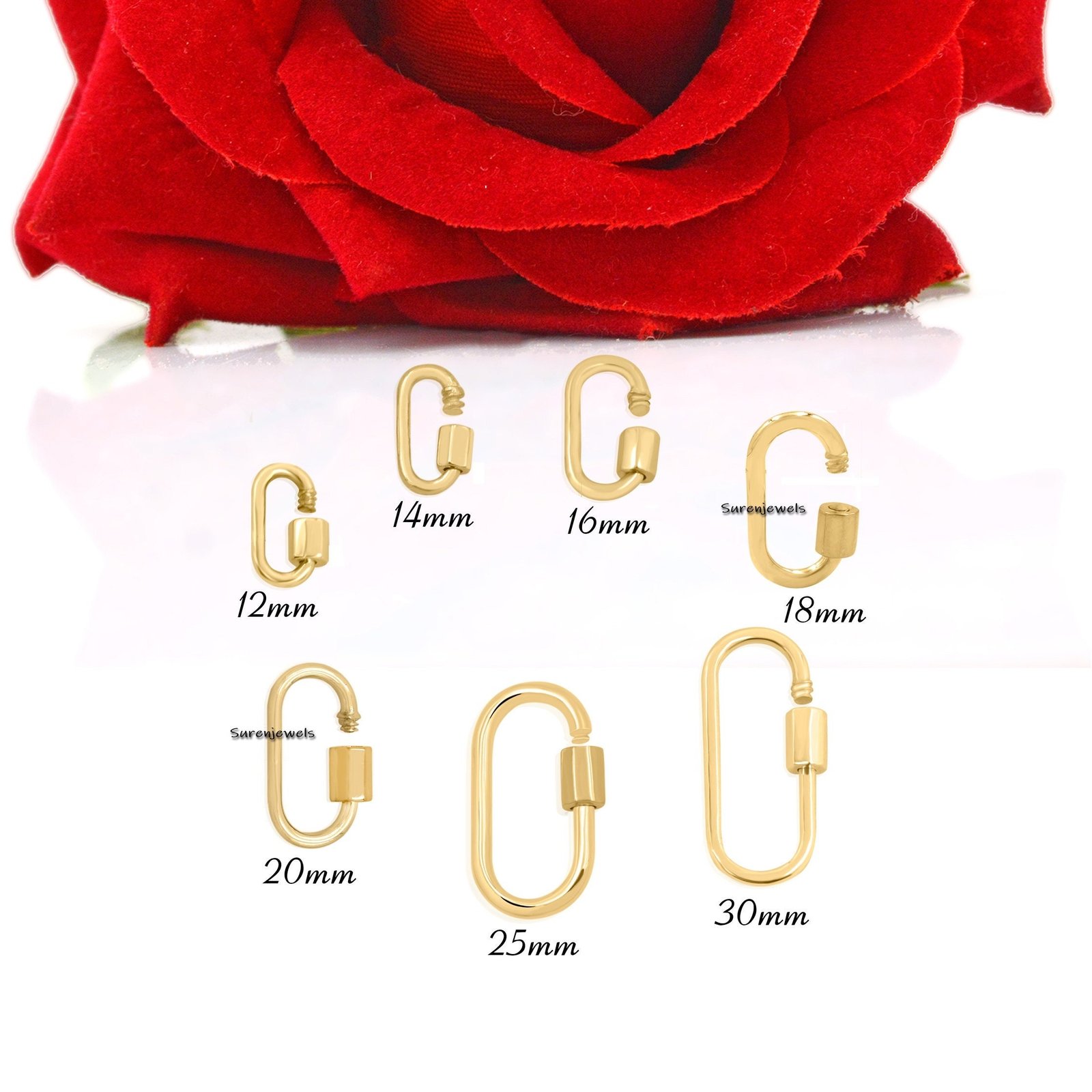
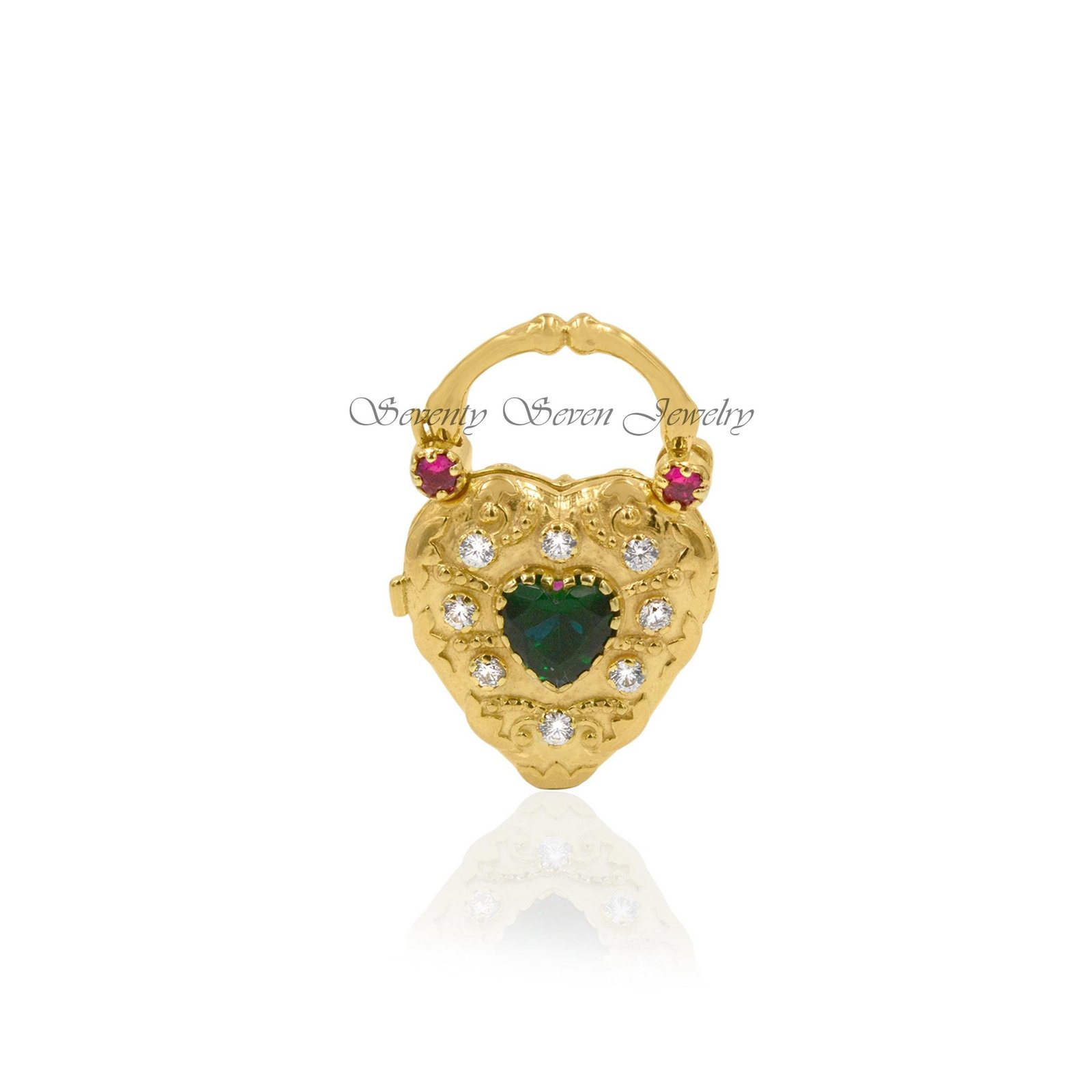
Suren Jewels, Jaipur listing | Verified manufacturer; carved gemstone jewelry; catalog includes 925 silver charm holders, pendants, rings and gemstone pieces | Selected catalog products show MOQ 1–10 pcs; custom orders, private label, white label, OEM/ODM and worldwide shipping; DHL, FedEx and UPS | Strong starting profile for low-volume catalog testing and custom gemstone/silver inquiries; confirm the MOQ for a new design, NDA, sample cost and current lead time |
Anitta Jewels, Jaipur, India | Verified manufacturer; charm-holder manufacturer and supplier; catalog includes sterling silver, 925 silver, gemstones, vermeil-style products and custom orders | Worldwide shipping and DHL are published; reviewed profile did not publish a design-specific MOQ, NDA, packaging or lead time | Relevant for charm holders, gemstone pendants and design-led silver lines; request a written low-MOQ quotation before treating it as a low-MOQ option |
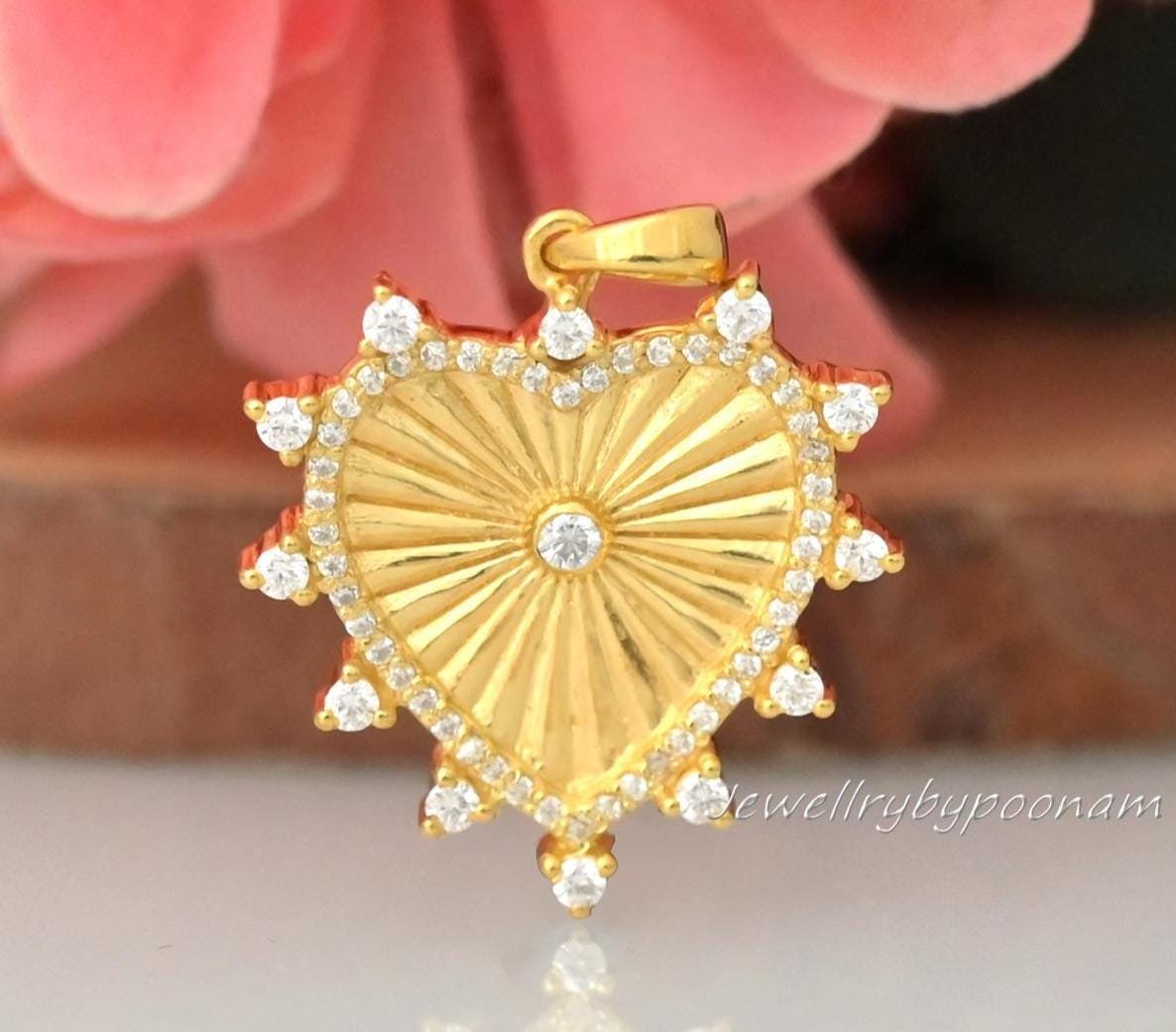
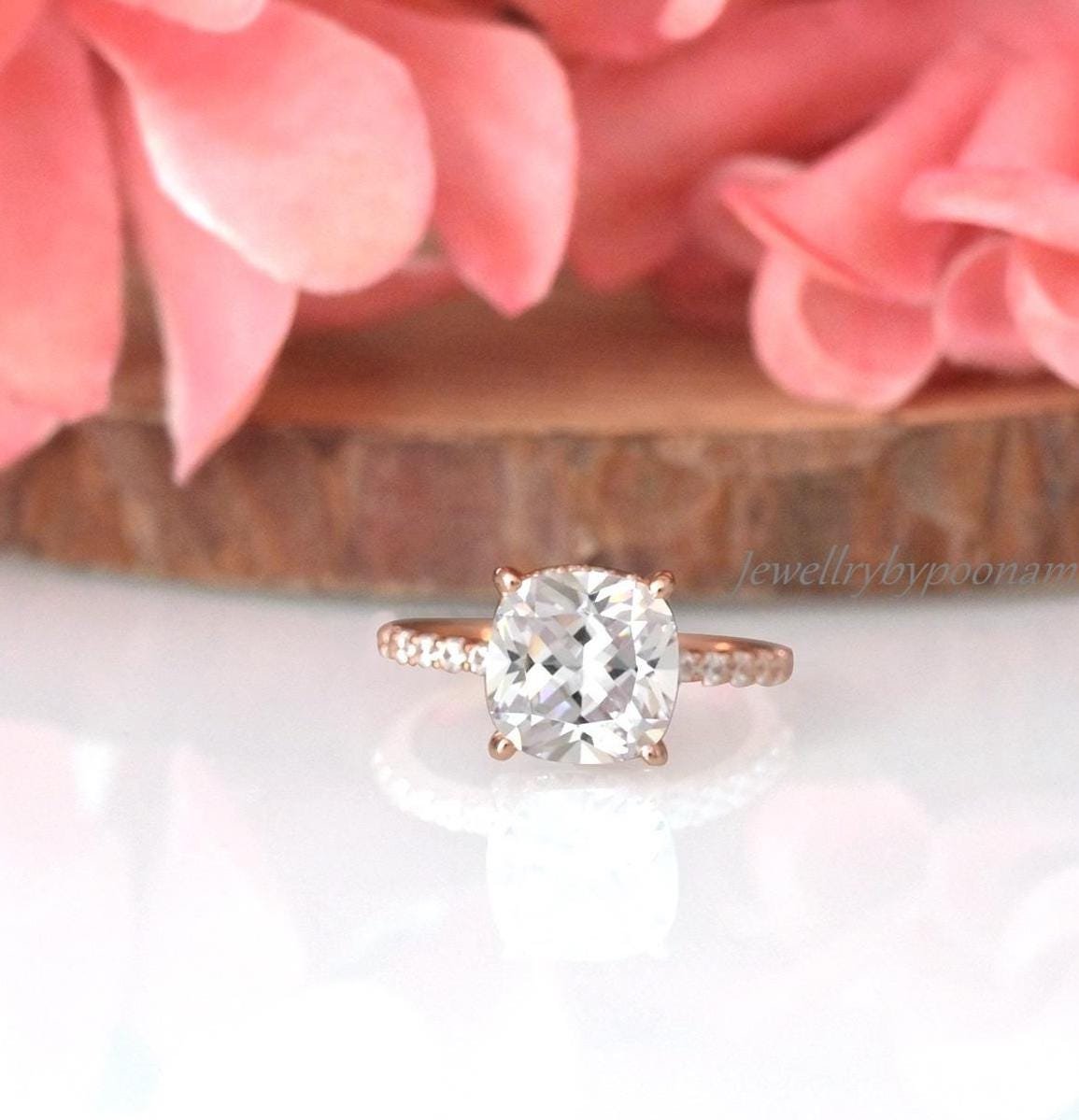
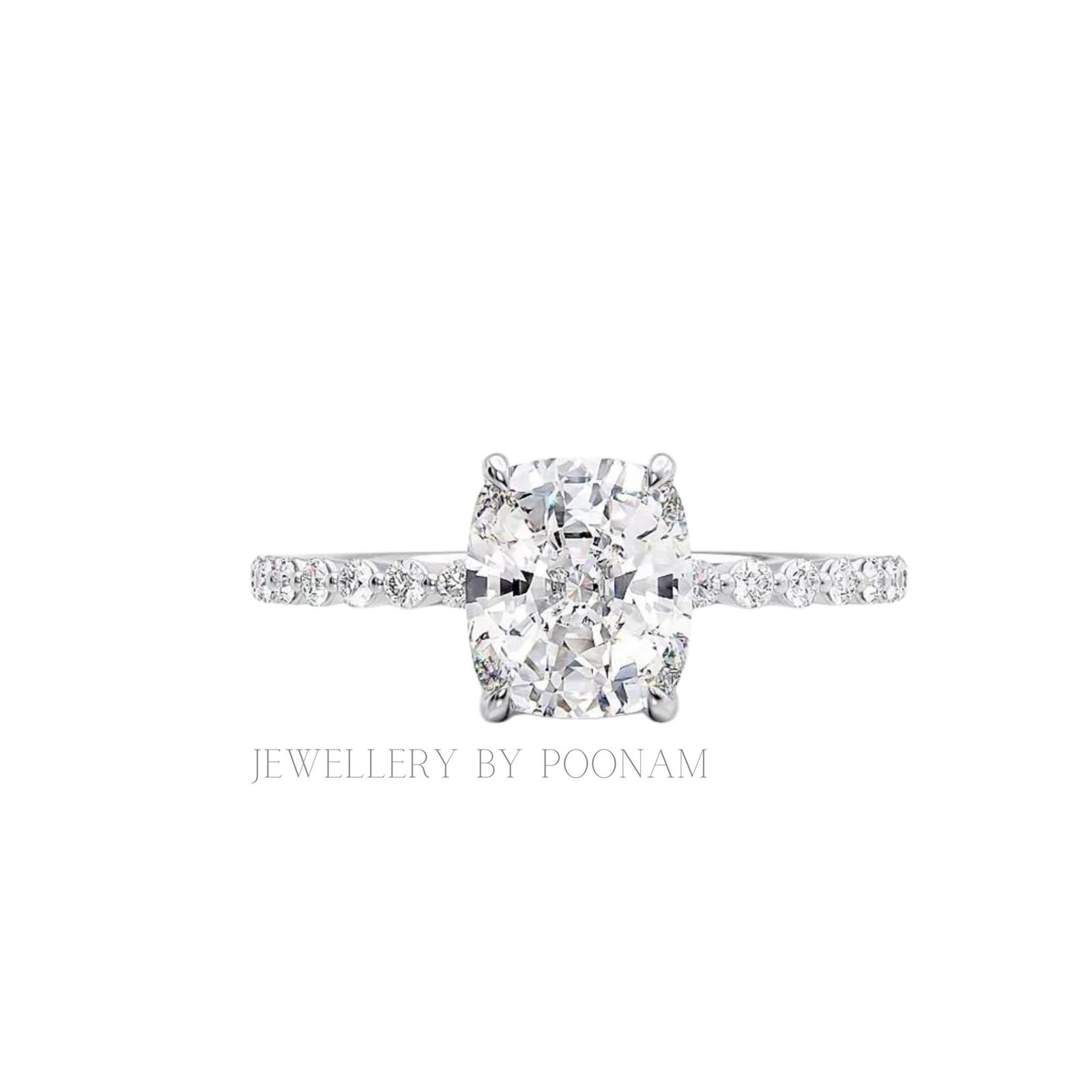
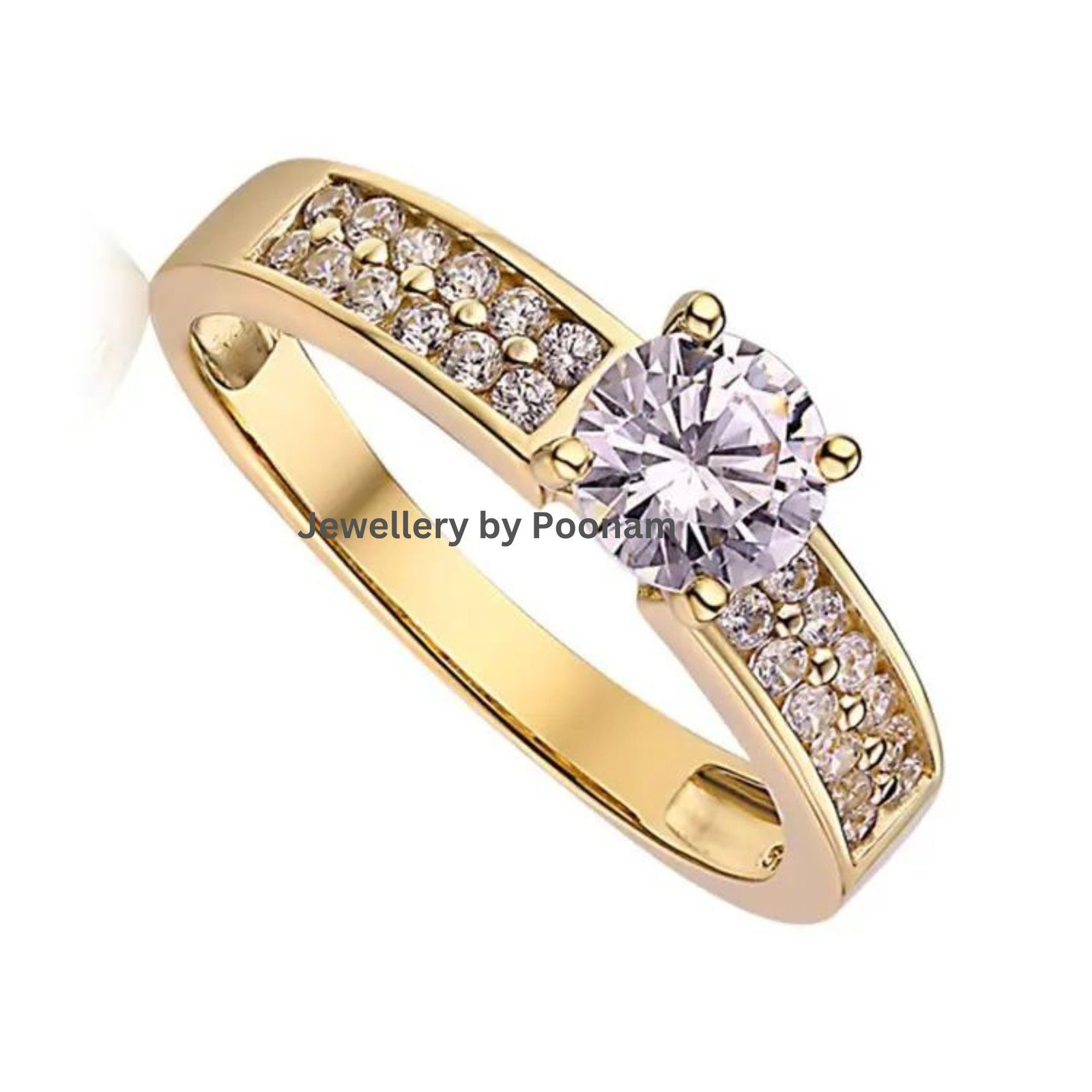
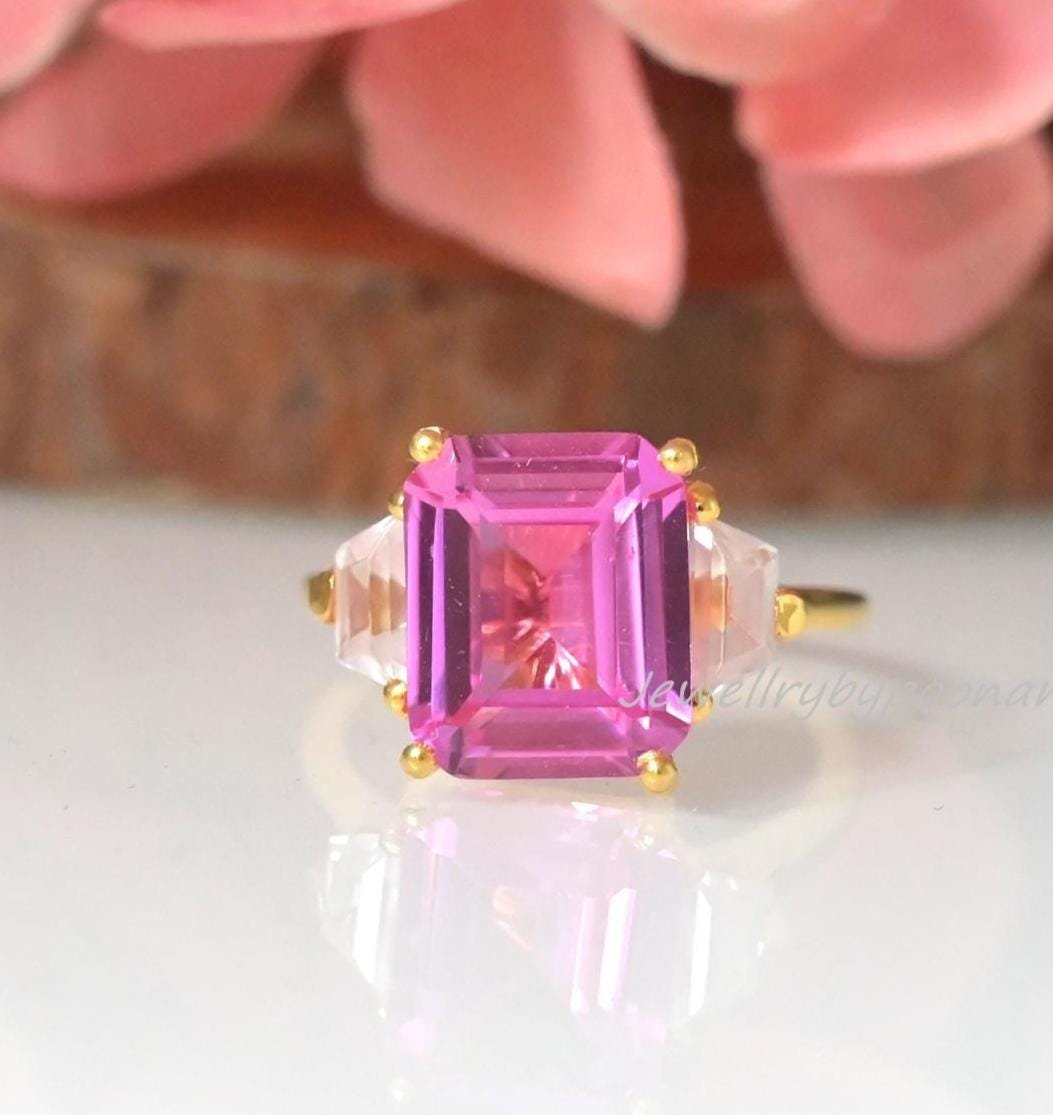
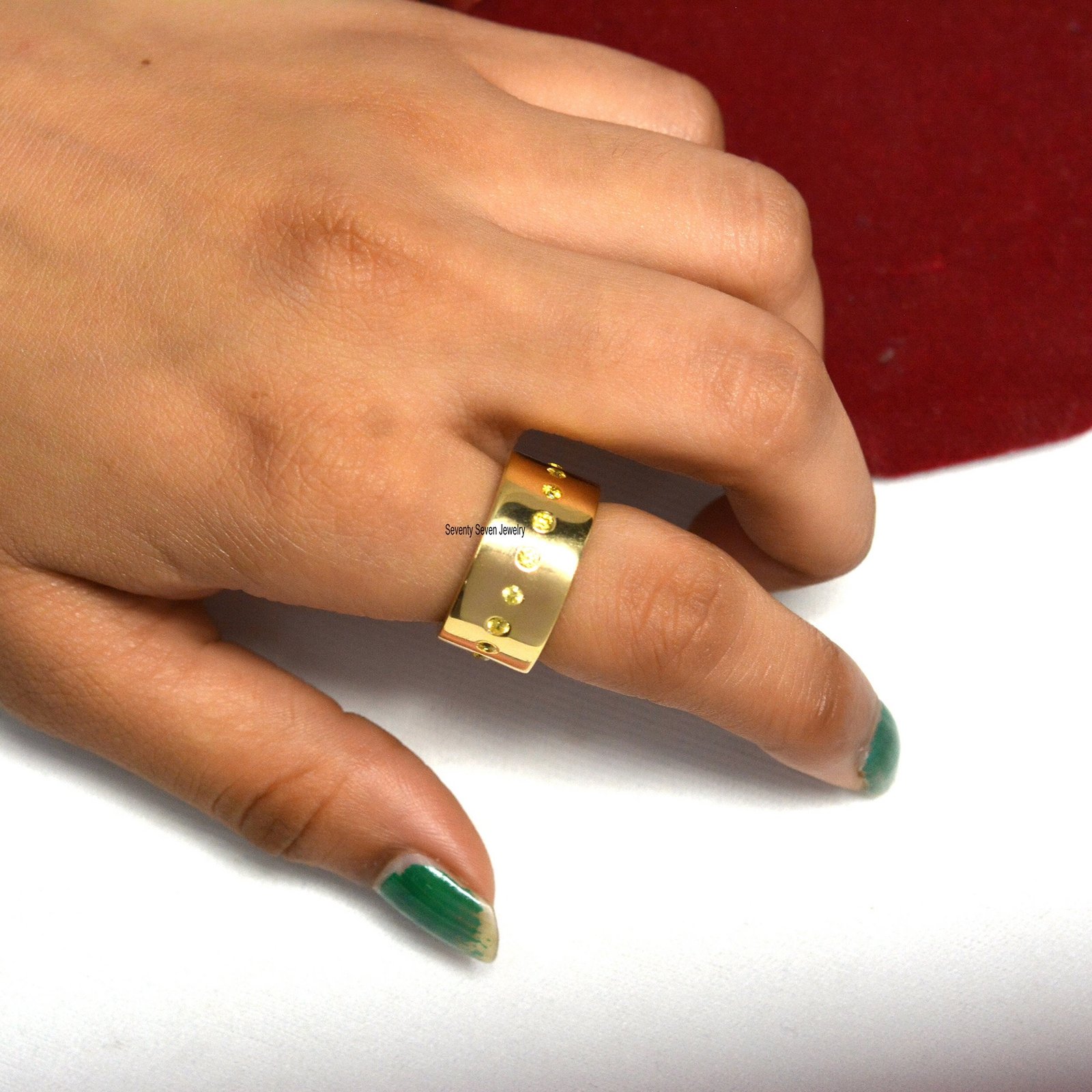
Jewelry By Poonam, Suratgarh, India | Verified manufacturer; gold and diamond wedding jewelry; catalog includes 925 silver studs, pendants, rings, CZ, moissanite and gemstone pieces | Custom orders, worldwide shipping, PayPal/Payoneer and DHL/FedEx are published; reviewed profile did not state custom MOQ, NDA or lead time | Useful for buyers comparing silver with moissanite, CZ or gemstone product lines; confirm private-label and low-MOQ terms directly |
Maroth Jewels, Jaipur, India | Manufacturer, supplier and exporter for custom silver and gold jewelry | Official request page publishes CAD at 3–4 working days, samples at 25–30 days, bulk production at 30–40 days, worldwide shipping at 4–7 days, and NDA/logo engraving on request | Relevant for custom/private-label development; obtain design-specific MOQ, 925 assay, plating, packaging and landed shipping terms in the quotation |
To contact a Jewelslly supplier, open the profile and select Send Inquiry. Where the supplier has enabled it, Jewelslly supports direct WhatsApp contact. Maroth Jewels can also be contacted through its custom request form or this WhatsApp quotation link.
How to compare low MOQ quotations correctly
A low unit price can hide differences in weight, stone grade, plating thickness, clasp quality, packaging and rejection policy. Send every shortlisted factory the same manufacturing brief and request a line-item response.
Your brief should define finished dimensions, target weight or tolerance, 925 sterling silver, alloy restrictions, stone type and size, finish, plating metal and thickness, e-coat or anti-tarnish requirement, logo, hallmark, packaging, quantity by variation, delivery country and required shipping term.
Compare total landed cost, not only EXW unit price. Include CAD, mold, sample, stone, plating, assay or hallmark, laboratory certificate, branded packaging, freight, insurance, customs brokerage, duty, taxes, payment fees, defects and rework. A slightly higher quote may be commercially safer if it includes controlled specifications and a clear remedy for rejected pieces.
What is the minimum order quantity?
For catalog products, the profile or product page may show a range such as 1–10 pieces. That range should not be assumed to apply to a new private-label design. Ask whether the MOQ is per design, per size, per plating color or for the complete order.
Low MOQs are possible when the manufacturer can combine casting runs, use available stones and findings, or sell an existing mold. A custom hinge, clasp, chain, enamel color or calibrated stone may change the minimum. Wholesale buyers should negotiate a paid sample and pilot order rather than demand a production price that cannot support proper setup and QC.
Does the manufacturer accept custom designs?
Confirm whether the factory accepts sketches, reference photos, technical drawings, CAD, STL files or physical samples. Ask how many CAD revisions are included, who owns the CAD and mold, and whether the supplier may resell the design.
For a first project, send one representative design instead of the entire unreleased collection. The factory's response should show technical understanding: wall thickness, stone seats, prongs, solder points, weight, casting shrinkage, chain strength and finish—not only a rendered picture.
Is CAD, mold making and sampling completed in-house?
A manufacturer may control some operations and outsource others. Outsourcing is not automatically a problem, but hidden handoffs weaken accountability. Request a stage matrix covering CAD, printing, master making, rubber or silicone mold, wax injection, casting, filing, setting, polishing, plating, anti-tarnish coating, hallmarking, QC and packing.
Approve CAD by revision number. Then approve a physical “golden sample” that records weight, dimensions, stone map, plating, surface finish, logo position and packaging. The golden sample should remain the reference for production and repeat orders.
Which metals and gemstones are available?
For this topic, require an explicit 925 sterling silver declaration rather than the loose word “silver.” The U.S. Federal Trade Commission explains that “silver,” “sterling” and “sterling silver” describe products containing 92.5% pure silver, and 925 means 925 parts per thousand. Silver-plated base metal is a different product and should not be represented as sterling silver.
For stones, specify natural, treated, synthetic or imitation; shape; dimensions; grade; color range; quantity and certification if required. Common low-MOQ choices include cubic zirconia, moissanite, lab-grown diamonds and calibrated semi-precious stones. Natural stones may vary, so agree an acceptable color and inclusion range before production.
Does the manufacturer sign an NDA?
An NDA should cover sketches, CAD, molds, samples, pricing, launch dates and customer information. It should also define who may access the files, how long confidentiality lasts and whether subcontractors are bound by equivalent terms.
Add design ownership and non-resale clauses to the manufacturing agreement. An NDA alone does not answer who owns the CAD or mold. Watermark early files, use revision numbers and share only the information necessary for the current qualification stage.
What is the sample and production lead time?
Ask for separate timing for quotation, CAD, revisions, resin or wax, silver sample, plating, approval, pilot order, bulk production, final inspection and dispatch. The clock should start from a named event such as deposit receipt plus final CAD approval.
Published lead times are useful evidence of a supplier's stated process but are not guarantees for every design. Custom-cut stones, new molds, complex enamel, multiple sizes, assay or hallmarking, laboratory reports and peak-season capacity can extend delivery. Include buyer approval deadlines so delays are not assigned to the wrong party.
Does the company offer private-label packaging?
Ask whether packaging is produced in-house or by a vendor and whether its MOQ is different from the jewelry MOQ. Confirm box, pouch, insert, care card, barcode, SKU label, country-of-origin marking, outer-carton protection, setup cost and ownership of unused printed inventory.
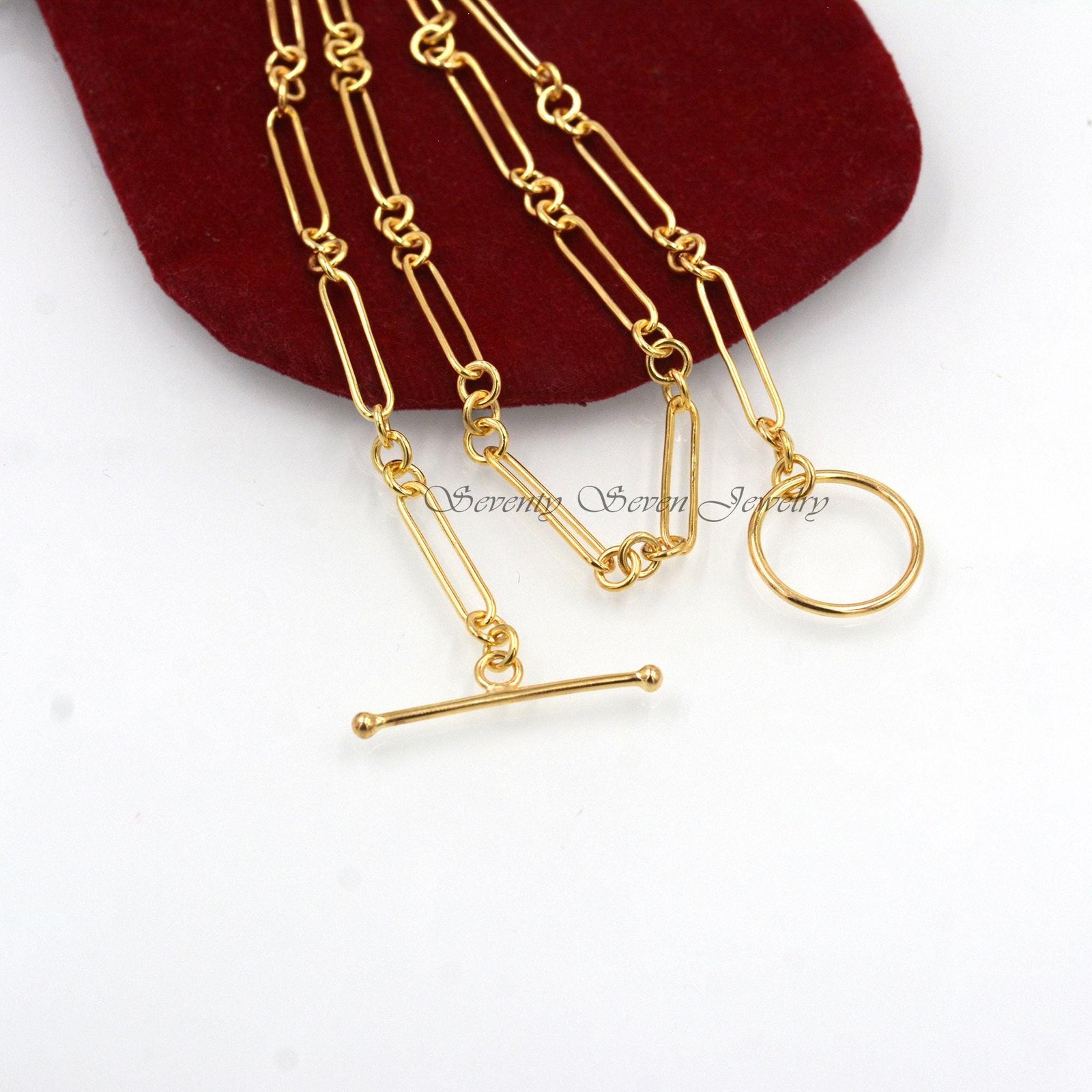
Approve a fully packed shipping sample. Silver chains can tangle and plated surfaces can rub when inserts are not designed correctly. Anti-tarnish paper or a sealed pouch may be useful, but it does not replace proper cleaning, drying and coating control.
How is jewelry quality inspected?
Quality must be measurable. For sterling silver, agree the following checks:
- Metal fineness and the required 925 quality mark or assay evidence
- Finished weight and principal dimensions within stated tolerances
- Correct ring size, chain length, post thickness and clasp function
- Stone count, alignment, security and matching
- Clean solder joints, prongs and galleries
- Surface finish without pits, porosity, fire stain or excessive tool marks
- Plating color and thickness where specified
- E-coat or anti-tarnish process where ordered
- Logo, SKU, hallmark and country-of-origin accuracy
- Correct quantity, packaging and barcode
Inspection should happen after casting, after setting, before and after plating, and before packing. Request a pre-dispatch report with photos, inspected quantity, rejected pieces and corrective action. The purchase order should define whether failed pieces are repaired, remade, credited or replaced and who pays the freight.
Can the manufacturer export worldwide?
“Ships worldwide” is only the first check. Ask for recent destination markets, courier or insured logistics provider, commercial invoice, packing list, HS-code handling, origin information and the proposed Incoterm.
Clarify whether the quote is EXW, FOB, CIF, DAP or DDP; who is importer of record; and who pays customs duty, tax, brokerage, insurance and return freight. A courier name does not itself guarantee insurance for precious-metal jewelry. The buyer should obtain destination-specific customs and labeling advice.
How can buyers request a quotation?
Send a structured request containing:
- Company name, website, target market and delivery country
- Design file or reference link with revision number
- 925 sterling silver requirement and estimated target weight
- Product dimensions, sizes and quantities per variation
- Stone type, size, grade and certificate requirement
- Polish, oxidation, rhodium, gold plating or vermeil specification
- Requested plating thickness and anti-tarnish treatment
- Logo, hallmark and country-of-origin marking
- Packaging, barcode and labeling requirements
- Sample date, pilot quantity and bulk delivery target
- NDA, CAD ownership and mold ownership requirements
- Shipping term, courier and insurance requirement
Ask the supplier to reply with sample quantity, MOQ per design and variation, CAD and mold charges, sample price, production price tiers, payment schedule, lead time, QC method, rejection remedy, packaging cost, freight and quotation validity. Buyers can begin at the Jewelslly marketplace and contact shortlisted supplier profiles directly.
Low MOQ red flags for wholesale buyers
- “925 silver” appears in the title but not in the quotation or specification.
- The supplier cannot explain whether the price is solid sterling silver or plated base metal.
- MOQ is advertised, but sample, mold, plating or packaging minimums are hidden.
- The legal business name and bank beneficiary do not match.
- Production begins before CAD or sample approval.
- No weight, dimension, stone or plating tolerance is documented.
- The manufacturer refuses live production evidence or a paid sample.
- Defect, remake and return-freight responsibility is missing from the purchase order.
- DDP or “no duty” is promised without identifying the importer of record.
- The factory promises every technique and an unrealistic delivery date without technical questions.
Recommended pilot-order strategy
- Shortlist suppliers by the exact product category: chains, charms, rings, gemstone jewelry, CZ, moissanite or enamel.
- Obtain identical line-item quotations using one controlled specification.
- Complete legal, bank and factory verification.
- Approve CAD and one production-material sample.
- Create a signed golden-sample record.
- Place a low-volume pilot across the required sizes or colors.
- Inspect the pilot and record every defect by category.
- Reorder only after the supplier closes corrective actions and confirms repeat-order timing.
Final buyer recommendation
The best low MOQ sterling silver jewelry manufacturer is the one that fits your product, accepts a commercially realistic pilot, documents 925 silver and every finish requirement, and can repeat the approved sample. Published MOQ is valuable, but it is only one part of supplier qualification.
Use Jewelslly to discover and compare profiles, catalog products and inquiry options. Then convert every important claim—MOQ, custom service, NDA, in-house stages, sample time, packaging, QC and worldwide shipping—into a dated quotation, approved sample and purchase order. That is how wholesale buyers turn low MOQ sourcing into a scalable supply relationship.