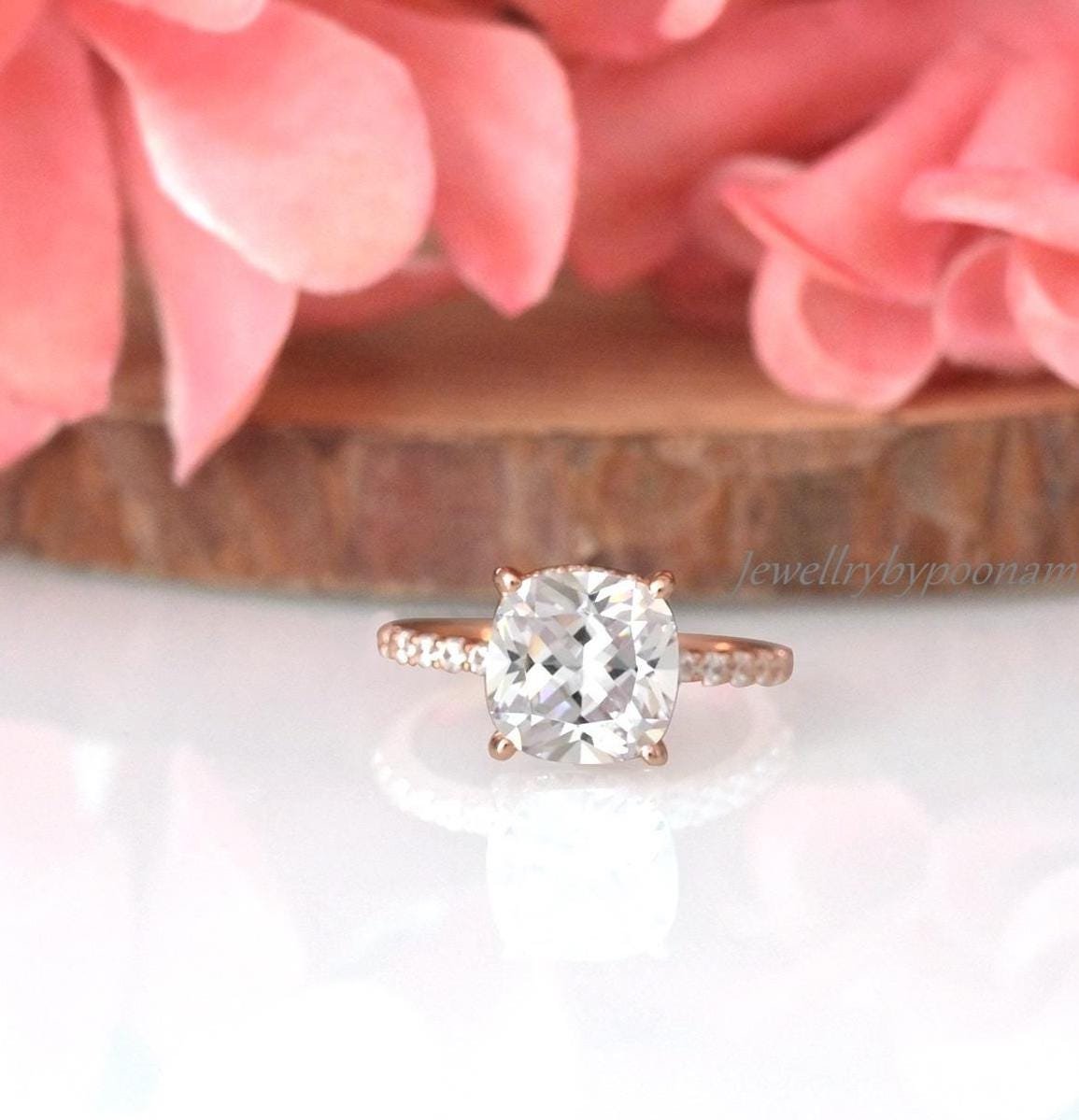
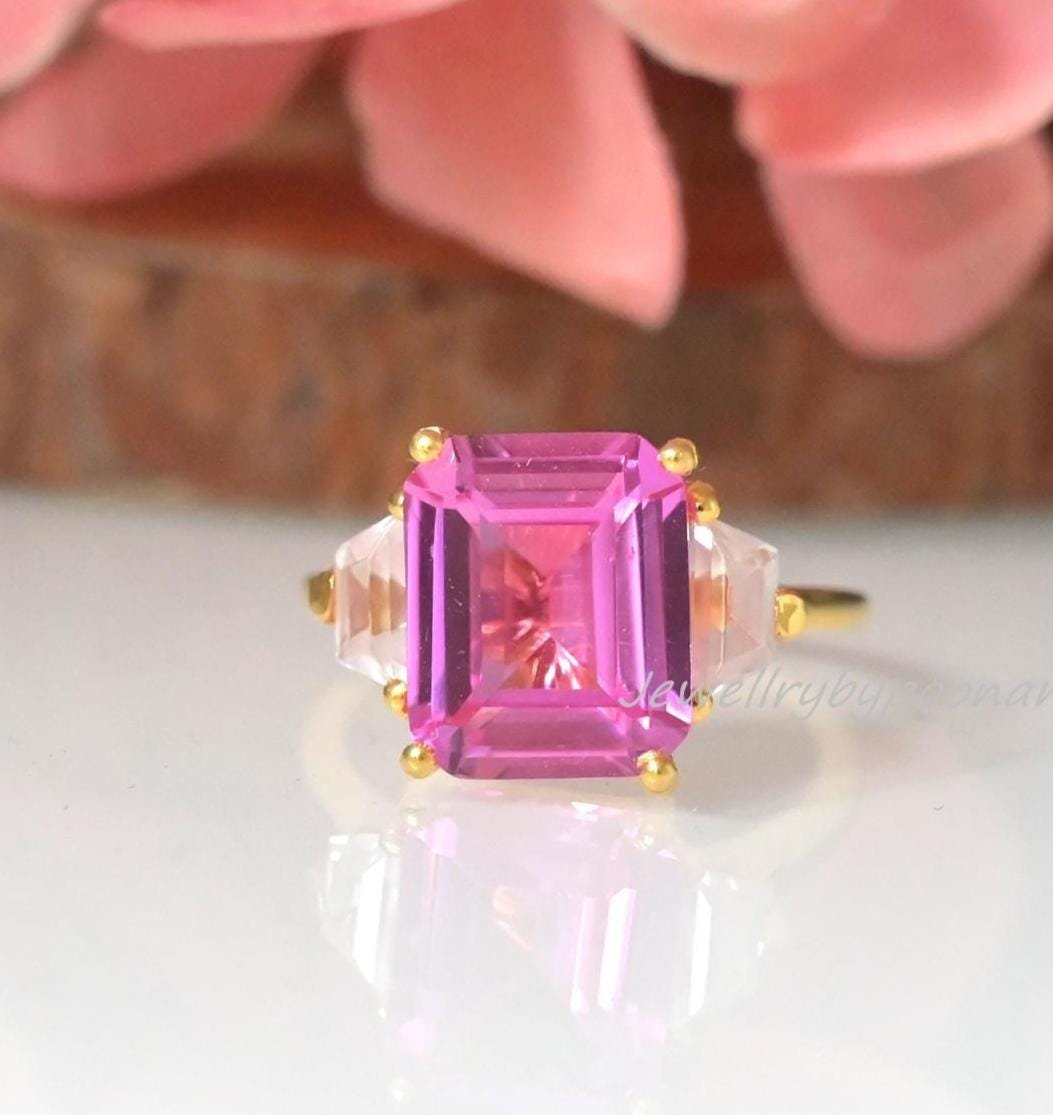
Top 5 B2C Platforms to Sell Jewellery Online
A complete, fee-by-fee comparison of Etsy, Shopify, Amazon Handmade, eBay, and Facebook & Instagram Shops — so you can pick the right storefront for your jewelry business.
Choosing where to sell your jewelry online is one of the biggest decisions a jewelry business makes — and it's rarely just about traffic. Jewelry buyers behave differently from buyers of almost anything else: they zoom in on photos, they care deeply about return policies, they want to trust that a "14K gold" listing is actually 14K gold, and they're often buying an emotional gift, not a commodity. The platform you choose shapes how much of that trust-building work is done for you, and how much comes out of your margin in fees.
This guide breaks down the five most common B2C platforms jewelry sellers use in 2026 — what each one actually costs, who it's best suited for, and how to think about picking one (or several) for your business.
Quick Comparison: Jewelry Selling Platforms at a Glance
Platform | Best For | Core Fees (2026) | Audience |
Etsy | Handmade, vintage & custom jewelry | $0.20 listing + 6.5% transaction + ~3%+$0.25 processing | ~90M+ intent-driven buyers |
Shopify | Building your own brand | $29–$299+/mo plans + 2.4–2.9% + 30¢ processing | You bring your own traffic |
Amazon Handmade | Scaling handcrafted jewelry with Prime reach | Flat 15% referral fee, no monthly fee | 300M+ active shoppers |
eBay | Vintage, estate & luxury resale | ~13.6% final value fee (tiered lower on high-value jewelry) | 130M+ active buyers |
Facebook & Instagram Shops | Social-first, community-driven selling | ~5% on Marketplace shipped items; often $0 direct commission via Instagram tagging | Reach via content & community |
1. Etsy — Best for Handmade, Vintage & Custom Jewelry
Etsy remains the default first stop for independent jewelry makers, and for good reason: its entire audience arrives already looking for handmade, vintage, or personalized pieces. That built-in buying intent is hard to replicate anywhere else without paying for ads.
Etsy Fees (2026)
- Listing fee: $0.20 per item, renews every 4 months or upon sale
- Transaction fee: 6.5% of the total sale price, including shipping and gift wrap
- Payment processing: 3% + $0.25 per transaction (US sellers; varies by country)
- Offsite Ads fee: 12–15% on sales attributed to off-Etsy ads (mandatory above $10,000/year in sales)
- Optional: Etsy Plus subscription, $10/month
Most sellers land at an effective fee rate of roughly 10–13% per sale before Offsite Ads, and up to 20–28% on sales where Offsite Ads apply.
Pros
- Built-in audience specifically shopping for handmade and unique jewelry
- Low barrier to entry — no monthly subscription required to start
- Strong SEO value; Etsy listings often rank well in Google search themselves
Cons
- Fees stack quickly on lower-priced items
- Increasingly saturated — standing out requires strong SEO and photography
- Mandatory Offsite Ads fee once you cross $10,000 in annual sales
Best fit: independent makers, custom and personalized jewelry sellers, and vintage/estate jewelry resellers.
2. Shopify — Best for Building Your Own Jewelry Brand
Shopify is a different kind of platform entirely — you're not listing on someone else's marketplace, you're renting the software to run your own branded storefront. That means full control over design, customer data, and pricing, but it also means you're responsible for bringing your own traffic.
Shopify Fees (2026)
- Basic plan: $39/month ($29/month billed annually)
- Grow plan: $105/month ($79/month billed annually)
- Advanced plan: $399/month ($299/month billed annually)
- Shopify Payments processing: 2.9% + 30¢ (Basic), dropping to 2.7% and 2.5% on higher tiers
- Third-party payment gateway surcharge: 0.6–2.0% extra if you skip Shopify Payments
- Apps, premium themes, and custom development are separate, optional costs
Using Shopify Payments eliminates the extra transaction surcharge entirely — most sellers are advised to use it by default.
Pros
- Total control over branding, checkout experience, and customer relationships
- No marketplace competitor listings next to yours
- Scales well — the same platform supports a first sale and a seven-figure jewelry brand
Cons
- No built-in audience — marketing and traffic generation is entirely on you
- Monthly subscription cost applies whether or not you make a sale
- Total cost of ownership grows with apps, themes, and integrations
Best fit: jewelry brands ready to invest in their own marketing and build long-term brand equity rather than renting a marketplace audience.
3. Amazon Handmade — Best for Scaling Handcrafted Jewelry
Amazon Handmade is Amazon's answer to Etsy — an invite-only storefront within Amazon's marketplace, reserved for genuinely handcrafted goods. The trade-off for Amazon's enormous reach is a flat, simple fee and a stricter application process.
Amazon Handmade Fees (2026)
- Referral fee: 15% of the total sale price (item + shipping), or $0.30 minimum, whichever is greater
- Monthly Professional selling plan fee ($39.99): waived for approved Handmade sellers
- No separate listing fee
- Optional FBA fulfillment: additional storage and pick-pack fees if you opt in for Prime eligibility
Handmade jewelry, along with watches, is an explicitly supported category on Amazon Handmade.
Pros
- Access to Amazon's massive, high-intent shopper base
- Simple, predictable flat-fee structure — easy to price around
- Prime-eligible listings (via FBA or Seller-Fulfilled Prime) convert noticeably better
Cons
- Application and audit process required to prove products are genuinely handmade
- 15% referral fee is higher than Etsy's effective rate on most sales
- Less community/storytelling feel than Etsy; more transactional shopping experience
Best fit: handmade jewelry sellers with consistent, repeatable inventory who want Amazon-scale reach without building their own traffic.
4. eBay — Best for Vintage, Estate & Luxury Jewelry
eBay's auction-and-fixed-price hybrid model, combined with fee tiers that actually favor higher-value items, makes it a strong fit for vintage, estate, and luxury jewelry resale — a niche where Etsy and Amazon Handmade are a poor fit since they're built around new, handmade goods.
eBay Fees (2026)
- Final value fee: roughly 13.6% of the total sale (item + shipping) for most standard categories
- Per-order fee: $0.30 (orders $10 or under) or $0.40 (orders over $10)
- Jewelry & watches use tiered rates: fees are typically highest on the first portion of the sale price and drop substantially above certain thresholds — meaning a high-value piece can carry a noticeably lower effective fee rate than a low-value one
- First 250 listings per month are free; additional listings cost $0.35 each without a Store subscription
- International sales carry an additional ~1.65% fee; currency conversion adds ~3%
The tiered structure on fine jewelry and watches means resellers of high-end pieces often pay a meaningfully lower effective percentage than sellers in standard categories.
Pros
- Fee tiers reward higher-value sales — a strong fit for fine and estate jewelry
- Established trust and buyer base for pre-owned and vintage goods
- Auction format can drive competitive bidding on rare or unique pieces
Cons
- Final value fees apply to shipping charges too, not just the item price
- Poor seller performance metrics can add a 5–6% surcharge on top of standard fees
- Less suited to new, mass-produced, or repeat-inventory jewelry lines
Best fit: resellers of vintage, estate, and luxury jewelry, and sellers moving one-of-a-kind or rare pieces rather than repeatable inventory.
5. Facebook & Instagram Shops — Best for Social-First Selling
Meta's commerce tools work differently from a traditional marketplace: instead of competing for search visibility against thousands of other listings, you're selling directly to an audience you've built through content, community, and relationships — a natural fit for jewelry brands with a strong visual identity.
Facebook & Instagram Fees (2026)
- Facebook Marketplace (shipped items): 5% selling fee on items $8 and above; flat $0.40 on items under $8
- Facebook Marketplace (local pickup): $0 — no selling fee at all
- Instagram Shop (product tagging → checkout on your own site): typically $0 direct commission from Instagram, since checkout happens on your website and your existing payment processor's fees apply instead
- Meta Commerce Manager native checkout (where available): processing fees around 2.9–3.49% depending on payment method
Because native in-app checkout has been wound down in most major markets, most 2026 Instagram Shop sales route to the seller's own website at checkout — meaning your actual costs are largely your own site's payment processing fees, not a Meta commission.
Pros
- Among the lowest platform fees of any option on this list
- Directly leverages content, Reels, and community-building you're likely already doing
- Strong fit for visually distinctive, story-driven jewelry brands
Cons
- No built-in marketplace search intent — buyers need to already be following or discovering your content
- Requires consistent content investment (commonly 10–30 hours/month for active accounts)
- Best paired with your own Shopify or website checkout rather than used entirely standalone
Best fit: jewelry brands with an active social media presence looking to convert followers into buyers at minimal platform cost.
How to Choose the Right Platform for Your Jewelry Business
If you are… | Start with | Why |
An independent maker just starting out | Etsy | Built-in buyer intent, low upfront cost |
Ready to build a long-term, branded business | Shopify | Full control, no marketplace competition |
Producing consistent handmade inventory at volume | Amazon Handmade | Prime access, massive built-in reach |
Selling vintage, estate, or luxury pieces | eBay | Fee tiers favor higher-value items |
Active on social media with an engaged following | Facebook & Instagram Shops | Lowest fees, converts existing content |
Don't Forget the Supply Side
Every one of these platforms solves the same half of the equation: getting your jewelry in front of buyers. But none of them help with the other half — sourcing the gold, gemstones, findings, or finished pieces you're actually going to sell. If you're stocking a storefront on any of the platforms above, sourcing directly from verified manufacturers rather than a reseller is what protects your margin once platform fees are already taken out. That's the gap a B2B jewelry sourcing platform like Jewelslly is built to close — connecting you directly with manufacturers across necklaces, rings, earrings, bracelets, and more, with no commission added on top.
Frequently Asked Questions
Q: What is the best platform to sell jewelry online in 2026?
A: There's no single "best" platform — it depends on your product. Etsy suits handmade and custom jewelry, Amazon Handmade suits scaling handcrafted lines with Prime reach, eBay suits vintage and luxury resale, Shopify suits sellers ready to build their own brand, and Facebook/Instagram Shops suit sellers with an existing social following.
Q: Is Etsy or Shopify better for selling jewelry?
A: Etsy gives you an existing audience actively searching for jewelry, but you compete directly with other sellers and pay per-sale fees. Shopify gives you full control and no on-platform competition, but you're responsible for all your own traffic and marketing. Many successful jewelry brands eventually run both — Etsy for discovery, Shopify for long-term brand building.
Q: How much does it cost to sell jewelry on Etsy?
A: Etsy charges a $0.20 listing fee, a 6.5% transaction fee on the total sale (including shipping), and a payment processing fee of about 3% + $0.25 for US sellers. Most sellers see an effective fee rate of roughly 10–13% per sale, higher if Offsite Ads apply.
Q: What fees does Amazon Handmade charge?
A: Amazon Handmade charges a flat 15% referral fee on the total sale price (item plus shipping), with a $0.30 minimum. There's no separate listing fee, and the standard $39.99/month Professional selling fee is waived for approved Handmade sellers.
Q: Can I sell fine or luxury jewelry on eBay?
A: Yes — eBay is a particularly strong fit for fine and luxury jewelry because its fee structure is tiered, often dropping the effective percentage rate on higher-value items compared to standard categories. It's widely used for vintage, estate, and pre-owned luxury jewelry resale.
Q: Which platform has the lowest fees for selling jewelry?
A: Facebook Marketplace and Instagram Shops typically carry the lowest direct platform fees — around 5% on shipped Marketplace sales, and often no direct commission on Instagram-tagged sales that check out on your own website. Shopify can also be very cost-efficient at higher sales volumes, since its fees are largely fixed monthly costs rather than a percentage of each sale.
Q: Do I need a business license to sell jewelry online?
A: Requirements vary by country and region, but most jurisdictions require some form of business registration once you're selling regularly rather than as an occasional hobby, particularly if you're using precious metals or gemstones and making related quality claims. Check your local and national requirements before scaling up.
Q: Is it safe to sell jewelry on Facebook Marketplace?
A: Facebook Marketplace is commonly used for jewelry sales, but higher-value items carry more risk with local, cash-based transactions specifically. Using Facebook's shipping and checkout tools (which include buyer protections) rather than arranging off-platform payment is generally the safer approach for valuable pieces.
Q: Can I sell my jewelry on multiple platforms at the same time?
A: Yes, and many established sellers do — commonly using Etsy or Amazon Handmade for marketplace discovery alongside a Shopify store for brand-building, with Facebook and Instagram Shops layered on top for social-driven sales. Just make sure your inventory tracking accounts for sales across every channel to avoid overselling a one-of-a-kind piece.
Q: How do I price my jewelry to account for platform fees?
A: Calculate your total platform cost per sale (listing fees, transaction fees, payment processing, and any advertising fees) as a percentage of your target sale price, then build that percentage into your pricing on top of your material and labor costs. On Etsy, for example, budgeting for roughly 10–13% in combined fees is a reasonable starting point before ads.
Q: What's the real difference between Etsy and Amazon Handmade?
A: Etsy has lower effective fees (roughly 10–13% vs. Amazon's flat 15%) and a stronger community/storytelling feel, but a smaller audience (~90 million buyers vs. Amazon's 300 million+). Amazon Handmade requires an approval process and stricter proof that products are genuinely handcrafted, but offers Prime eligibility and significantly larger reach.
Q: Do I need product liability insurance to sell jewelry online?
A: It's not universally required by platforms, but it's strongly recommended, particularly for pieces using precious metals, gemstones, or components that could cause allergic reactions or injury. Many experienced sellers carry liability coverage as standard practice, regardless of platform.
Q: How important is photography for online jewelry sales?
A: Extremely — jewelry is a highly visual, detail-driven purchase, and buyers routinely zoom in to check craftsmanship, stone clarity, and finish before buying. Investing in quality macro photography (natural light, a plain background, and multiple angles) consistently improves conversion rates across every platform on this list.
Q: Should I build my own website instead of selling on a marketplace?
A: It depends on your stage. Marketplaces like Etsy and Amazon Handmade are generally better for discovery when you're starting out, since they bring built-in buyer intent. A platform like Shopify becomes more valuable once you have consistent sales and want to own your customer relationships, reduce long-term fee dependency, and build a distinct brand rather than compete inside someone else's marketplace.
Q: Where do jewelry sellers source their inventory or materials from?
A: Many jewelry sellers source gold, silver, gemstone, and finished-piece inventory directly from verified manufacturers through B2B sourcing platforms like Jewelslly, which connects buyers with suppliers across categories like rings, necklaces, earrings, and bracelets without adding a commission on top of the manufacturer's own price.