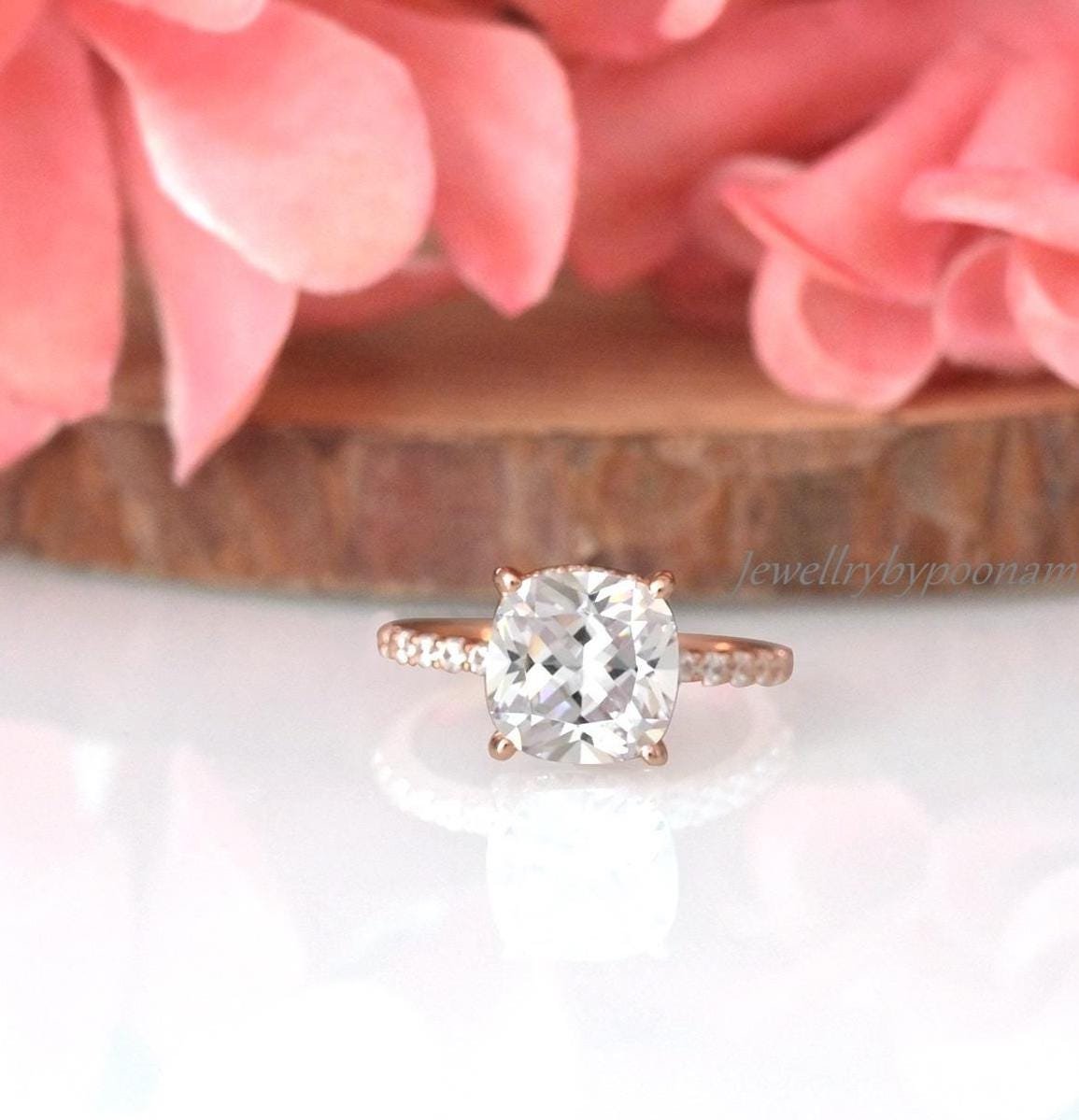
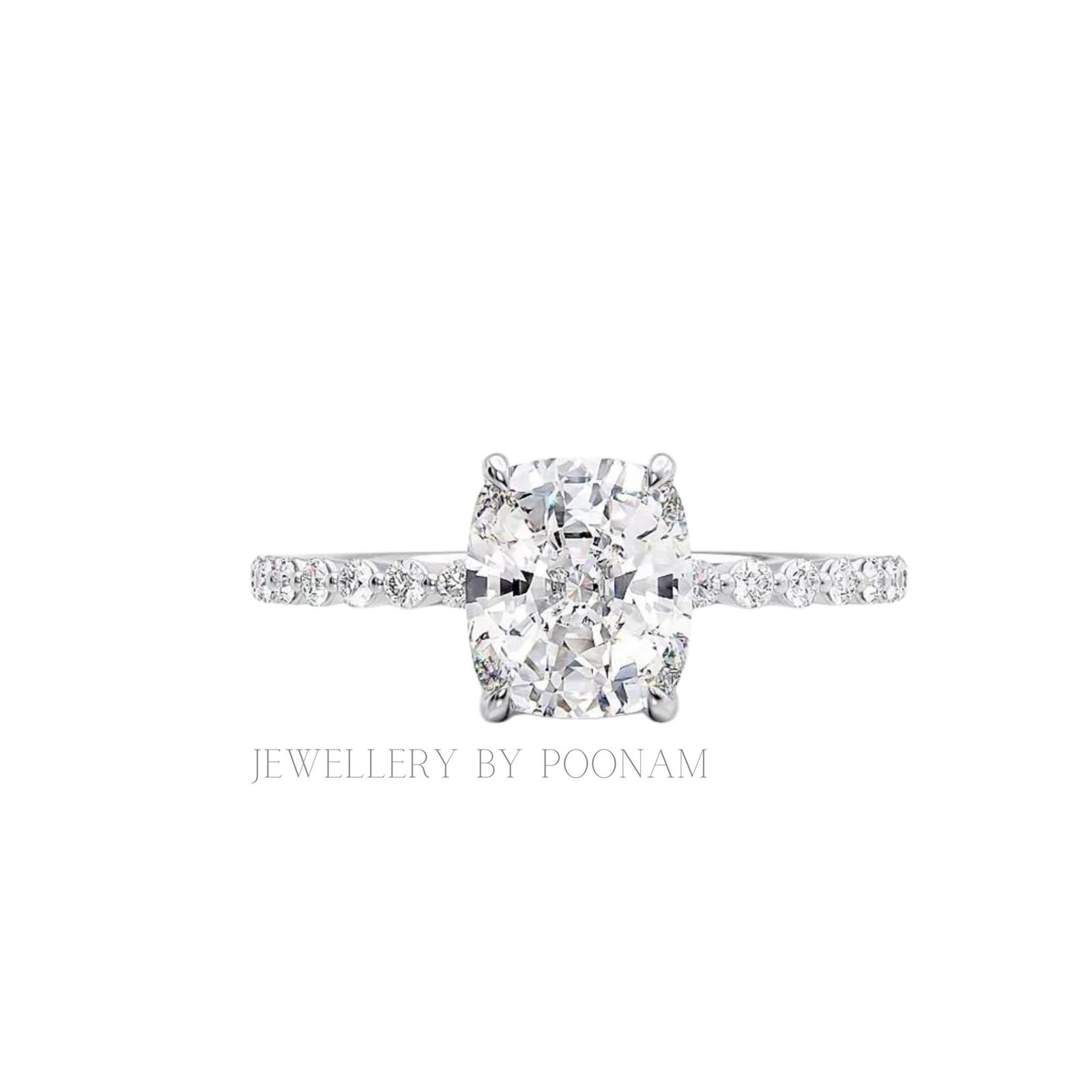
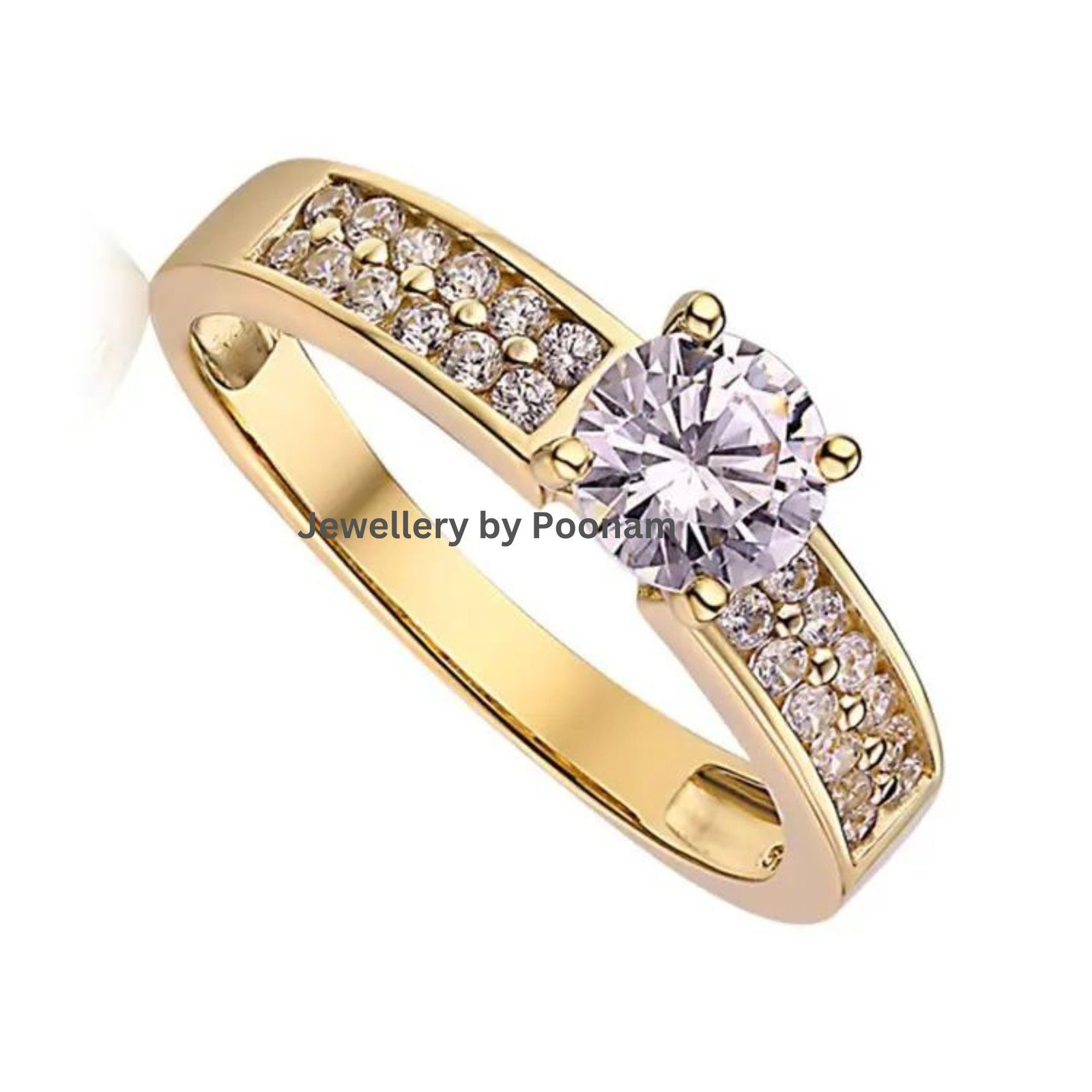
Top Jewellery Trends for 2026: What's Defining the Year
From sculptural gold to bezel-set lab diamonds — the ten trends shaping fine and fashion jewellery in 2026, and what they mean if you're sourcing or retailing.
Jewellery in 2026 has a clear mood: confident, personal, and unapologetically expressive. After years of quiet-luxury minimalism, the pendulum has swung toward pieces that make a statement — bold stacking, sculptural shapes, and colour that actually says something. At the same time, meaning-driven design and sustainable sourcing haven't gone anywhere; if anything, they've deepened.
This guide rounds up the ten trends genuinely shaping 2026 across both the fine jewellery and fashion-forward ends of the market, drawing on runway coverage, retailer trend reports, and street-style observation. For each, we've also flagged what it means practically if you're sourcing, manufacturing, or stocking jewellery this year.
1. Sculptural, Fluid Gold
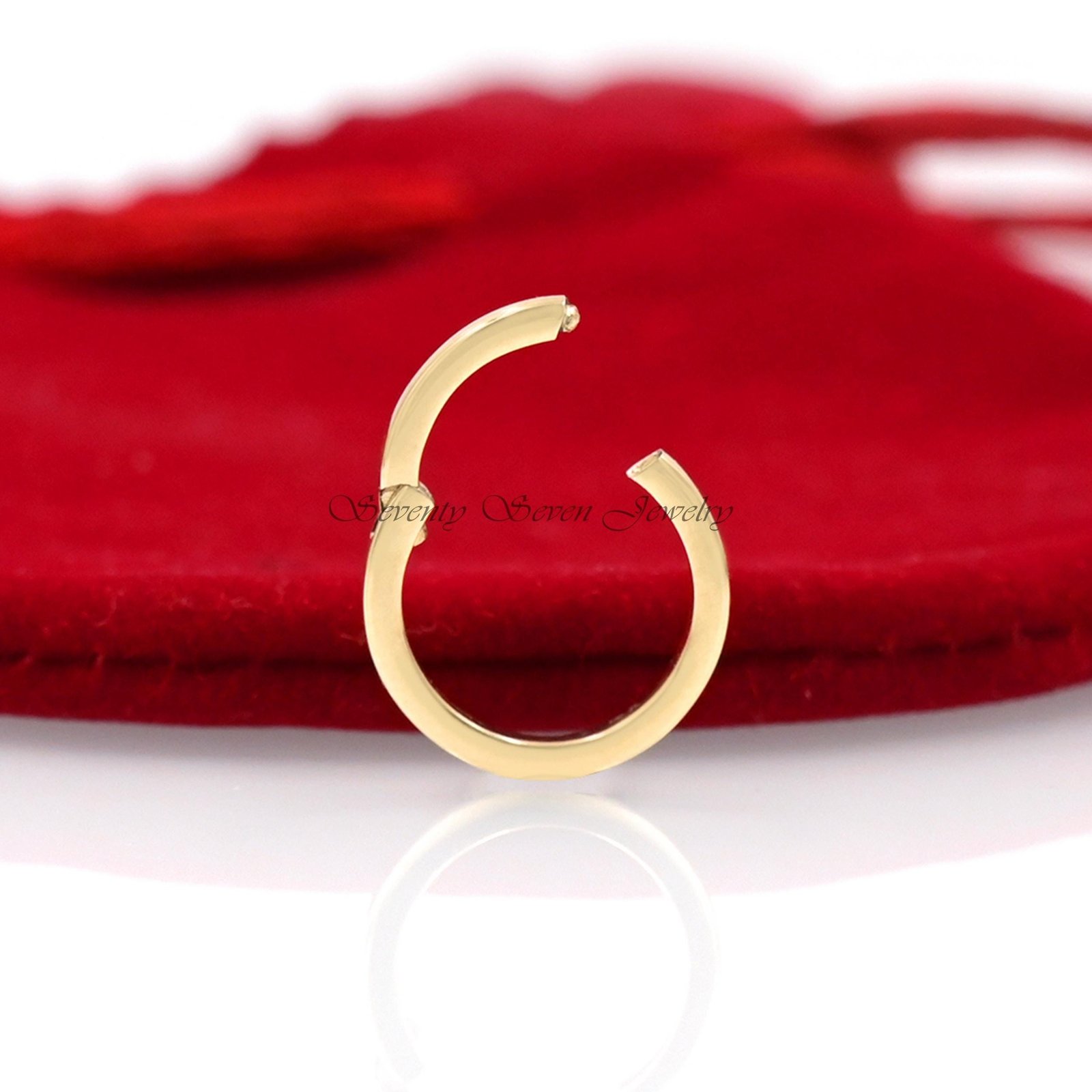
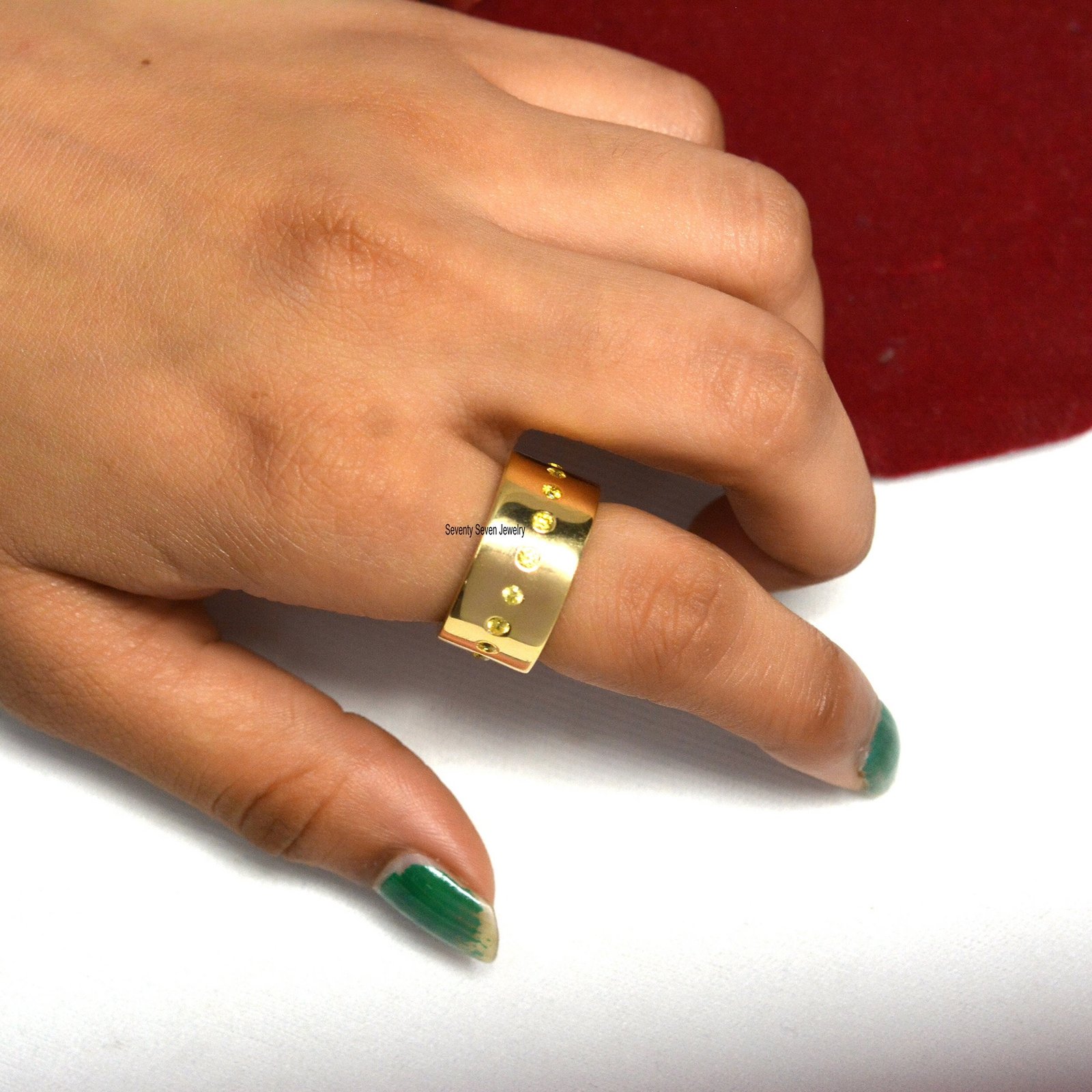
Gold is getting bolder and less symmetrical. Instead of crisp, precise lines, 2026's gold jewellery favours matte finishes, uneven silhouettes, and organic, body-aware curves — cuffs that swell and taper, rings with bulging or asymmetric bands, earrings that arc like small sculptures. The aesthetic borrows heavily from the fluid, tactile design language associated with Elsa Peretti's work for Tiffany & Co., reinterpreted for a new generation.
What to stock: matte-finish gold cuffs and bangles, asymmetric band rings, organically shaped earrings and pendants — solo statement pieces rather than matched sets.
2. Bold, Personal Stacking
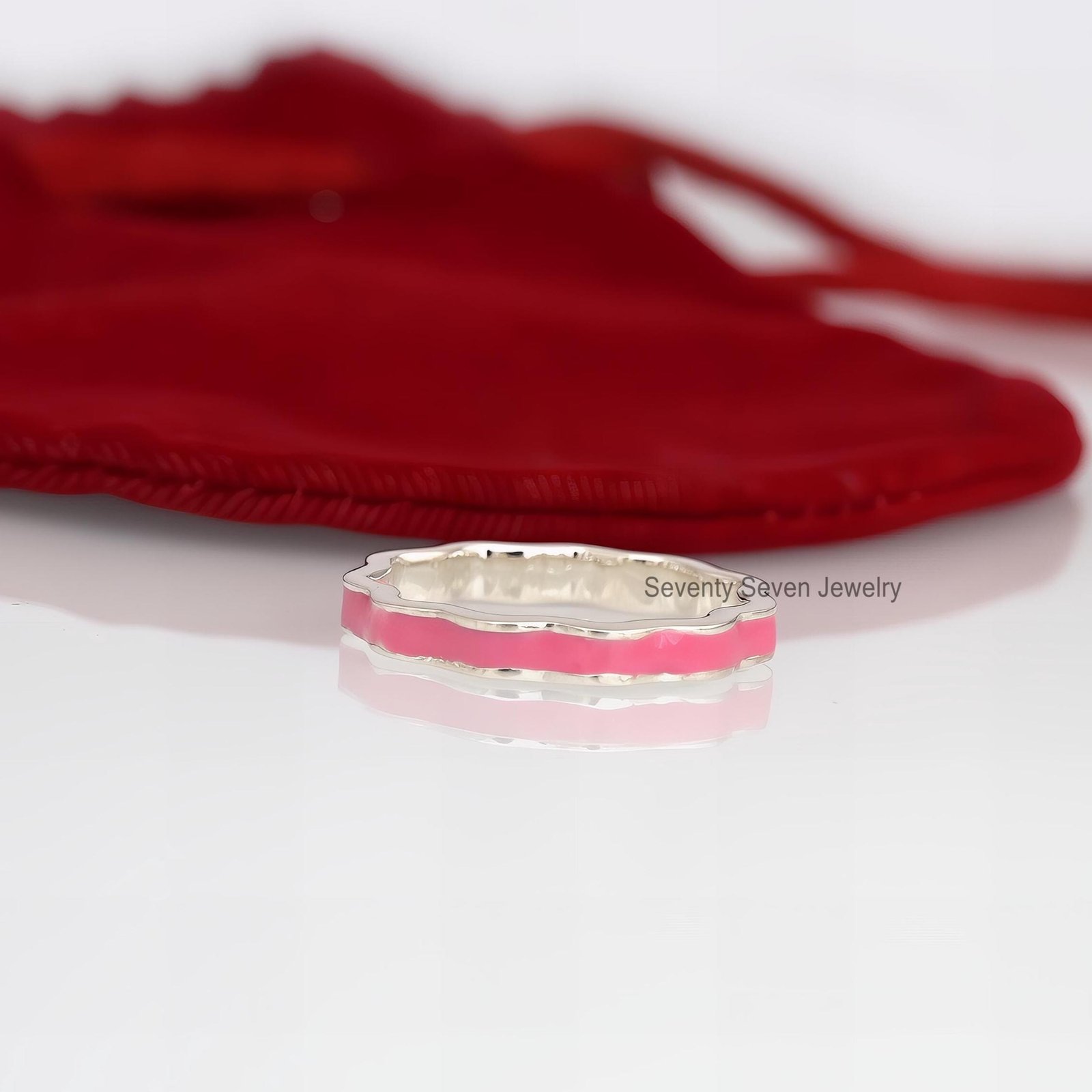
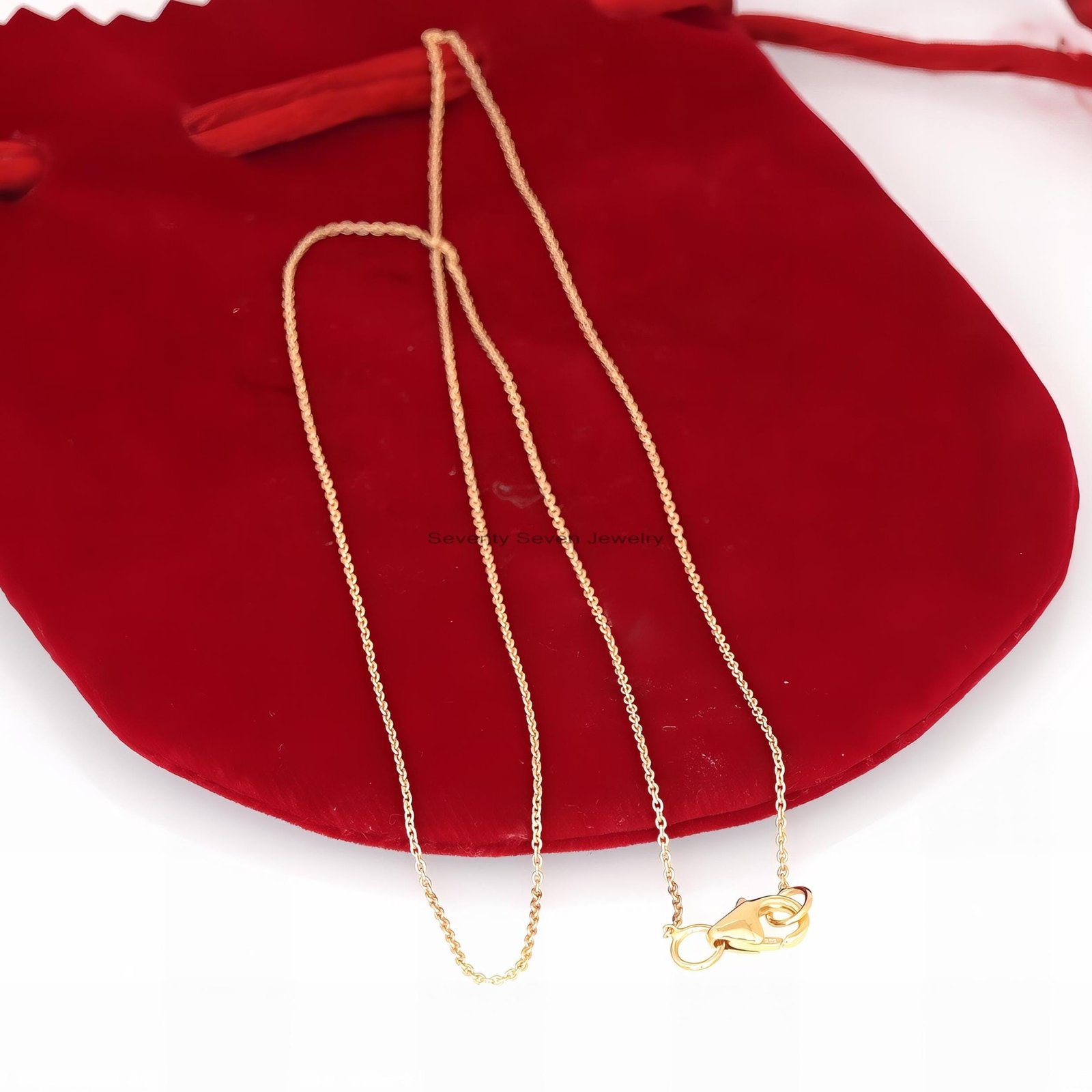
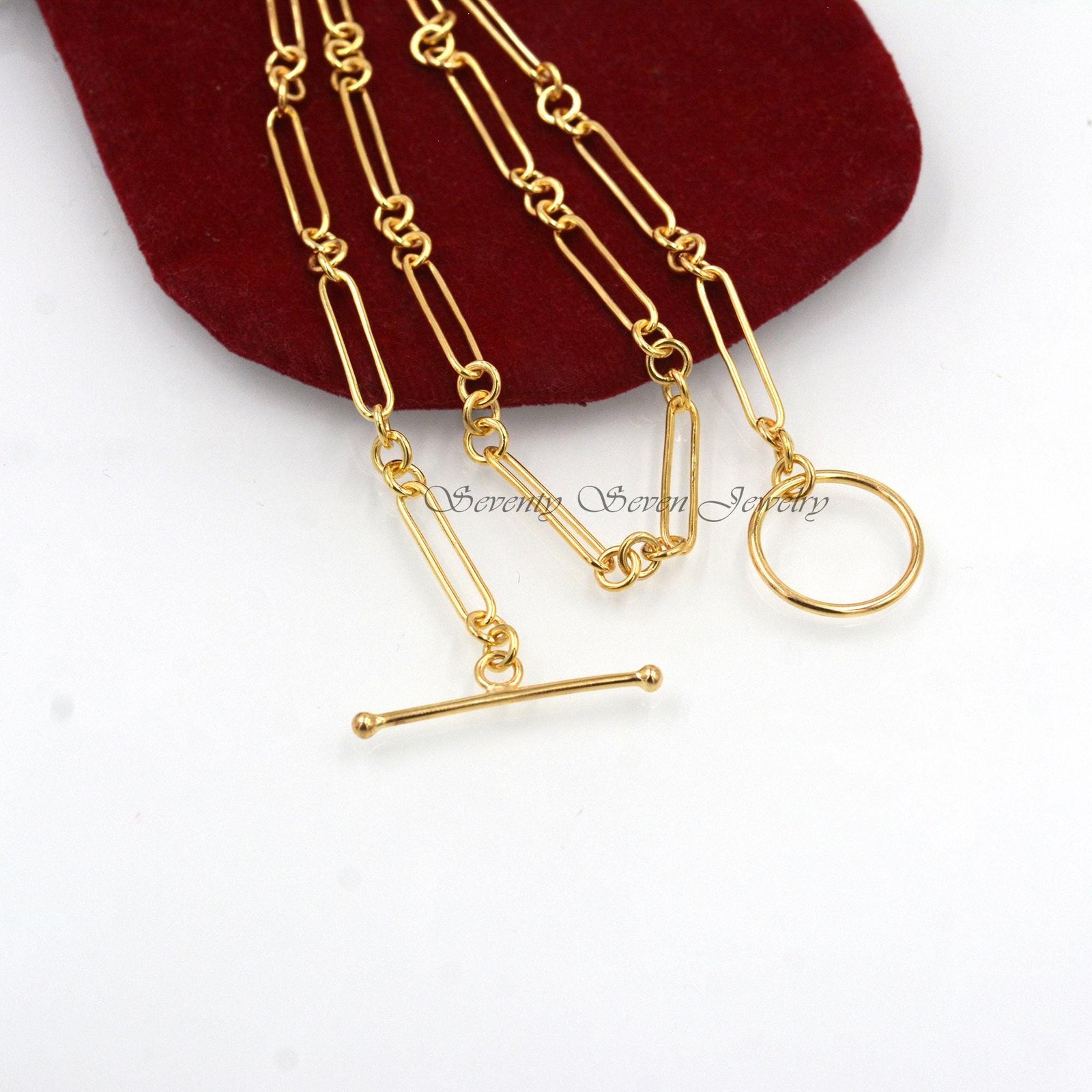
Bare fingers and wrists are out. Ring stacks, bangle stacks, and layered necklaces are everywhere in 2026 — but the aesthetic has shifted from perfectly matched sets to intentionally mismatched, personally curated combinations. Mixed metals, mixed textures, and pieces collected over time rather than bought as a single set define the look.
What to stock: rings and bangles designed to be sold individually and mixed rather than only as matched sets; mixed-metal chain options; stackable pieces in varied widths and finishes.
3. Statement Colour: Gemstones Over Neutrals
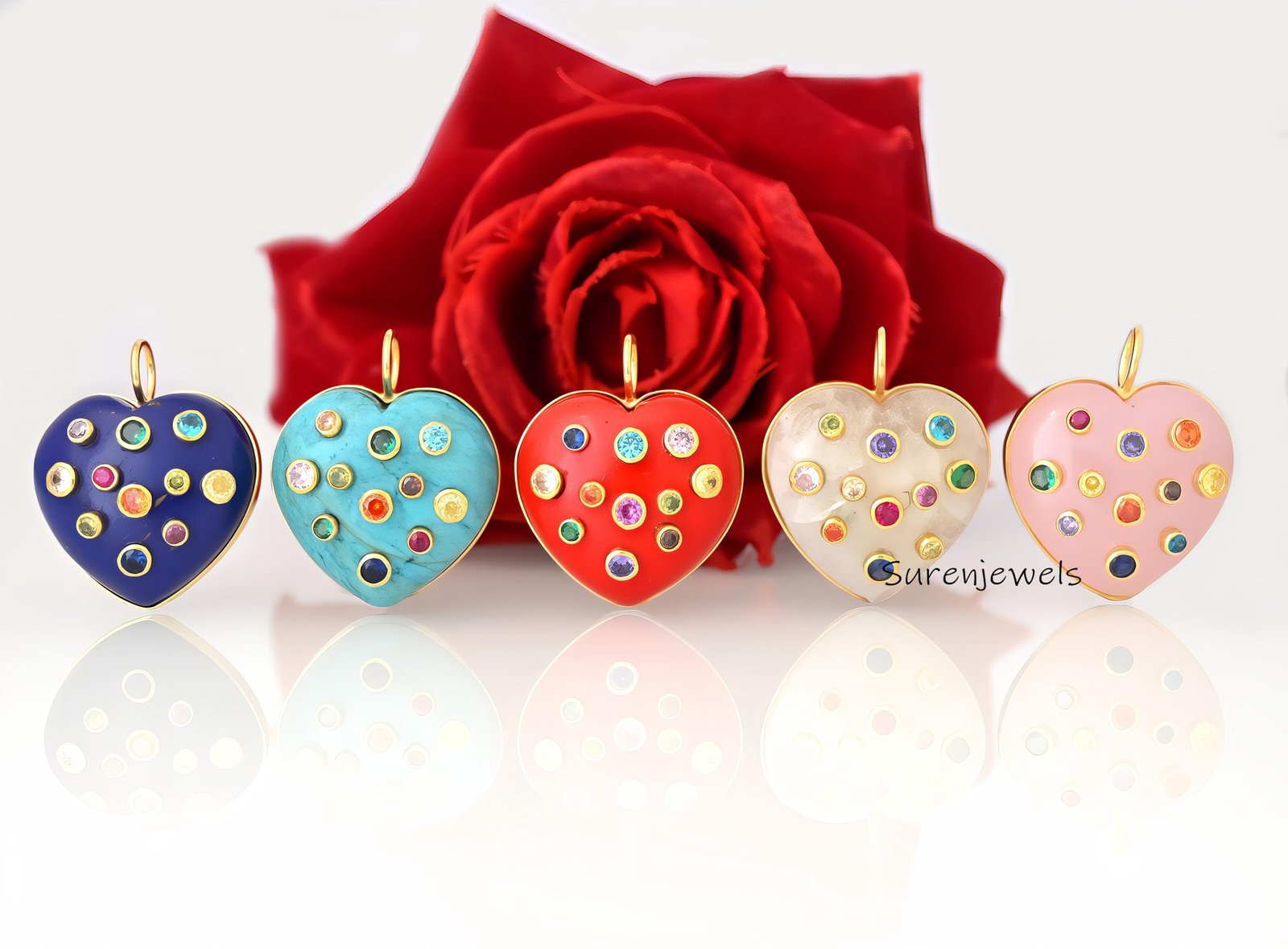
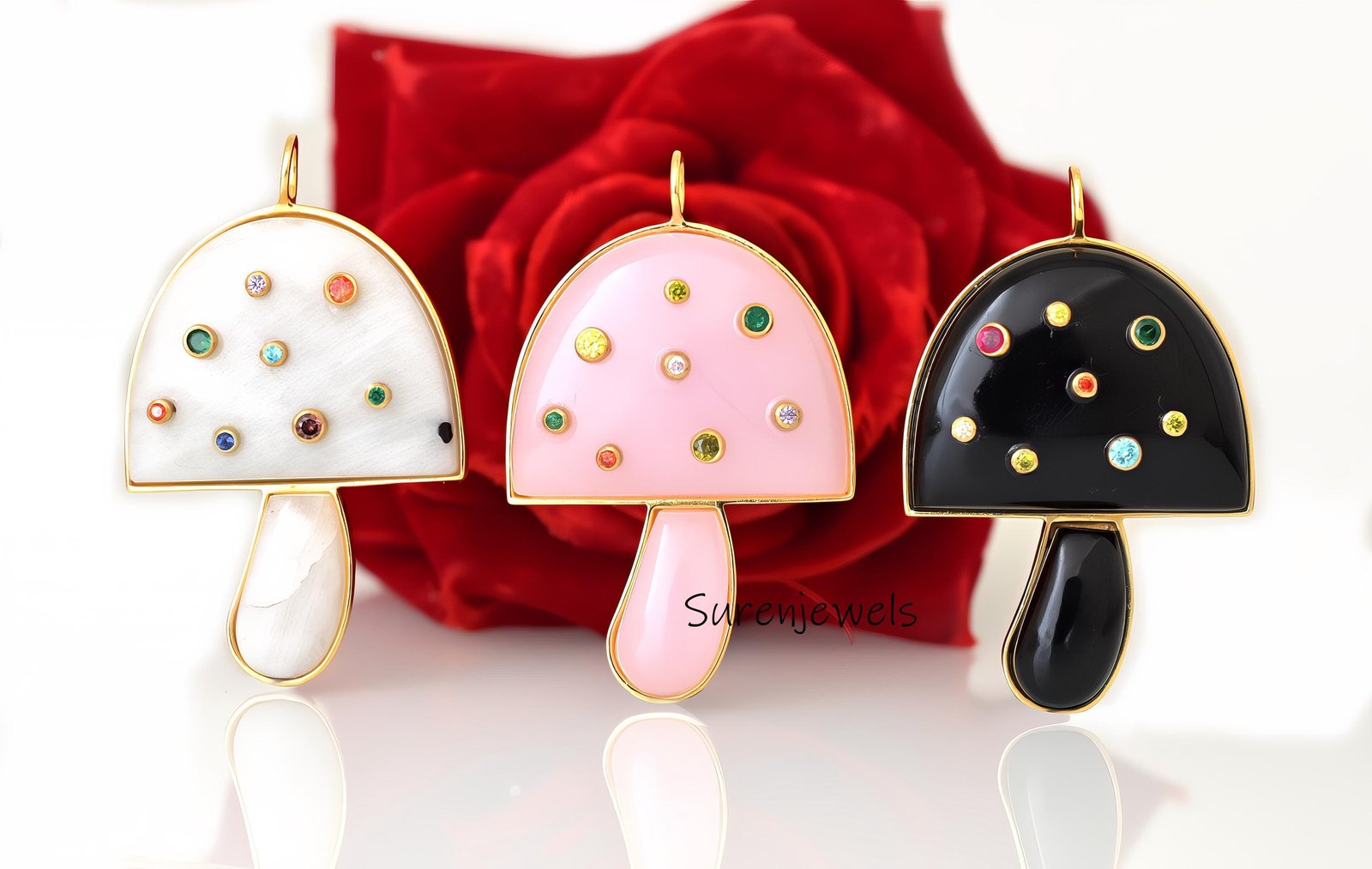
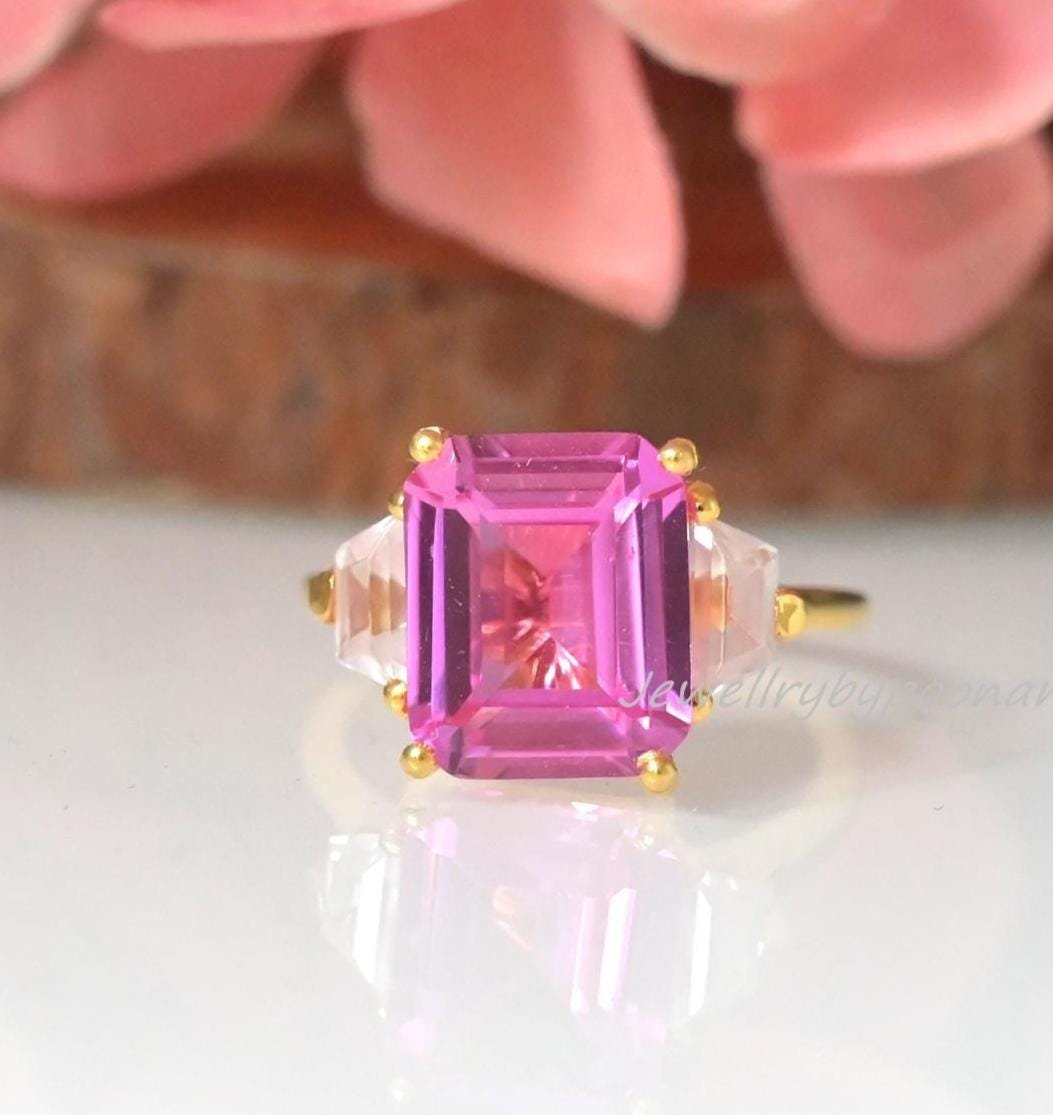
After years of diamond-dominated neutrals, colour is back as jewellery's main character. Ocean-blue stones — sapphire, aquamarine, tanzanite — are especially strong for 2026, alongside malachite, citrine, and other saturated semi-precious stones. The shift reflects a broader move toward jewellery that tells a story rather than simply signaling status quietly.
What to stock: aquamarine, sapphire, tanzanite, and malachite pieces across price tiers; colour-forward gemstone jewellery as a category, not just as accent stones.
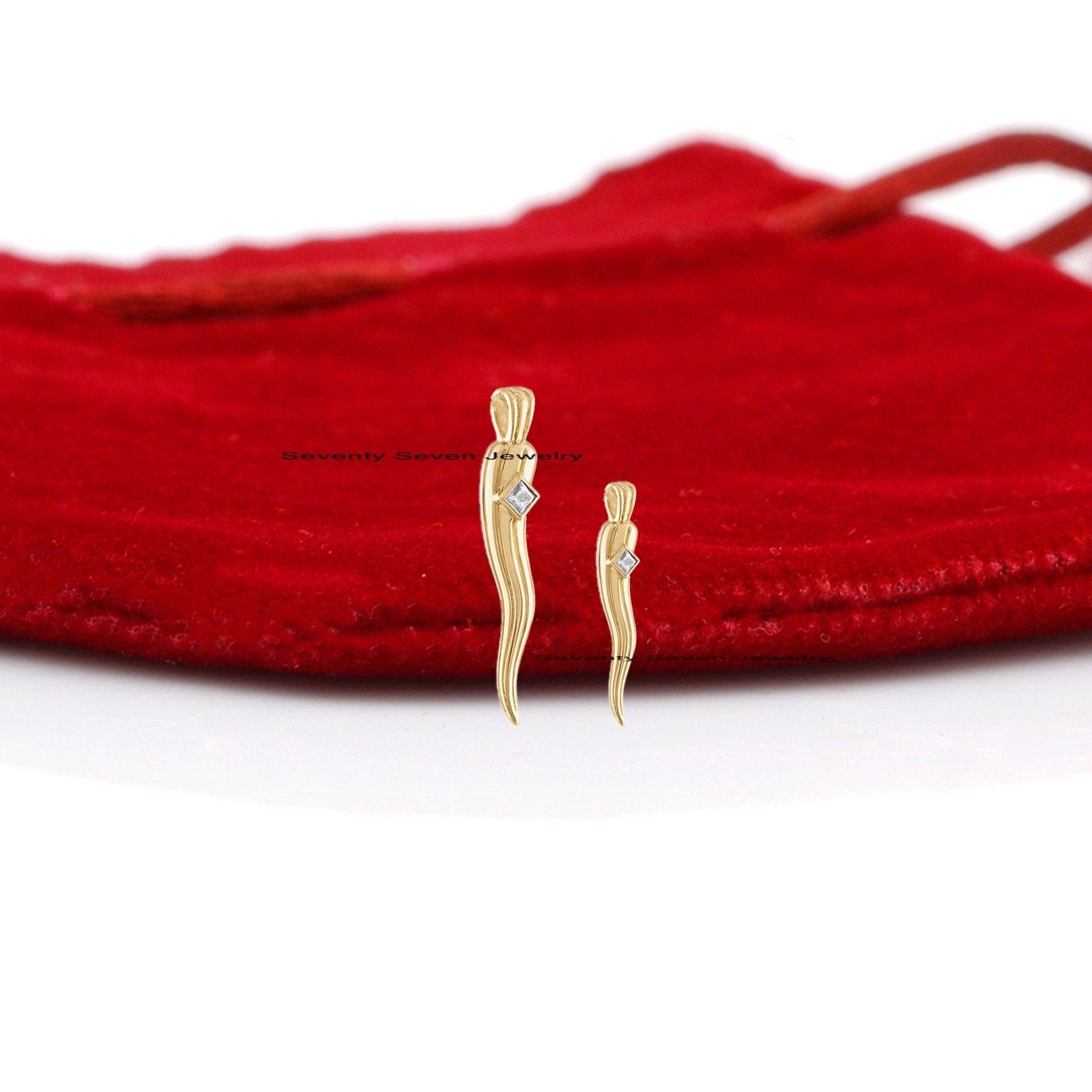
4. Bezel-Set Jewellery
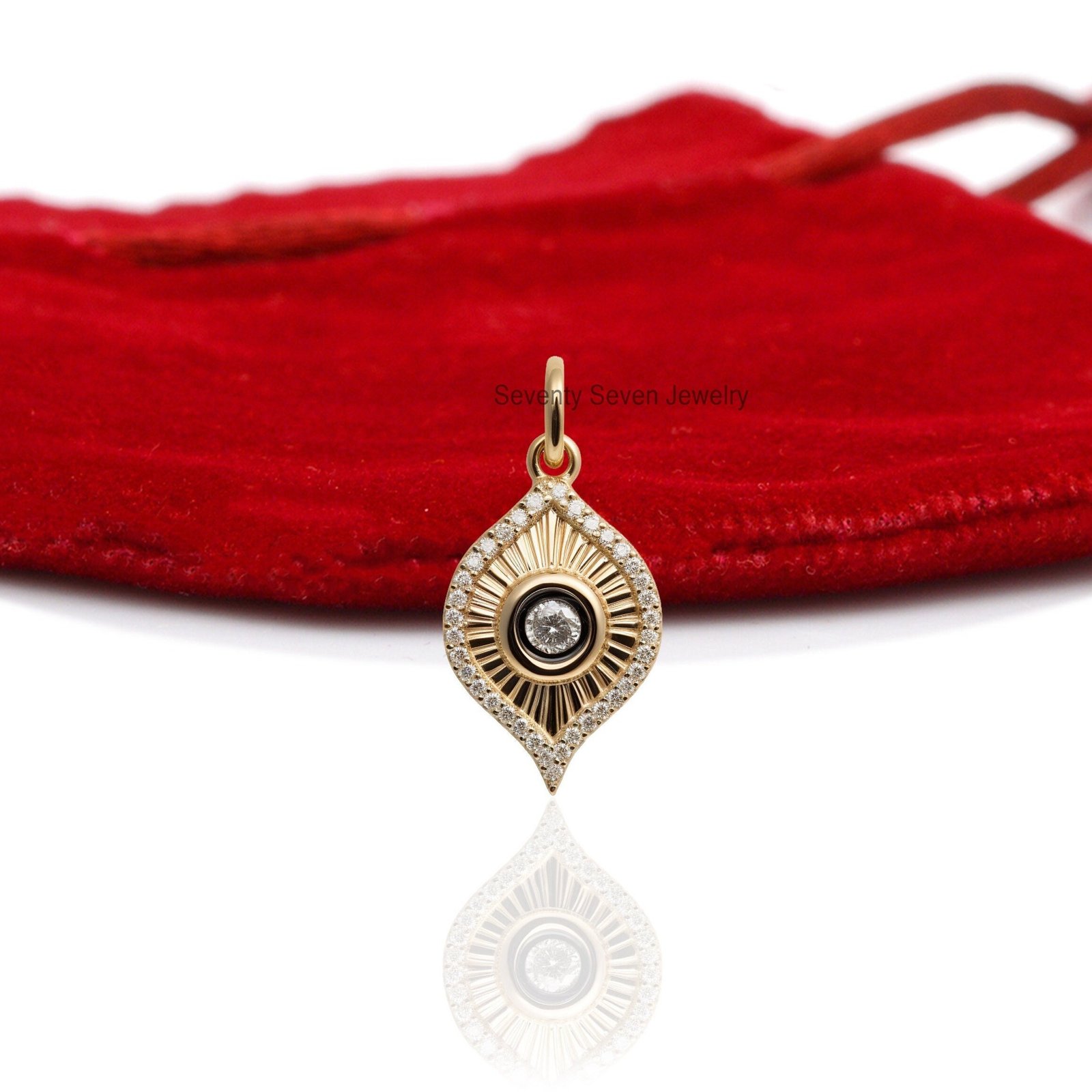
The bezel setting — where metal fully encircles the stone — has emerged as one of 2026's most influential technical details. It delivers a sleek, architectural look that reads as both minimal and substantial, and it's particularly well suited to the larger lab-grown diamonds and center stones now common in engagement and everyday fine jewellery, since the setting offers extra physical protection for bigger stones worn daily.
What to stock: bezel-set solitaire studs, pendants, and engagement rings — a detail worth highlighting explicitly in product listings, since buyers are actively searching for it by name.
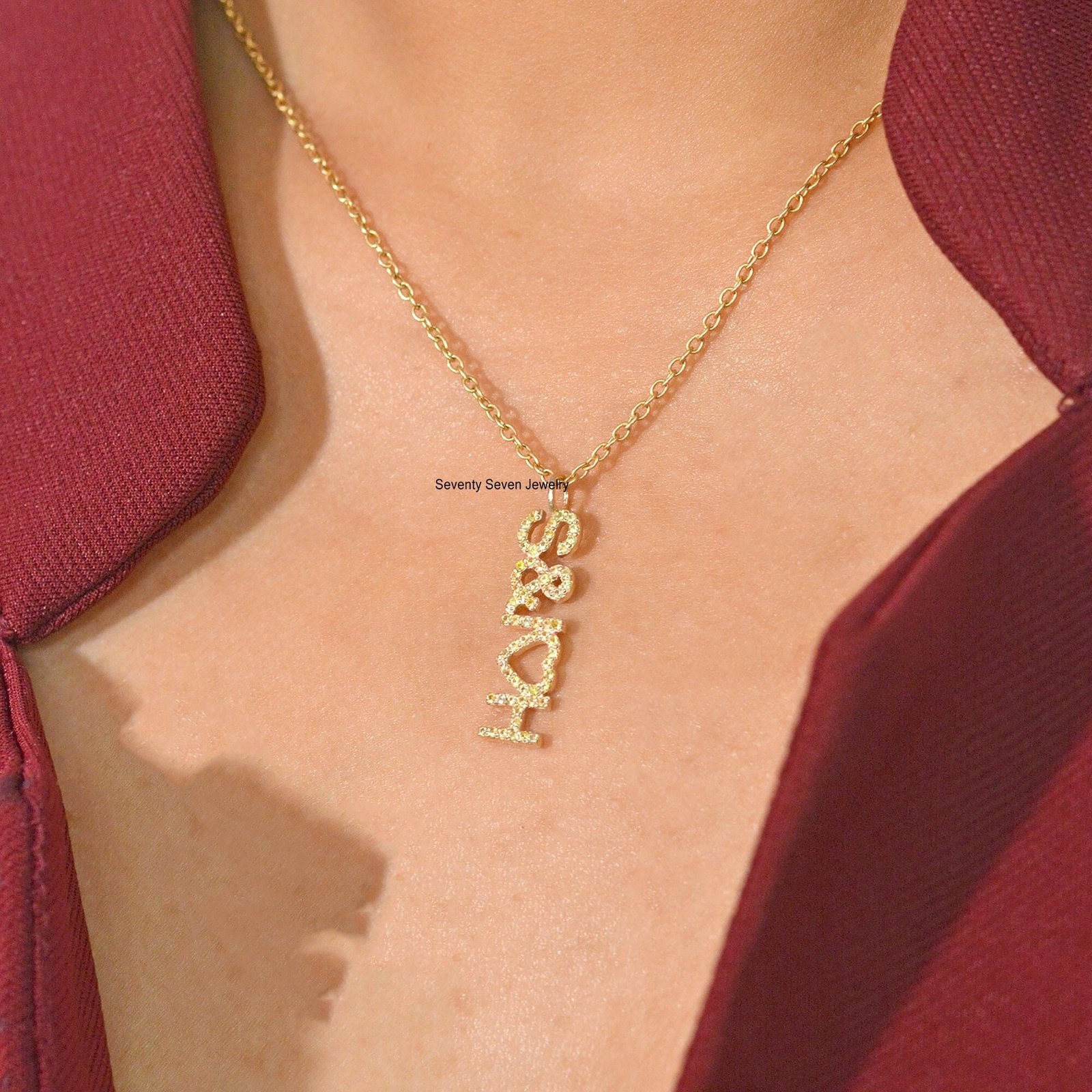
5. Personalized & Meaning-Driven Pieces
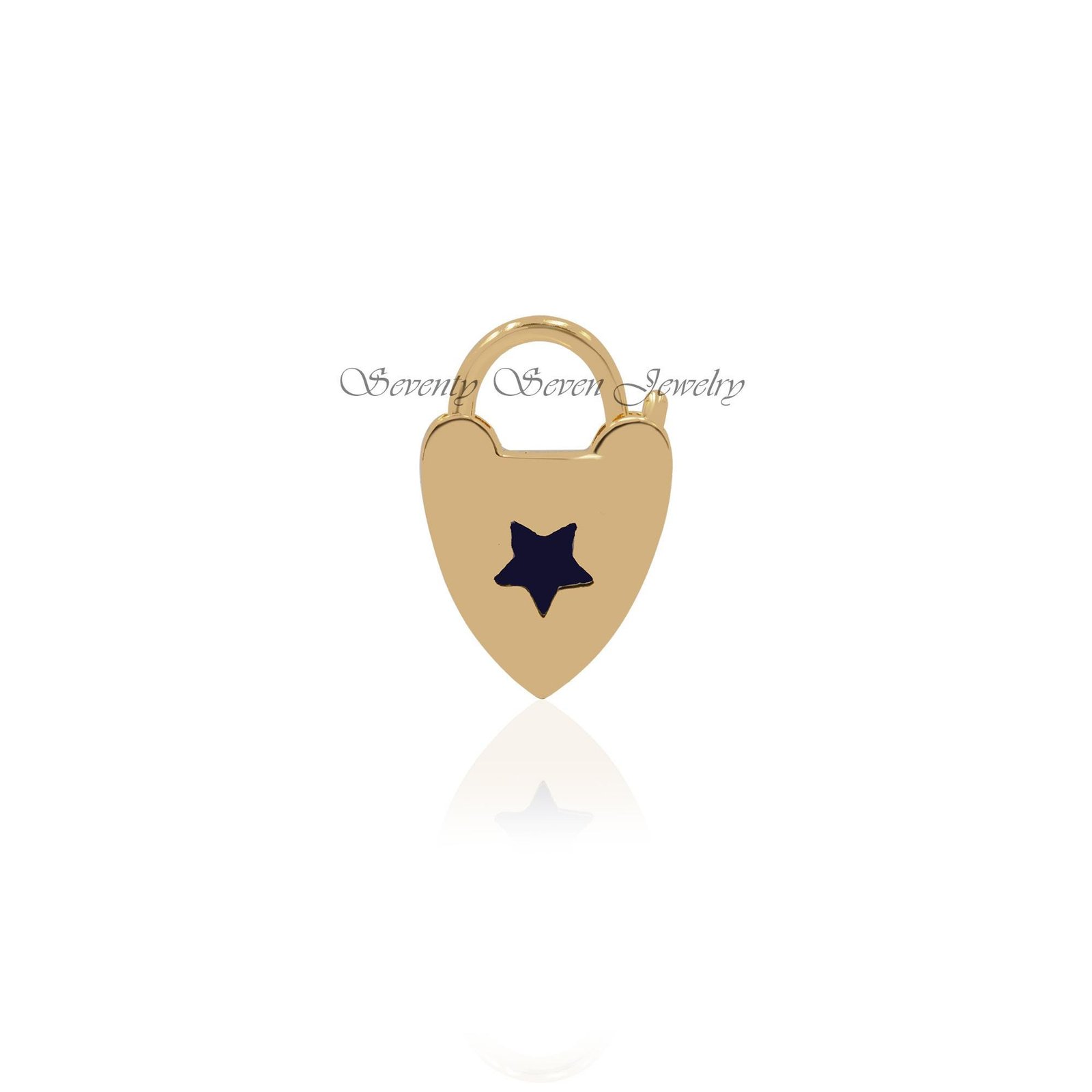
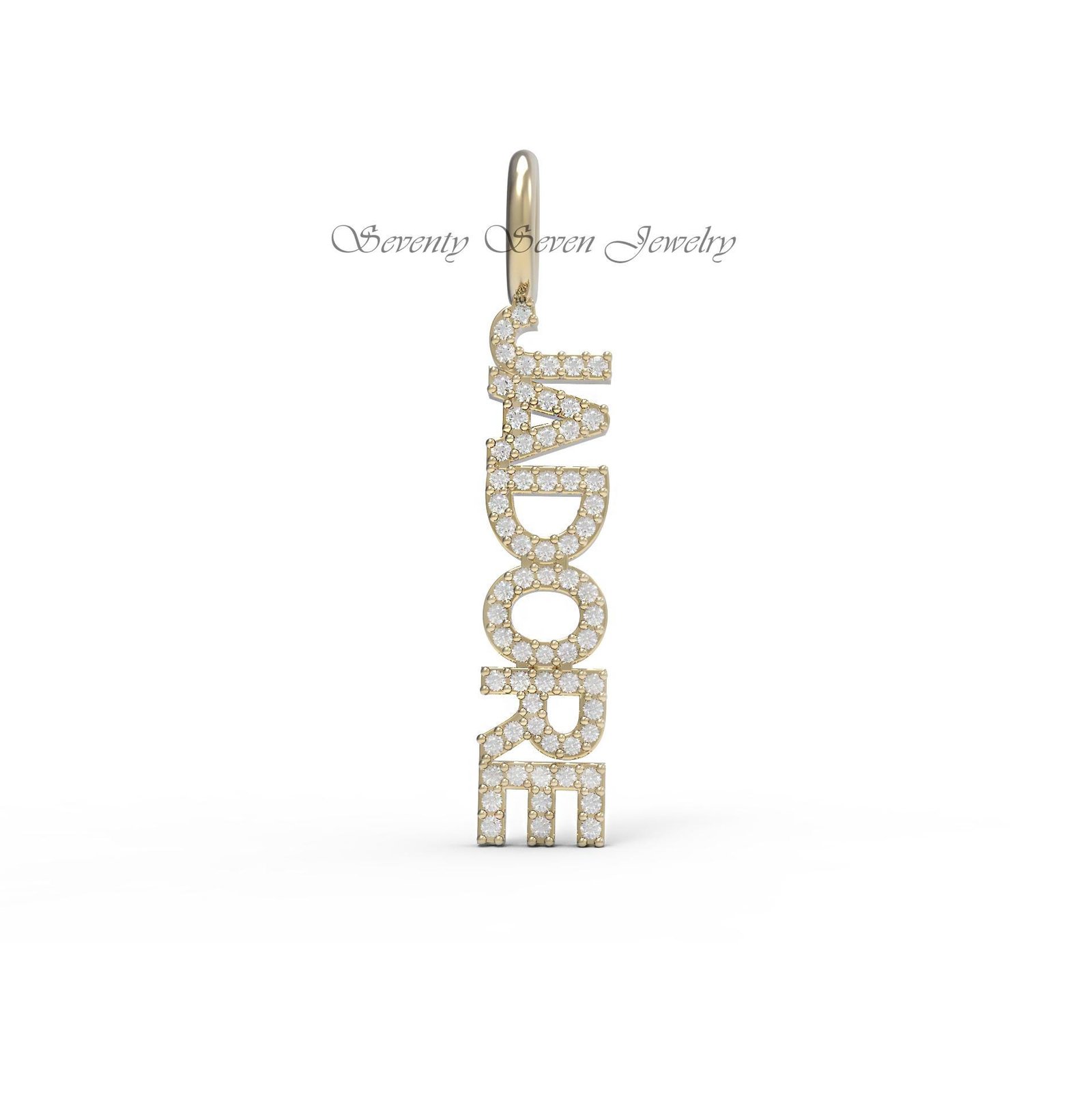
Personalization continues to grow, but in 2026 it's gone subtler. Instead of obvious initials or overt charms, symbols are increasingly encoded within the design itself — coordinates engraved discreetly, numerology-inspired details, abstract shapes that carry private meaning. Name necklaces, custom engravings, and birthstone jewellery remain strong, positioned less as trend pieces and more as modern heirlooms.
What to stock: engravable pendants and bangles, birthstone jewellery in sophisticated (not novelty) settings, subtle symbol and coordinate-style pieces alongside classic initial jewellery.
6. Mixed Metals, Worn Without Hesitation
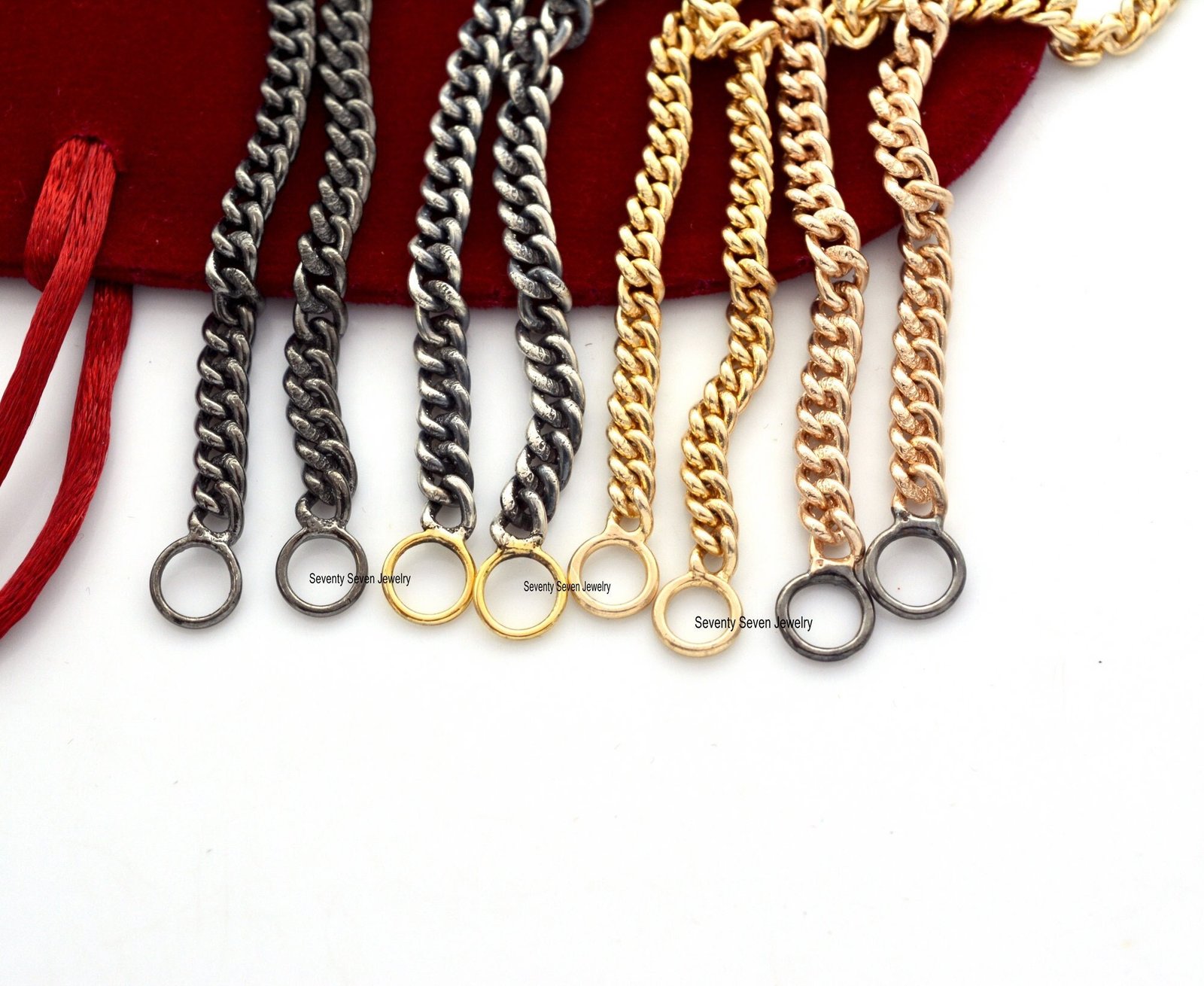
The old rule about matching your metals is officially retired. Silver, yellow gold, rose gold, and blackened finishes are being combined freely within single pieces and across a single stack, with the resulting contrast treated as a feature rather than a mismatch.
What to stock: two-tone and tri-tone pieces; individual pieces in varied metal finishes designed to be worn together rather than requiring a single matched metal tone.
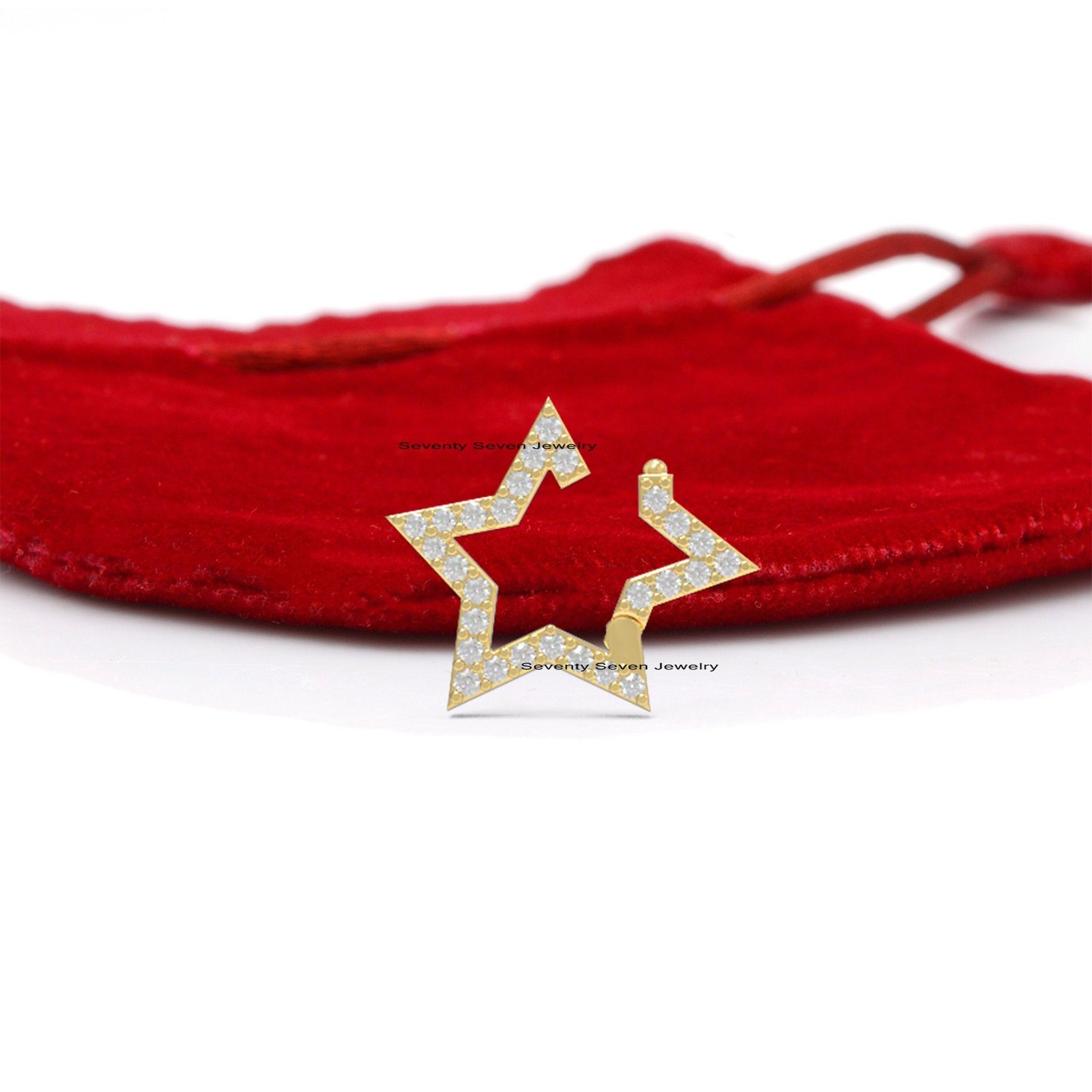
7. Sculptural Ear Cuffs & Bold Hoops
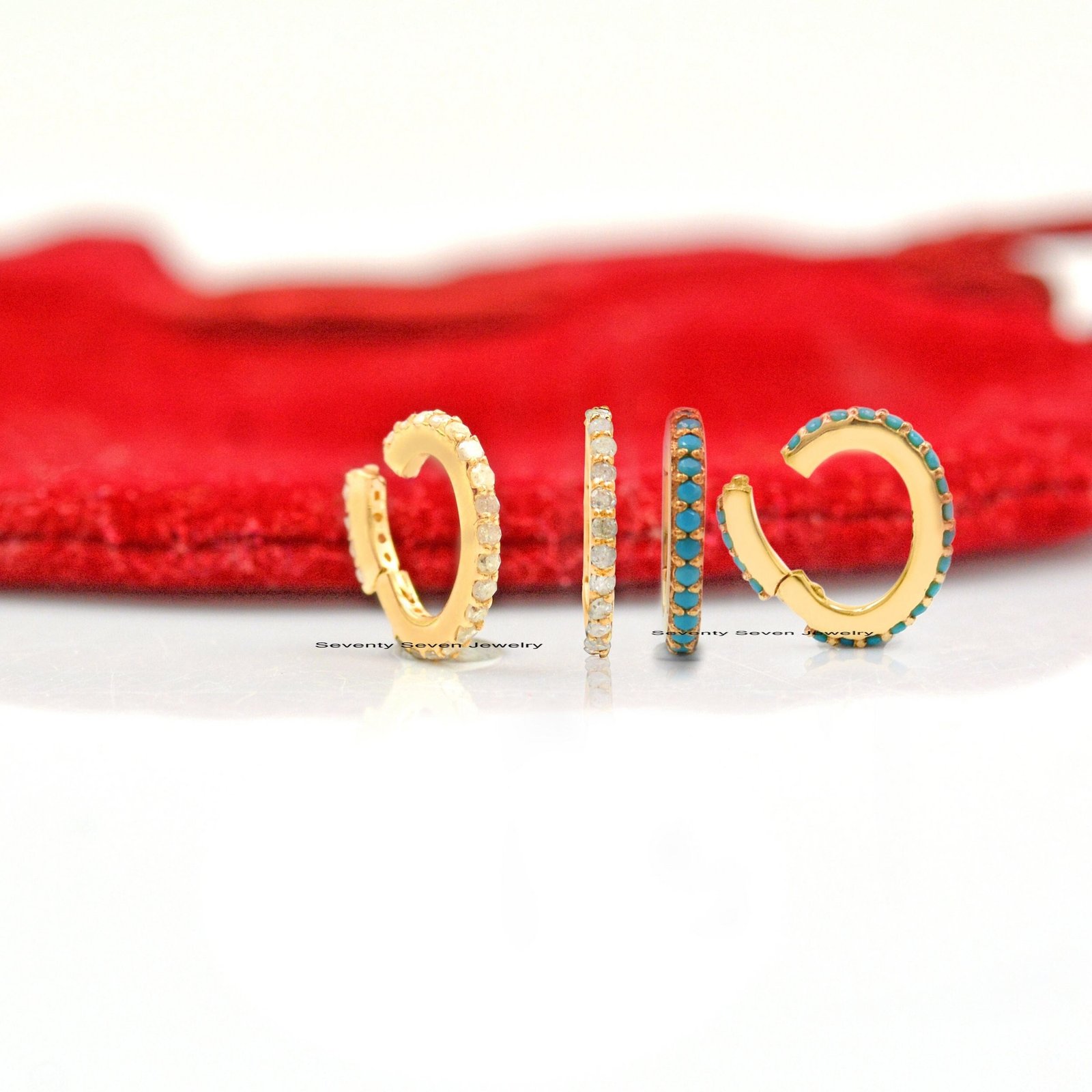
Ear styling has moved well past the simple stud-and-hoop pairing. Sculptural ear cuffs — worn solo or stacked several at once — and oversized, bold hoops are both strong for 2026, often mixed together on the same ear (a cuff above a solitaire stud, for instance) rather than kept in separate, matching pairs.
What to stock: standalone ear cuffs sized to layer with existing studs and hoops; chunky hoop designs in varied diameters; asymmetric ear-stacking sets.
8. Vintage & Heirloom Revival
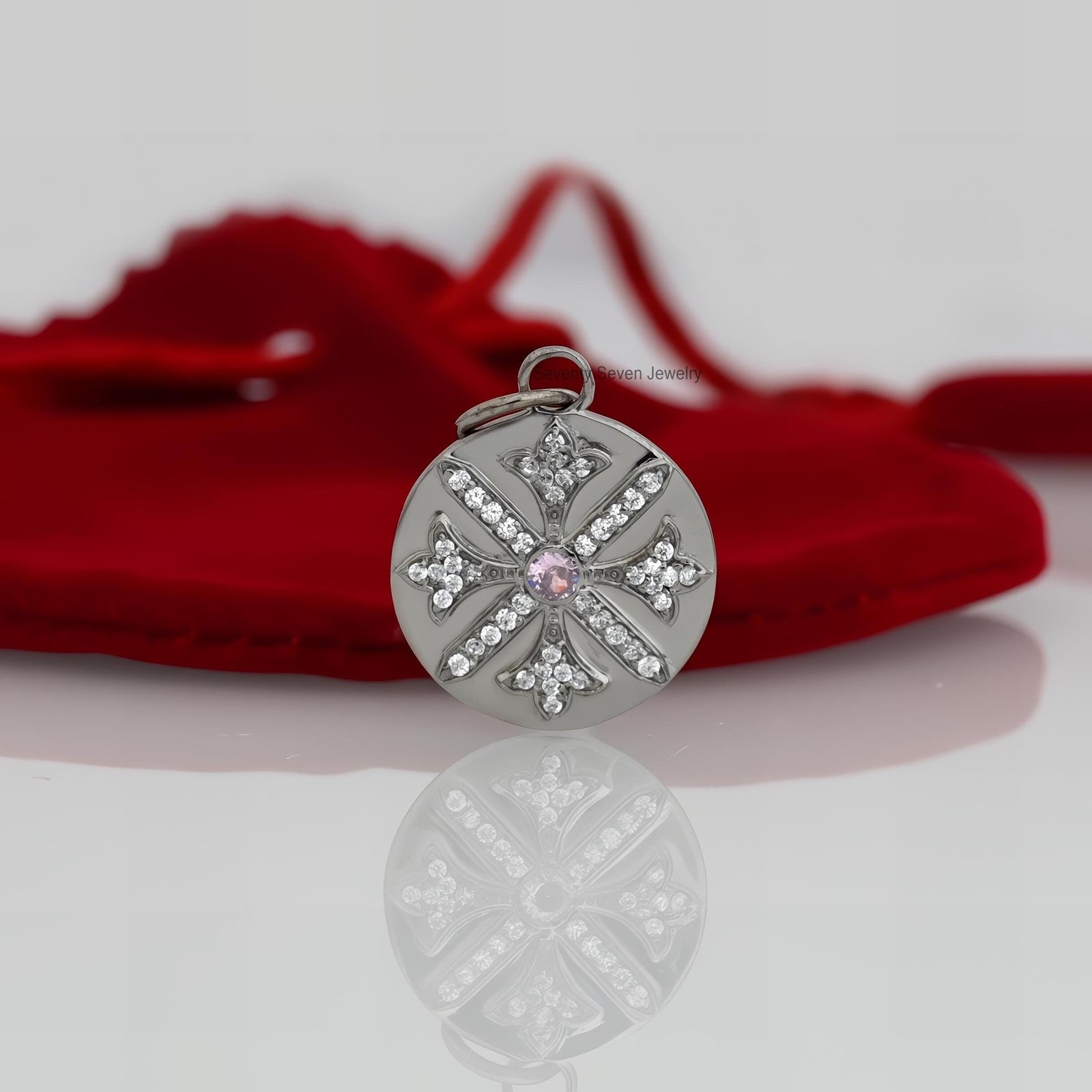
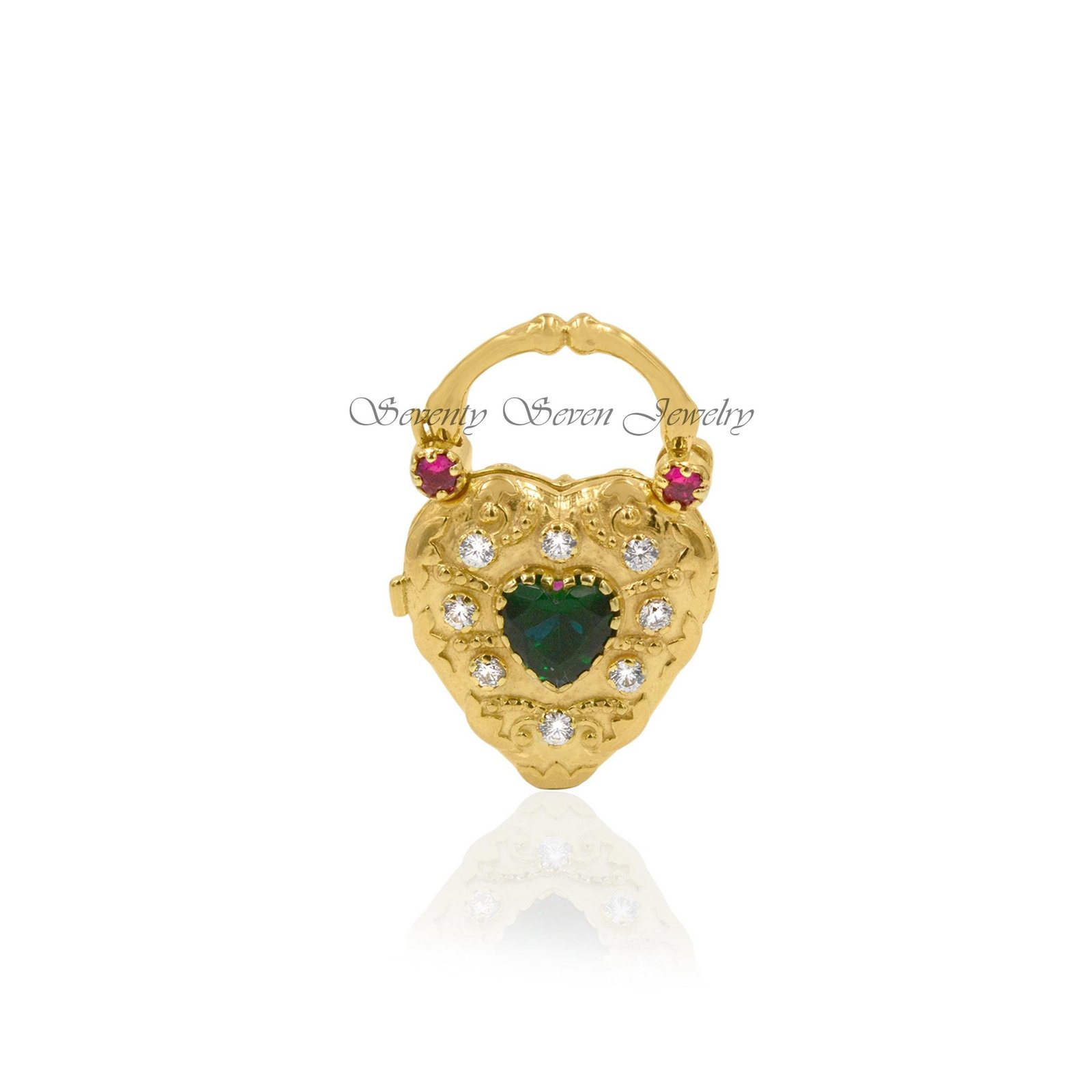
Antique burnished-gold settings, Art Deco silhouettes, and archival-inspired designs are having a real moment, driven partly by high-profile vintage-inspired engagement rings and celebrity red-carpet pieces from historic archives. The appeal sits alongside personalization as part of the same broader shift: jewellery valued for story and provenance, not just material worth.
What to stock: vintage-inspired settings (Art Deco detailing, milgrain edges, antique-finish gold), and estate or vintage pieces if you deal in resale — this segment has genuine cross-generational demand right now.
9. The "Adult Beads" Rebrand
Beaded jewellery has been repositioned from a casual, camp-craft category into an elegant, craftsmanship-forward one. Long beaded necklaces in bold colour, incorporating gemstones, vintage resin, and marble beads, are being worn by both luxury runway brands and street-style tastemakers — often finished with gold charms to bridge the fine and fashion segments.
What to stock: gemstone and mixed-material bead necklaces designed to be worn statement-length rather than delicate and short; beaded pieces incorporating genuine gemstone beads alongside more playful materials.
10. Sustainable & Lab-Grown Fine Jewellery
Conscious luxury continues to move from a niche selling point to a baseline expectation. Recycled gold, lab-grown diamonds, and ethically sourced gemstones are increasingly standard rather than a premium add-on, and buyers are actively factoring sourcing transparency into their purchase decisions alongside design.
What to stock: clearly labeled recycled-gold and lab-grown diamond lines, with sourcing details made visible in product listings rather than buried in fine print — transparency itself has become part of the appeal.
What This Means If You're Sourcing or Retailing in 2026
A few practical takeaways emerge once you look at these ten trends together:
- Individual, mixable pieces are outperforming matched sets. Buyers want to build their own stacks and ear combinations, not buy a pre-assembled look.
- Colour is a category, not an accent. Sourcing a genuine range of coloured gemstones — not just diamond-adjacent white stones — is increasingly central rather than optional.
- Bezel setting and lab-grown diamonds are converging. As lab-grown center stones get larger, bezel settings solve a real durability need, not just an aesthetic one — worth stocking together.
- Provenance sells. Whether it's a vintage piece, a recycled-gold design, or a lab-grown diamond, buyers want the sourcing story told clearly, not left implicit.
- Craftsmanship-forward "simple" categories (like beaded jewellery) are being repriced upward as design and material quality improve — a real opportunity if your catalog includes genuine gemstone or handcrafted beadwork.
Trend | Key Materials | Best Category Fit |
Sculptural gold | Matte-finish 14K/18K gold | Cuffs, rings, earrings |
Stacking | Mixed metals, varied widths | Rings, bangles, necklaces |
Statement colour | Sapphire, aquamarine, tanzanite, malachite | Rings, pendants, bracelets |
Bezel-set pieces | Lab-grown & natural diamonds | Studs, pendants, engagement rings |
Personalization | Engravable gold/silver, birthstones | Pendants, bangles, rings |
Vintage revival | Antique-finish gold, milgrain detail | Rings, drop earrings |
Adult beads | Gemstone, resin, marble beads | Statement-length necklaces |
Sustainable sourcing | Recycled gold, lab-grown diamonds | Across all categories |
If you're building or refreshing a catalog for 2026, sourcing directly from manufacturers who already work in these materials and finishes — rather than adapting an existing line after the fact — is the more efficient path. A B2B jewellery marketplace like Jewelslly makes it possible to filter and compare verified suppliers by material, gemstone, and finish, so you can source toward these trends directly rather than guessing at what's available.
Frequently Asked Questions
Q: What is the biggest jewellery trend for 2026?
A: There isn't a single dominant trend, but sculptural, fluid gold design and bold, personal stacking (of rings, bangles, and layered necklaces) are among the most consistently cited themes across fashion and fine jewellery trend reports for 2026.
Q: Is yellow gold or white gold more popular in 2026?
A: Yellow gold is having a strong comeback in 2026, particularly in bold cuffs, chain necklaces, and vintage-inspired rings. White gold remains a classic staple but is increasingly styled alongside warmer tones rather than worn as a standalone, colder palette.
Q: Are statement pieces or minimal jewellery in style for 2026?
A: Both coexist. Sculptural, statement-driving pieces (bold cuffs, chunky ring stacks) are trending strongly, but they're often paired with simpler, everyday pieces like delicate chains — the overall look favours intentional contrast rather than committing fully to one extreme.
Q: What gemstones are trending in 2026?
A: Ocean-blue stones — sapphire, aquamarine, and tanzanite — are especially prominent, alongside malachite and other saturated semi-precious colours. The broader trend is a move away from neutral, diamond-only palettes toward genuine colour.
Q: What is bezel setting, and why is it trending?
A: A bezel setting is where a rim of metal fully surrounds a gemstone rather than using prongs. It's trending in 2026 because it offers a sleek, architectural look and added durability — a practical fit as lab-grown diamonds get larger and more commonly worn as everyday pieces rather than special-occasion-only stones.
Q: Is stacking rings and bracelets still trending in 2026?
A: Yes, and it's evolved. Rather than matched sets, 2026's stacking trend favours mixed metals, mixed textures, and combinations that look curated over time — a wearable, personal collection rather than a single coordinated purchase.
Q: Is vintage jewellery back in style?
A: Yes — antique-finish gold, Art Deco detailing, and archival-inspired designs are a notable 2026 trend, driven in part by high-profile vintage-style engagement rings and celebrity red-carpet pieces sourced from historic archives.
Q: What does "adult beads" mean as a 2026 trend?
A: It refers to beaded jewellery being repositioned as elegant and craftsmanship-driven rather than casual or crafty — think long, statement-length necklaces using genuine gemstone, resin, or marble beads, often finished with gold charms, rather than simple childhood-style beaded strands.
Q: Are lab-grown diamonds part of the 2026 trend picture?
A: Yes, in two ways: lab-grown diamonds continue gaining market share generally, and their growing average size is directly linked to the bezel-setting trend, since bezels offer practical protection for larger stones worn daily.
Q: What jewellery trends are strongest for engagement rings specifically in 2026?
A: Bezel-set stones and vintage-inspired settings (antique gold finishes, Art Deco detailing) are both prominent in 2026 engagement ring design, alongside continued growth in lab-grown center stones.
Q: Is personalized jewellery still popular in 2026?
A: Yes, though the style has shifted subtler — rather than obvious initials or overt charms, 2026's personalization trend favours discreetly encoded meaning: engraved coordinates, numerology-inspired details, and birthstone pieces set in sophisticated, non-novelty settings.
Q: What metals should I stock if I'm following 2026 trends?
A: Yellow gold in matte or sculptural finishes is especially strong, and mixed-metal pieces (combining silver, yellow gold, rose gold, and blackened finishes within a single design or stack) reflect one of the year's clearest style shifts.
Q: How is sustainability shaping 2026 jewellery trends?
A: Recycled gold, lab-grown diamonds, and ethically sourced gemstones are increasingly treated as a baseline expectation rather than a premium differentiator, with sourcing transparency itself becoming part of a piece's appeal to buyers.
Q: Where can I source jewellery that matches these 2026 trends?
A: A B2B jewellery marketplace like Jewelslly lets you filter verified manufacturers by material, gemstone, and finish, making it possible to source pieces that align with trends like bezel-set stones, colour-forward gemstones, or recycled-gold lines directly from the source.