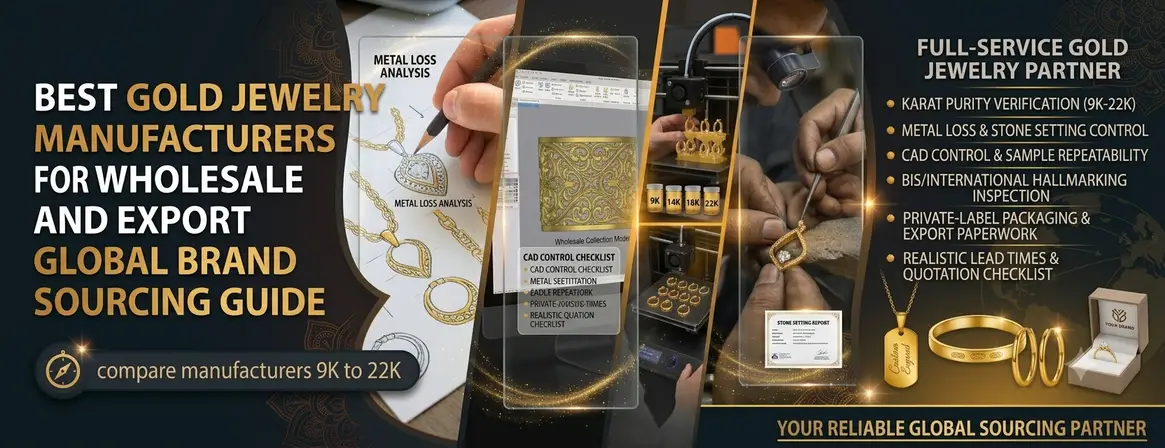
For global jewelry brands, gold is the category where supplier selection has the biggest financial impact. A small difference in finished weight, karat purity, stone loss, setting quality or remake policy can change the landed cost of an order by thousands of dollars. Experienced buyers therefore check whether the factory can control CAD, casting, alloying, stone setting, polishing, hallmarking, quality inspection, packaging and export documents.
After more than ten years working around jewelry manufacturing, my practical advice is simple: qualify gold suppliers by product fit first, then compare price. This article does not create an unsupported “number 1 to number 10” ranking. It shortlists suppliers by buyer fit, explains what is visible from published data, and shows what must be verified before placing an order.
What global buyers mean by 9K, 14K, 18K and 22K gold jewelry
Karat tells the proportion of pure gold in the alloy. 24K is pure gold, but pure gold is soft, so jewelry is normally alloyed with other metals for durability, color and cost control. A 14K item contains 14 parts gold out of 24; an 18K item contains 18 parts gold out of 24. The U.S. Federal Trade Commission advises buyers to look for the karat quality mark and the company name or registered trademark that stands behind the mark.
For sourcing, the karat level should match market expectation and product use:
- 9K gold: price-sensitive fine jewelry, small charms, connectors and lightweight pendants.
- 14K gold: U.S.-style e-commerce fine jewelry, charms, chains, rings and moissanite pieces.
- 18K gold: premium international collections and higher-value diamond or gemstone jewelry.
- 22K gold: traditional, bridal, ethnic and investment-led jewelry where higher gold content is expected.
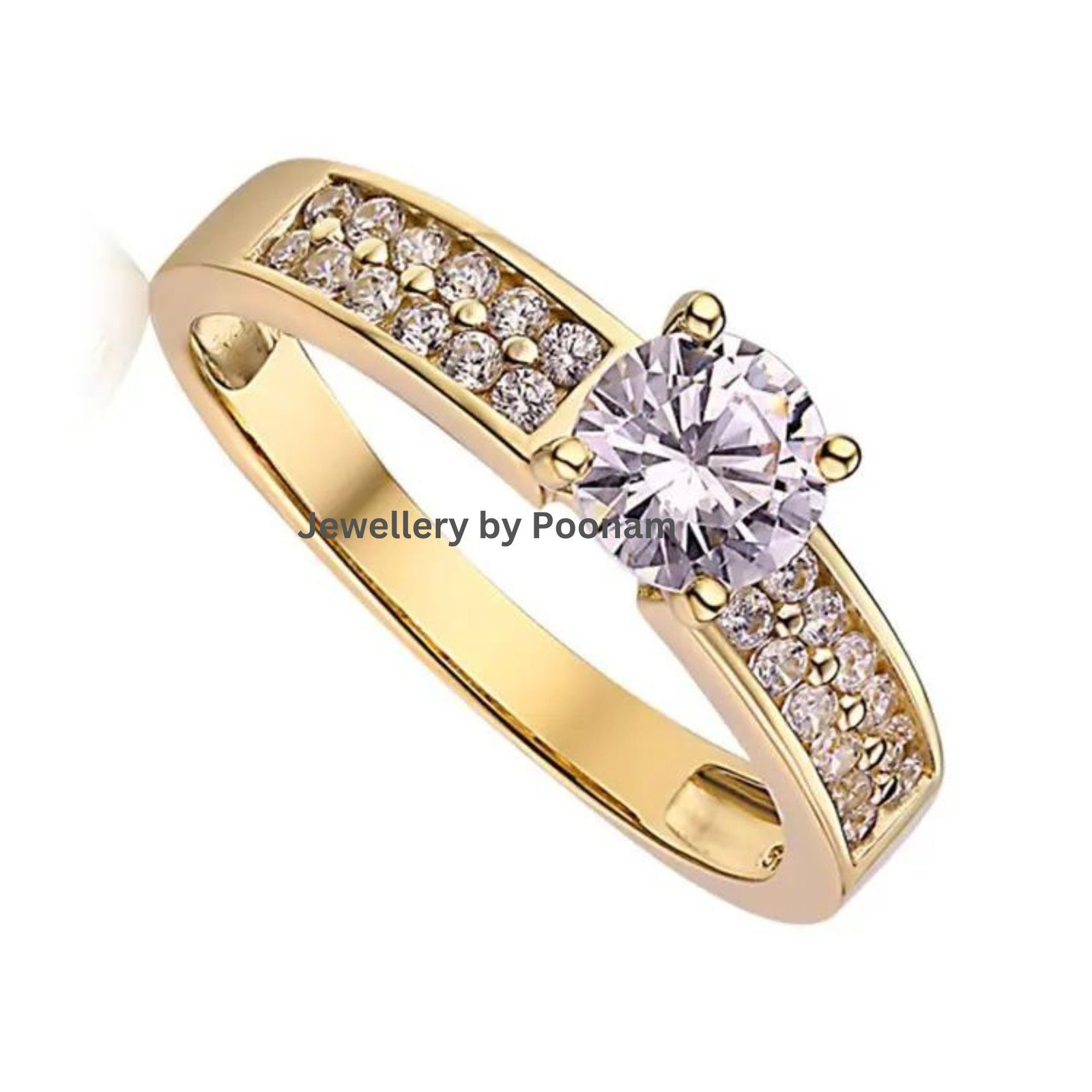
The manufacturer should not quote only “gold jewelry.” Ask for the exact karat, alloy color, finished weight tolerance, stone details, hallmark or assay requirement, and whether the item is solid, hollow, vermeil, plated, gold-filled or gold-plated. These are different products with different consumer disclosures and different costs.
Buyer-fit shortlist from published Jewelslly supplier data
Jewelslly is a B2B jewelry sourcing marketplace where buyers can browse verified supplier profiles, filter by material and MOQ, and contact suppliers directly. The following shortlist uses supplier data visible on reviewed Jewelslly pages and separates published facts from items that should be confirmed in a dated quotation.
Supplier and location | Published status and gold specialization | Published MOQ/services visible in reviewed data | Buyer-fit interpretation |
|---|---|---|---|
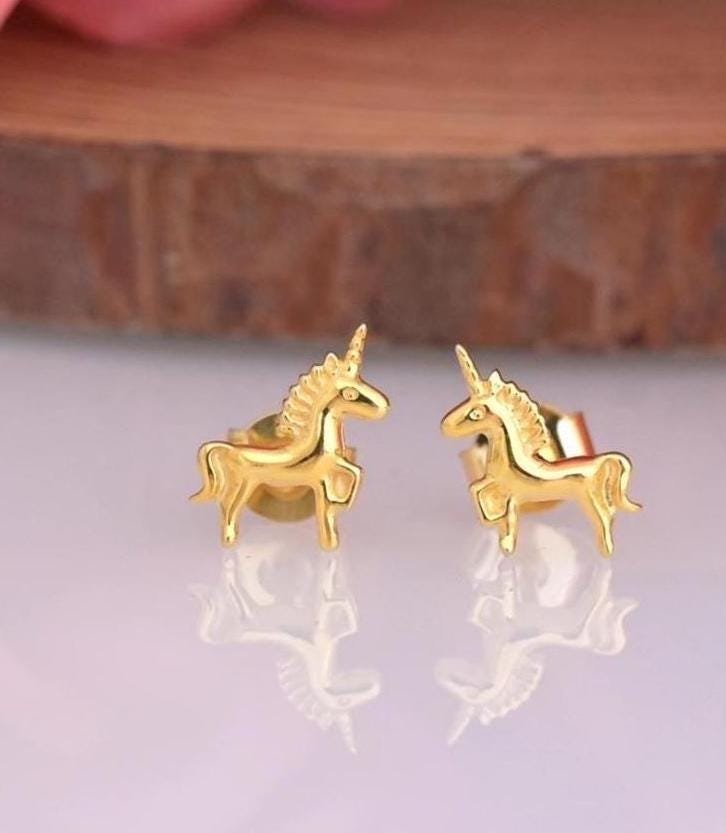
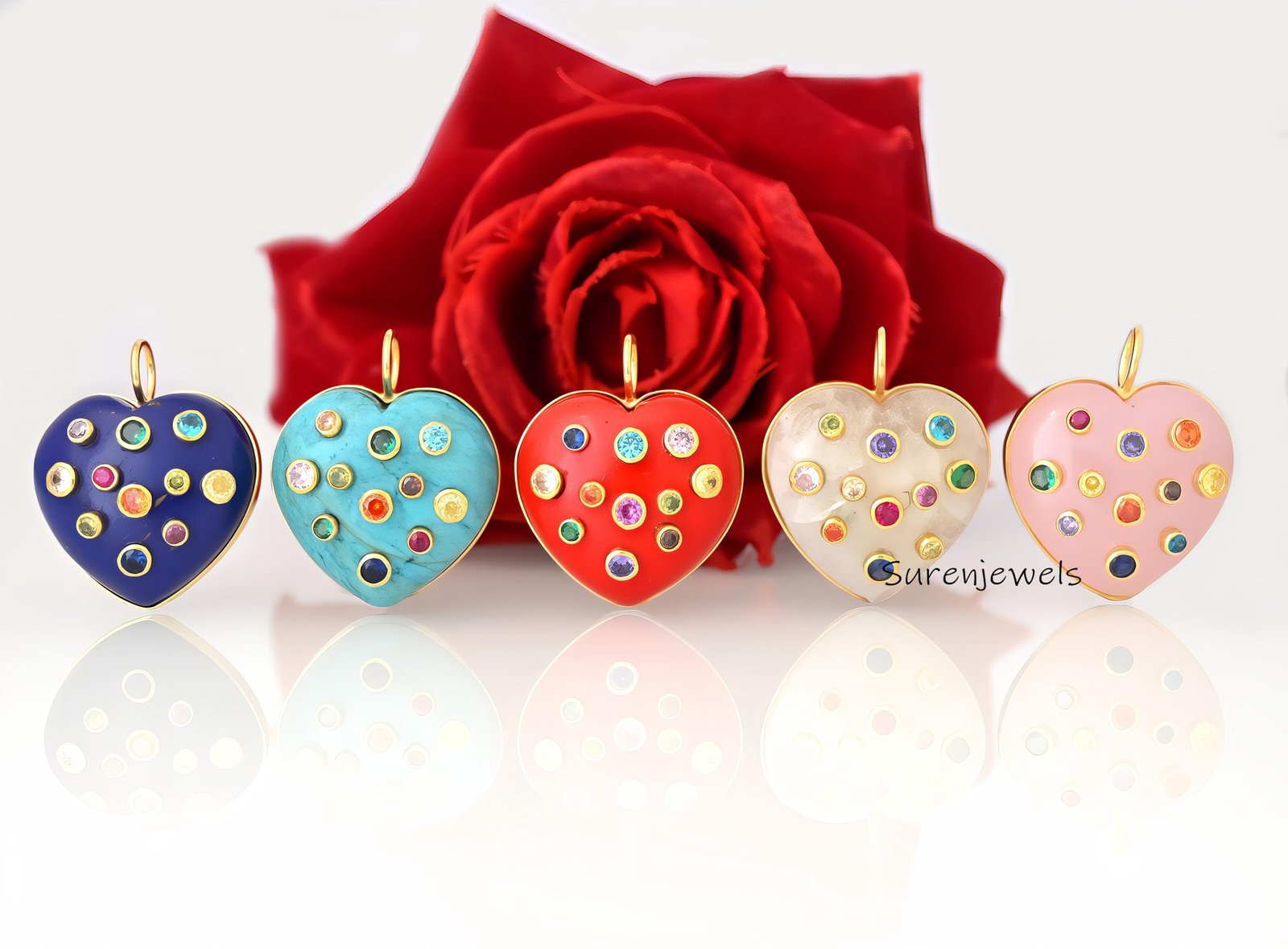
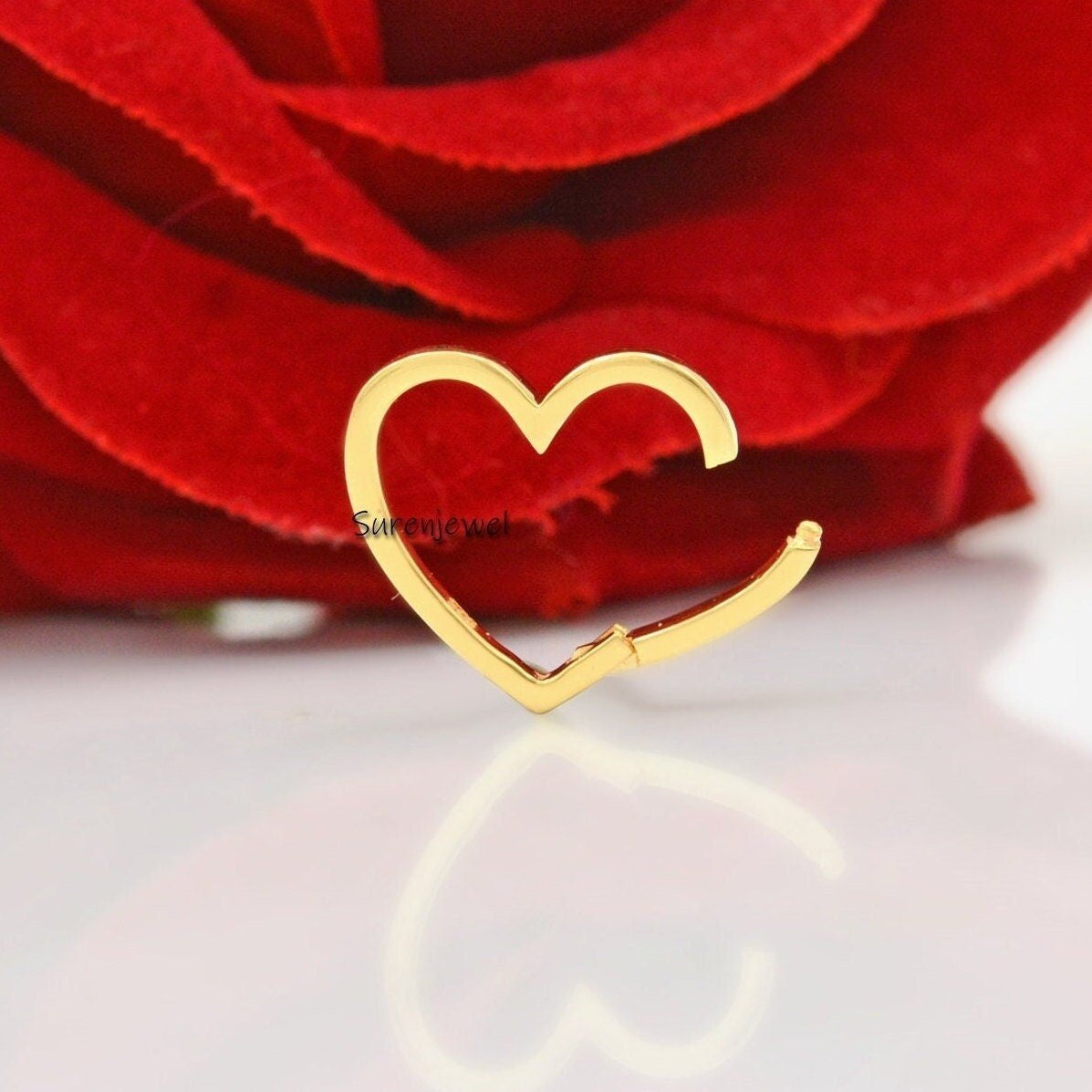
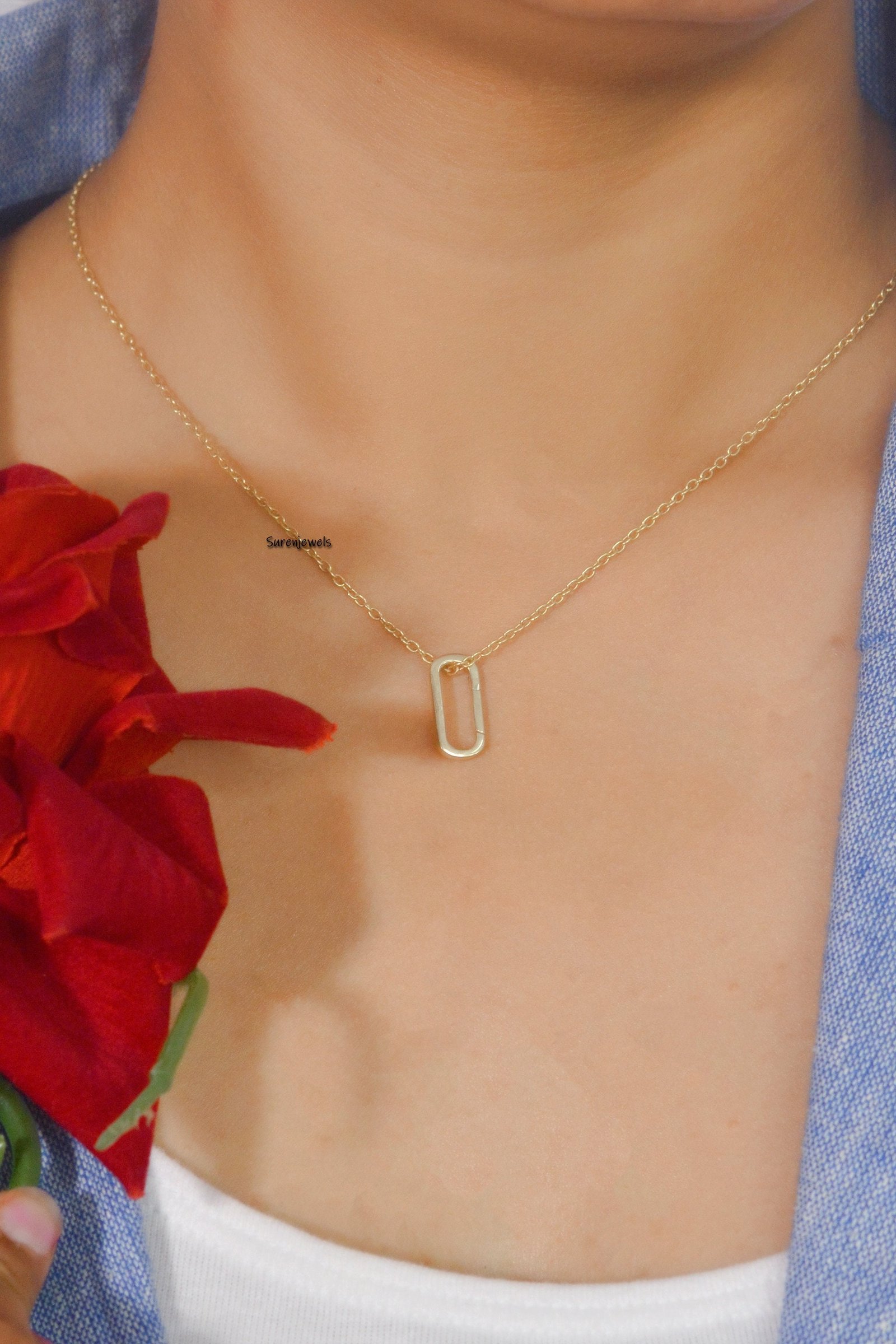
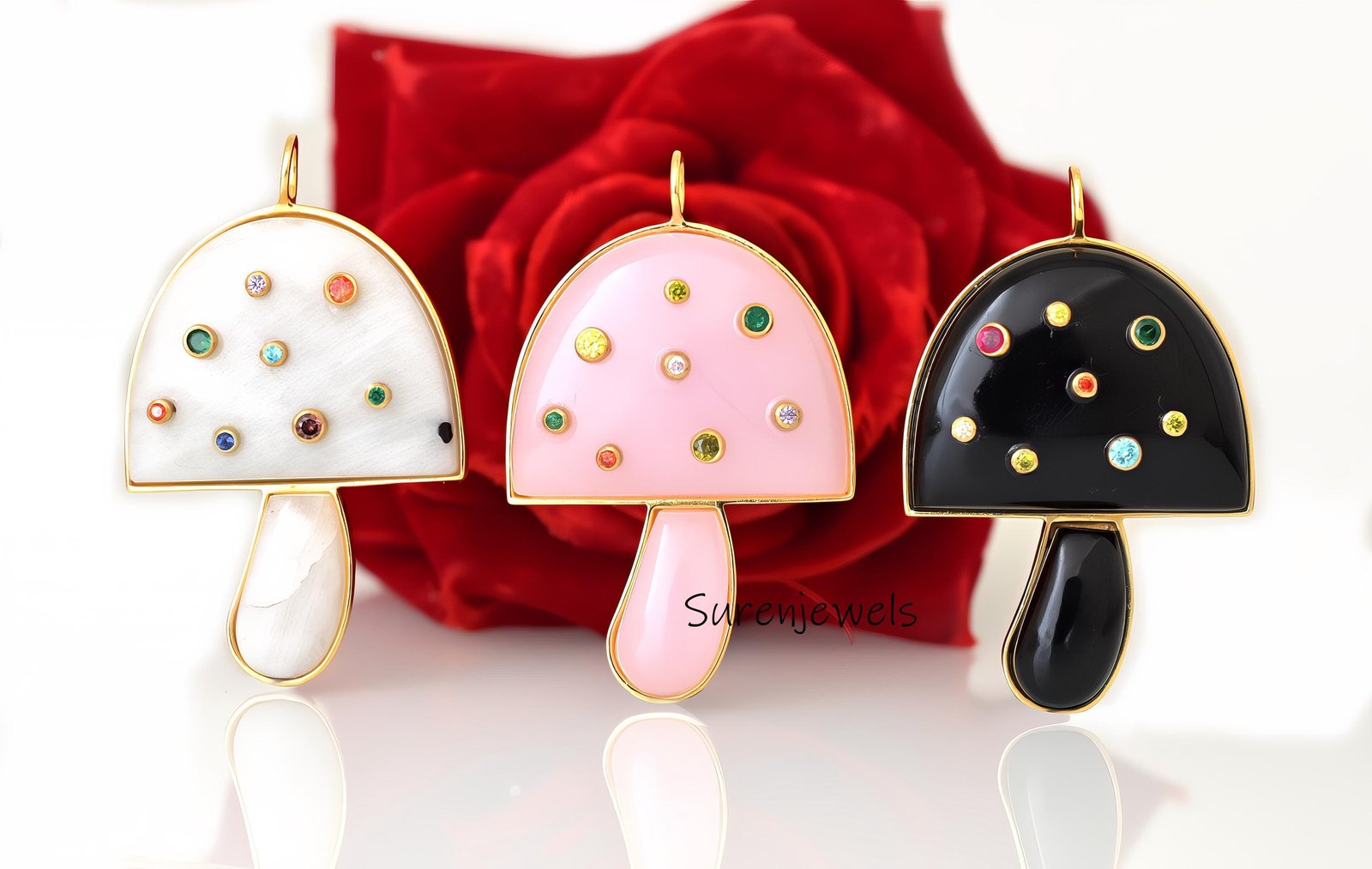
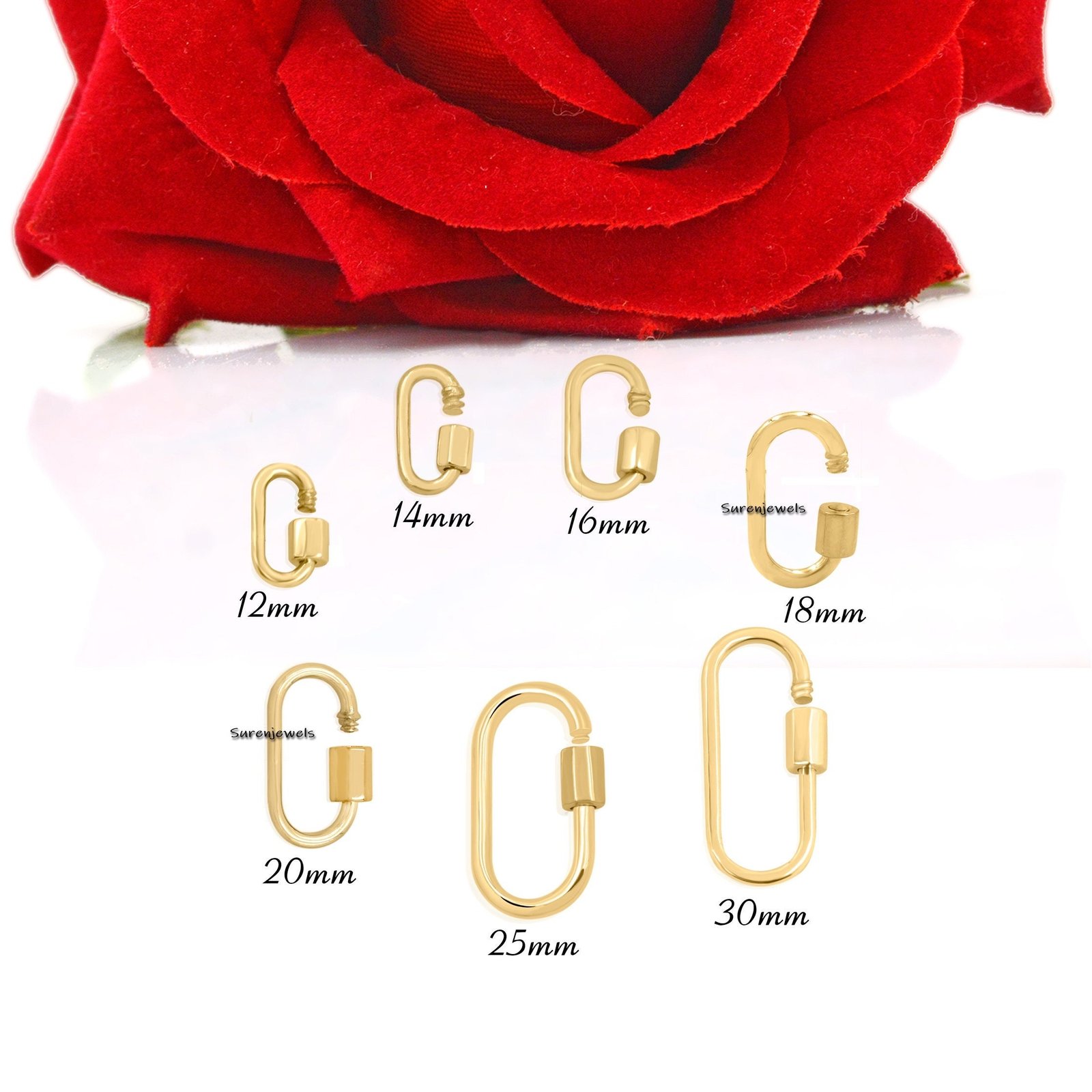
Suren Jewels, Jaipur listing | Verified manufacturer; 9K/14K charms, holders and gemstone pendants visible. | Selected items show MOQ 1–10 pcs; worldwide shipping; DHL, FedEx, UPS. | Good for low-volume 9K/14K charms and gemstone-gold development; confirm 18K/22K terms. |
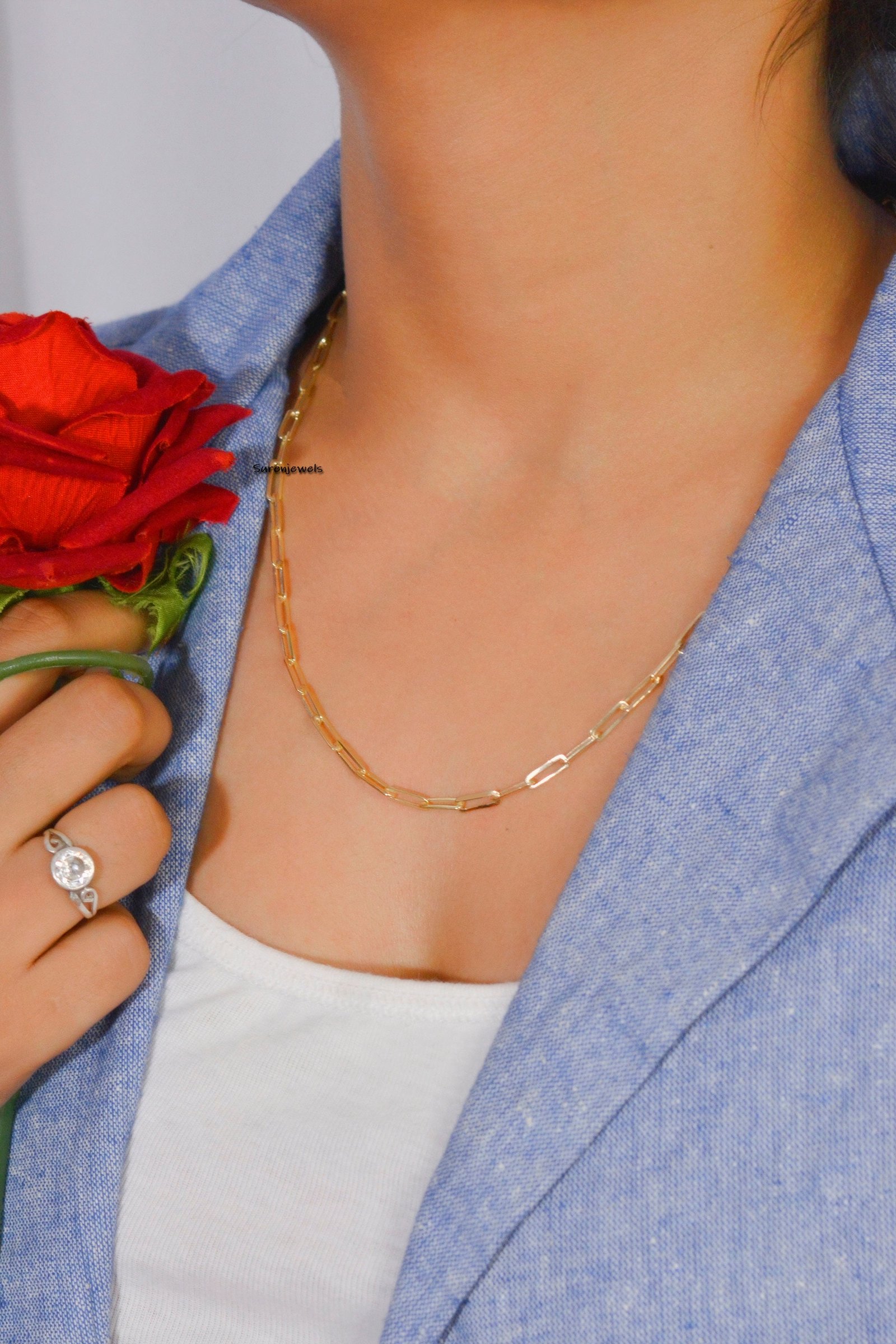
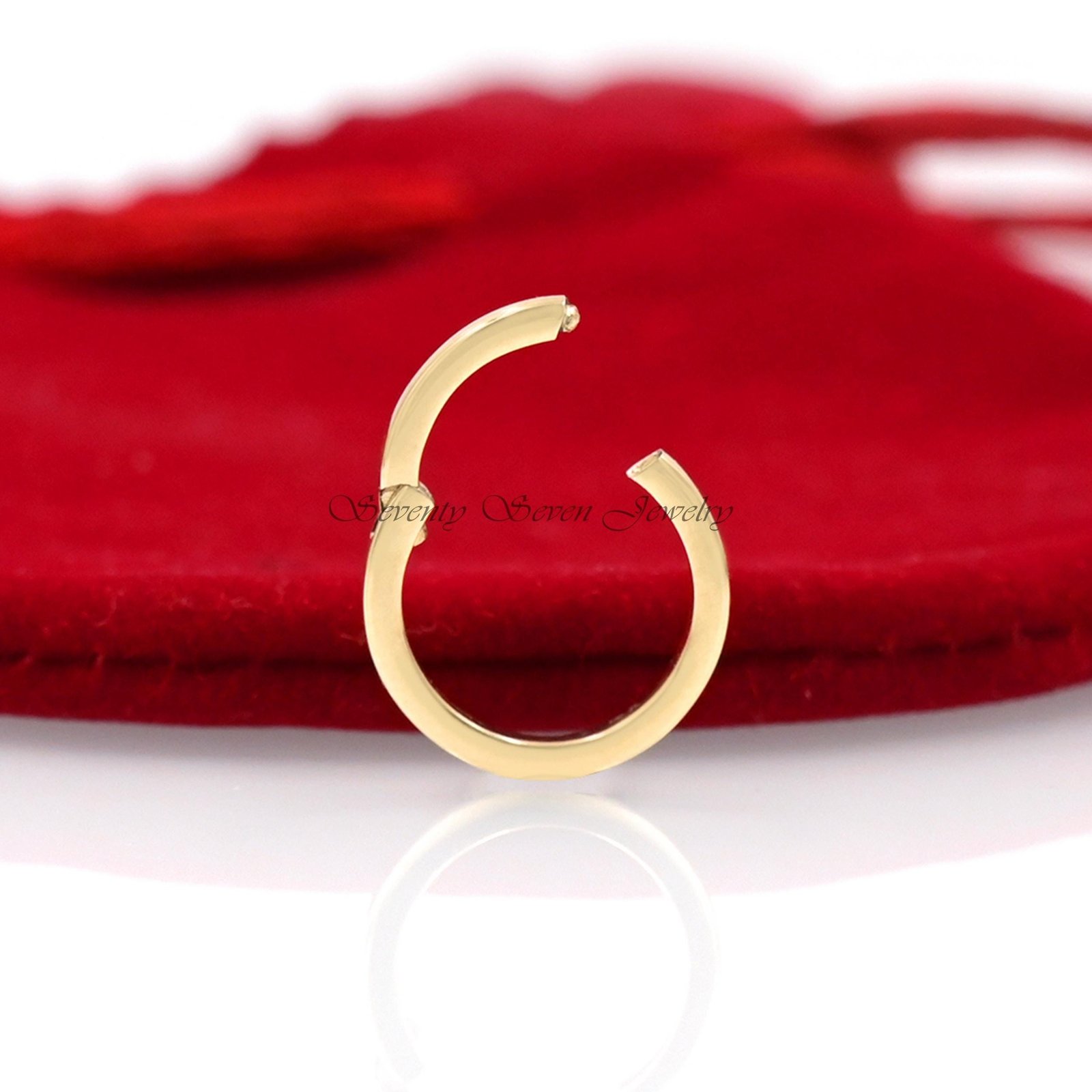
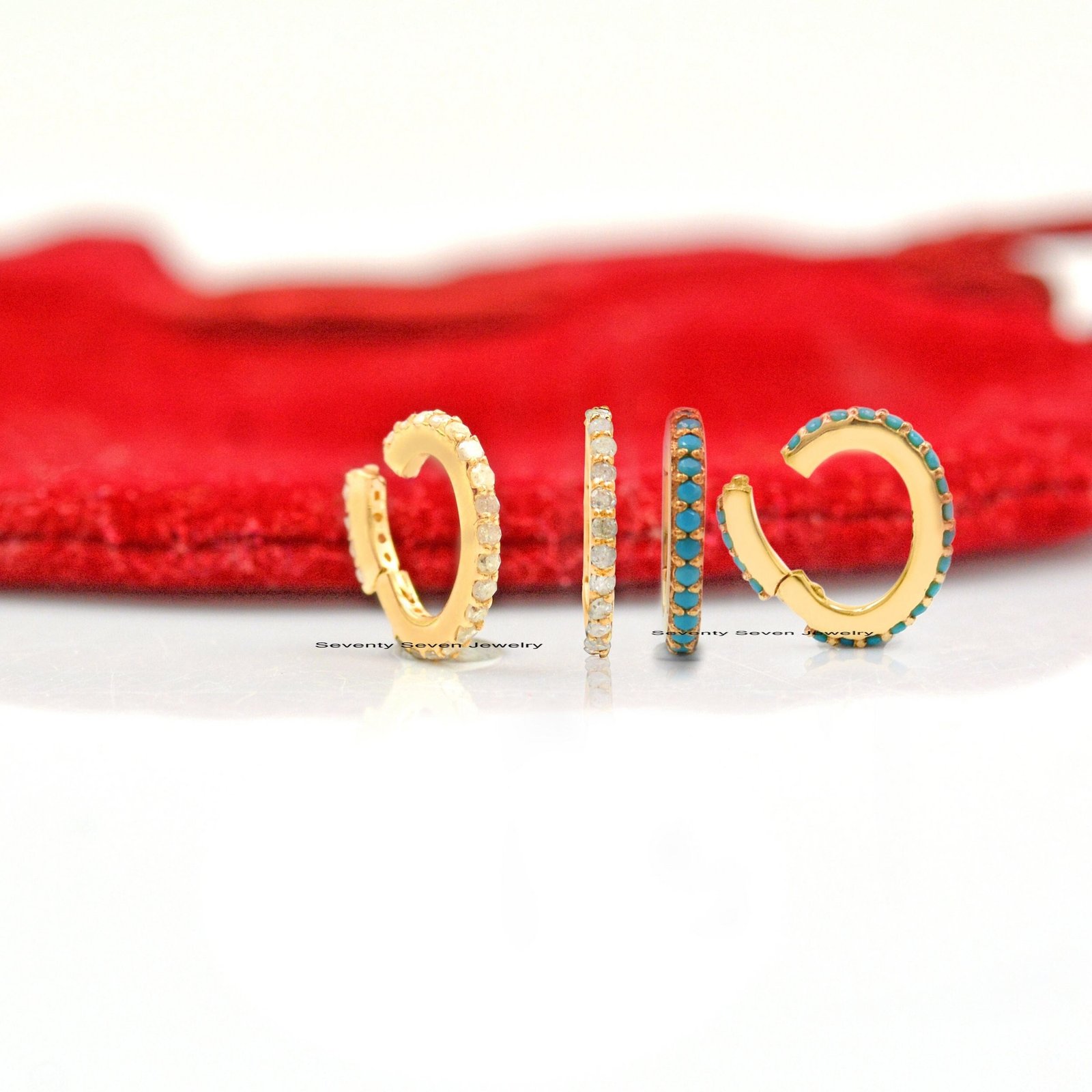
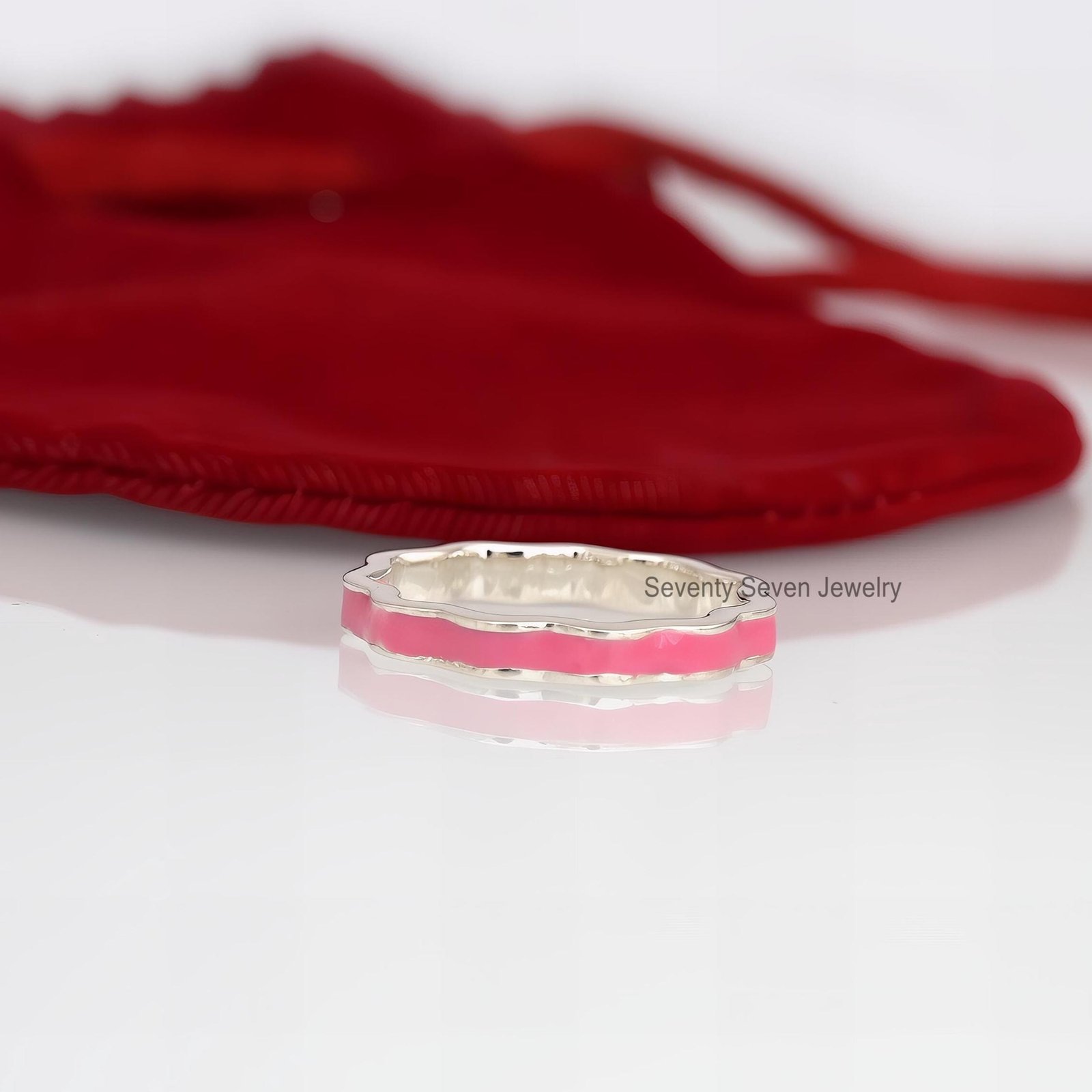
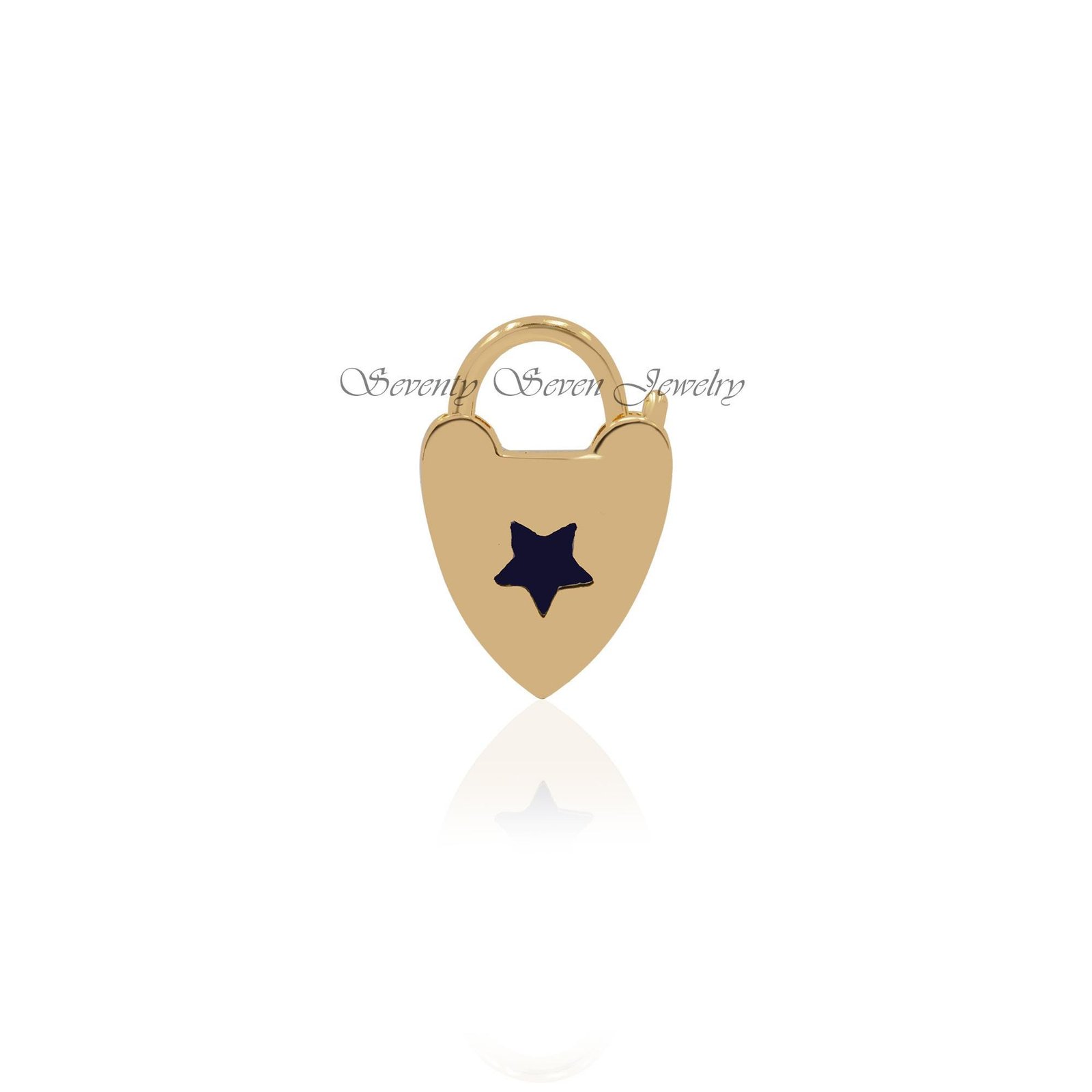
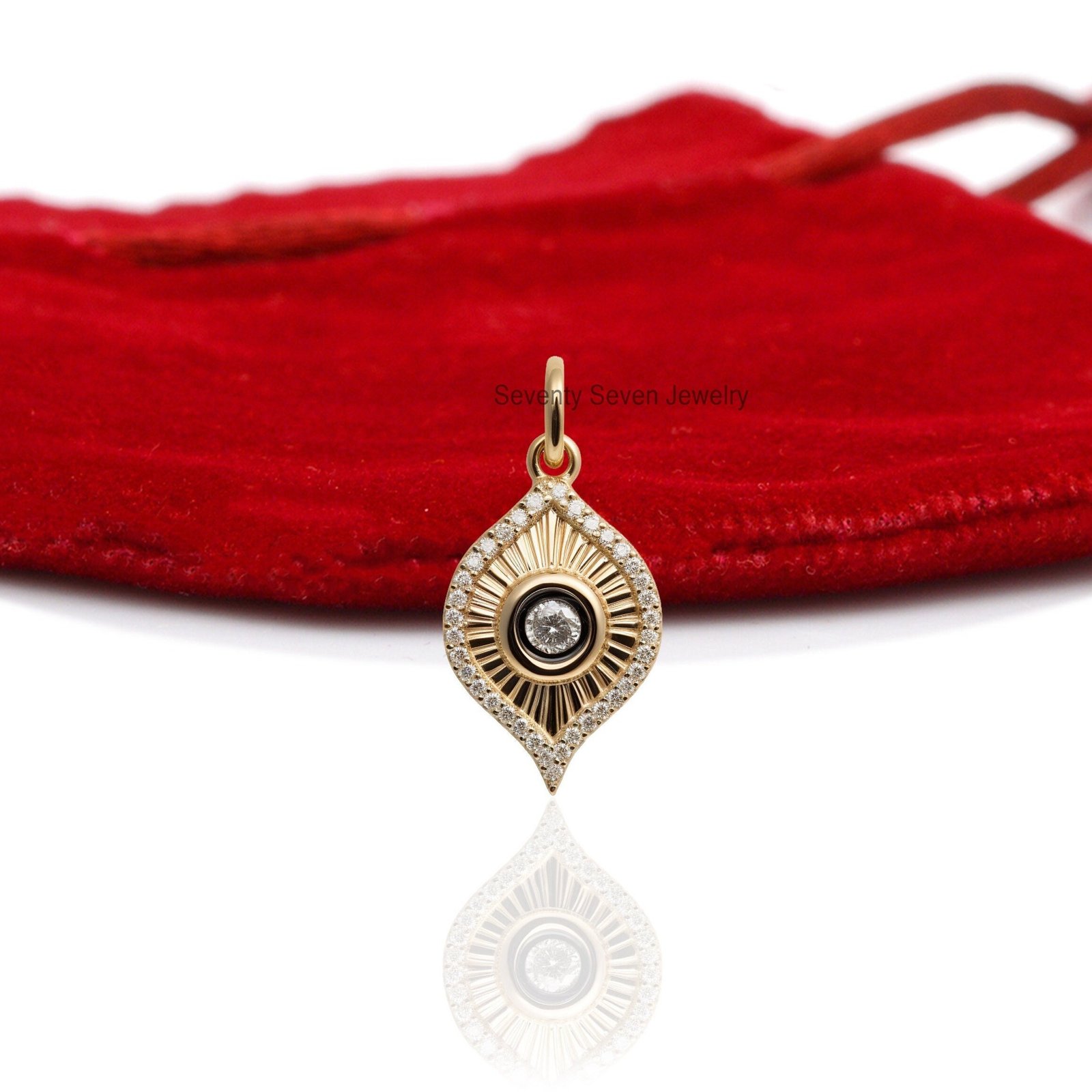
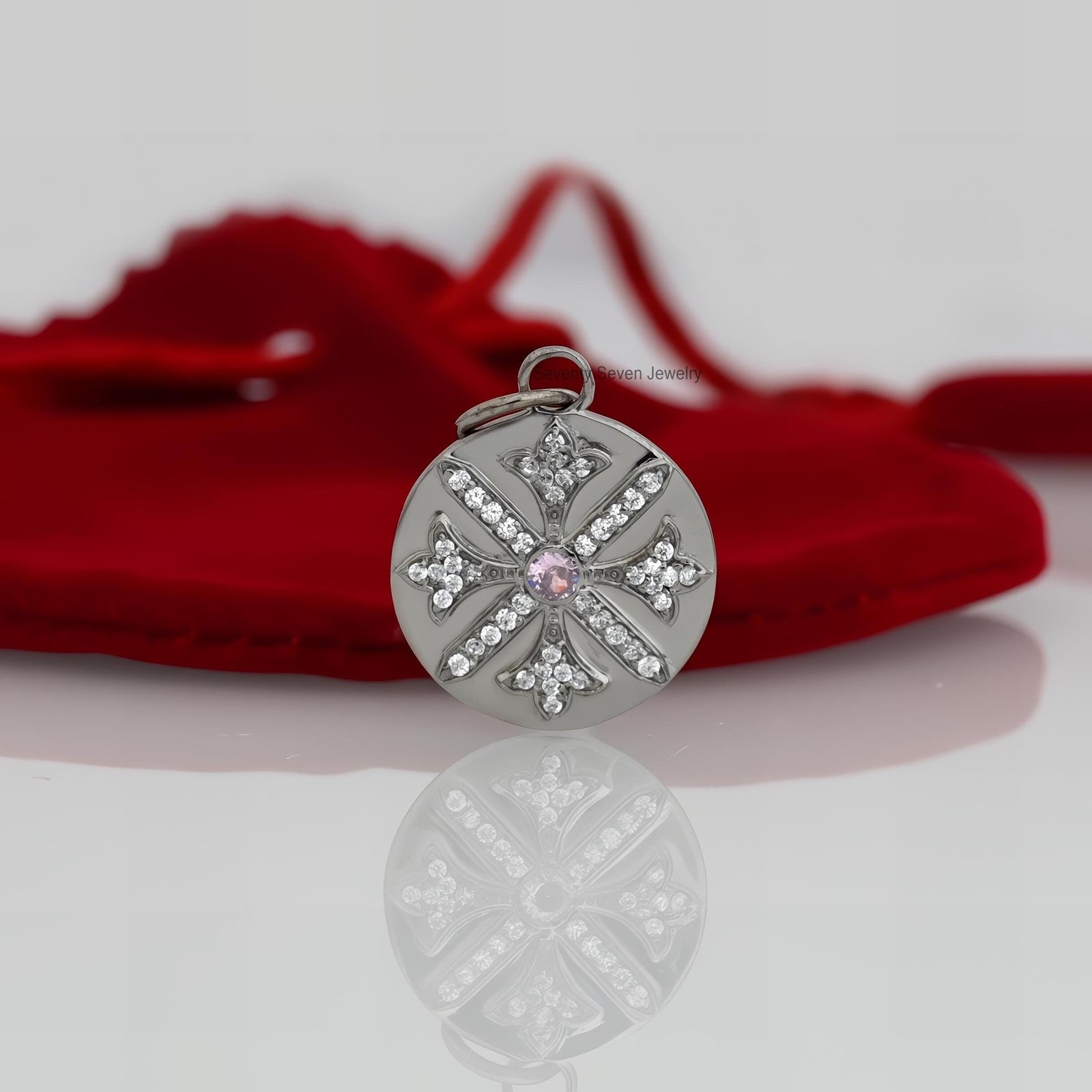
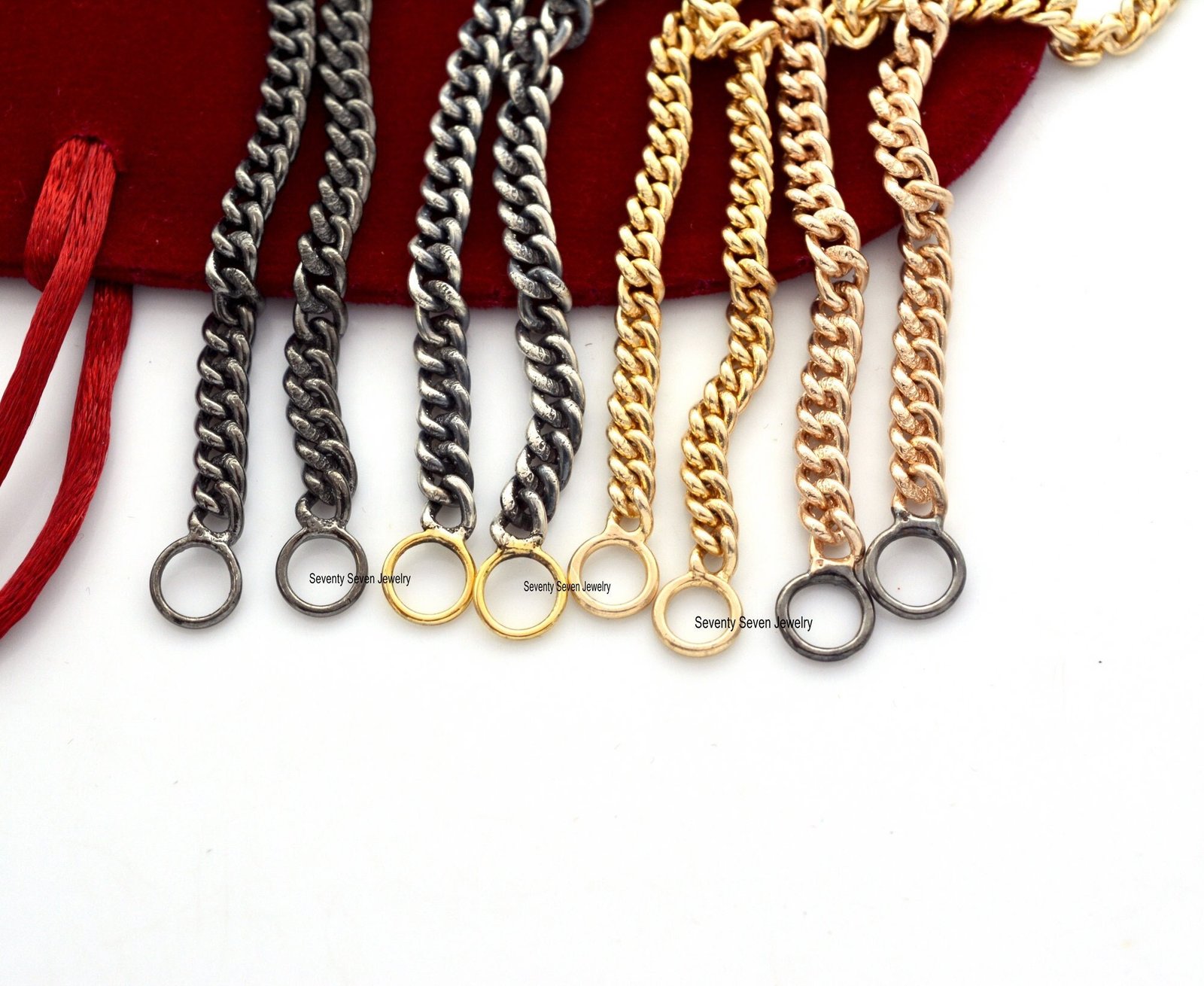
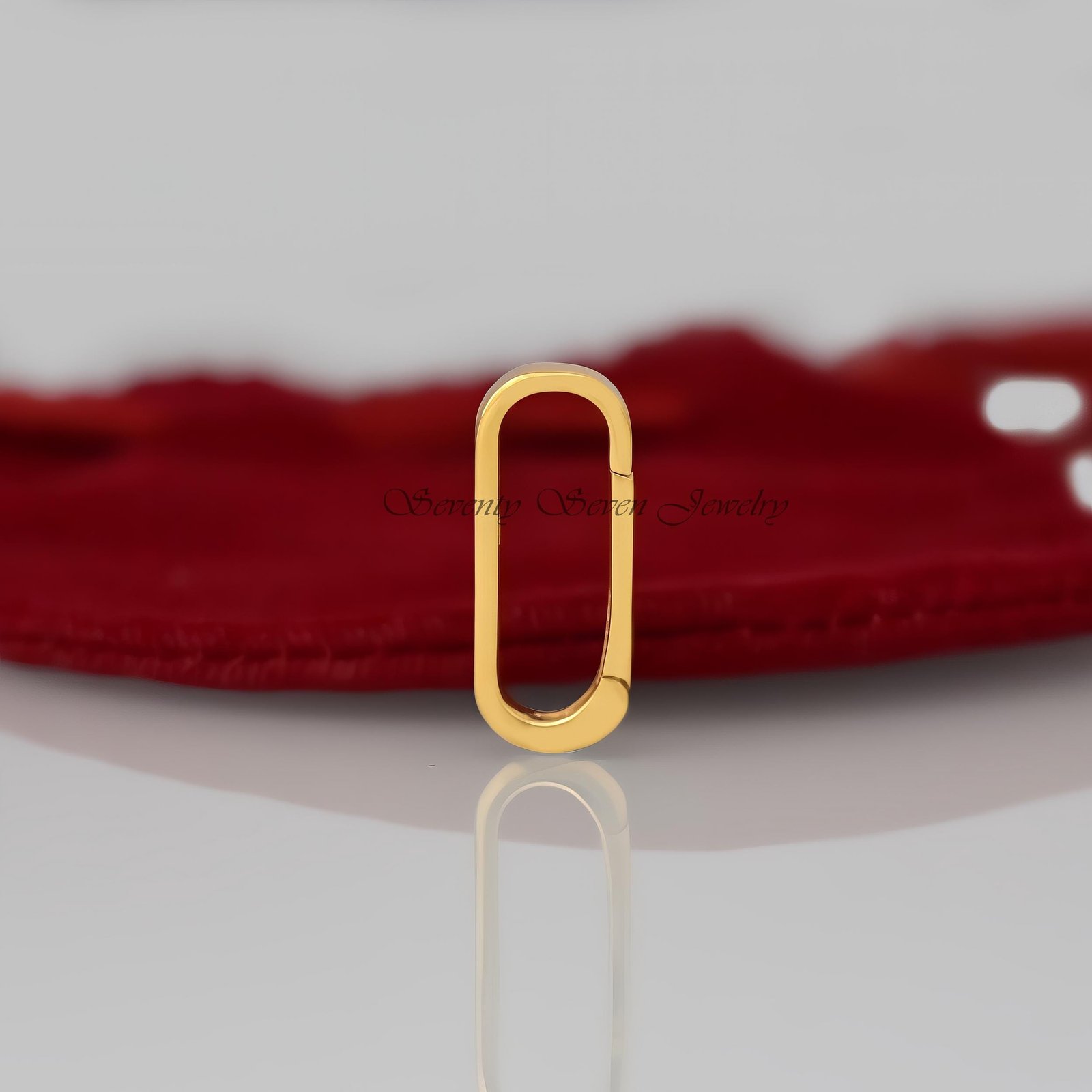
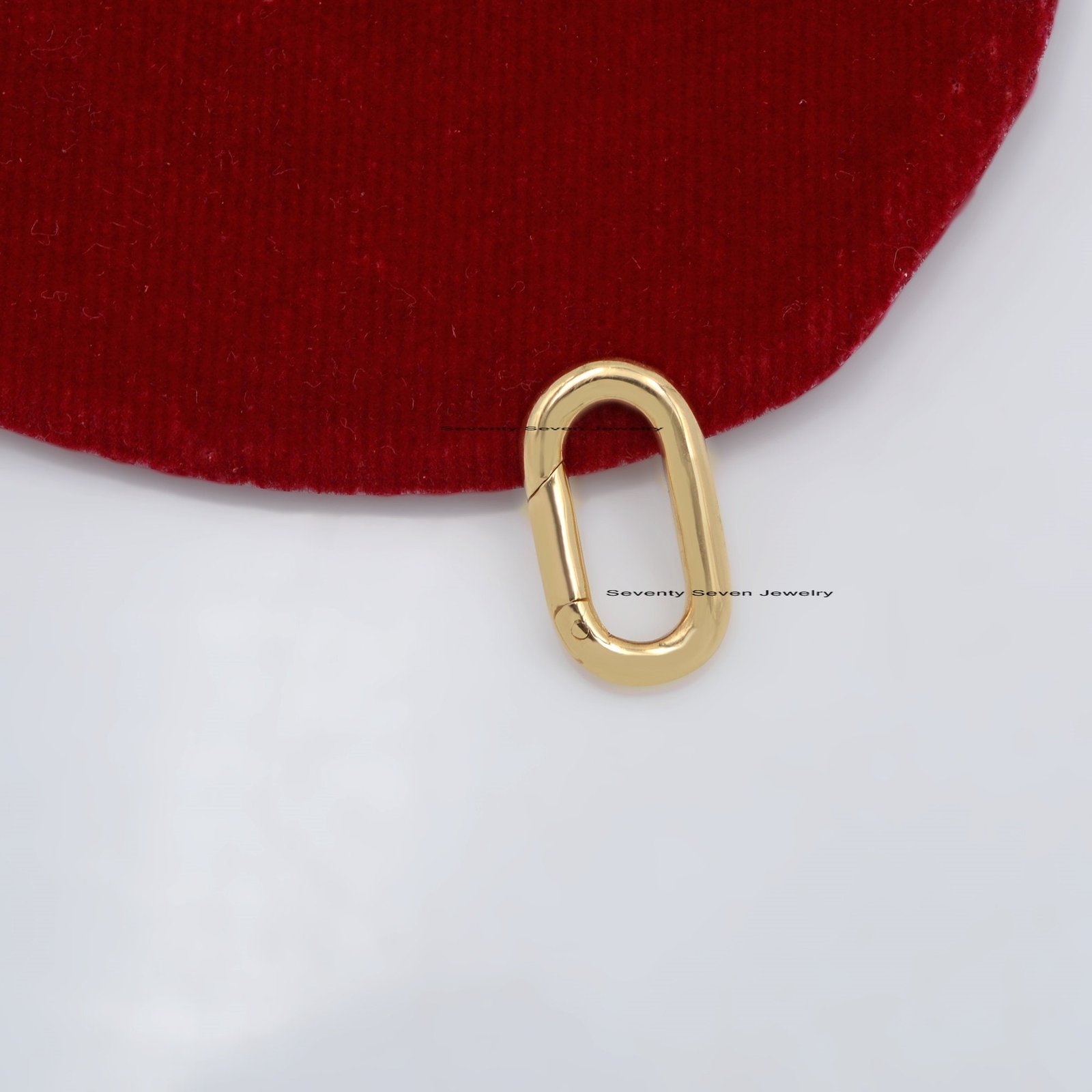
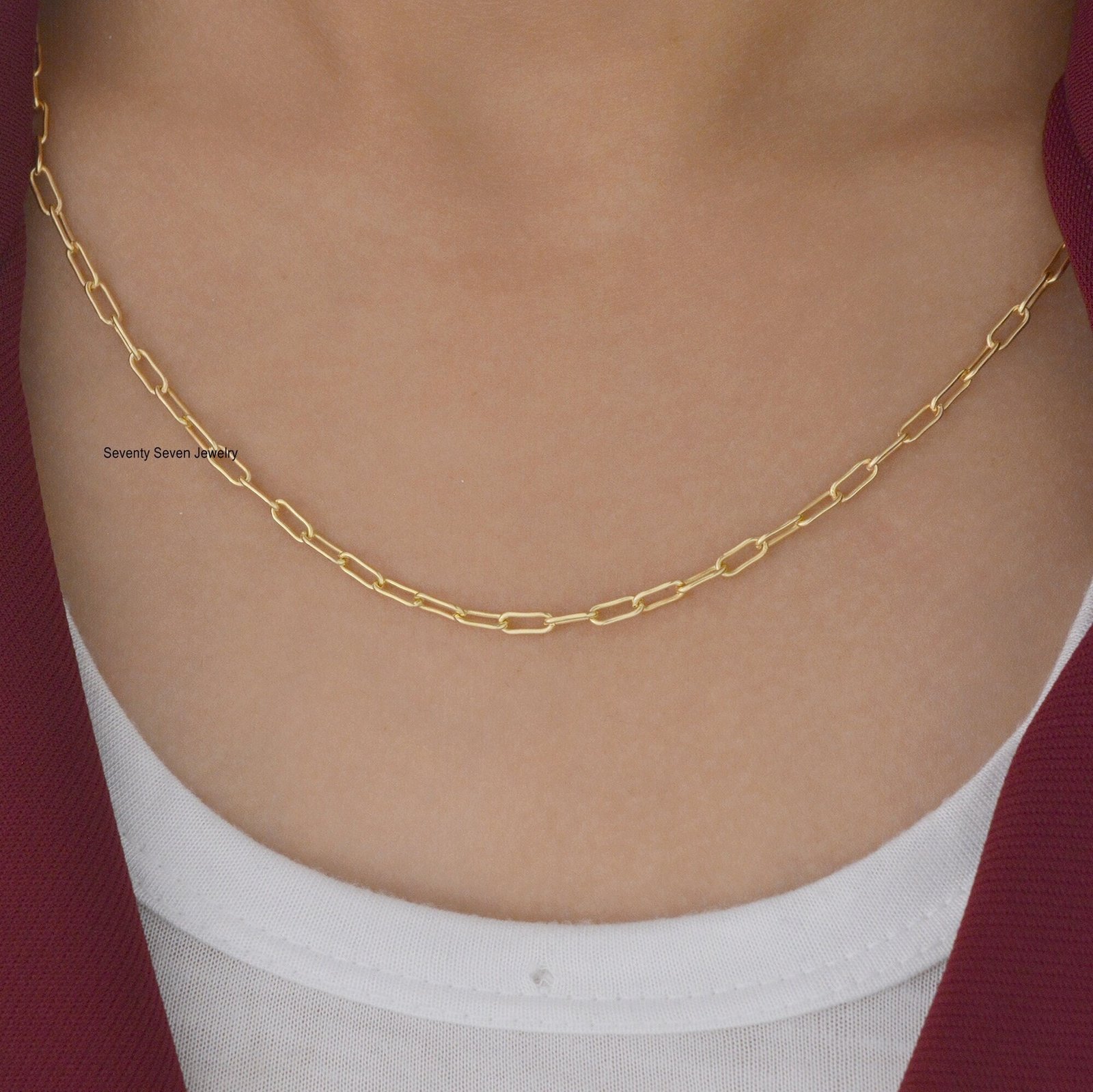
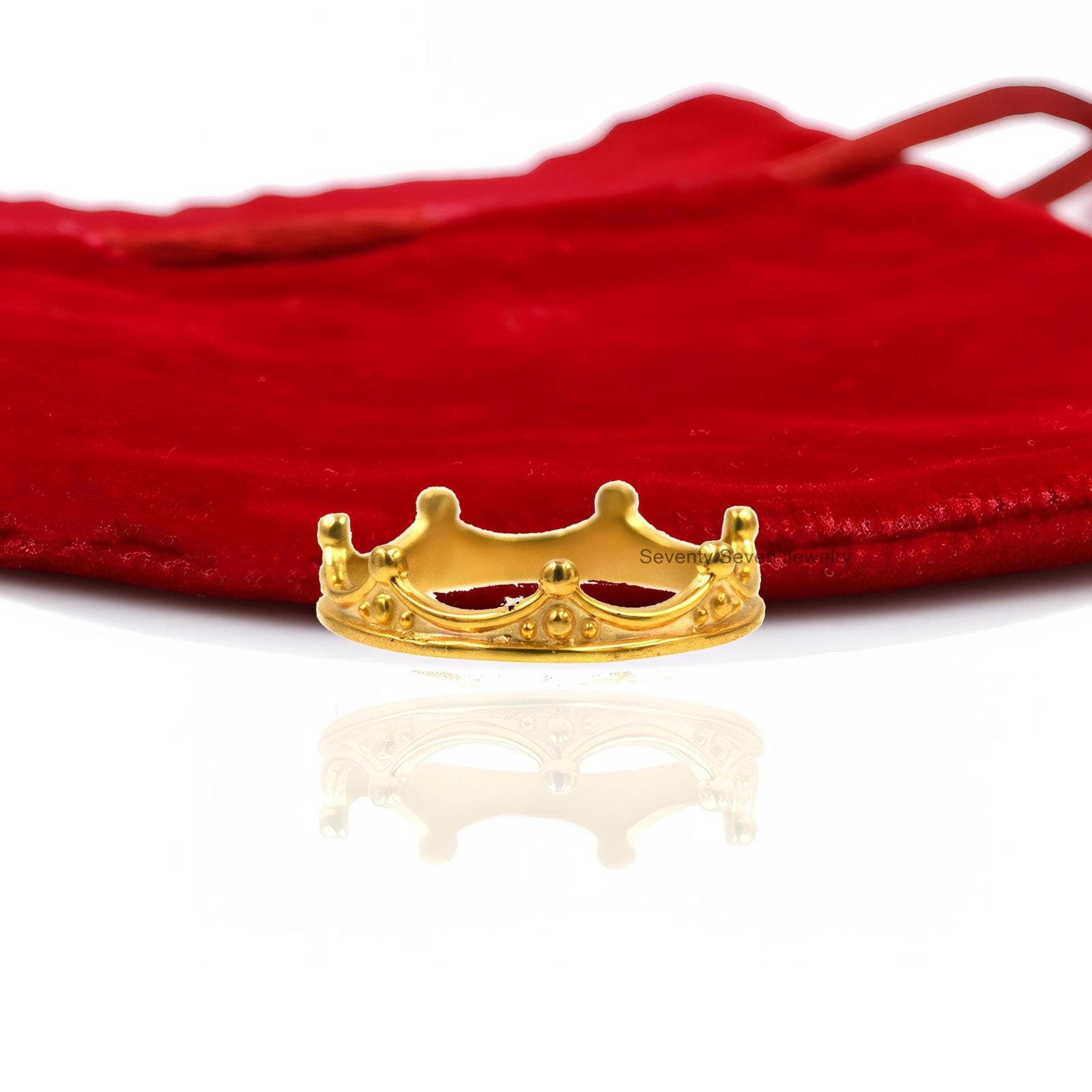
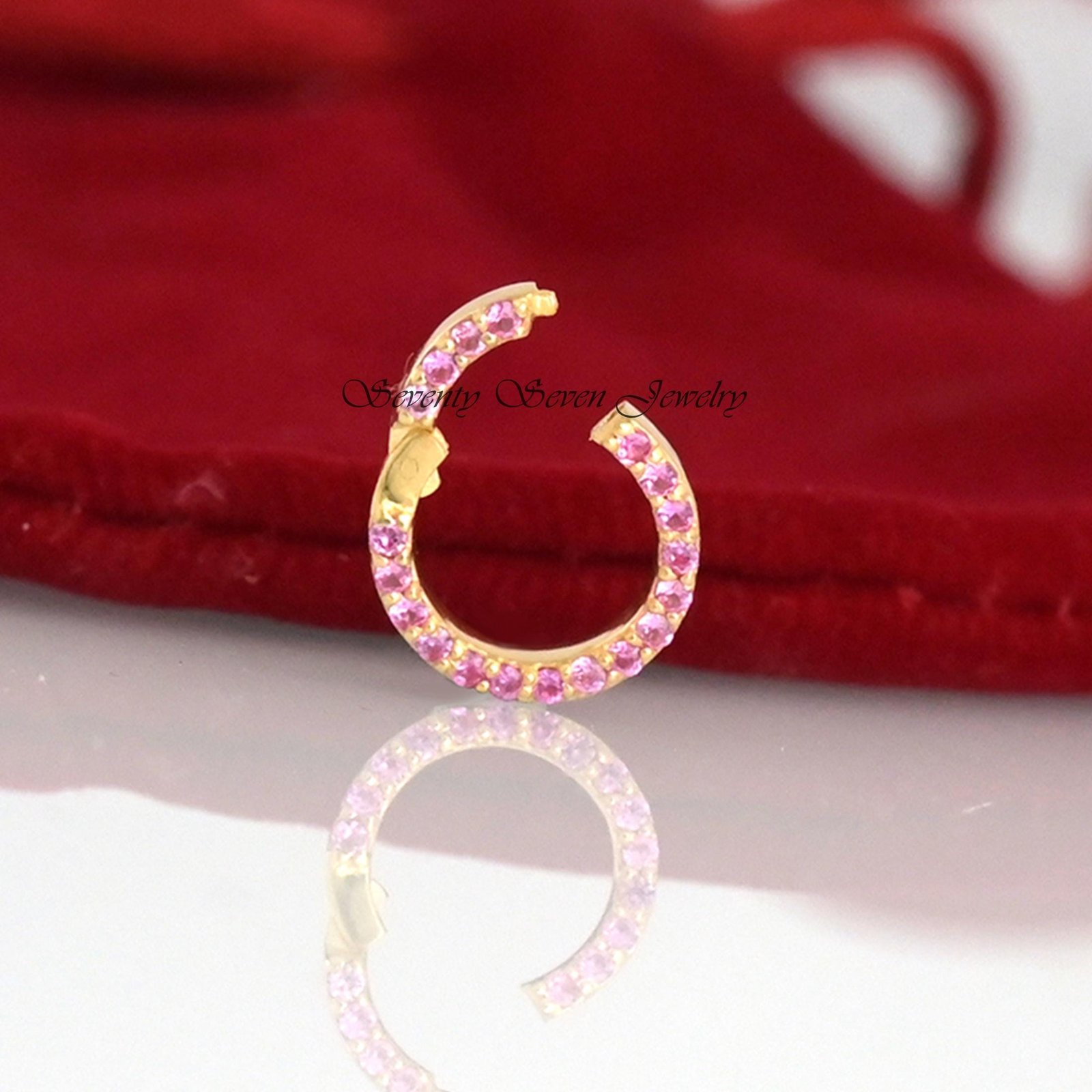
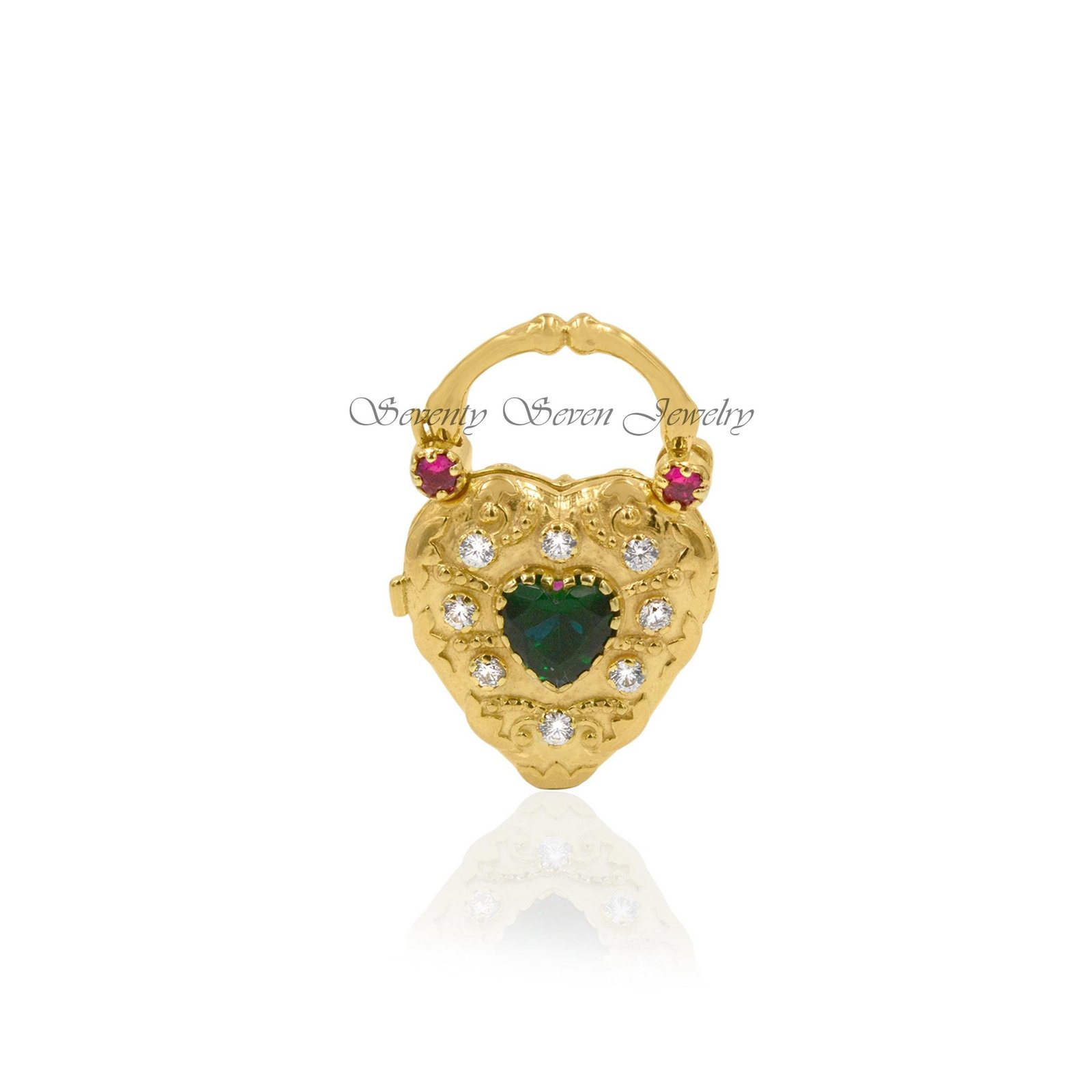
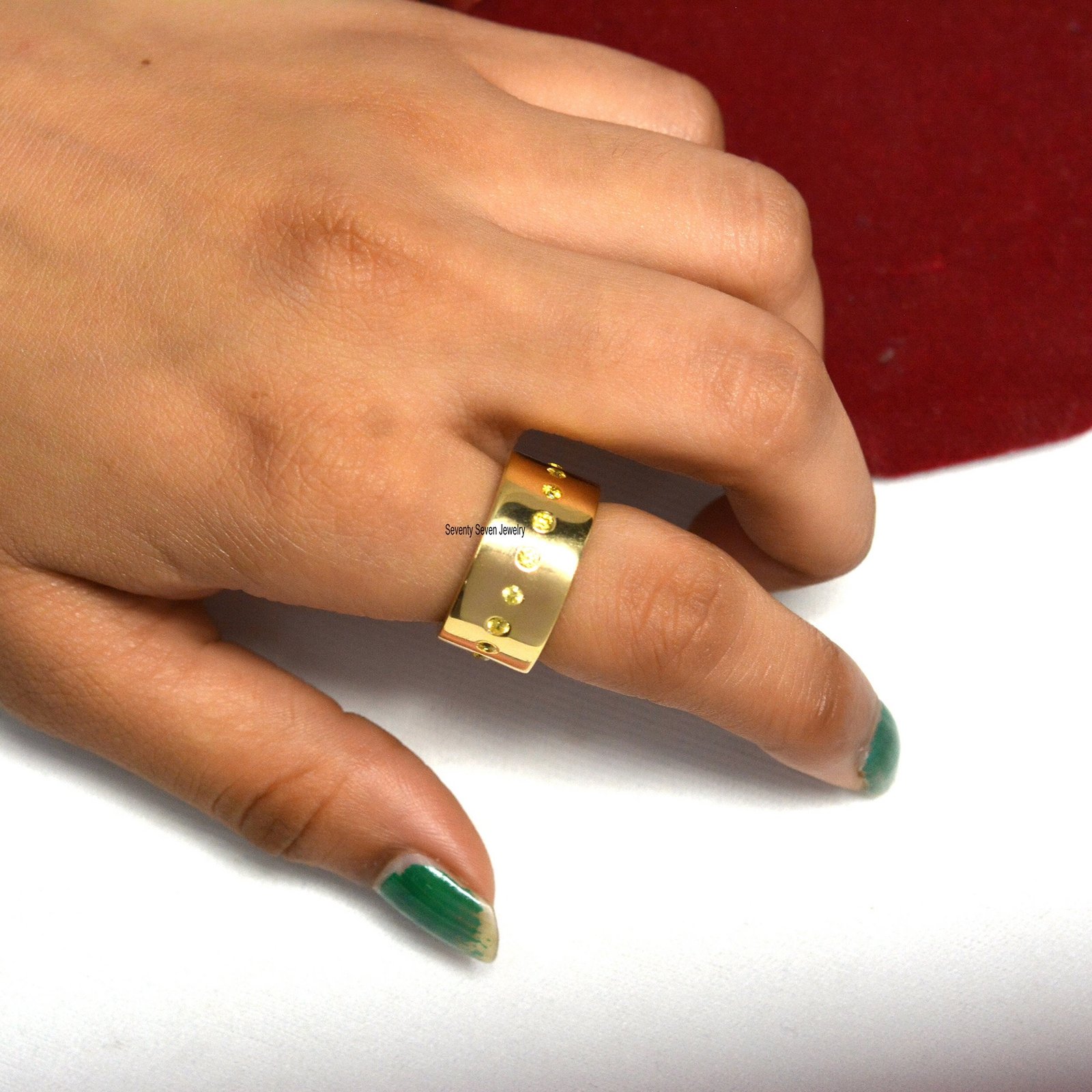
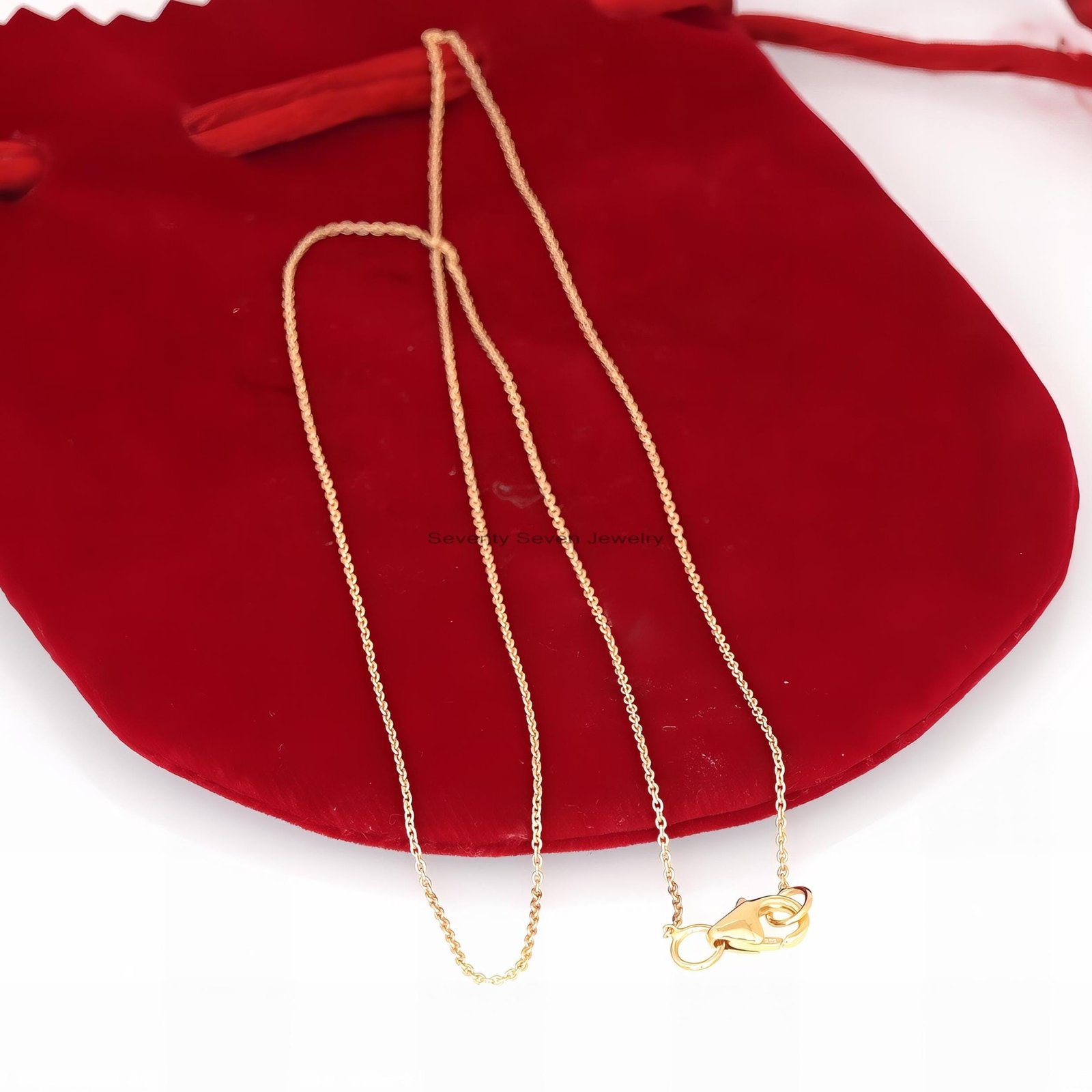
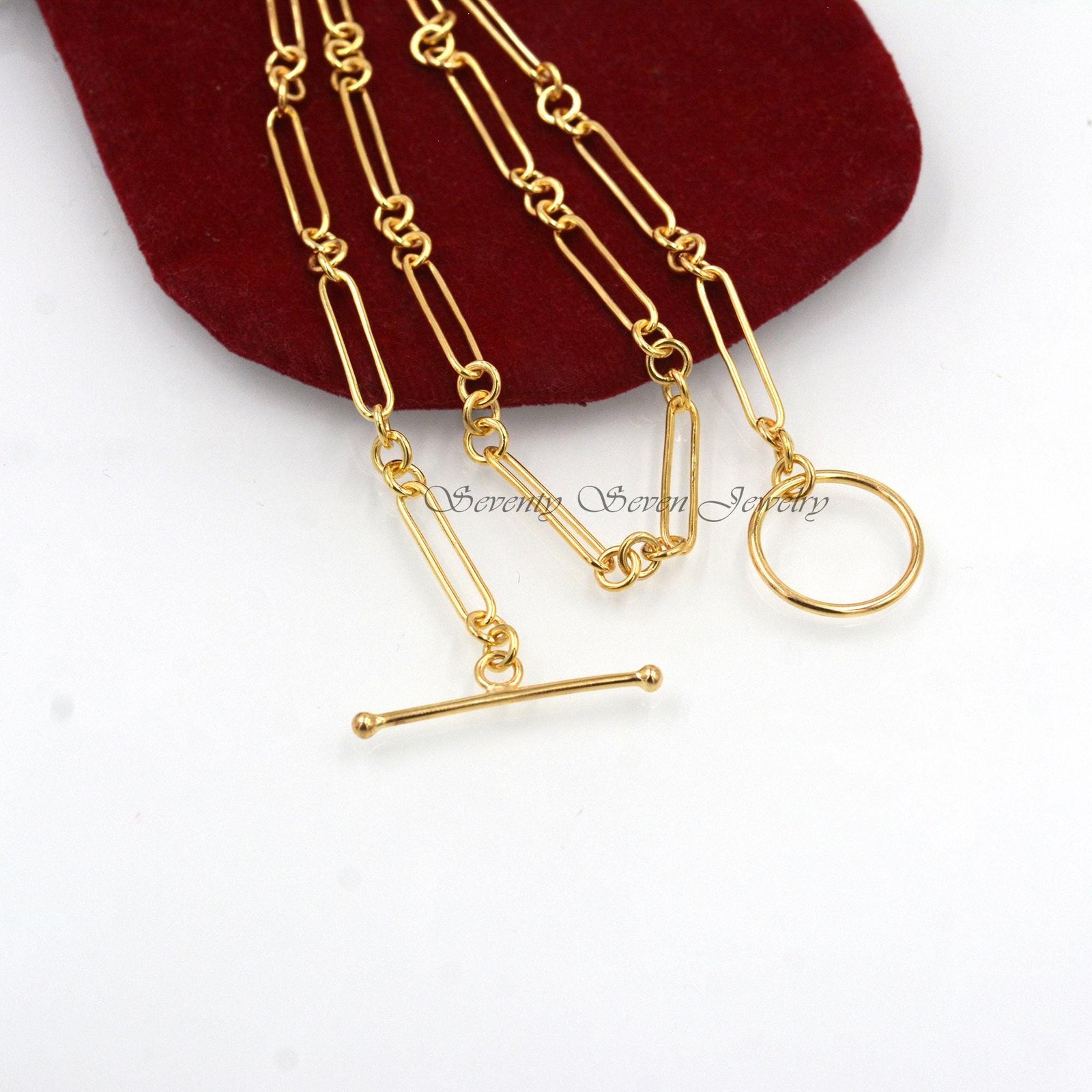
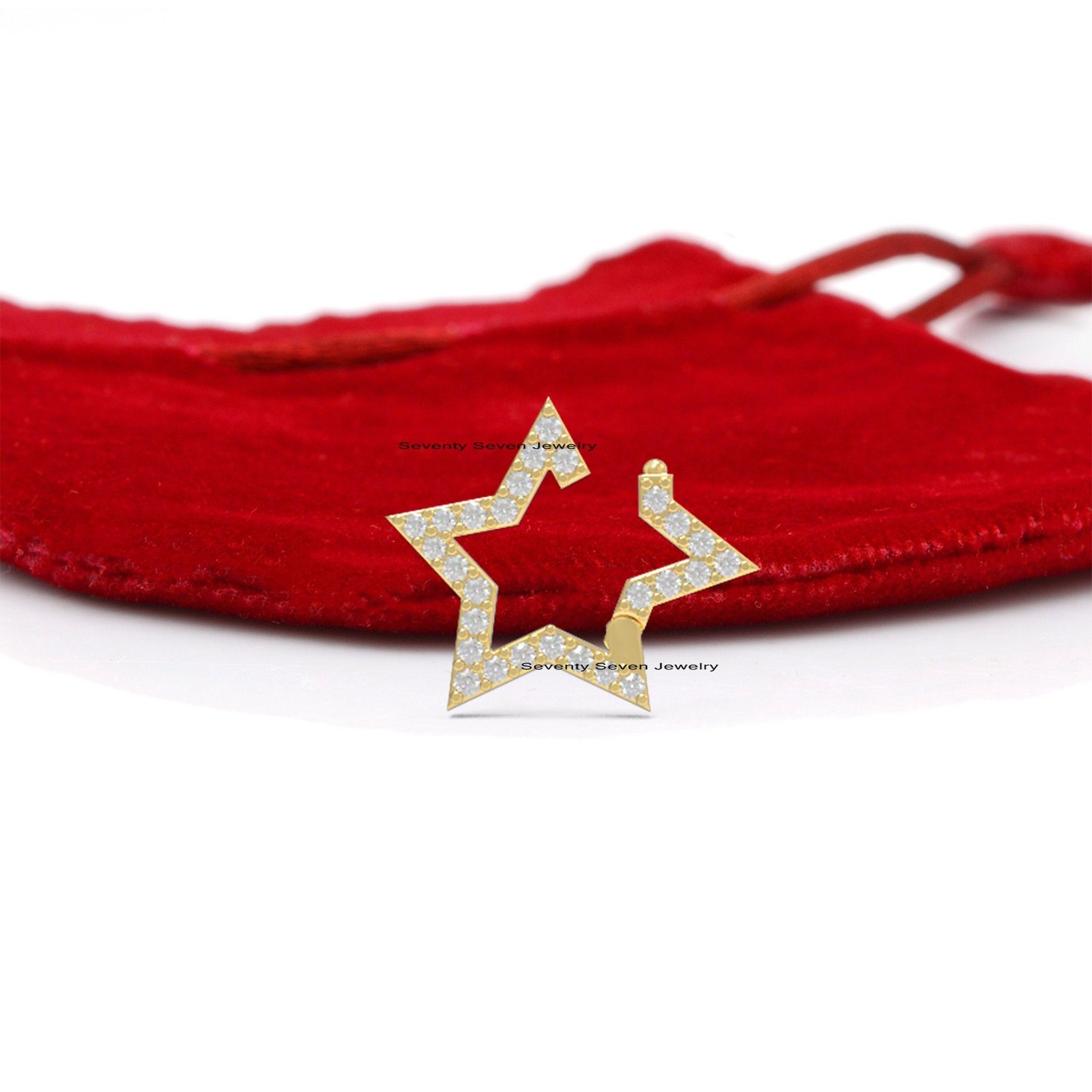
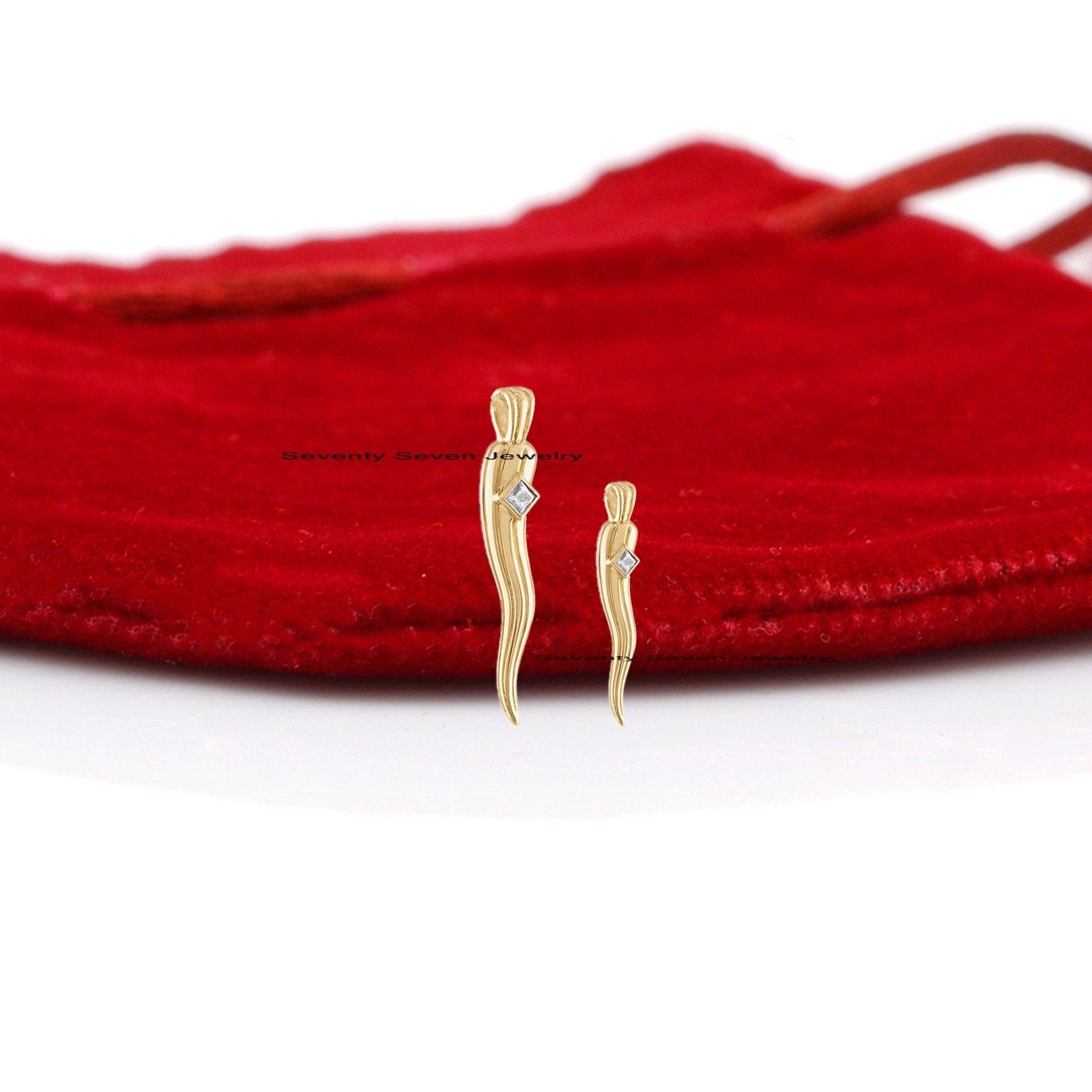
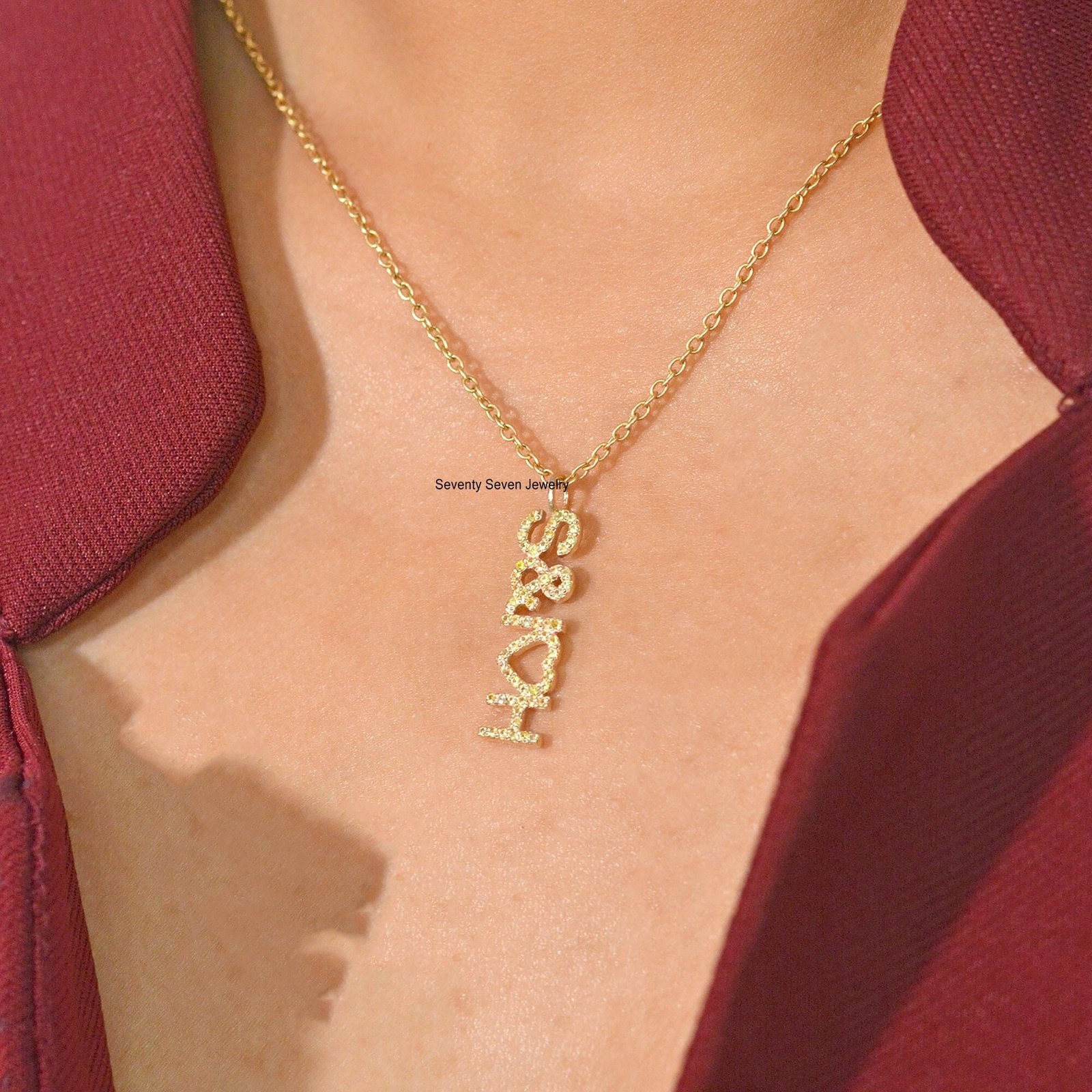
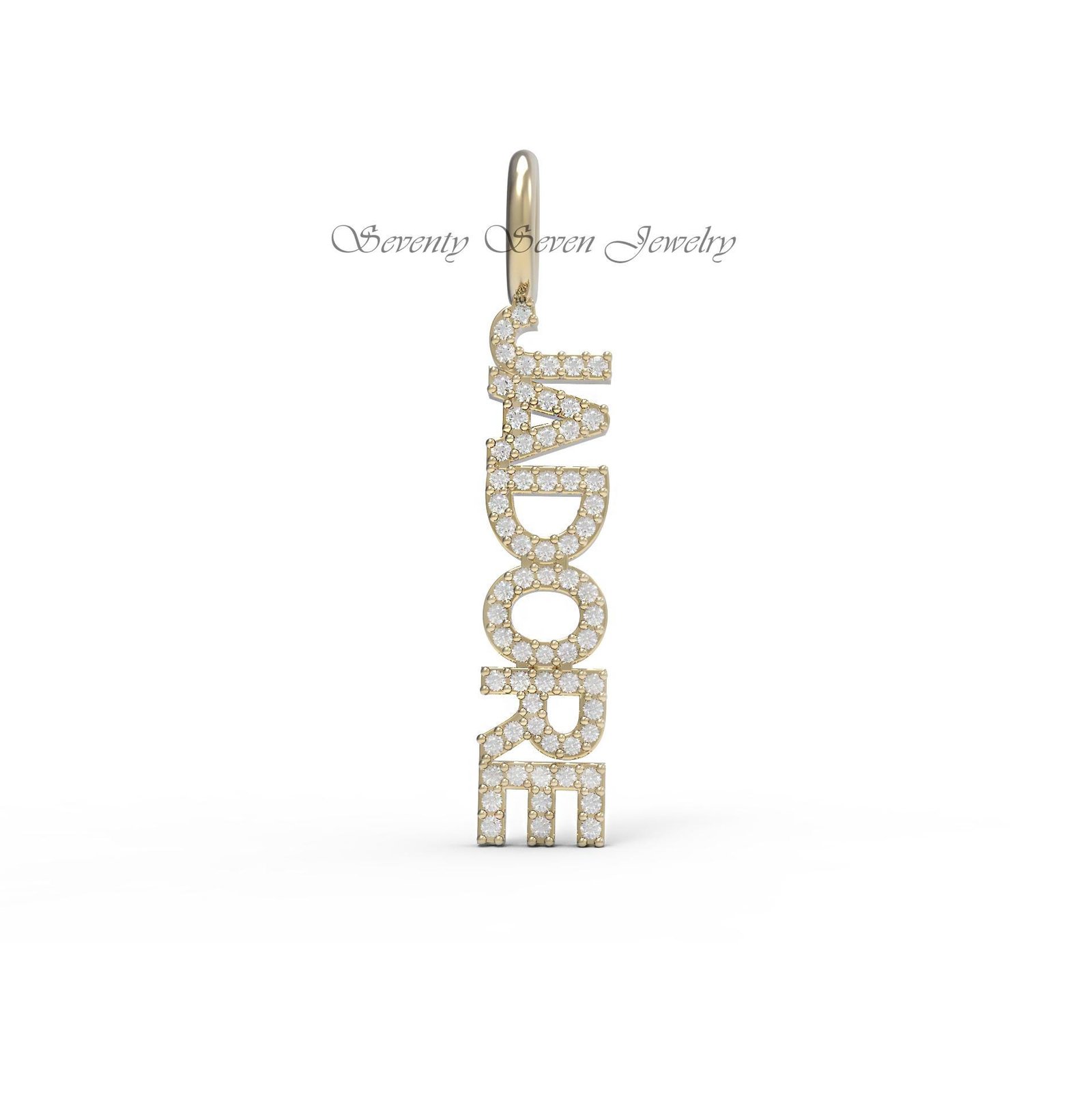
Seventy Seven Jewelry, India listing | Verified manufacturer; 9K/14K charm holders, diamond pieces, chains and rings visible. | Many reviewed items show MOQ 1–10 pcs; worldwide shipping; DHL. | Good for small-batch 9K/14K gold testing; confirm metal-loss and insured shipping. |
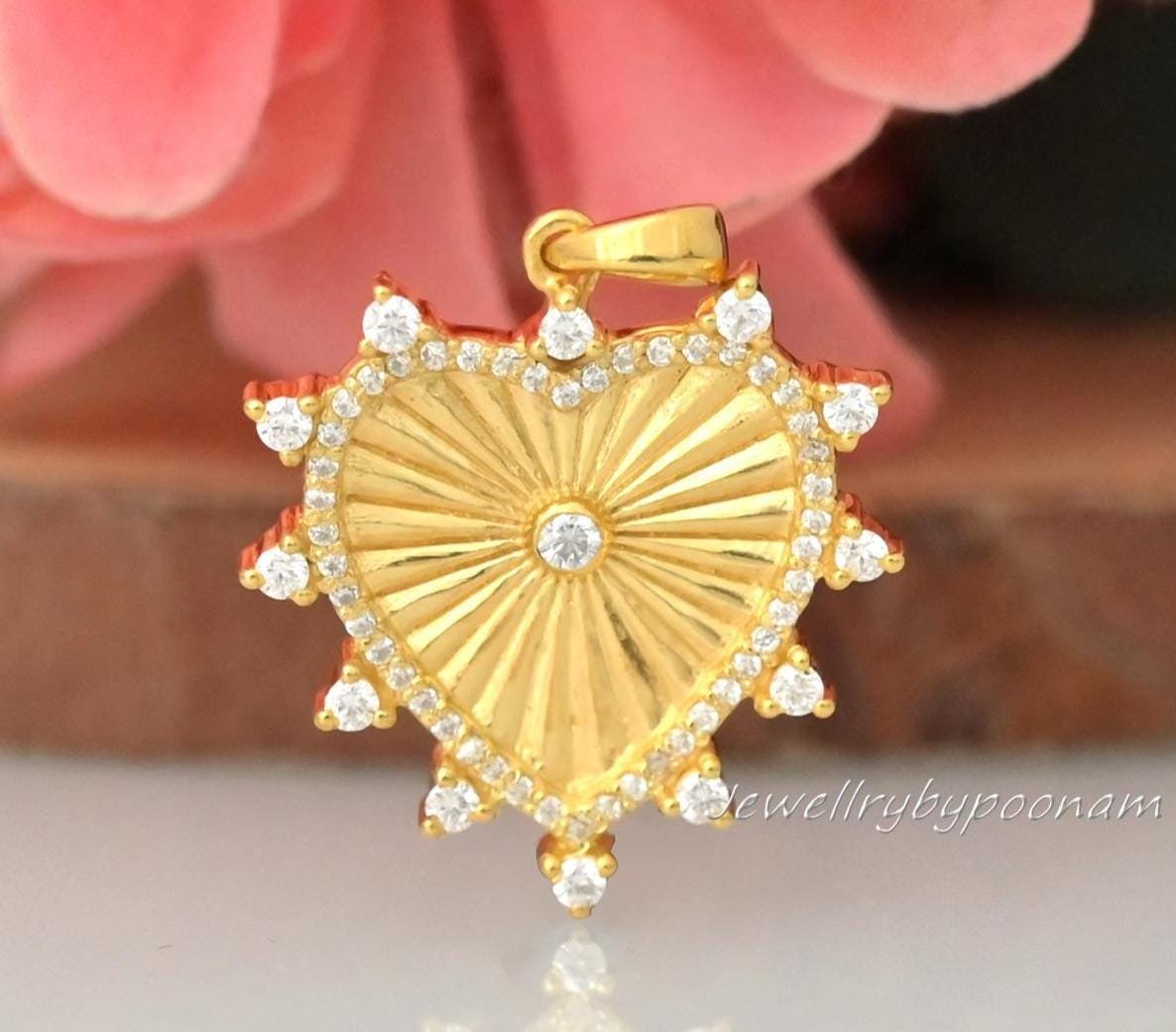
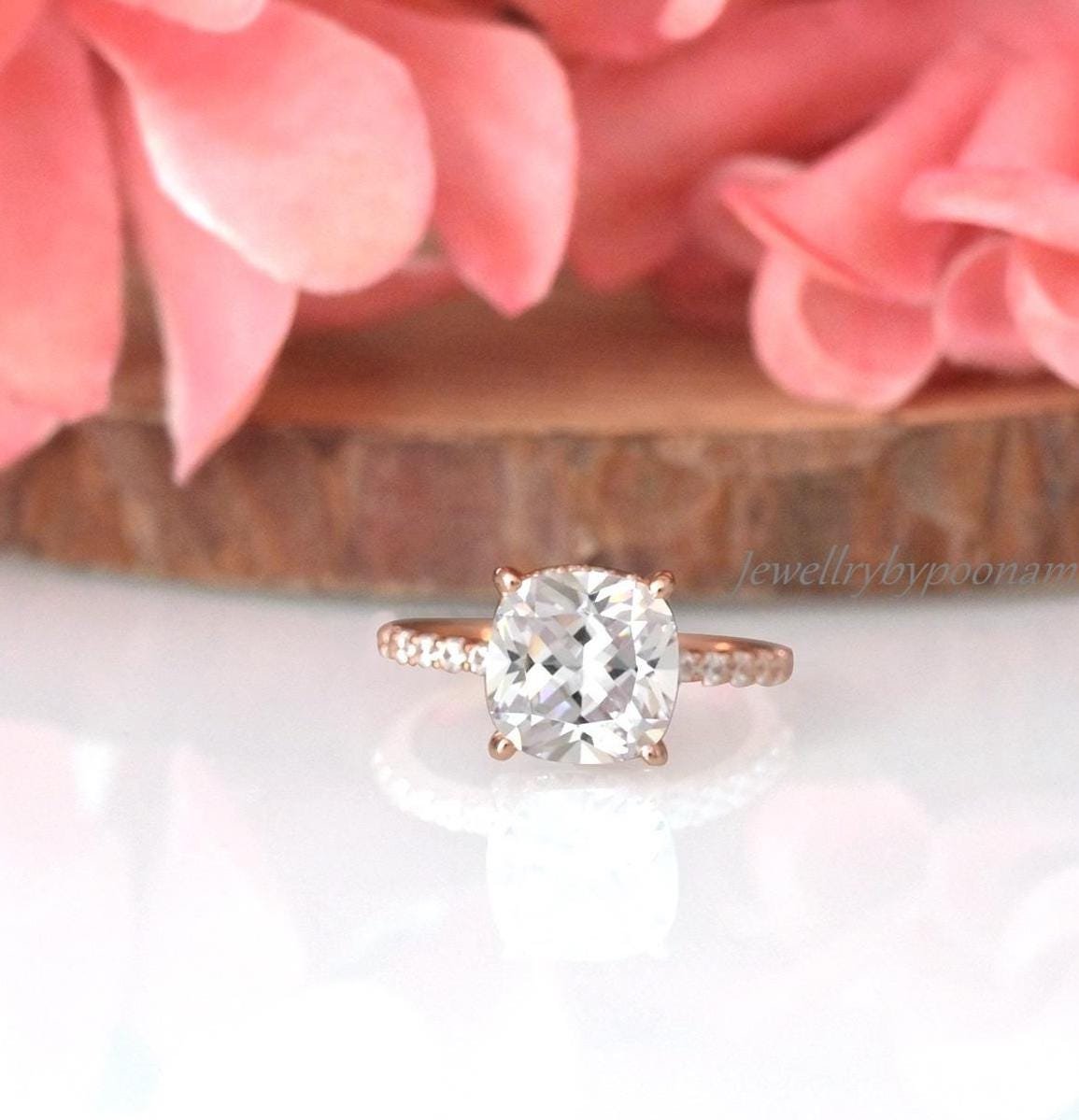
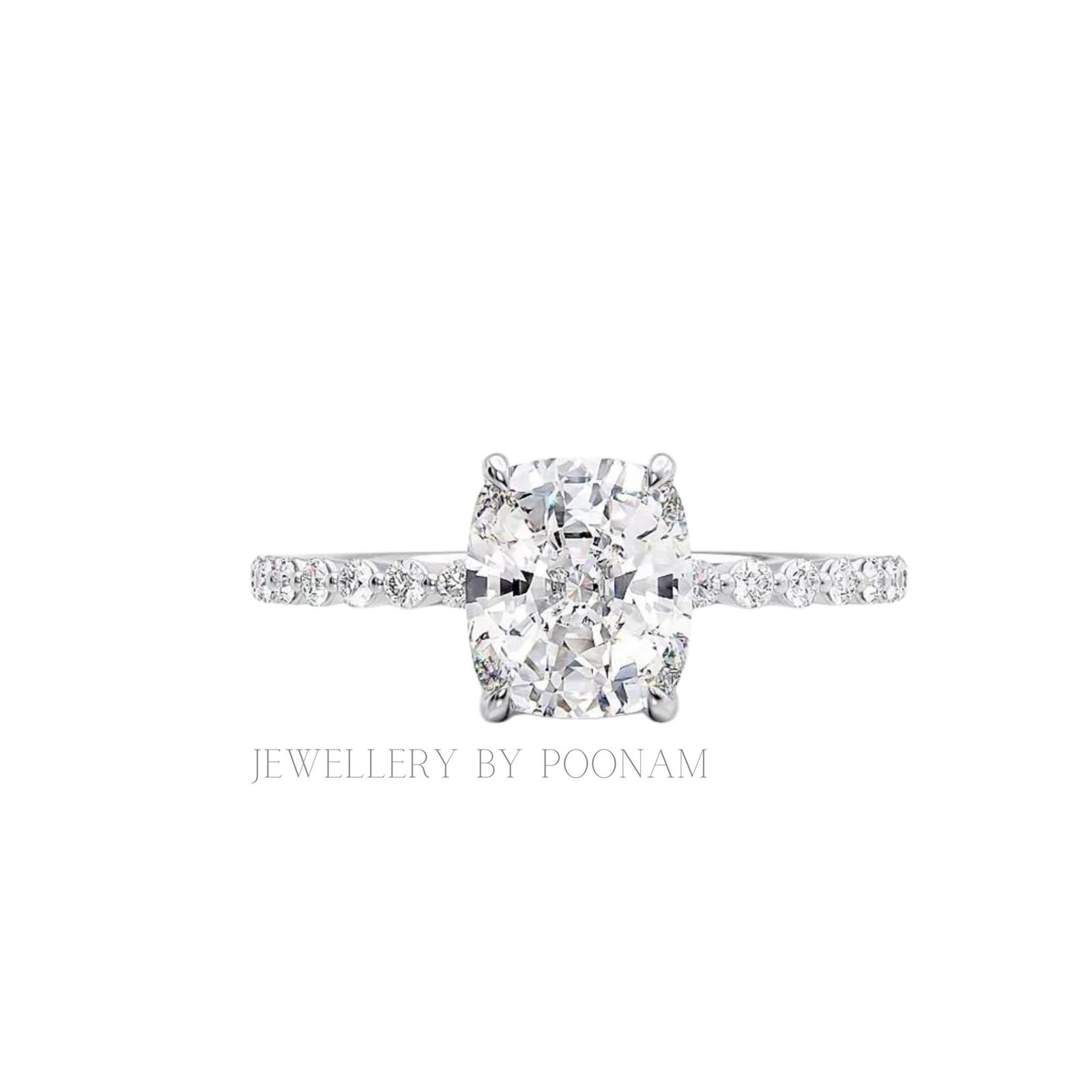
Jewelry By Poonam, Suratgarh, India | Verified manufacturer; 14K, moissanite and wedding jewelry visible. | Custom orders and worldwide shipping published; DHL/FedEx; MOQ not universal. | Good for wedding, engagement and moissanite designs; request design-specific MOQ/QC. |
To contact a supplier, open the Jewelslly profile and use the Send Inquiry option. Where direct WhatsApp is enabled, buyers can also use Jewelslly's WhatsApp inquiry flow. For gold orders, the first message should include karat, target weight, quantity by SKU, stone map, destination country and whether the buyer needs private-label packaging.
How to choose the right manufacturer by gold category
The best gold jewelry manufacturer depends on the collection. For 9K gold, prioritize manufacturers that can keep lightweight pieces strong enough for daily use. Thin jump rings, openable charm holders, hollow links and chain connectors need strength testing, not only a low gram weight. For 14K gold, prioritize repeatability and finishing because most U.S.-style fine jewelry buyers expect both durability and clean polish. For 18K gold, check color matching, stone setting, rhodium or satin finish control, and premium packaging. For 22K gold, confirm high-karat alloying, handmade or machine process, hallmarking, weight tolerance and secure shipping because the metal value is a larger portion of the order.
If a factory says it can produce all karats, ask whether it casts and finishes each karat in-house or works with partner units. Outsourcing is common in the jewelry trade and is not automatically bad, but the buyer should know who controls alloying, casting, setting, polishing, hallmarking and final QC.
What is the minimum order quantity?
MOQ in gold jewelry can mean minimum pieces per SKU, per design, per size, per karat, per stone variation, per color, per total order value or per casting batch. A published MOQ of 1–10 pieces on a catalog item usually means the supplier is willing to sell a listed style in small quantity. It should not be assumed to apply to a new 18K or 22K custom design.
For gold, MOQ is strongly affected by tooling, stone procurement, casting flask capacity, karat separation, finishing labor and metal accounting. Ask every manufacturer for five numbers: sample quantity, MOQ per design, MOQ per karat, MOQ per variation and repeat-order MOQ. Also ask whether CAD, mold, master, resin printing, stone sourcing, assay, hallmarking and packaging are billed separately.
Does the manufacturer accept custom designs?
For wholesale and export buyers, custom capability should mean more than “we can make anything.” A reliable manufacturer should accept sketches, reference photos, technical drawings, CAD files, STL files or physical samples, then give practical feedback on wall thickness, prong size, chain strength, hinge tolerance, stone seats, casting shrinkage, polishing access and expected weight.
Do not send a full unreleased collection to an unqualified supplier. Start with one representative design and ask for a technical response. If the supplier only replies with a price but does not ask about karat, weight, dimensions, stones, finish, logo, quantity and market, the quotation is probably not controlled enough for a serious gold order.
Is CAD, mold making and sampling completed in-house?
In-house CAD, model making, casting, setting and polishing give the buyer clearer accountability. However, many strong manufacturers still outsource some stages such as plating, laser engraving, specialized enameling, hallmarking or laboratory certification. The important point is transparency.
Ask for a manufacturing-stage matrix covering CAD, wax/resin, master, mold, casting, filing, soldering, laser welding, setting, polishing, rhodium or plating, hallmarking, final QC and packing. Approve CAD by revision number and approve a physical golden sample before bulk production. For gold jewelry, the golden sample should record karat, color, finished weight, dimensions, stone map, ring size or chain length, logo position, hallmark placement, finish, packaging and inspection tolerance.
Which metals and gemstones are available?
The quotation should specify whether the manufacturer offers 9K, 10K, 14K, 18K, 22K, white gold, yellow gold, rose gold, two-tone gold, vermeil or gold-plated jewelry. Do not allow vague terms such as “real gold” or “gold finish” in a purchase order. For export, the invoice and product description should match the actual product.
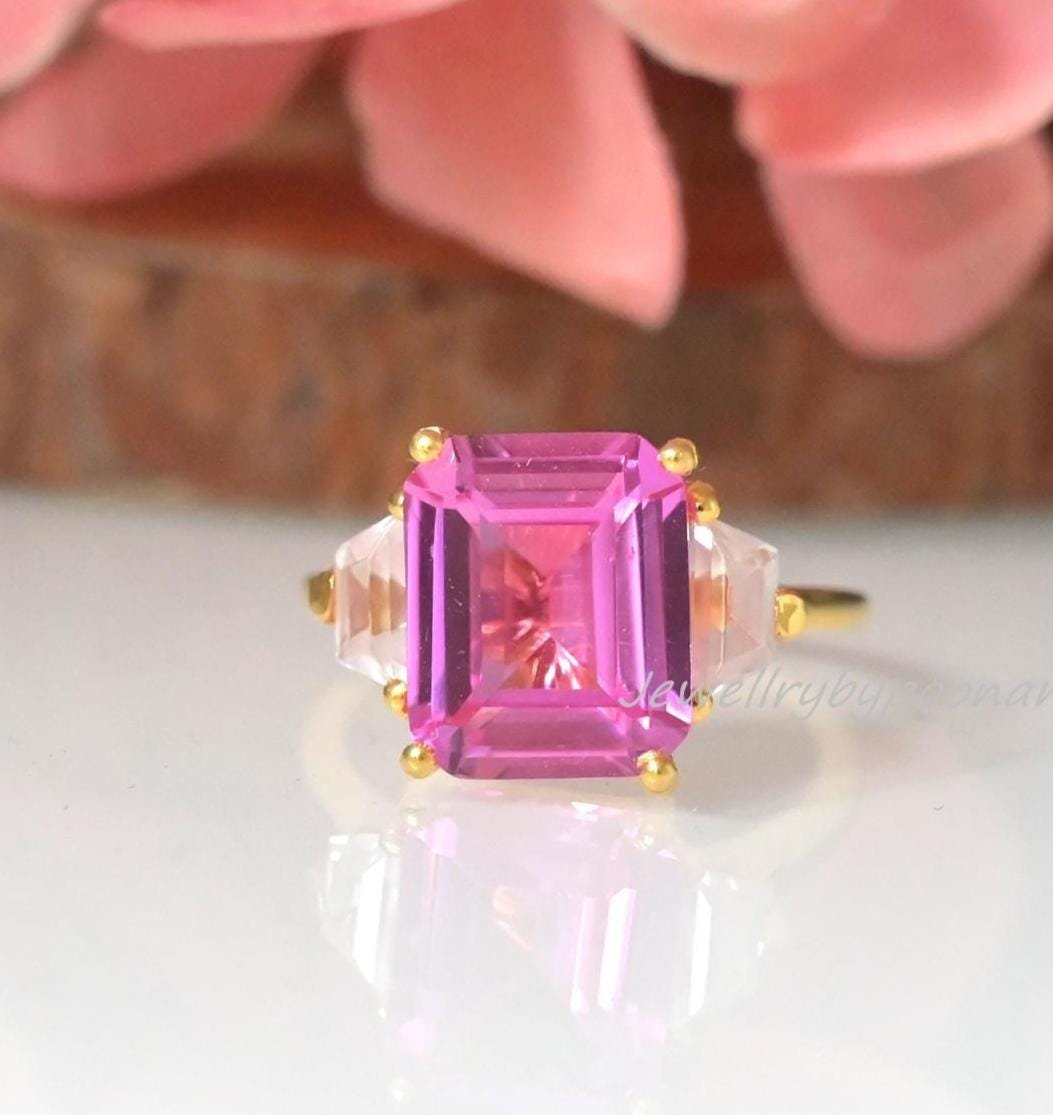
For gemstones, ask whether stones are natural, treated, lab-grown, synthetic or imitation. Common gold jewelry categories include natural diamonds, lab-grown diamonds, moissanite, CZ, emerald, ruby, sapphire, turquoise, pearl, semi-precious stones and enamel. For diamonds, request the diamond type, grade range, total carat weight, setting type, and whether any certificate is included. For colored stones, define acceptable color range, size tolerance and treatment disclosure.
Does the manufacturer sign an NDA?
An NDA is recommended when you are sharing unreleased designs, CAD files, brand packaging, price targets, customer lists or launch dates. It should cover drawings, CAD, molds, samples, production photos, pricing, supplier contacts and subcontractors.
The NDA should be supported by design-ownership language in the purchase order. Ask who owns the CAD, master and mold after payment. Also ask whether the supplier can show the sample in its catalog, social media or trade-show booth. If the design is exclusive, write that clearly before production starts.
What is the sample and production lead time?
Gold jewelry timing depends on karat, design complexity, stone sourcing, mold status, casting schedule, finishing stages, hallmarking and export documentation. A simple catalog 14K pendant may be available much faster than a new 18K diamond ring with custom-cut stones. A 22K bridal bangle or heavy chain can require additional metal planning and more careful insurance arrangements.
Ask for separate lead times for quotation, CAD, CAD revision, resin or wax, metal sample, stone setting, polishing, hallmark or assay, packaging, final QC and dispatch. The timeline should state when the clock starts: design confirmation, deposit, CAD approval, stone approval or final sample approval. A professional quote should also mention peak-season risk and how delays are communicated.
Does the company offer private-label packaging?
Private-label packaging is important for gold because the unboxing experience must match the product value. Ask whether the manufacturer offers branded boxes, pouches, care cards, polishing cloths, barcode labels, SKU stickers, certificates, anti-tarnish or anti-scratch packing, and export carton labeling.
Packaging MOQ can be different from jewelry MOQ. A manufacturer may accept a 10-piece gold pilot order but the box supplier may require 100 or 500 printed boxes. Ask whether unused packaging is stored for repeat orders, who pays for printing plates, and whether the supplier can apply brand labels without mixing SKUs.
How is jewelry quality inspected?
Gold jewelry quality inspection must be measurable. Buyers should not rely only on photos. The purchase order should define inspection points and acceptance tolerances.
At minimum, ask for:
- Karat purity, hallmark or assay evidence where applicable
- Finished gold weight and permitted weight tolerance
- Principal dimensions, ring size, chain length and clasp function
- Stone count, stone grade range, total carat weight and setting security
- Prong, bezel, pave and channel-setting checks under magnification
- Solder, joint, hinge, bail, jump-ring and link strength
- Porosity, pits, cracks, fire stain, polishing marks and sharp edges
- Rhodium, plating, enamel or surface finish consistency where applicable
- Logo, trademark, purity mark and country-of-origin placement
- Packaging, barcode, SKU and quantity accuracy
Inspection should happen after casting, after pre-polish, after setting, after final polish or plating, and before packing. For higher-value orders, ask for a pre-dispatch inspection report with photos, inspected quantity, rejection count and corrective action.
Can the manufacturer export worldwide?
“Ships worldwide” is useful but not enough. Ask the supplier which countries it has recently shipped to, which courier or insured logistics provider it uses, what insurance is available for precious-metal jewelry, and whether the quote is EXW, FOB, CIF, DAP or DDP. Gold jewelry orders need careful paperwork because product description, HS code, value, metal content and country of origin affect customs clearance.
GJEPC's export guide states that Indian exporters generally need business registration, PAN, bank account, GST, IEC, AD code, customs registration, RCMC for gems and jewelry through GJEPC, export documents, quality control, certificate of origin where needed and insurance for international shipments. For gold jewelry, GJEPC also lists HSN code 7113.19 guidance and export-linked gold procurement processes. Buyers should still take destination-specific customs advice before import.
How can buyers request a quotation?
Send every shortlisted supplier the same structured RFQ. A good gold jewelry RFQ should include:
- Company name, website, target market and delivery country
- Product type: rings, charms, pendants, bangles, chains, earrings or bridal jewelry
- Karat: 9K, 14K, 18K or 22K, plus yellow, white or rose gold color
- Solid, hollow, vermeil, plated, gold-filled or mixed-metal construction
- Design file, sketch, CAD, STL or reference image with revision number
- Target dimensions, size range, chain length and target finished weight
- Stone type, grade, size, quantity, setting style and certificate need
- Surface finish: high polish, matte, satin, hammered, enamel, rhodium or plating
- Logo, purity mark, hallmark, trademark and country-of-origin requirements
- Quantity by SKU, karat, size, color and stone option
- Sample deadline, pilot order quantity and bulk delivery target
- Private-label packaging, barcode and SKU-label requirements
- NDA, CAD ownership, mold ownership and exclusivity requirement
- Shipping term, courier, insurance and import documentation requirement
Ask the supplier to reply with sample cost, CAD and mold cost, gold-rate basis, metal-loss or wastage policy, price tiers, MOQ, lead time, payment schedule, QC method, rejection remedy, packaging cost, freight, insurance and quote validity.
How to compare gold jewelry quotations correctly
Gold quotes are not comparable until the weight basis is clear. One manufacturer may quote a lower unit price because the item is lighter, hollow, plated, lower karat, or excludes stones, CAD, mold, hallmarking, packaging or freight. Another quote may look higher but include a stronger construction, better stones, insured shipping and clearer remake terms.
Compare total landed cost:
- Gold karat, gold color and finished weight
- Metal-rate basis and price validity period
- Wastage, casting loss or metal-loss accounting
- Stone cost and certification
- CAD, mold, master and sample charges
- Setting, polishing, rhodium, plating or enamel cost
- Hallmark, assay, logo and engraving charges
- Private-label packaging and barcode cost
- Freight, insurance, duty, tax and brokerage
- Defect allowance, remake policy and return freight
For gold, small details matter. A 0.2 gram difference across 500 pieces can be commercially material. That is why the approved sample and production tolerance must be written into the purchase order.
Red flags when choosing wholesale gold jewelry manufacturers
- The supplier quotes “gold” without confirming 9K, 14K, 18K, 22K or plated construction.
- The quoted weight is missing or marked as approximate without tolerance.
- The price changes with the gold market, but quote validity is not stated.
- The supplier cannot explain metal loss, wastage, alloy color or purity marking.
- A catalog MOQ is treated as a custom-design MOQ without written confirmation.
- CAD ownership, mold ownership and design-resale rights are not defined.
- The manufacturer cannot provide sample photos, production-stage photos or inspection evidence.
- Hallmarking, assay, trademark or country-of-origin requirements are ignored.
- The shipping quote does not mention insurance for high-value jewelry.
- The bank beneficiary, legal business name and supplier profile do not match.
Recommended pilot-order strategy for 9K, 14K, 18K and 22K collections
Start with one karat and one product family. Do not test 9K charms, 14K rings, 18K diamond pendants and 22K bangles in the same first order unless you are qualifying an established export factory. A controlled pilot makes problems easier to identify.
Recommended sequence:
- Shortlist suppliers by exact product category and karat.
- Send the same RFQ to each supplier.
- Verify legal business name, payment beneficiary and export capability.
- Sign NDA if the design is proprietary.
- Approve CAD by revision number.
- Approve physical sample and record golden-sample specs.
- Place a small pilot order with clear QC tolerances.
- Review defects by category: purity, weight, setting, finish, sizing, packaging and shipping.
- Reorder only after corrective actions are documented.
- Scale quantity gradually and keep a retained sample for every repeat order.
Final buyer recommendation
The best wholesale gold jewelry manufacturer is the one whose capability matches your karat, product type, quality level, order size and export market. For 9K and 14K small-batch charms or fine-jewelry testing, Jewelslly profiles such as Suren Jewels and Seventy Seven Jewelry show relevant low-MOQ gold catalog examples. For 14K wedding, moissanite and engagement-style jewelry, Jewelry By Poonam is a relevant profile to evaluate. For 18K and 22K production, buyers should request direct confirmation because those karats may require different alloying, hallmarking, weight control and export documentation.
Use Jewelslly to discover and compare supplier profiles, then convert every important claim into a dated quotation, approved sample and purchase order. Gold is too valuable for assumptions. Confirm MOQ, karat, weight, stones, NDA, CAD/mold ownership, sample time, private-label packaging, QC, export paperwork and insured shipping before paying a deposit.